A complete guide to finding Subaru Impreza WRX parts recyclers in Brisbane
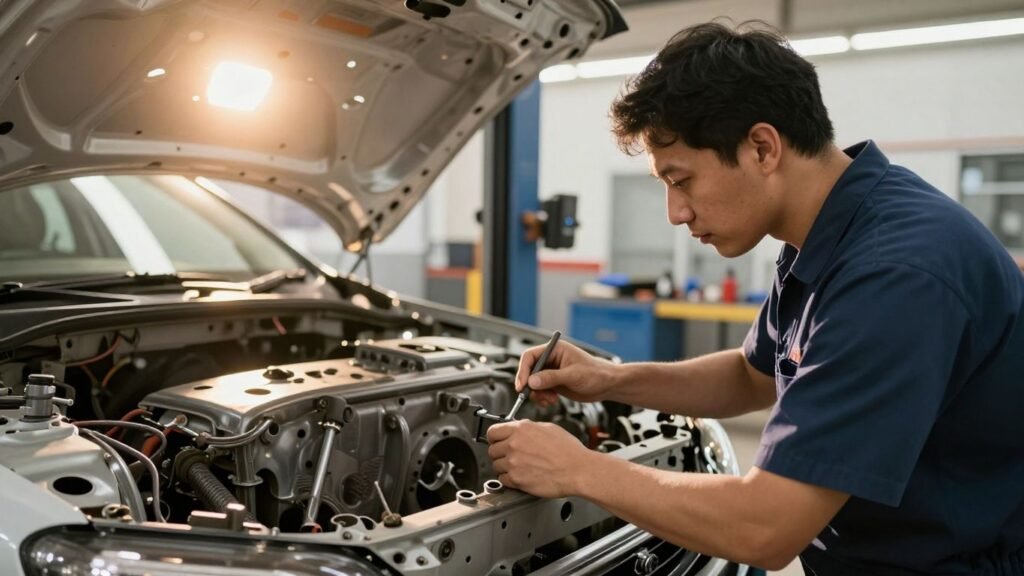
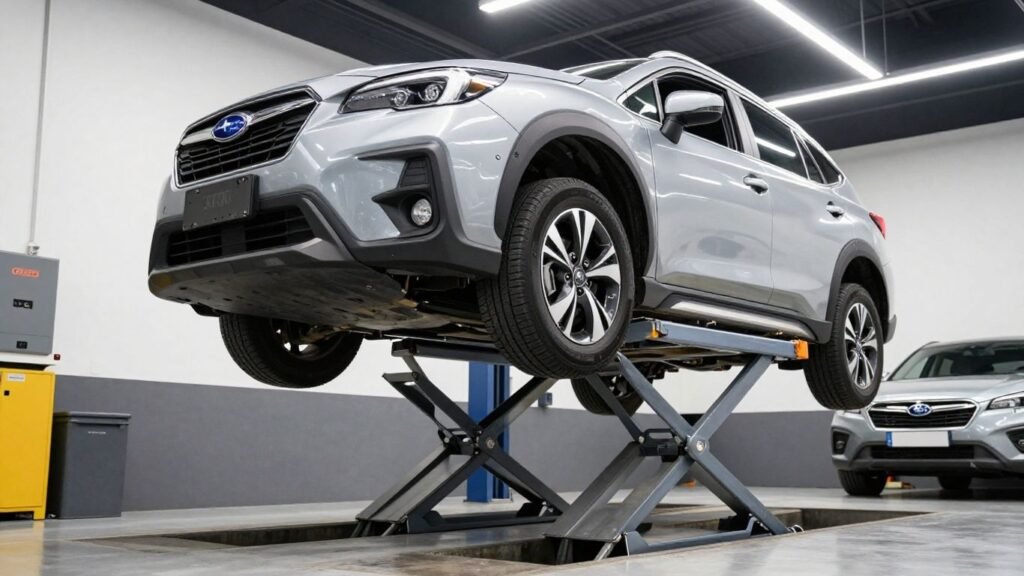
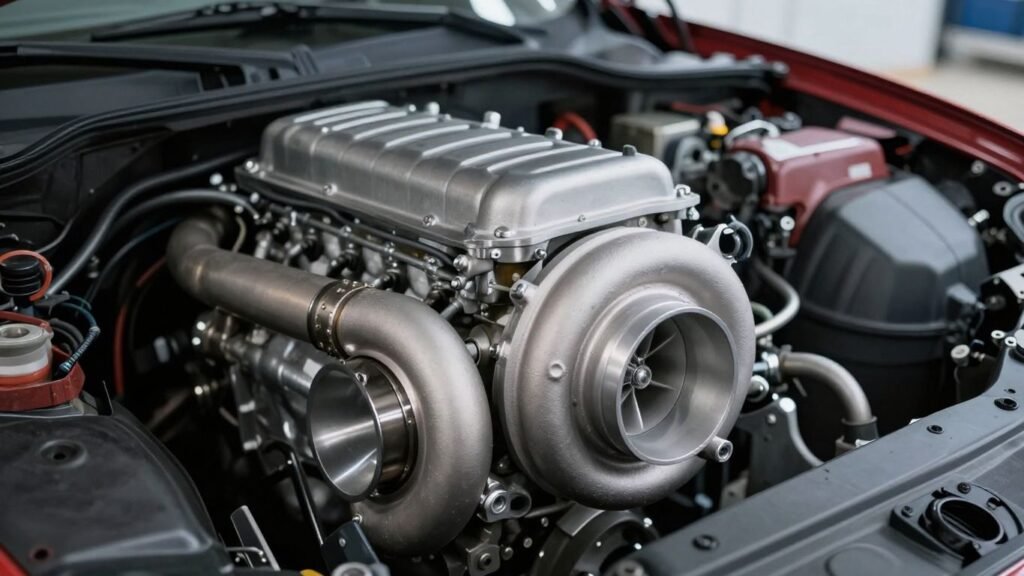
Key Takeaways Finding the right components for your vehicle requires a mix of technical knowledge and careful local scouting in the Brisbane area. This approach ensures you maintain performance while adhering to your budget constraints. Identify wreckers that specialize in turbocharged performance platforms rather than just general automotive recycling centers. Verify the condition of mechanical parts by examining mileage history and looking for signs of aftermarket interference. Use community networks to locate rare components that do not appear in standard inventory databases. Prioritize yards that offer clear, transparent warranty policies for major electrical and mechanical assemblies. Always consult with a professional technician before finalizing the installation of complex recycled drivetrains. Identifying reliable Subaru Impreza WRX parts recyclers in Brisbane Selecting a recycler for a turbocharged vehicle demands a higher standard than shopping for standard runabouts. Brisbane offers various options, but locating a shop that understands the specific nuances of the platform is essential for long-term reliability. Differentiating between general car wreckers and performance specialists Many general wreckers process high volumes of vehicles without considering the specific maintenance history or performance health of the drivetrain components. A specialized wreckers, such as Q1 Auto Parts, often keeps a more detailed log of the vehicles they dismantle, which is helpful when you need parts like limited-slip differentials or specific exhaust manifolds. You should prioritize these specialists because they tend to focus on the unique pressure points of boxer engines. Assessing inventory levels for specific WRX generations Inventory fluctuation is common in the used parts market, so keeping track of which yards supply which specific generations is a smart move. Some yards concentrate on the older GC8 models, while others cater to the newer turbocharged platforms that require specialized electronic sensors. Tracking these trends helps you avoid wasting time calling facilities that have historically low stock for your particular year. Leveraging local online scrap networks Digital scrap networks are becoming the primary tool for enthusiasts to track down parts across the region. By monitoring public listings, you can often secure high-demand items like interior trim or upgraded piping before they hit the physical retail floor. These platforms allow you to quickly cross-reference availability without needing to drive to multiple locations across the city. Verifying the recycling facility’s certification Legitimate business operations typically hold trade certifications that demonstrate their commitment to proper environmental and safety standards. Always confirm that the facility follows established disposal protocols, as this often correlates with the overall organization of their inventory system. A professional shop is far more likely to provide accurate descriptions of the items you are purchasing. Evaluating the condition of recycled performance parts Assessing the true health of a second-hand engine or transmission involves more than just looking at the outward appearance of the unit. You need to investigate the history of the donor vehicle to determine whether the components were treated with proper maintenance or subjected to neglect. Interpreting mileage reports from donor vehicles Reviewing the odometer reading is just the starting point when you are evaluating a potential purchase. You must compare the mileage against the service records provided by the wrecker to ensure the timing belt and water pump were serviced at the required intervals. Taking this step helps you understand the actual remaining service life of the engine before you commit to the purchase. Inspecting engine components for signs of performance tuning abuse Evidence of aggressive modifications or makeshift wiring usually indicates that the car was pushed beyond its factory design limits. Look for traces of non-standard boost controllers, heat-damaged hardware, or modified electronic harnesses that suggest the internals might be structurally fatigued. If the engine bay looks chaotic or modified, you should proceed with extreme caution. Evaluating suspension and drivetrain part wear When buying suspension components or drivetrain parts, you should look for specific indicators of failure like cracked bushings, leaking seals, or excessive play in the splines. The following table provides a general guide for what to look for when inspecting common wear items. Component Visual Indicator Mechanical Status Control Arms Cracks in rubber bushings Failed alignment risk Driveshafts Torn grease boots Contamination likely Struts Evidence of oil weeping Damping loss present Using this table will help you identify whether a part is ready for immediate installation or requires a full rebuild. It is useful to bring a checklist so you remain objective during the physical inspection of the donor vehicle’s suspension. Understanding the difference between OEM and aftermarket recycled parts Directly comparing original factory components to salvaged aftermarket gear is key to staying within your performance goals. Authentic Subaru parts are designed to meet exact factory tolerances, which may differ from the aggressive specs of third-party alternatives. When choosing between these, consider whether you are looking to retain a factory-smooth power delivery or if you want to integrate salvaged high-performance upgrades. Strategies for sourcing rare or discontinued WRX components Tracking down specific, hard-to-find components often requires more persistence than checking a single website. You may need to cultivate relationships with local operators who keep a "hidden" inventory of unique parts not yet listed on public platforms like eBay. Placing bulk inventory requests with local yards If you are searching for several difficult items at once, providing a list to your preferred local wrecker can yield better results than single inquiries. Yards prefer customers who are clear about their needs because it streamlines their retrieval process and makes your business more predictable for their staff. This strategy helps you secure a bundle of parts, which can save on individual shipping costs and overall search time. Utilizing national parts locator databases When local options have been exhausted, national databases provide access to a broader network of wrecks across the country. These services aggregate listings from various professional recyclers, allowing you to filter by specific part numbers or component revisions. While this approach sometimes carries a higher transport price, it is often the most effective way to source major components like specialized gearboxes or ECU modules. Networking within Brisbane Subaru enthusiast communities