Subaru wreckers Adelaide South Australia – all models: A complete guide to used parts, sales and recycling
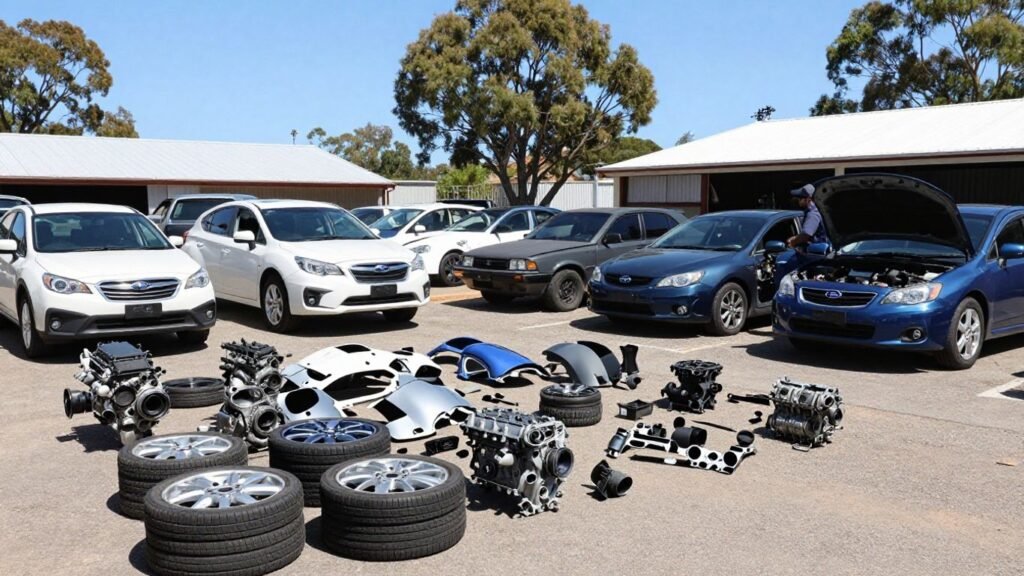
Key Takeaways A careful search makes it easier to find suitable used Subaru parts, sell an unwanted vehicle fairly and avoid compatibility surprises. Used Subaru parts can be a cost-conscious alternative to new replacements. Model year, engine, transmission and drivetrain details should be confirmed before buying. Local Adelaide wreckers may offer collection, towing and practical parts advice. A vehicle’s condition, paperwork and reusable components can affect its valuation. Licensing, warranties, returns and clear communication are useful signs of a reliable supplier. Understanding Subaru wreckers in Adelaide Subaru wreckers dismantle unwanted, damaged or end-of-life vehicles and recover components that may still be useful. For Adelaide owners, this can create a practical source of parts for repairs, restoration and routine maintenance. The phrase Subaru wreckers Adelaide South Australia – all models covers a broad search, but the right part still depends on the exact vehicle specification. A little preparation before contacting a yard can save time and prevent an incorrect purchase. What Subaru wreckers do A wrecker assesses a vehicle, removes usable components and separates materials that can be recycled or disposed of appropriately. Recovered items may include mechanical parts, body panels, interior fittings, wheels and electrical components. Stock changes constantly because vehicles arrive and are dismantled at different times. The most useful service is often helping a customer identify whether a particular component is suitable for their Subaru. How the vehicle dismantling process works The process generally begins with an inspection of the vehicle and a decision about which parts are worth recovering. Fluids, batteries and other hazardous materials need careful handling before dismantling continues. Components are then removed, assessed and stored, while metals and other remaining materials move into recycling or disposal streams. Responsible part recovery keeps the process focused on safety, reuse and proper material handling rather than simply reducing a vehicle to scrap. Used parts versus aftermarket replacements A genuine used component comes from another vehicle, while an aftermarket replacement is made by a separate manufacturer for a stated application. Used parts may retain the original design and factory fit, although their condition and history need to be checked. Aftermarket parts can be useful where availability, price or a new component is the priority. The better choice depends on the part, the repair standard required and the information supplied by the seller. Why local wreckers can be a practical choice An Adelaide wrecker may be convenient when a part needs to be inspected, collected or matched with a vehicle in person. Local contact can also make it easier to discuss symptoms, compare photographs and arrange delivery within South Australia. Not every yard will carry every specification, so availability should be confirmed rather than assumed. For larger items, asking about packaging and transport early can avoid an unexpected delay. The cheapest part is not always the lowest-cost repair if it does not fit, arrive safely or last as expected. That principle is especially useful when comparing a nearby used component with a new replacement from elsewhere. Price matters, but suitability and after-sales support matter too. Subaru models commonly handled by Adelaide wreckers Adelaide wreckers may handle a wide spread of Subaru vehicles, from older passenger cars to newer SUVs and performance models. The same model name can cover several generations, engines and body styles, so a general request may not be enough. Supplying the vehicle identification number or detailed specifications usually gives the parts search a better starting point. The following model groups are common reference points when beginning that conversation. Subaru Impreza and WRX parts Impreza and WRX components can vary significantly according to generation, trim level and performance specification. Customers may ask about engines, gearboxes, suspension, body panels, lights, seats or electronic modules, but each item needs individual confirmation. WRX parts should not automatically be treated as interchangeable with standard Impreza parts. A wrecker can check the donor vehicle and compare the requested component with the buyer’s details. Subaru Forester parts Forester parts are often sought for engines, transmissions, suspension, steering, doors, mirrors and interior components. Differences between naturally aspirated and turbocharged versions can affect compatibility, as can changes between generations. SUV equipment may also vary with trim and drivetrain configuration. Giving the build year and engine details helps narrow the search before a price is discussed. Subaru Outback parts Outback owners may look for replacement bodywork, cooling components, drivetrain parts, electrical items or cabin fittings. The Outback has been produced across multiple generations, with changes in engines, transmissions and safety equipment. A part that appears visually similar may still use different connectors or mounting points. Photographs, part numbers and the vehicle’s full details are useful when checking an older or less common component. Subaru Liberty and Legacy parts Liberty and Legacy parts can be especially specification-sensitive because age, market and drivetrain options vary. Items such as dashboards, lights, control modules and suspension components may differ even between closely related years. A good enquiry includes the body style, approximate build date and whether the car is manual or automatic. That information gives the yard a clearer basis for checking stored inventory. Subaru XV, BRZ and other models Wreckers may also receive XV, BRZ, Levorg and older or less frequently seen Subaru models. These vehicles can have more limited local availability, making accurate identification even more important. Parts may sometimes be sourced through broader industry networks, but timing and freight should be confirmed. It is sensible to ask whether the item is physically in stock or still being located. Finding the right used Subaru parts Finding a component is only the first step; confirming that it belongs on the intended vehicle is just as important. Subaru parts can look alike while differing internally, electronically or in their mounting hardware. A careful enquiry includes the vehicle details, the failed part and the repair purpose. This approach reduces the risk of buying something that cannot be installed without further modification. Matching parts by model year and generation Start with the build year rather than relying only on the registration