Blog

Your blog category

Subaru wreckers Caboolture Queensland – cash for unwanted Subarus: A practical selling guide
Blog

Subaru wreckers Caboolture Queensland – cash for unwanted Subarus: A practical selling guide

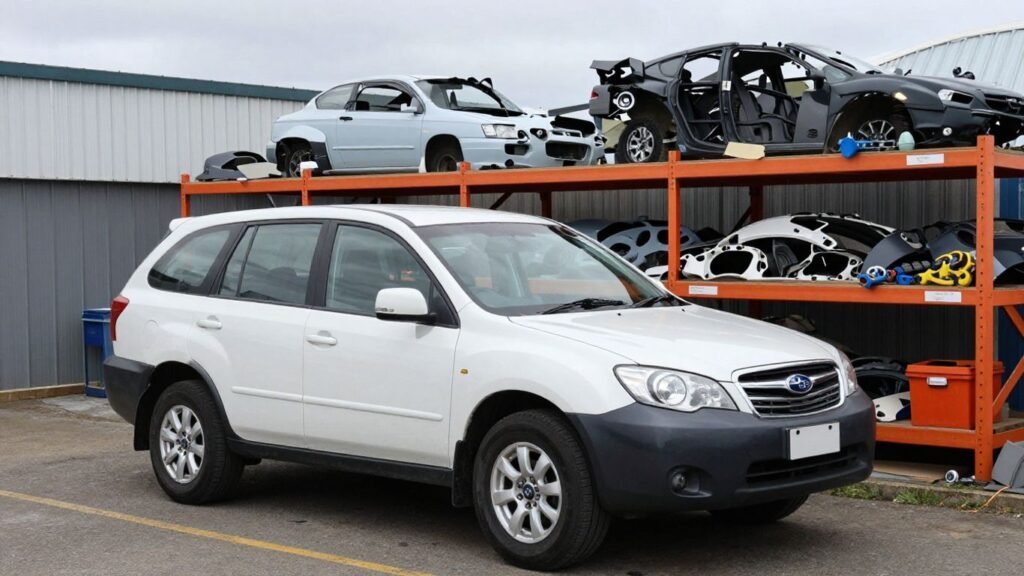
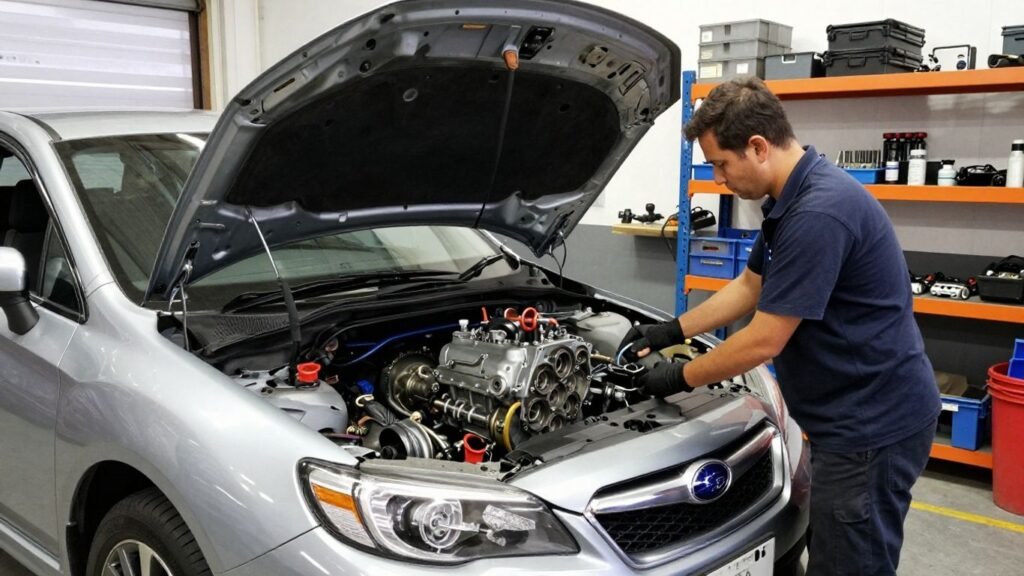
Key Takeaways Selling an unwanted Subaru to a wrecker can be straightforward when you know what affects acceptance, pricing, paperwork, and collection. Damaged, old, unregistered, and non-running Subarus may still have value. Offers usually reflect parts demand, vehicle condition, location, and towing requirements. Clear photos and accurate details help produce a more realistic quote. Queensland registration, ownership, plates, and finance issues should be handled carefully. A reputable wrecker should explain payment, collection, and removal conditions before pickup. Understanding Subaru wreckers in Caboolture, Queensland Subaru wreckers in Caboolture typically assess vehicles for reusable components, recyclable materials, or both. They may be suitable for owners who want to sell a car that is too damaged, old, costly, or inconvenient to return to the road. The phrase Subaru wreckers Caboolture Queensland – cash for unwanted Subarus covers a practical local option, but the exact process varies between businesses. Before accepting an offer, understand what the wrecker is buying and how the vehicle will be handled. What Subaru wreckers do with unwanted vehicles A wrecker first assesses the vehicle’s condition, identity, major mechanical components, and likely parts demand. A usable engine, transmission, suspension component, panel, wheel, or interior item may be removed for later sale, while damaged metal and other materials can be sent for recycling. Vehicles that have reached the end of their useful life are therefore treated as a combination of parts and raw materials rather than simply as whole cars. The process can also save an owner from arranging repairs before selling. A Subaru that no longer starts may still be useful if its components are recoverable, although its condition and accessibility will affect the offer. How wreckers differ from private buyers and dealerships A private buyer usually wants a vehicle that can be driven or repaired for personal use, so major damage or mechanical failure can narrow the audience. A dealership may focus on trade-in eligibility, resale prospects, or a newer vehicle purchase. A wrecker evaluates the car differently, considering what can be removed, reused, or recycled even when returning it to roadworthy condition would not make financial sense. That difference can make a wrecker worth contacting when a private advertisement would require extensive disclosure, repeated inspections, and negotiation. It does not mean every wrecker will offer more; it means the valuation is based on a different end use. Subaru models commonly accepted for recycling or parts Many wreckers consider a broad range of Subaru passenger cars and SUVs, including older and newer models, provided the vehicle can be legally transferred and safely collected. Impreza, Forester, Outback, Liberty, XV, WRX, and BRZ examples may attract interest, but acceptance depends on the particular vehicle rather than its badge alone. A less common trim can still contain sought-after components, while a popular model may have little value if it is severely stripped or inaccessible. When requesting a quote, provide the exact model, year, body style, engine information, and transmission type if known. Those details help the assessor distinguish between similar-looking vehicles with different parts demand. When a damaged or non-running Subaru may still have value A car does not need to be driveable to have potential value. Straight panels, intact lights, wheels, seats, engines, transmissions, wiring, and electronic components can all affect an assessment. Even where parts are unsuitable for reuse, the vehicle may still have scrap value, though that is often lower than the combined value of desirable components. Be candid about severe damage, missing components, water exposure, fire, and access problems. An honest description usually produces a more dependable estimate and reduces the chance of a revised offer during collection. Which unwanted Subarus qualify for cash Acceptance is usually decided case by case rather than by age alone. A damaged Subaru may be useful for parts, while an old registered vehicle may be attractive because it is complete and easy to remove. Conversely, a newer car can be difficult to value if ownership is unclear or essential components are missing. A wrecker should be told about the vehicle’s condition before collection is arranged. Accident-damaged, written-off, and hail-damaged vehicles Accident damage does not automatically remove a Subaru from consideration. A wrecker may assess the undamaged side of the vehicle, interior, drivetrain, wheels, and electrical parts separately from the crushed or bent areas. Hail damage can leave mechanical components intact even when the roof, bonnet, or panels are heavily marked. Written-off vehicles require extra care because their registration, statutory status, and future use may be restricted. Tell the buyer whether the car has been declared a write-off and provide any available insurer or ownership information before agreeing to a sale. Old, abandoned, and mechanically failed Subarus Age, long-term storage, and mechanical failure can all make a Subaru harder to sell privately, but they do not necessarily make it worthless. A failed head gasket, seized engine, worn transmission, or electrical fault may be uneconomical to repair while leaving other parts in demand. An abandoned vehicle, however, creates a separate ownership problem that must be resolved before anyone can lawfully sell or remove it. If the car has been sitting for years, describe its storage conditions and whether it can roll, steer, and be accessed by a tow truck. These practical details may matter as much as the mechanical fault. Vehicles with missing keys, registration, or service history Missing keys can complicate steering, ignition, alarm, and loading, but they do not always rule out an assessment. Unregistered vehicles may also be considered, although the seller must handle the relevant Queensland registration requirements. Service history is helpful for proving maintenance and identifying parts, but a lack of records does not automatically erase salvage value. Give the wrecker a clear account of what is missing. A vehicle without keys, plates, documents, or service records may attract a different offer, and surprising the collector at pickup can delay the transaction. Factors that may affect vehicle acceptance The most common practical questions concern ownership, location, access, safety, and completeness. A wrecker may also need to know whether
Cheap Subaru engines Epping Victoria – low km guaranteed: A buyer’s guide
Blog

Cheap Subaru engines Epping Victoria – low km guaranteed: A buyer’s guide

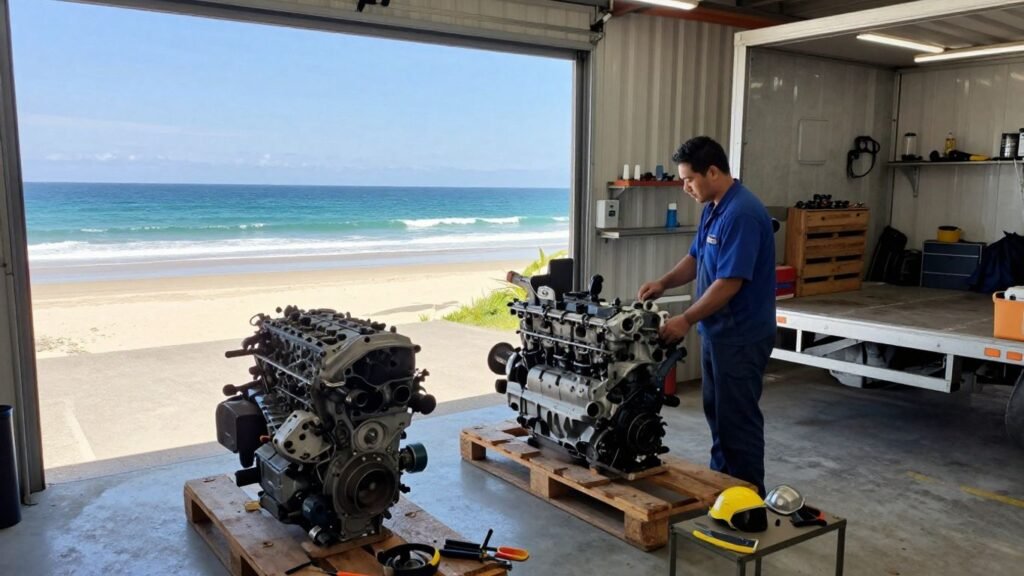
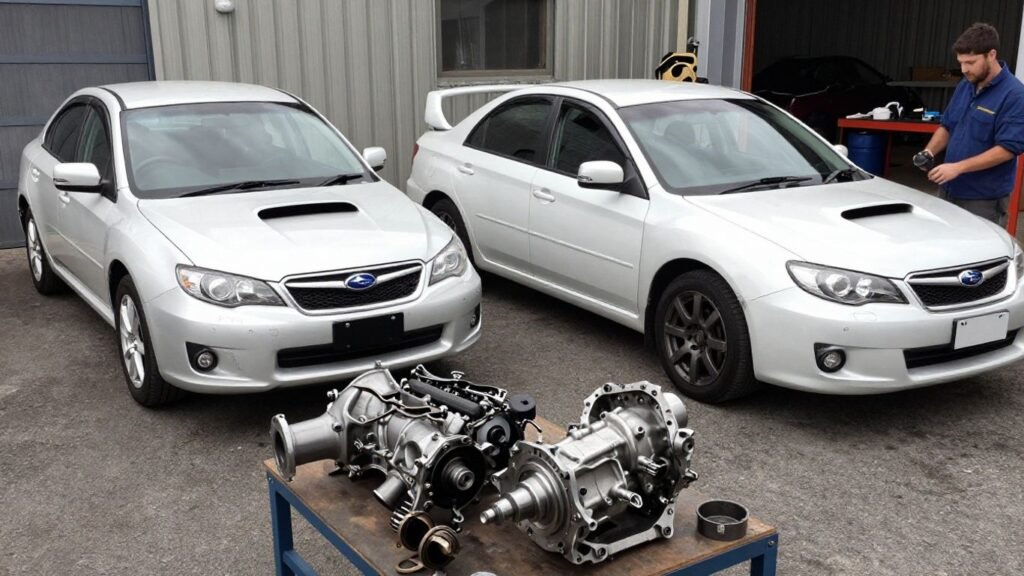
Key Takeaways A cheaper Subaru engine can still be a sensible purchase when its identity, condition, warranty, and fitting costs are clear. The safest approach is to compare the complete job rather than the engine price alone. Match the replacement engine to the Subaru’s model year, engine code, transmission, and electronics. Treat low kilometres as a claim that needs written records and supporting inspection results. Compare short blocks, long blocks, complete engines, reconditioned units, and rebuilds carefully. Allow for installation, fluids, seals, ancillary parts, transport, and possible diagnostic work. Read warranty exclusions before buying and have the replacement checked before installation. Understanding your Subaru engine replacement options Replacing a Subaru engine is not simply a matter of finding the lowest advertised price. The right choice depends on the vehicle’s engine family, the extent of the original failure, and how much of the existing engine can be reused. A careful comparison at the start can prevent an inexpensive purchase from becoming an expensive mismatch. Used, reconditioned, and remanufactured engines A used engine is generally removed from another vehicle and sold in its existing condition, subject to whatever testing and warranty the supplier provides. A reconditioned engine has usually had selected parts inspected or replaced, while a remanufactured unit is rebuilt to a more extensive standard, although the exact meaning varies between sellers. Ask what work was actually completed rather than relying on the label alone, because the description is not the inspection. The useful questions are practical: Was the engine compression-tested? Were seals replaced? Has it been run? Are the mileage and donor vehicle documented? Answers should appear in writing before money changes hands, especially when comparing a cheap used unit with a higher-priced rebuilt alternative. Matching engine types to Subaru models Subaru models may share an engine family while still differing in sensors, accessories, intake arrangements, engine management, or emissions equipment. A Forester, Impreza, Outback, Liberty, WRX, or XV therefore cannot be matched safely by model name alone. The model year and engine code need to be checked against the vehicle being repaired. The same care applies to turbocharged and naturally aspirated versions. A replacement that looks physically similar may require substantial changes, or may not communicate correctly with the vehicle’s electronics. Confirm the intended application with the supplier and the fitting workshop before assuming a conversion will be straightforward. Comparing short blocks, long blocks, and complete engines A short block normally covers the lower engine assembly, while a long block generally adds the cylinder heads and related internal components. A complete engine may include more external parts, such as manifolds, sensors, wiring, or accessories, but inclusions differ. These terms are useful starting points, not universal inventories. Before comparing prices, request a written list of what is included and what must be transferred from the old engine. A cheaper short block may make sense where the heads and ancillary components are known to be sound. A complete engine may reduce workshop time, but only if its specification matches the vehicle. When an engine rebuild may be a better choice A rebuild can be worth considering when the original engine has a repairable failure and its crankcase, heads, or other major components are suitable for reuse. It also gives the workshop a chance to measure internal parts directly rather than relying on the history of an unknown donor engine. The decision should follow proper diagnosis, not just a preference for keeping the original unit. Compare the rebuild quotation with a replacement engine on equal terms. Ask whether machining, new bearings, piston rings, gaskets, head work, and labour are included. A rebuild may cost more initially, but it can provide clearer knowledge of what was renewed. How to find a compatible low-kilometre Subaru engine A low-kilometre engine is only useful if it fits the vehicle and its operating systems. Begin with the identification details, then verify the history and physical specification. This process is more reliable than selecting a listing because the photograph appears similar. Keep the vehicle identification number, engine code, transmission type, and model-year information together when requesting quotes. That gives suppliers and mechanics the same reference point and makes differences between two apparently similar engines easier to spot. Checking the model year and engine code Locate the engine code from the vehicle records, engine stamping, diagnostic information, or a qualified mechanic’s inspection. The model year should be recorded separately, since production dates and registration dates are not always identical. Give both details to the supplier rather than asking for a generic engine for a particular Subaru model. If the original engine has already been removed, photograph identification markings and note the components that are staying with the car. This can help establish whether the replacement is a direct match or requires parts to be transferred. Comparing vehicle identification numbers and specifications The vehicle identification number can help confirm the car’s build and specification, but it should support—not replace—a comparison of the engine code and equipment. Check cylinder configuration, turbocharger arrangement, fuel and ignition systems, emissions equipment, sensor positions, and accessory mounting points where relevant. A written comparison is valuable when the engine comes from a different production year. Ask which parts are included, which parts are being reused, and whether any programming or wiring changes are expected. Ambiguity at this stage is a reason to pause, not a reason to hope the workshop can solve it later. Verifying mileage with service and vehicle records Mileage should be supported by more than a handwritten figure on a listing. Request donor-vehicle details, service invoices, inspection records, auction or registration information where available, and photographs of the odometer or vehicle history. Records may not tell the whole story, but several consistent sources are more persuasive than an unsupported promise. A low odometer reading also says little about storage, servicing, overheating, towing, or previous repairs. Ask how the engine was obtained and whether the supplier can explain gaps in its history. The answer helps you judge the risk behind the price. Confirming

Subaru Impreza wreckers Launceston – engines & diffs: A practical guide to finding the right used parts
Blog

Subaru Impreza wreckers Launceston – engines & diffs: A practical guide to finding the right used parts

Key Takeaways A careful match matters more than a quick bargain when sourcing a used Impreza engine or differential. The right checks can prevent expensive fitment and installation problems. Confirm the engine code, transmission details, and final-drive ratio before buying. Ask for mileage, donor condition, testing information, and included components. Inspect used differentials for noise, backlash, leaks, casing damage, and overheating. Compare the complete cost of the part, freight, removal, installation, and possible extras. Get fitment, warranty, returns, and core-charge terms in writing before payment. Understanding Subaru Impreza engines and differentials The Impreza has appeared across several generations, engine families, and drivetrain configurations. That variety makes a used part search more involved than simply matching the badge and body shape. Engines, gearboxes, and differentials need to work together as a system, so small specification differences can have serious consequences. A methodical comparison is the safest starting point. Common Impreza engine types and generations Impreza engines vary by generation, market, fuel system, aspiration, and engine code. Some cars use naturally aspirated flat-four engines, while performance-oriented variants use turbocharged versions with different supporting hardware and calibration. Record the exact model year, body style, transmission, and engine code before contacting a recycler. A photo of the identification plate and the existing engine can also reduce confusion. A replacement that looks similar externally may still differ in sensors, mounting points, intake equipment, wiring, or emissions components. Treat the donor vehicle details as part of the part specification rather than as background information. Open, limited-slip, and center differentials A differential allows wheels on the same axle to rotate at different speeds while the vehicle corners. Open, limited-slip, and other drivetrain arrangements behave differently and are not automatically interchangeable. Impreza owners also need to distinguish between front, rear, and center differential requirements, particularly on all-wheel-drive models. The correct unit depends on the complete driveline, not only the housing shape. If a vehicle has been modified, changed from its original transmission, or fitted with different wheels and tyres, those details should be disclosed before a part is selected. How model year affects parts compatibility Model-year changes can affect mounting, electronics, sensors, gearing, cooling connections, and control systems. Even when two Imprezas share a broad engine family, their ancillary equipment or transmission pairing may differ. Use the vehicle identification number, build information, engine code, and transmission code together when checking compatibility. Exact identification saves money because it narrows the search before freight or workshop time is committed. It is also worth checking whether the proposed replacement is a complete assembly or a long block that requires parts from the original vehicle. Why turbo and non-turbo components differ Turbocharged and non-turbo engines can differ in compression, pistons, heads, intake and exhaust arrangements, oil plumbing, cooling demands, and engine management. Their differentials and transmissions may also reflect different torque outputs and ratios. A turbo engine should not be treated as a straightforward upgrade or substitute for a naturally aspirated unit. Ask the recycler to confirm the donor specification rather than relying on a listing photograph. If the car has aftermarket modifications, provide those details to the workshop and seller so the replacement can be assessed in context. Choosing the right Subaru Impreza wreckers in Launceston Finding Subaru Impreza wreckers Launceston – engines & diffs is only the first step in a successful purchase. The recycler should be able to identify the donor vehicle and explain what was checked before the part was listed. Local access can simplify inspection and collection, while interstate sourcing may widen the available inventory. Either way, clear questions and documented terms protect the buyer. What to look for in a reputable recycler A reputable recycler should give specific information rather than vague assurances. Ask for the donor year, model, engine or differential code, recorded mileage where available, testing performed, visible faults, and the condition of attached components. Clear photographs of casting numbers, plugs, seals, and mounting points are useful when an in-person inspection is not possible. The quality of the answer is often revealing. A seller who can separate confirmed information from an estimate is easier to deal with than one who promises compatibility without checking the vehicle details. Local inventory versus interstate sourcing Local inventory may allow you to inspect a component, avoid long freight delays, and discuss fitment with a nearby workshop. Interstate sourcing can offer more donor vehicles when a particular generation, ratio, or engine code is uncommon in the Launceston area. Freight packaging, insurance, and return logistics become more important as distance increases. Before choosing between local and interstate stock, compare the delivered price and timing rather than the advertised part price alone. A cheaper component can lose its advantage if it requires urgent freight or is difficult to return. Questions to ask before requesting a part A short, detailed enquiry usually gets a more useful response than a request for “an Impreza engine.” Include the VIN, year, model variant, transmission type, engine code if known, drivetrain symptoms, and whether the vehicle is standard or modified. For a differential, add the axle position and any known final-drive information. Ask whether the part is tested, what accessories are included, how mileage was established, and whether the quoted price includes freight. It is also sensible to ask how damage in transit is handled before money changes hands. When recycled parts are better than aftermarket options A recycled original-equipment component can be a practical choice when the replacement needs to match factory mounting, sensors, housings, and drivetrain geometry. It may also preserve the specification of a less common vehicle without requiring adaptations. Aftermarket parts can still be suitable, but their quality, design, and included equipment need separate evaluation. The better option is the one that fits the vehicle and the repair plan with the fewest unknowns. Discuss both choices with the installer, especially when labour to modify or transfer components could outweigh a lower purchase price. Finding a suitable used Impreza engine An engine purchase involves more than finding a unit with the same

Subaru wreckers Hobart Tasmania – genuine used parts: A practical guide to finding the right components
Blog

Subaru wreckers Hobart Tasmania – genuine used parts: A practical guide to finding the right components

Key Takeaways Finding Subaru wreckers Hobart Tasmania – genuine used parts is easier when you begin with precise vehicle information and realistic expectations about used components. Confirm the Subaru’s year, variant, engine, VIN, and part number before enquiring. Ask how a component was tested, stored, and graded before buying. Compare recycled, aftermarket, reconditioned, and new parts on value and risk. Inspect or request detailed evidence for mechanical, electrical, and body parts. Confirm delivery, warranty, returns, and installation responsibilities in writing. Understanding Subaru wreckers in Hobart and Tasmania Subaru wreckers recover usable components from vehicles that are no longer economical or practical to repair. For local buyers, the process can provide access to parts for older vehicles without automatically committing to a new replacement. The useful question is not simply whether a part is available, but whether it is the correct component in an acceptable condition and at a sensible total cost. What Subaru wreckers do and how they source vehicles Wreckers typically acquire damaged, written-off, unwanted, or end-of-life vehicles and dismantle them for reusable components. Parts may be removed, catalogued, stored, and sold individually rather than as part of a complete vehicle. Ask whether the donor vehicle’s identity and history are known, especially when the component is connected to safety, driveline, or electronic systems. A well-organised yard can often identify parts by vehicle details and physical inspection, but stock changes constantly. Calling before travelling is sensible, particularly for a less common variant or a part needed urgently. Why genuine used parts can be a practical alternative A genuine used part was originally made for the relevant vehicle, although its condition and remaining service life still need checking. It may suit an older Subaru more naturally than an inexpensive replacement of uncertain fit. The strongest value usually comes when the part is available locally, has a traceable source, and costs materially less than a new equivalent. Used does not mean risk-free. Fit and condition matter more than the label alone, so compare the likely installation cost, return terms, and consequences of failure before deciding. Subaru models and components commonly available Availability depends on local vehicle intake, demand, and the age of the model. Wreckers may have body panels, doors, mirrors, lights, interior pieces, wheels, suspension components, cooling parts, engines, transmissions, and smaller brackets or fittings. A popular model may have several options in stock, while a rare trim or late-generation electronic part may require more searching. Give the supplier the complete model description rather than saying only “Subaru.” A wagon, sedan, hatchback, turbocharged variant, hybrid system, or different drivetrain can alter compatibility even when two vehicles look similar. The difference between recycled, aftermarket, and new parts These terms describe different routes to replacement, not a guaranteed level of quality. A recycled part comes from another vehicle; an aftermarket part is made by a separate manufacturer; and a new part has not previously been used. Reconditioned components may have been cleaned, repaired, or tested, but the exact work should be explained rather than assumed. A simple comparison helps keep the decision grounded in the job at hand: Part category Typical advantage Main question to ask Best comparison point Recycled genuine Original vehicle design and possible lower cost What is its donor history? Condition and fit Aftermarket New supply and broad availability Who made it and what is covered? Specification and warranty Reconditioned Work may restore a worn component What was replaced or tested? Scope of refurbishment New genuine Fresh component with established specification Is the price justified for this vehicle? Total installed cost The right choice depends on the part’s function and the vehicle’s value. A cosmetic trim piece may be an easy used purchase, while a critical mechanical or safety item deserves more evidence and a clearer warranty position. Finding the right genuine used Subaru part Correct identification prevents many avoidable returns and wasted trips. Start with the vehicle’s full details, then narrow the search using numbers, photographs, and the supplier’s confirmation. Small differences in equipment or body style can matter more than a shared model name suggests. Using the model year, variant, and engine details Record the build year or model year, body style, transmission, engine size, fuel type, and drivetrain. Turbocharged and non-turbo versions, for example, can use different supporting components even within a similar model range. If the vehicle has optional equipment, note that as well before contacting the wrecker. A photograph of the existing part can help, but it should support rather than replace the written vehicle information. Keep the registration or service documentation nearby so details can be checked during a phone enquiry. Matching part numbers and vehicle identification numbers The VIN identifies the vehicle, while a part number can identify a particular component or revision. Neither should be treated as optional when the part is expensive, electronically controlled, or difficult to install. Ask the supplier to confirm the number they are using and whether it matches the vehicle details you provided. Numbers can be hard to read on dirty, damaged, or inaccessible components. A clear photograph of the label, connector, mounting face, or casting can help resolve uncertainty before payment. Checking compatibility across Subaru generations A part that appears similar across two generations may differ in mounting points, wiring, dimensions, software, or operating specification. Shared terminology such as “front assembly” or “control module” does not establish interchangeability. Check the exact generation and revision instead of relying on a general online description. When compatibility is uncertain, ask what other vehicles the supplied part was removed from and whether the seller has checked the application. Written confirmation is useful if the item must be shipped from Tasmania or returned at extra cost. Identifying left-hand and right-hand component differences Body and suspension components often have dedicated left-hand and right-hand versions. Mirrors, headlights, guards, doors, steering-related parts, and some interior fittings can look nearly identical while differing in mounting or wiring. State the side as viewed from inside the vehicle, and repeat it when confirming the order. Do

Used Subaru transmissions Mount Gambier – competitive prices: A practical buyer’s guide
Blog

Used Subaru transmissions Mount Gambier – competitive prices: A practical buyer’s guide

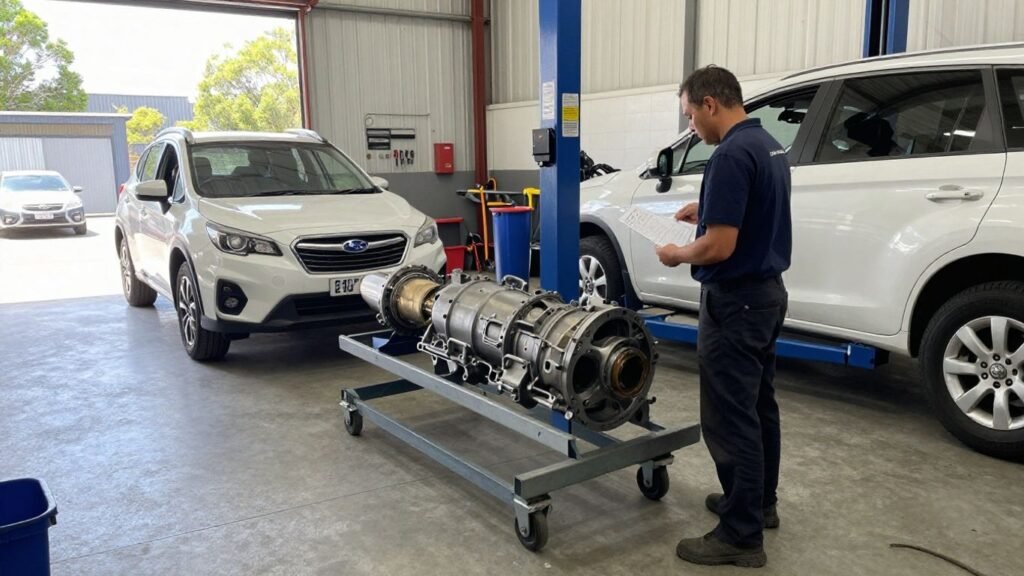
Key Takeaways A used transmission can be a sensible way to restore a Subaru without paying for a brand-new assembly, but the match must be exact. Careful identification, inspection, and installation matter as much as the advertised price. Confirm the model, year, engine, drivetrain, and transmission identification number before buying. Compare the complete cost, including freight, removal, installation, fluids, seals, and possible extra parts. Treat slipping, delayed engagement, unusual noises, leaks, and warning lights as reasons for proper diagnosis. Ask for testing details, mileage, service history, warranty terms, and a clear return process. Have the replacement fitted and checked by a qualified mechanic, then follow a sensible maintenance routine. Understanding used Subaru transmissions A used transmission is more than a low-cost replacement pulled from another vehicle. Its condition, mileage, included components, and compatibility with the rest of the drivetrain all affect whether it is a practical purchase. Before comparing Used Subaru transmissions Mount Gambier – competitive prices, it helps to understand what you are actually buying. That makes it easier to separate a genuine value option from an assembly that may create more work later. What a used transmission includes The central item is the transmission assembly, but the exact contents of a sale can vary. Some sellers provide a complete unit with attached sensors, brackets, or transfer-case components, while others sell a more basic housing and internal assembly. Ask for a written description of what is included rather than assuming every visible part will arrive with it. The vehicle may also need new seals, fluid, filters, mounts, or related hardware during installation. These items are not always part of the advertised transmission price. The complete purchase cost is therefore more useful than the headline figure when comparing options. Common Subaru transmission types Subaru vehicles may be fitted with manual transmissions, conventional automatic transmissions, or continuously variable transmissions, depending on the model, year, engine, and drivetrain specification. The name of the vehicle alone does not identify the correct unit. Even two vehicles with similar badges can use different assemblies. A transmission may also differ in its ratios, electronic controls, mounting points, or relationship with the all-wheel-drive system. Those details affect fitment and operation. A seller who can provide the donor vehicle details and transmission code gives you a stronger starting point than one offering only a broad model description. Manual versus automatic options Manual and automatic transmissions have different operating systems, service needs, and installation considerations. A manual replacement may involve checking the clutch, pressure plate, release bearing, and flywheel at the same time. An automatic or continuously variable transmission may require attention to fluid specification, electronic control systems, cooling, and calibration. Do not treat one type as a universal substitute for another. A unit that physically resembles the original can still be unsuitable if its controls, gearing, or drivetrain connection differ. The original transmission type should be verified from the vehicle records and the existing unit. Why transmission compatibility matters Compatibility protects more than the ability to bolt the part into place. The transmission must work with the engine output, driveshafts, differentials, electronic systems, and the vehicle’s control modules. An incorrect match can lead to poor shifting, drivetrain strain, warning lights, or an installation that cannot be completed as planned. A mechanic can often identify important differences before the old unit is removed. That early check is worthwhile because returning a heavy transmission after delivery can be costly and inconvenient. It also helps you judge whether a cheaper listing is actually suitable or simply less complete. Finding the right transmission for your Subaru Finding the right replacement begins with the vehicle, not with the cheapest online or local listing. Gather the identification details before contacting suppliers, and keep photographs of the existing unit if access allows. In Mount Gambier, local pickup may simplify inspection and freight, but location does not replace the need to verify fitment. A careful comparison should leave you with a documented match rather than a hopeful guess. Matching the model and model year Start with the exact model, model year, body style, and trim where relevant. A name such as Impreza, Forester, Outback, or WRX can cover several specifications over time, so a broad model label is rarely enough by itself. Registration or vehicle identification records can help confirm the year and variant. Tell the seller whether the vehicle has been modified, especially if the engine, drivetrain, or control systems have changed. A standard replacement may not be appropriate for a substantially altered vehicle. The more precise the information supplied at the beginning, the less likely you are to pay for an avoidable mismatch. Checking the engine and drivetrain The engine specification and drivetrain layout are central to transmission selection. Check the engine code where available, confirm whether the vehicle uses the expected all-wheel-drive arrangement, and record any relevant differential or transfer-case information. These details can distinguish units that look alike from the outside. It is also useful to compare the original unit’s mounting points, output locations, connectors, and driveshaft arrangement with photographs from the seller. Visual comparison is not a substitute for code verification, but it can reveal obvious differences early. Keep the original transmission available for reference until the replacement has been confirmed. Comparing transmission identification numbers Transmission identification numbers, casting marks, and label information are usually more reliable than a listing title. Ask for clear photographs of every number and compare them with the markings on the removed or existing unit. If a number is partly obscured, ask the seller to clean the area or provide a closer image. Record the numbers in your notes and send them to the supplier and mechanic together with the vehicle details. This creates a traceable conversation and reduces confusion when several units are being discussed. It is much safer than relying on phrases such as “should fit” or “same year.” Confirming compatibility with your mechanic Before paying, send the transmission details to the mechanic who will install it. They can check the unit against

Subaru wreckers Adelaide South Australia – all models: A complete guide to used parts, sales and recycling
Blog

Subaru wreckers Adelaide South Australia – all models: A complete guide to used parts, sales and recycling

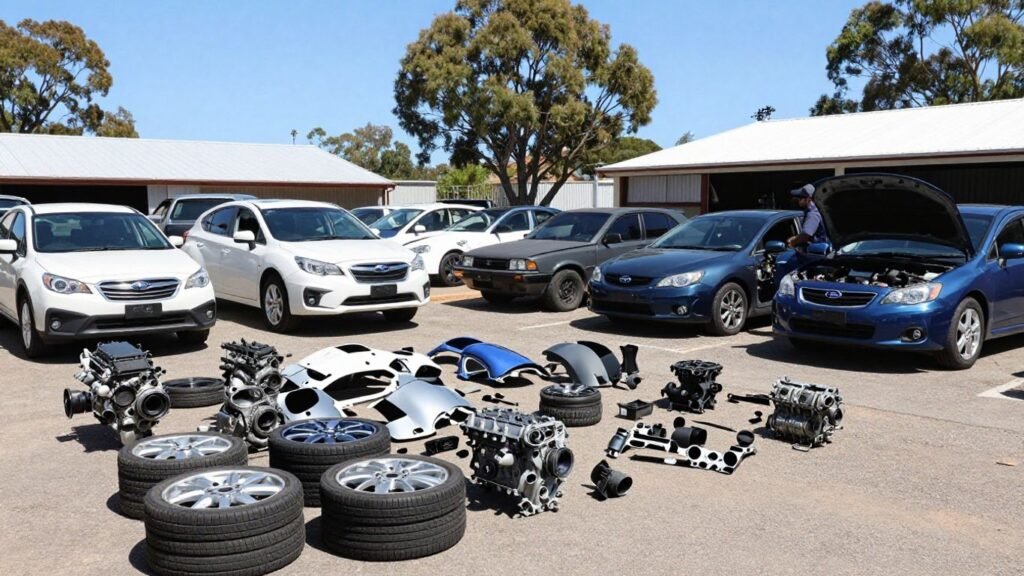
Key Takeaways A careful search makes it easier to find suitable used Subaru parts, sell an unwanted vehicle fairly and avoid compatibility surprises. Used Subaru parts can be a cost-conscious alternative to new replacements. Model year, engine, transmission and drivetrain details should be confirmed before buying. Local Adelaide wreckers may offer collection, towing and practical parts advice. A vehicle’s condition, paperwork and reusable components can affect its valuation. Licensing, warranties, returns and clear communication are useful signs of a reliable supplier. Understanding Subaru wreckers in Adelaide Subaru wreckers dismantle unwanted, damaged or end-of-life vehicles and recover components that may still be useful. For Adelaide owners, this can create a practical source of parts for repairs, restoration and routine maintenance. The phrase Subaru wreckers Adelaide South Australia – all models covers a broad search, but the right part still depends on the exact vehicle specification. A little preparation before contacting a yard can save time and prevent an incorrect purchase. What Subaru wreckers do A wrecker assesses a vehicle, removes usable components and separates materials that can be recycled or disposed of appropriately. Recovered items may include mechanical parts, body panels, interior fittings, wheels and electrical components. Stock changes constantly because vehicles arrive and are dismantled at different times. The most useful service is often helping a customer identify whether a particular component is suitable for their Subaru. How the vehicle dismantling process works The process generally begins with an inspection of the vehicle and a decision about which parts are worth recovering. Fluids, batteries and other hazardous materials need careful handling before dismantling continues. Components are then removed, assessed and stored, while metals and other remaining materials move into recycling or disposal streams. Responsible part recovery keeps the process focused on safety, reuse and proper material handling rather than simply reducing a vehicle to scrap. Used parts versus aftermarket replacements A genuine used component comes from another vehicle, while an aftermarket replacement is made by a separate manufacturer for a stated application. Used parts may retain the original design and factory fit, although their condition and history need to be checked. Aftermarket parts can be useful where availability, price or a new component is the priority. The better choice depends on the part, the repair standard required and the information supplied by the seller. Why local wreckers can be a practical choice An Adelaide wrecker may be convenient when a part needs to be inspected, collected or matched with a vehicle in person. Local contact can also make it easier to discuss symptoms, compare photographs and arrange delivery within South Australia. Not every yard will carry every specification, so availability should be confirmed rather than assumed. For larger items, asking about packaging and transport early can avoid an unexpected delay. The cheapest part is not always the lowest-cost repair if it does not fit, arrive safely or last as expected. That principle is especially useful when comparing a nearby used component with a new replacement from elsewhere. Price matters, but suitability and after-sales support matter too. Subaru models commonly handled by Adelaide wreckers Adelaide wreckers may handle a wide spread of Subaru vehicles, from older passenger cars to newer SUVs and performance models. The same model name can cover several generations, engines and body styles, so a general request may not be enough. Supplying the vehicle identification number or detailed specifications usually gives the parts search a better starting point. The following model groups are common reference points when beginning that conversation. Subaru Impreza and WRX parts Impreza and WRX components can vary significantly according to generation, trim level and performance specification. Customers may ask about engines, gearboxes, suspension, body panels, lights, seats or electronic modules, but each item needs individual confirmation. WRX parts should not automatically be treated as interchangeable with standard Impreza parts. A wrecker can check the donor vehicle and compare the requested component with the buyer’s details. Subaru Forester parts Forester parts are often sought for engines, transmissions, suspension, steering, doors, mirrors and interior components. Differences between naturally aspirated and turbocharged versions can affect compatibility, as can changes between generations. SUV equipment may also vary with trim and drivetrain configuration. Giving the build year and engine details helps narrow the search before a price is discussed. Subaru Outback parts Outback owners may look for replacement bodywork, cooling components, drivetrain parts, electrical items or cabin fittings. The Outback has been produced across multiple generations, with changes in engines, transmissions and safety equipment. A part that appears visually similar may still use different connectors or mounting points. Photographs, part numbers and the vehicle’s full details are useful when checking an older or less common component. Subaru Liberty and Legacy parts Liberty and Legacy parts can be especially specification-sensitive because age, market and drivetrain options vary. Items such as dashboards, lights, control modules and suspension components may differ even between closely related years. A good enquiry includes the body style, approximate build date and whether the car is manual or automatic. That information gives the yard a clearer basis for checking stored inventory. Subaru XV, BRZ and other models Wreckers may also receive XV, BRZ, Levorg and older or less frequently seen Subaru models. These vehicles can have more limited local availability, making accurate identification even more important. Parts may sometimes be sourced through broader industry networks, but timing and freight should be confirmed. It is sensible to ask whether the item is physically in stock or still being located. Finding the right used Subaru parts Finding a component is only the first step; confirming that it belongs on the intended vehicle is just as important. Subaru parts can look alike while differing internally, electronically or in their mounting hardware. A careful enquiry includes the vehicle details, the failed part and the repair purpose. This approach reduces the risk of buying something that cannot be installed without further modification. Matching parts by model year and generation Start with the build year rather than relying only on the registration

Used Subaru engines in Mandurah—your guide to local pickup or delivery
Blog

Used Subaru engines in Mandurah—your guide to local pickup or delivery

Key Takeaways A used engine can be a sensible way to return an older Subaru to the road, but the match and inspection matter as much as the asking price. Confirm the engine code, vehicle year, drivetrain, and transmission before buying. Ask for mileage, donor vehicle details, testing information, and warranty terms. Compare the engine price with labor, fluids, seals, and installation parts. Choose pickup or delivery based on safe handling, timing, and your location. Have the replacement inspected and checked carefully before installation and startup. Why a used Subaru engine can be a practical replacement A failed engine does not always mean the whole vehicle has reached the end of its useful life. If the body, interior, suspension, and electrical systems remain in good condition, a suitable replacement may cost less than replacing the car. The decision depends on the engine fault, the vehicle’s value, and the full installed cost rather than the bare engine price alone. When replacing the engine makes more sense than repairing it Repairing an engine can be worthwhile when the damage is limited and the cylinder head, block, or crankshaft can be restored economically. Replacement becomes more attractive when several major components are damaged, machining is required, or the repair estimate keeps growing. An honest comparison should include diagnostic time, machine work, parts, and the risk of finding additional damage after disassembly. The vehicle’s condition should guide the choice too. A well-maintained Subaru with a sound transmission and straight body may justify a used engine, while rust, electrical faults, and neglected maintenance can make a replacement difficult to justify. Common symptoms of serious engine failure Knocking, persistent low oil pressure, heavy smoke, coolant loss, and repeated overheating deserve prompt attention. A vehicle that cranks without starting may have an engine problem, but it could also have a fuel, ignition, timing, or sensor fault, so diagnosis should come before ordering a replacement. Metal in the oil or coolant mixed with oil can point to internal damage, although testing is still needed to identify the cause. Pay attention to changes that appeared together. Overheating followed by white exhaust, for example, calls for cooling-system and compression checks rather than a guess based on one symptom. Benefits of choosing a tested used engine A tested used engine may offer a quicker path to repair than rebuilding a severely damaged unit. It can also give the installer a known starting point when the seller provides mileage, donor information, test results, and clear warranty conditions. The complete condition matters more than a low odometer figure by itself, since storage, maintenance, and the engine’s previous use all affect its value. A replacement can be particularly practical when the rest of the car has a service history worth preserving. Still, “tested” should be treated as a description to verify: ask what was checked, when it was checked, and whether the results are recorded. Potential risks and limitations to consider Used engines are not new engines, and their remaining service life cannot be known with certainty. A donor unit may have wear that is not obvious during a brief inspection, or it may require sensors, covers, accessories, or brackets from the original engine. Compatibility errors can also create expensive delays after delivery. The safest approach is to reduce uncertainty before payment. Confirm the identification details in writing, understand what is included, and avoid treating a warranty as a substitute for checking the engine’s condition and fit. How to match the right engine to your Subaru Matching an engine involves more than choosing a model name from a listing. Subaru vehicles can vary by year, generation, market, drivetrain, transmission, emissions equipment, and engine specification. Collect the vehicle details first, then have the seller verify the proposed engine against them. The following checks help prevent an apparently inexpensive purchase from becoming a conversion or modification project. Confirming the model year and generation Start with the registration details, build information, and exact model designation. A Forester, Impreza, Outback, Legacy, or WRX can have different engines across nearby model years, and a facelift may change important components. Do not rely on body styling or a seller’s broad model description when identifying the replacement. Record the current engine’s visible markings and compare them with the vehicle documents. If the car has previously been modified or its engine has already been replaced, the original factory specification may not describe what is currently installed. Comparing engine codes and specifications The engine code is usually more useful than a general description such as “2.0-litre” or “turbo motor.” Compare the code, displacement, induction setup, cylinder-head arrangement, sensor locations, intake and exhaust connections, and accessory layout. Small differences can affect wiring, control modules, cooling plumbing, and installation time. Ask for photographs of the identification markings and the engine as a whole. A written match should state whether the unit is intended as a direct replacement or whether parts from the existing engine must be transferred. Checking transmission, drivetrain, and emissions compatibility The replacement must work with the vehicle’s transmission and drivetrain arrangement, including the way the engine connects to the gearbox, mounts, sensors, and control systems. All-wheel-drive configurations can make compatibility especially sensitive because a mismatch may affect more than the engine bay. Emissions equipment and market-specific components should also be checked before purchase. A seller or installer should be able to identify any included and excluded parts. If the quote assumes reuse of the original intake, exhaust, wiring, or accessories, that assumption should be stated rather than left to discovery during installation. Using the vehicle identification number for verification The vehicle identification number gives the seller and installer a consistent reference for confirming the car’s build and specification. Provide the full VIN, not only the model badge, and ask the seller to record the compatibility check on the quote or invoice. This creates a useful paper trail if questions arise later. VIN verification does not replace inspection of the engine itself. It confirms the vehicle being matched, while the engine code,

Subaru wreckers Perth WA: Used parts for Impreza, Forester, Outback, Liberty and WRX
Blog

Subaru wreckers Perth WA: Used parts for Impreza, Forester, Outback, Liberty and WRX

Key Takeaways Used Subaru parts can make repairs more affordable while keeping genuine components in service. Careful identification, condition checks and responsible recycling help make the process safer and more dependable. Compare used parts with new and aftermarket options before buying. Match every component to the vehicle’s year, generation, engine and trim. Use the VIN and OEM number to reduce fitment mistakes. Ask about condition, testing, warranty terms and returns. Recycle unwanted vehicles responsibly so usable parts can be recovered. Why choose Subaru wreckers in Perth WA A vehicle dismantler can be a practical starting point when a repair does not justify the cost of a new component. Perth buyers may find genuine used parts from vehicles that are no longer on the road, including older generations. The process still calls for care, but a little preparation can make the search much easier. Cost savings compared with new Subaru parts Used parts are often considered because they can reduce the cost of a repair without automatically requiring a lower-quality substitute. The final price depends on the component, its condition, demand and availability, so comparing like-for-like parts remains sensible. Check the complete price rather than judging only the listed part value, since delivery and installation may affect the total. The saving is most useful when the replacement is a straightforward fit and the part’s condition is clearly described. For safety-critical components, have the finished repair inspected by a qualified mechanic. Access to discontinued and hard-to-find components Older vehicles can be difficult to maintain when a particular trim piece, switch or body fitting is no longer commonly stocked. Wrecking yards may hold components from vehicles dismantled over several years, giving owners another avenue to investigate. Availability is never guaranteed, so supplying precise vehicle details is essential. A part that looks similar may still differ by generation or trim. Ask for photographs and identification numbers before committing to a purchase. Reusing genuine parts to reduce automotive waste Dismantling gives serviceable components another useful life instead of sending an entire vehicle directly to disposal. Engines, panels, interior fittings and smaller hardware may all be assessed for possible recovery, depending on their condition. This approach can reduce unnecessary demand for replacement manufacturing while keeping repairable vehicles on the road. Responsible recycling also involves draining fluids, handling batteries correctly and separating materials through suitable channels. The environmental benefit depends on proper dismantling rather than simply moving an unwanted car elsewhere. When used parts are a better choice than aftermarket alternatives A used original component can make sense when appearance, mounting points or factory specifications matter more than having a brand-new part. This is particularly relevant for matching body colour, interior trim or a discontinued fitting. Aftermarket parts may still suit some repairs, but compatibility and finish should be compared carefully. The best choice depends on the vehicle, the part and the repair’s purpose. A mechanic can help decide whether a used, new or aftermarket component is appropriate for the job. Subaru models and parts commonly available Perth wreckers may handle a changing mix of vehicles, so stock varies from one day to the next. The models named in this guide cover common searches, but the exact component still needs to be matched carefully. A clear request is more useful than a broad description such as “parts for an older Subaru.” Subaru Impreza parts for everyday repairs and upgrades Impreza owners commonly search for replacement lights, mirrors, doors, interior pieces, suspension components and engine-bay fittings. A wrecker may also be worth contacting for smaller hardware that is difficult to source separately. Model year and body style should be included because similar-looking parts can vary. For an upgrade, confirm that the donor component suits the existing systems rather than assuming it will bolt straight on. Photographs, OEM numbers and mechanic advice can prevent an expensive mismatch. Subaru Forester engines, panels and interior components Forester searches often involve engines, transmissions, doors, guards, bumpers, seats and dashboard trim. These vehicles span several generations, and equipment can differ significantly between variants. Ask whether a major mechanical part has been tested and what history is known about it. Panels should be checked for dents, corrosion, colour differences and damaged mounting points. Interior parts also benefit from photographs that show wear, stains and broken clips. Subaru Outback parts for touring and family vehicles Outback owners may need practical replacement items such as tailgates, roof fittings, lights, seats, suspension parts or cargo-area trim. Touring use can make condition especially relevant, since wear may be concentrated around hinges, storage areas and load points. The correct year and body generation should be supplied with every enquiry. For family vehicles, inspect seatbelts, airbags and other restraint-related equipment through a qualified professional. Do not assume that a used safety component is suitable without proper verification. Subaru Liberty parts across multiple generations Liberty parts can be harder to identify when several generations share similar names but use different fittings. A request should include the build year, body style, engine and side of the vehicle. This helps a yard search its inventory without relying on appearance alone. Exterior trim, mirrors, switches and suspension pieces may be available even when a complete assembly is not. Confirm whether the quoted item includes brackets, wiring, fasteners or other attached pieces. Subaru WRX performance and drivetrain components WRX enquiries often focus on drivetrain components, wheels, brakes, suspension and engine-related parts. Performance use can place greater demands on these items, so condition and provenance deserve direct questions. A low price does not replace the need to verify wear, damage and suitability. Modified vehicles require extra caution because the original specification may already have changed. Have a specialist inspect important drivetrain or braking components before installation and use. How to find the right used Subaru part Correct identification is the foundation of a successful used-parts purchase. Names such as “front assembly” or “automatic gearbox” may describe several different items, and a small variation can prevent installation. Gather the vehicle details before contacting a yard, then

Subaru Outback wreckers Toowoomba – second hand parts: a practical guide to finding reliable replacements
Blog

Subaru Outback wreckers Toowoomba – second hand parts: a practical guide to finding reliable replacements

Key Takeaways Buying second-hand Subaru Outback parts is easier when you confirm the vehicle details, compare total costs, and check the part before installation. Record the Outback’s model year, generation, trim, engine, and drivetrain. Ask wreckers about testing, condition, mileage, warranties, and returns. Match part numbers and VIN details before paying for a replacement. Include freight, fitting, removal, and possible refurbishment in the budget. Use a qualified technician for engines, transmissions, electrical systems, and safety-related parts. Understand your Subaru Outback’s second-hand parts needs A Subaru Outback can change substantially between model years, even when the body shape looks familiar. Before contacting a wrecker, identify the exact vehicle and the part that has failed. A few minutes spent gathering details can prevent an expensive mismatch and reduce back-and-forth calls. Identify the model year, generation, and trim Start with the build year, compliance date, generation, body style, and trim level. Note whether the vehicle is a wagon or another configuration, and record features such as a sunroof, powered tailgate, eyesight equipment, or a premium audio system where relevant. These details can affect panels, interior pieces, wiring, lights, and control modules. The registration documents may provide some of this information, but the vehicle identification number is usually the most useful reference. Take clear photographs of the damaged part and its mounting points as well. A wrecker can use those details to search more accurately than a description such as “the rear light” or “the dashboard trim.” Match engines, transmissions, and driveline components Mechanical parts require closer matching than many cosmetic items. Confirm the engine designation, transmission type, drive configuration, and whether the replacement is intended for the same generation. Differences in sensors, wiring, mounting brackets, gear ratios, and electronic controls can make an apparently similar engine or gearbox unsuitable. Ask for the donor vehicle’s details, recorded mileage, and any available testing or refurbishment information. For a used engine or transmission, clarify which accessories are included and which components will need to be transferred from the original unit. That distinction can materially change the labour involved. Compare mechanical, electrical, and body-part requirements Separate your shopping list into mechanical, electrical, body, and interior categories. Mechanical parts often need evidence of operation and wear, while body panels need careful attention to colour, dents, corrosion, and mounting tabs. Electrical components should be assessed for part numbers and communication requirements rather than appearance alone. This approach also helps you decide whether a used part is sensible. A clean door mirror or trim panel may be a straightforward purchase, whereas a braking, steering, restraint, or engine-control component deserves more rigorous verification. The cheapest part is not always the cheapest repair once fitting and troubleshooting are included. Check compatibility before contacting a wrecker Write down the VIN, registration details, build date, engine code, transmission type, and the original part number if it is visible. Include left or right side, front or rear position, colour, and any useful photographs. If the part is already removed, photograph every connector, bracket, and label before discarding it. A concise request gives the supplier enough information to check stock and provide a meaningful quote. It also makes it easier to compare two offers on the same basis, rather than comparing a complete assembly with a bare component. Find reputable Subaru Outback wreckers in Toowoomba Finding Subaru Outback wreckers Toowoomba – second hand parts is only the beginning; the supplier’s process matters just as much as the advertised price. A good wrecker should explain what is available, what has been checked, and what is covered after the sale. Local collection can be convenient, but delivery and broader sourcing may matter when a particular Outback variant is uncommon. What to look for in a local auto wrecker Look for clear descriptions, practical answers, and a willingness to confirm fitment before taking payment. A professional operation should be able to identify whether a part is used, refurbished, or new, and should explain its grading in plain language. Photos of the actual item are more useful than generic catalogue images. South West 4WD Wreckers describes its Toowoomba operation as supplying used and refurbished parts, with second-hand items including panels, batteries, racks, and alternators. If you contact the business, ask it to confirm current availability rather than assuming an item shown online is still on the shelf. When to choose a Toowoomba supplier or interstate provider A Toowoomba supplier may be the practical choice when you need to inspect a panel, collect a bulky item, or avoid freight delays. An interstate provider can be worthwhile when the local stock does not match the vehicle or when a rare component needs a wider search. Compare the delivered price and expected arrival date, not just the advertised part price. South West 4WD Wreckers states that it ships Australia-wide and can use a national network to help locate rare or discontinued parts. That documented sourcing option can be useful for an older Outback, although the final fitment still needs to be confirmed for the individual vehicle. How vehicle sourcing affects part availability Wrecker inventory changes as donor vehicles arrive and are dismantled. A part may be unavailable today but appear later from a matching vehicle, while a commonly requested item may sell quickly. Availability is also shaped by the condition of the donor car and by whether the supplier dismantles complete vehicles or sources through other yards. Ask whether the quoted part is physically in stock, awaiting removal, or being located through another supplier. For a discontinued or unusual component, give the wrecker permission to suggest a compatible alternative only after the specifications have been checked. Questions to ask about testing, grading, and warranties Before agreeing to buy, ask how the part was tested, whether its mileage is known, and whether it has been repaired or refurbished. Confirm what the warranty covers, how long it lasts, and whether labour, freight, or diagnostic costs are excluded. Also ask how a return or exchange is handled if a qualified technician finds a fitment problem.

Scroll to Top