Key Takeaways
Finding the right salvage partner involves understanding local availability and rigorous vetting of their business practices. These key points summarize how to navigate the process effectively:
- Locating a salvage yard nearby saves significantly on freight costs for heavy vehicle components.
- Verifying business licenses ensures you are dealing with a legitimate and responsible operator.
- Always confirm part numbers correlate directly to your vehicle’s specific production year and model specs.
- Inspecting physical conditions of salvage parts prevents the inconvenience of repeat returns and delays.
- Obtaining professional installation estimates helps balance out the overall cost of maintenance and repairs.
Benefits of choosing local Subaru XV wreckers in Geelong
Selecting a nearby salvage yard for your maintenance needs offers a clear logistical advantage. By sourcing components within your immediate geographic area, you minimize downtime and avoid the complexities of freight logistics. This proximity allows for a more personal level of service when searching for a compatible component for your specific vehicle.
Fast access to affordable recycled spare parts
When your vehicle requires urgent attention, local yards prove their worth by providing immediate availability of components. You can physically visit the location, verify the component’s state, and take it with you without waiting for transit. This efficiency is critical for maintaining an operational daily driver without forcing reliance on expensive new inventory.
Reducing your environmental footprint through recycling
Reuse serves as a powerful tool in sustainability by extending the lifecycle of manufactured materials. Purchasing recycled items prevents functional steel, aluminum, and plastic components from entering waste streams prematurely. This intentional choice supports a circular economic model while keeping high-quality parts in service.
Avoiding long-distance shipping costs on heavy components
Large mechanical items like engines or transmission housings are notoriously expensive to move across state lines. Maintaining a relationship with a nearby facility eliminates these heavy surcharges completely. This local approach to procurement ensures your budget stays focused on the quality of the part rather than shipping fees.
Evaluating the reputation of local car wreckers
Establishing confidence in a provider is a crucial step before entering any transaction. A reputable business will have a demonstrated track record of reliability within the local community. Researching their history helps you avoid common pitfalls and ensures the parts you purchase are sourced ethically.
Checking online customer reviews and ratings
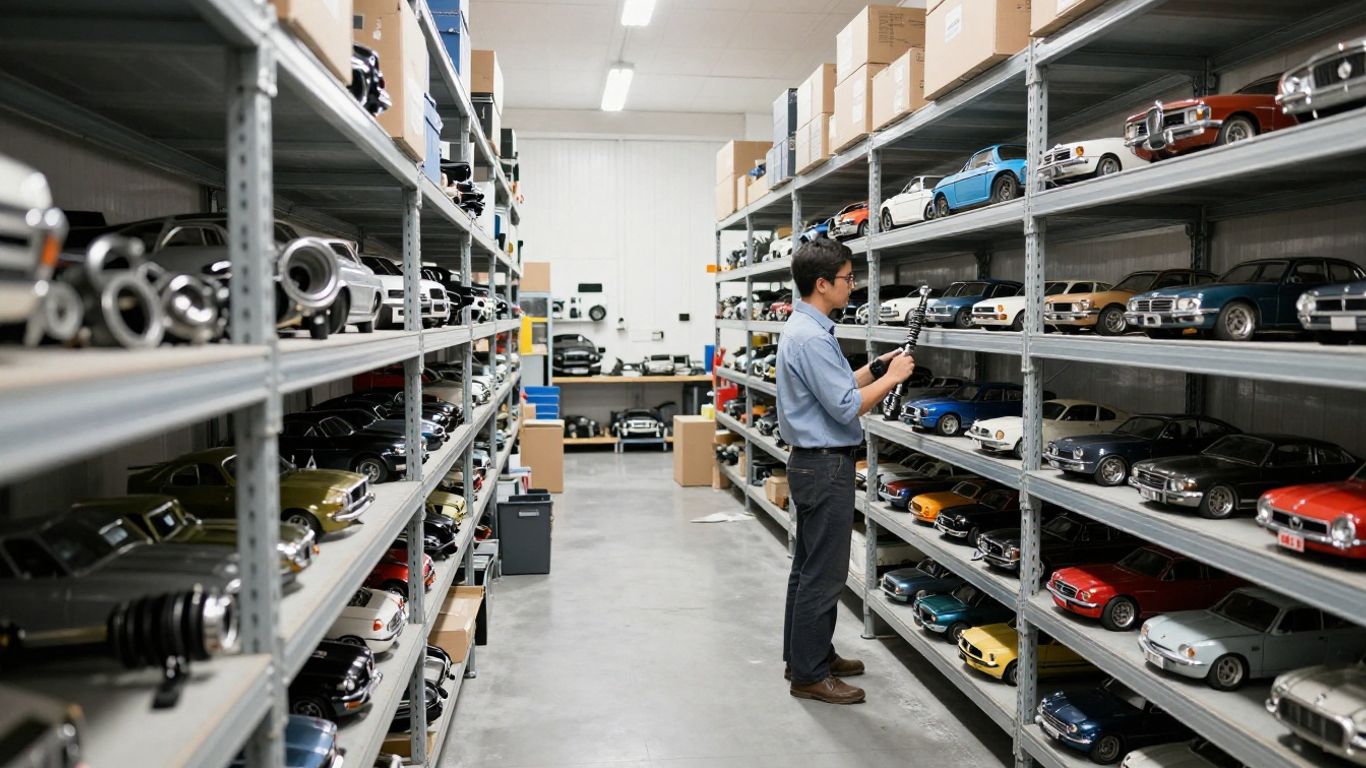
Consumer feedback provides a snapshot of how a facility manages its operations and customer relations. Looking for patterns in reviews helps you gauge the consistency of the service provided to others. While individual experiences vary, a strong history of positive interactions is a good indicator of their professionalism.
Verifying certifications and business licenses
Professional salvage operators should maintain valid documentation that complies with regional regulations. A licensed business must follow safe processing and environmental protocols for vehicle fluids and materials. Checking for these credentials confirms that the establishment functions lawfully and maintains high standards for their workspace.
Looking for industry experience with Subaru models
Familiarity with specific brand architecture simplifies the process of dismantling a vehicle correctly. Operators experienced with the Subaru XV understand the common wear patterns and technical requirements of these specific models. This expertise ensures they accurately catalog components and offer well-informed advice on compatibility for your repair.
How to source specific Subaru XV parts
Precision in your initial request dictates how smoothly your repair project progresses. Relying on accurate data from the start mitigates the risk of receiving an incompatible component. Taking the time to gather manufacturer details pays off when it comes time for physical installation.
Identifying the exact part number or OEM code
Every vehicle carries unique identification codes on its individual parts that should be matched exactly. Referencing original manufacturer catalogs ensures the component you receive aligns with the exact specifications your mechanic requires. This attention to detail prevents delays caused by minor differences in production runs or trim levels.
Inquiring about warranty and return policies on used items
Even with thorough screening, it remains prudent to understand what protections are offered on salvaged inventory. A transparent business will state their terms for hardware failure or incompatibility upfront. Confirming these policies in writing provides clarity regarding your options should a part not perform as expected.
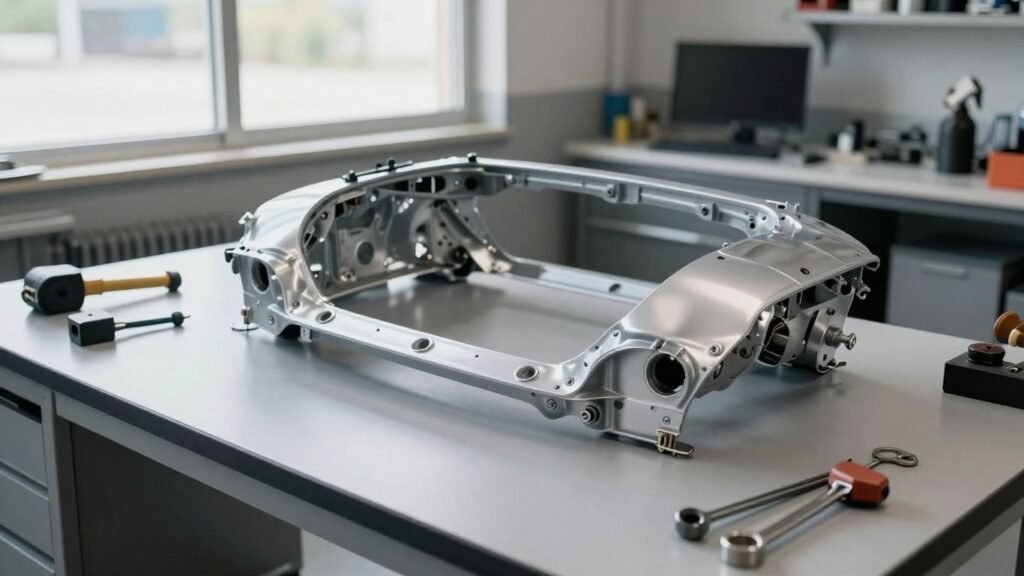
Inspecting the physical condition of salvage parts
Before finalizing a purchase, examining the item proves helpful in assessing its remaining lifespan. You should look for clean connections and intact seals on every used component. The following table illustrates some specific aspects our customers commonly check before they commit to a purchase decision.
| Inspection Point | What to Look For | Significance |
|---|---|---|
| Surface Finish | No deep corrosion | Structural integrity |
| Thread Quality | Clean and smooth metal | Ease of assembly |
| Seal Integrity | No signs of leaks | Long term reliability |
Conducting this level of due diligence ensures that your investment provides sustained value rather than temporary fixes for your vehicle.
Selling your damaged Subaru XV for cash
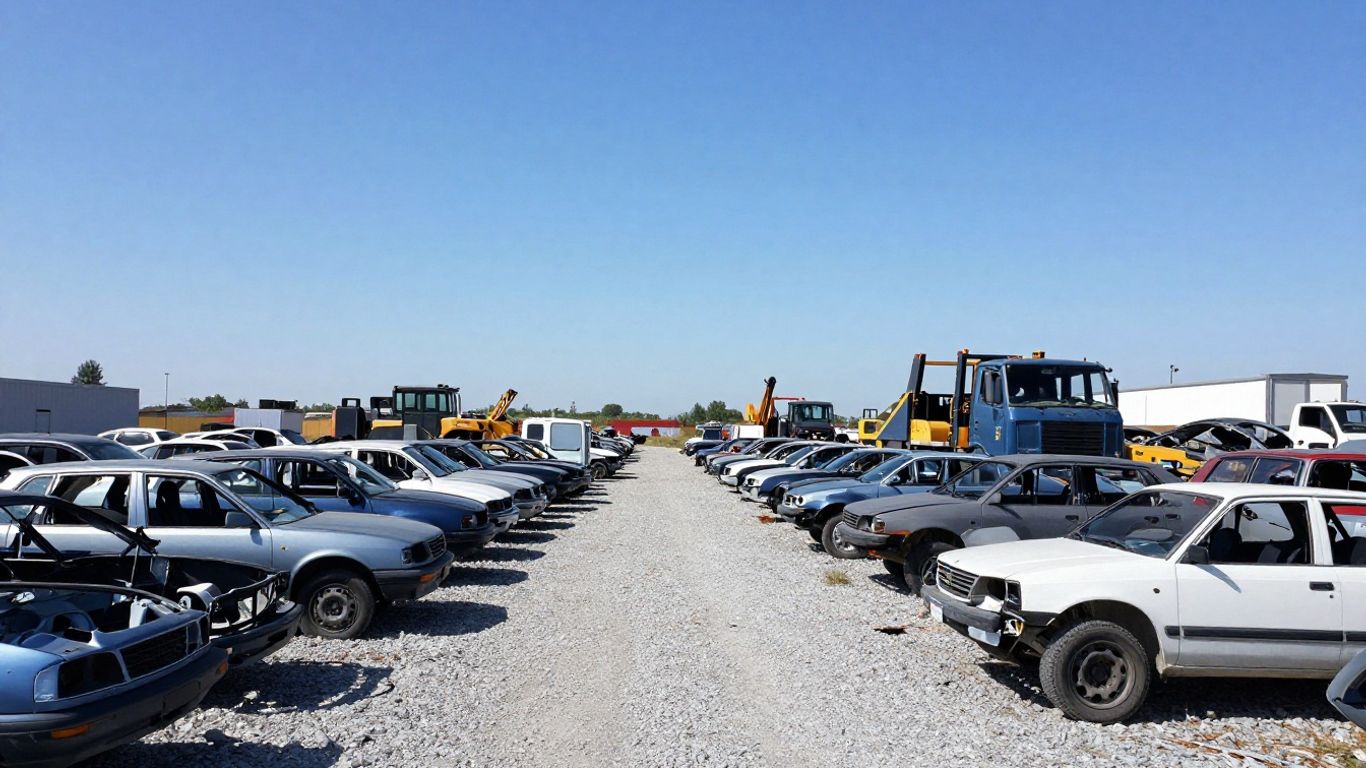
If your vehicle has reached an stage where repair is no longer the most economical choice, selling the salvage can provide surprising financial relief. Local wreckers often view even damaged frames as valuable sources of usable steel or parts. This transition turns an idle driveway ornament into immediate capital for your next vehicle purchase.
Getting accurate quotes based on current market values
Transparent wreckers will calculate their offer by analyzing the current demand for usable components available on your specific chassis. They take into account the year, condition, and model variation to provide fair compensation. It helps to contact multiple providers to understand the fair market price range for your vehicle’s current state.
Understanding the documentation required for vehicle handover
Each state has specific legal formalities for transferring vehicle ownership or proof of disposal. Ensure you know the exact paperwork needed to release the title and clear your name of future liability. Proper preparation of these documents accelerates the entire hand-over process significantly.
Arranging safe and efficient vehicle removal
Logistics for non-running vehicles require specialized equipment that a professional salvage service should provide as part of their service package. Confirming that the pickup process includes compliant towing equipment prevents hazards in your own garage or parking area. A professional extraction team handles the recovery without damaging surrounding property or infrastructure.
Comparing pricing and savings
Financial prudence often leads owners to consider salvaged alternatives versus expensive dealer-sourced components. The savings can be significant when you consider the cost of new parts versus the value of a pre-owned one. Intelligent buyers use this price gap to keep their maintenance costs predictable.
Why used parts are cheaper than dealership alternatives
Market-recycled inventory avoids the overhead costs associated with new retail distribution, packaging, and branding taxes. Because these items have cleared their initial depreciation upon first installation, you save money without necessarily sacrificing functional performance. This price difference allows for more room in your budget for other essential repairs.
Negotiating prices for bulk purchases
Sometimes small components are needed all at once, providing an opportunity to discuss pricing with the facility manager. Establishing a relationship where you source multiple items might qualify you for better overall rates compared to single-item purchases. Being polite and clear about your goal helps in building professional rapport.
Factoring in potential professional installation costs
While the part might be affordable, you must always audit the total bill by adding the time required for expert labor. Some salvage items arrive with brackets or sensors that require specific tools for proper integration into your Subaru XV. Planning for this labor cost prevents budget surprises when you finally get the car back from the workshop.
Identifying red flags when dealing with wreckers
Watching for warning signs protects you from deceptive practices and ensures your time is respected. A professional, legitimate salvage business prioritizes clarity and open dialogue throughout the transaction. If you feel hesitant, trusting your instincts remains a reliable way to avoid setbacks during the search process.
Unprofessional communication channels
Reliability often begins before you even visit the yard. If the business is difficult to reach or refuses to answer questions about their inventory, this creates a barrier to efficient service. Clear, consistent responses regarding parts availability generally mirror the quality of the business overall.
Lack of transparency regarding part history
Understanding where a part came from, especially in terms of mileage or general history of the donor vehicle, helps you assess its longevity. A business that obscures the source of their stock or avoids discussing maintenance history should be approached with extreme caution.
High-pressure sales tactics or unclear fee structures
Businesses that insist on immediate deposits without allowing time for a proper physical verification of the item do not operate in your best interest. True professionals understand the importance of confident, informed decisions and will never use pressure to secure a sale.
Maintaining a focus on clear communication and ethical business dealings ultimately leads to a better outcome for all parties involved in the salvage process.
Conclusion
Securing parts or selling salvage vehicles through a reputable local partner can be a streamlined, cost-effective process when approached with standard research and caution. By prioritizing professional transparency, inspecting assets for clear quality indicators, and understanding the logistics of vehicle removal, you ensure that your Subaru XV receives the attention it needs while keeping your maintenance budget well-managed. Consistent communication and a cautious evaluation of service providers will help you build lasting relationships with local shops, ultimately making the care of your vehicle more predictable and efficient for years to come.




