
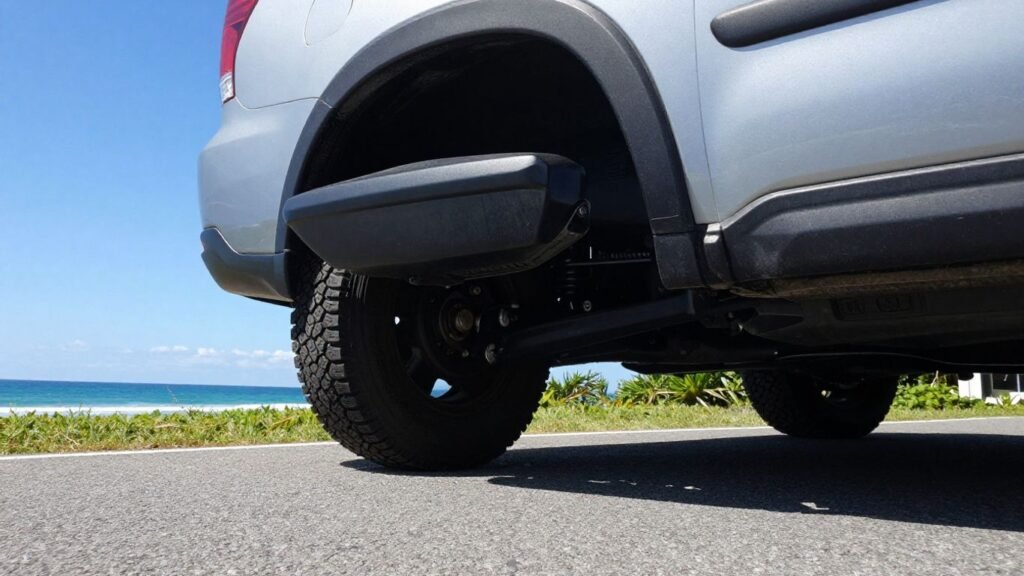
Key Takeaways
Maintaining the drivetrain is essential for the longevity of your Forester, but finding parts does not always require purchasing new items from the dealership. Here are the core concepts to keep in mind when sourcing salvaged components:
- Drivetrain health relies on the proper function of differentials and axle joints.
- Recycled parts offer significant financial relief compared to brand-new components.
- Always inspect used parts for physical wear and structural integrity before installation.
- Compatibility varies widely between generations of Subaru vehicles.
- Professional installation and fluid flushes help ensure the longevity of salvaged hardware.
Understanding Subaru Forester drivetrain components
The drivetrain of a Subaru Forester is engineered to provide constant power delivery to all four wheels through a sophisticated network of drive shafts and differential units. Understanding how these mechanical segments interface allows owners to better diagnose issues as they arise during daily driving. When these systems operate in harmony, the handling remains stable and predictable across various road surfaces.
Primary functions of the differential
The differential acts as the critical bridge within your transmission system, allowing wheels to rotate at different speeds during turns while receiving equal power delivery. Without a functional differential, the vehicle would struggle to negotiate even gentle corners without severe tire scrub and handling instability. This component must remain well-lubricated to manage the constant heat generated by mechanical friction during high-speed operation.
Common failure signs in axles and CV joints
Axle issues usually announce themselves through distinct, rhythmic clicking noises that intensify as you steer the vehicle through sharp turns. If you feel sudden vibrations through the steering wheel or the floorboards while accelerating, it often signals that the CV joints have lost their protective grease seal. Ignoring these signs can lead to a complete loss of power transfer to the wheels, leaving the vehicle stranded.
Navigating compatibility across Subaru model years
Subaru frequently updates engineering specifications, meaning a part that fits a specific model year might not integrate with a slightly older or newer vehicle. You must verify part numbers and transmission types precisely before committing to a purchase. Attempting to force an incompatible part into the drivetrain can permanently damage surrounding housing or mating hardware.
Benefits of choosing recycled Subaru parts
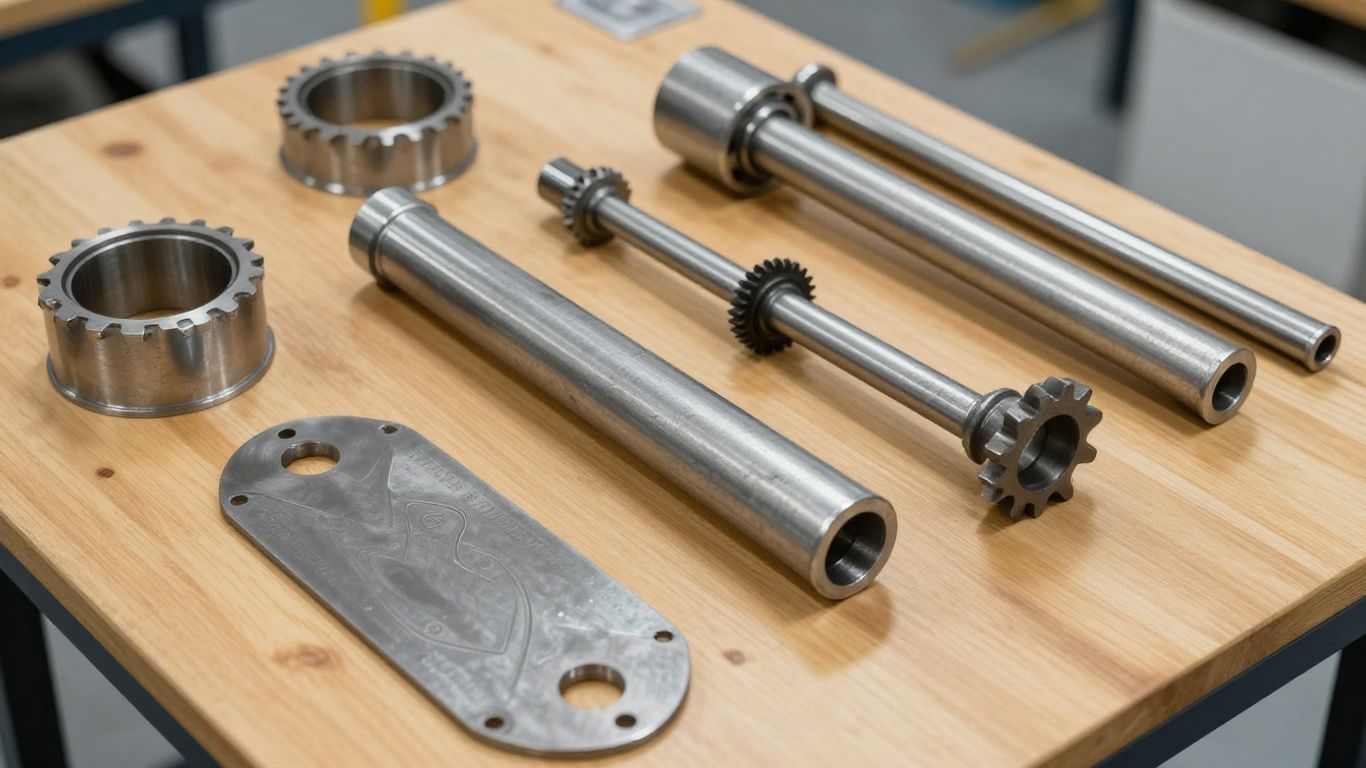
Choosing recycled hardware allows vehicle owners to maintain their SUVs on a budget while helping keep functional components out of the waste cycle. This approach provides a practical alternative to sourcing expensive factory-new items that might be marked up significantly by traditional retail channels. Relying on verified salvage yards can lead to finding excellent condition parts at a fraction of the cost.
Significant cost savings versus OEM new parts
Choosing salvaged components frequently results in substantial savings for the budget-conscious owner. When comparing the initial investment for a full differential assembly versus the cost of a new OEM unit, the variance is often enough to cover labor costs for the entire repair process.
| Part Component | Typical Salvage Cost | Estimated Dealer Price |
|---|---|---|
| Rear Differential | $350 | $1,200+ |
| Complete Axle Shaft | $120 | $450+ |
| CV Boot/Joint Kit | $80 | $280+ |
These price differences demonstrate how local sourcing helps keep older foresters on the road without breaking the bank. Owners often find that the capital saved on hardware can be redirected toward critical maintenance items like fresh gear oil or new mounting bushings.
Environmental impact of automotive recycling
Automotive recycling plays an essential role in curbing the waste footprint of the transportation industry. By extending the lifecycle of heavy metal components, we reduce the energy expenditure required to smelt raw materials and manufacture fresh replacements.
Recovering functional units from retired vehicles serves as an effective way to minimize the environmental impact of long-term automotive maintenance.
This sustainable cycle allows the materials already refined in factory environments to continue their service life. Keeping these parts in circulation ensures that fewer resources are pulled from the earth to satisfy the ongoing demand for drivetrain replacements.
Sourcing discontinued parts for older model years
Finding parts for an aging vehicle can be difficult when manufacturers no longer produce replacement units. Salvage yards often become the only viable source for specific brackets, housings, or gear sets that are no longer available on standard distribution lists. This accessibility is the primary reason why many enthusiasts choose to source these reliable mechanical components for their classic projects.
Where to find reputable Subaru parts on the Sunshine Coast
The Sunshine Coast offers various avenues for sourcing parts if you know where to look. Establishing a relationship with local businesses can simplify your search for specific drivetrain pieces. While digital tools assist in the search, local experts remain an invaluable resource for verifying the quality of what you receive.
Identifying local auto dismantlers specializing in Japanese vehicles
Specialized dismantlers focused on Japanese manufacturers are far more likely to have a surplus of inventory for your vehicle. These businesses understand the specific engineering quirks of the brand and can often provide insight into which parts are interchangeable across different models. Visiting or calling these yards allows you to confirm that they have the actual hardware in stock before you make a trip.
Utilizing online marketplaces for salvaged drivetrain components
Digital platforms act as a broad net, allowing you to scan inventory across a wide geographic range without leaving your desk. Many professional wreckers now list their current salvage stock with high-resolution photos and part numbers. This makes cross-referencing your vehicle’s specific requirements much easier than manual searching through physical aisles.
Leveraging local independent mechanic networks for spares
Independent mechanics often maintain their own private supply of spare components gathered from past shop projects or decommissioned customer vehicles. If you have a trusted local technician, asking them about available, quality-tested parts can save you considerable effort. They are often willing to part with these items for a fair price to help another local owner keep their vehicle running smoothly.
Inspecting used differentials and axles before purchase
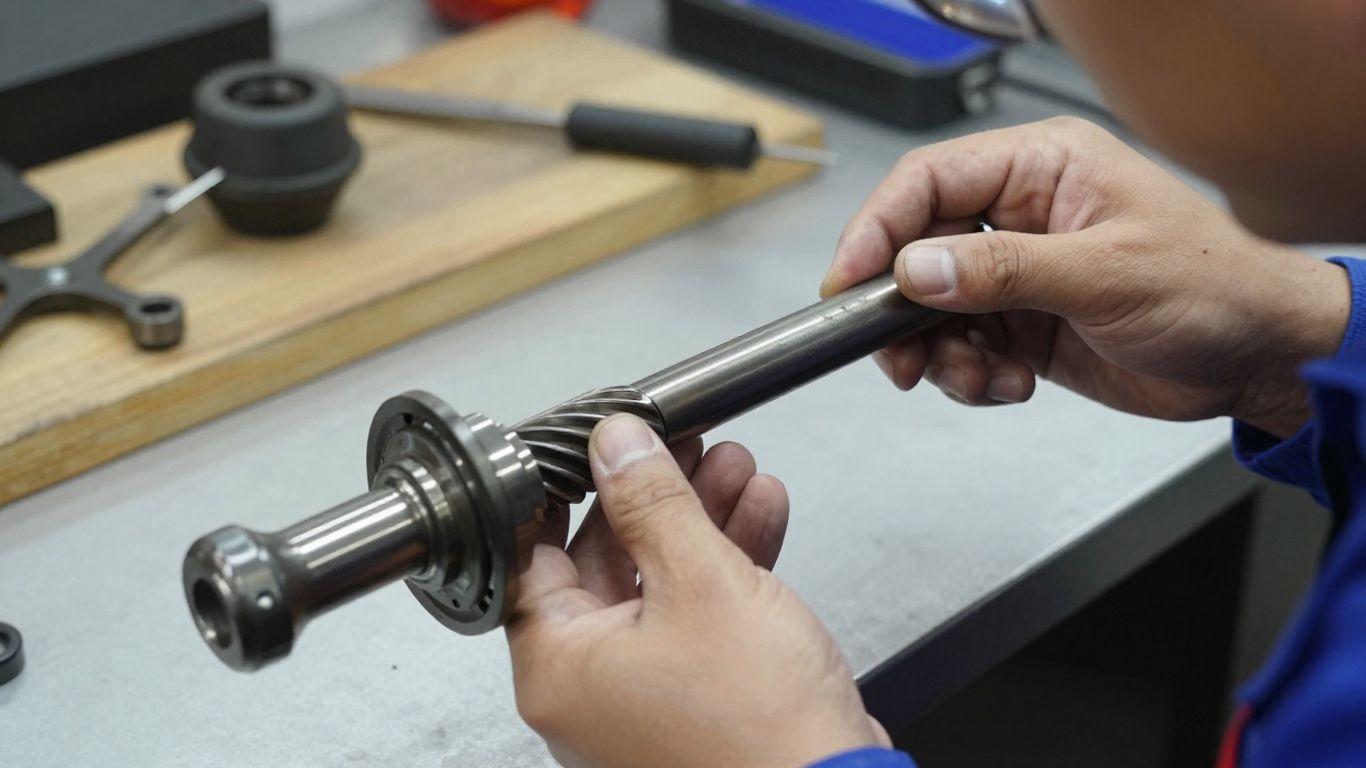
Visual inspection remains your primary defense against installing a faulty unit into your vehicle. Before paying for any salvaged item, you should perform a hands-on assessment to verify its condition. Always look for signs of excessive wear or neglect that point toward a shorter remaining service life.
Detecting play and grinding in axle joints
When holding an axle, rotate the CV joints manually and feel for any resistance or gritty texture. The movement should be fluid, and there should be no perceptible "slop" or rotational play between the spline and the joint body. Any clicking sounds during this manual test indicate the internal cage is already failing.
Assessing differential housing for physical damage
Inspect the exterior housing of any differential for cracks, dents, or signs of heavy impact that could compromise its integrity. Check the oil drain and fill ports to ensure the threads are in good condition and have not been stripped by previous owners. Even a small crack in the casing can result in catastrophic fluid loss once the unit is under load.
Verifying axle spline count and differential gear ratios
Always count the splines on the axle ends to ensure they match your vehicle’s existing configuration perfectly. Furthermore, confirm that the gear ratio of the differential matches your vehicle’s current setup. Installing an mismatched ratio will cause the system to bind or force the transmission to operate incorrectly, potentially leading to immediate mechanical failure.
Installation tips for salvaged drivetrain hardware
A successful swap depends on meticulous attention to detail during the installation process. Simply bolting in a replacement is rarely sufficient to guarantee optimal operation over the long term. Taking the time to perform preventative maintenance during the swap ensures that your "new" part performs as expected.
Essential seals and gaskets to replace during swap
Never reuse old rubber seals during a drivetrain repair, as they are likely hardened or prone to leaking upon reinstallation. Fresh gaskets provide the necessary seal to prevent gear oil from bleeding out onto the driveshaft or differential housing. Replacing these cheap items is a critical insurance policy against future leaks and internal contamination.
Best practices for fluid flushing and refilling
Before mounting a differential, drain any residual factory fluid to clear out old metal shavings or sludge that may have built up during its previous life. Refill the unit with the specific gear oil grade recommended for your Subaru model to ensure all moving parts are properly lubricated. A clean start with fresh fluids is the single most effective way to help a used unit run quietly and efficiently.
Importance of professional alignment after axle replacement
Replacing an axle often disturbs the front or rear suspension geometry, which can lead to rapid tire wear or uneven handling. Once the components are secured, booking a professional wheel alignment is necessary to verify the wheels are tracking straight. This finalized step ensures that your newly installed parts aren’t subjected to abnormal stresses caused by geometry shifts.
Warranty expectations for recycled automotive parts
Understanding what you are purchasing is vital when dealing with salvage parts. Most wreckers offer limited guarantees, but the specifics vary based on the provider’s professional standards. Clarifying these terms before you finalize a transaction gives you peace of mind regarding the risk involved.
Understanding standard coverage from local wreckers
Standard coverage from reputable wreckers usually runs 30 to 90 days, focusing strictly on fundamental mechanical integrity rather than cosmetic appearance. Ask if they offer a replacement policy or a refund if the part is found to be defective shortly after installation. Understanding the exact terms keeps your expectations realistic throughout the repair process.
Documenting part sourcing for mechanical records
Keep a thorough paper trail of your purchase including the receipt, the date of sourcing, and any part numbers recorded. This documentation is useful not only for warranty claims but also for the long-term maintenance history of your vehicle. Future buyers or technicians will appreciate knowing exactly when and how the drivetrain components were replaced.
Identifying test procedures for verifying unit performance
Some organized salvage yards perform bench tests on transmissions and differentials before putting them on the shelf. Ask the attendant about their verification process to confirm if the unit was checked for gear noise or seal leaks. Knowing the unit was pre-tested gives you a significant advantage and reduces the likelihood that you will have to repeat the removal process due to a dud part.
Conclusion
Successfully sourcing and installing used Subaru Forester differentials and axles on the Sunshine Coast is a rewarding way to maintain your vehicle when managed with care and precision. By inspecting parts, verifying compatibility, and taking the time for professional installation, you will find it entirely possible to keep your car performing reliably for many more years while staying well within your budget.




