Author name: Devteam

Subaru wreckers Adelaide South Australia – all models: A complete guide to used parts, sales and recycling
Blog

Subaru wreckers Adelaide South Australia – all models: A complete guide to used parts, sales and recycling

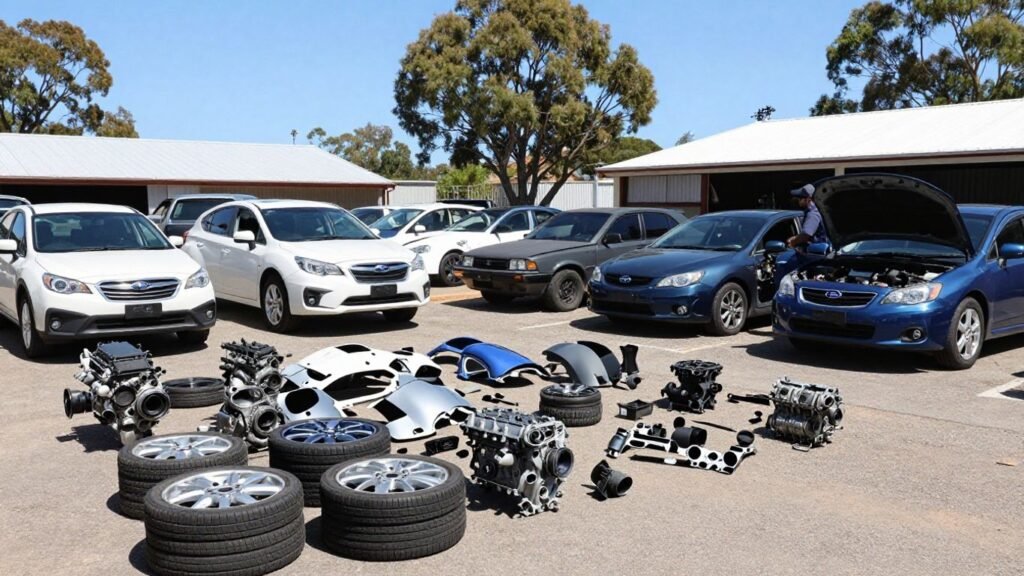
Key Takeaways A careful search makes it easier to find suitable used Subaru parts, sell an unwanted vehicle fairly and avoid compatibility surprises. Used Subaru parts can be a cost-conscious alternative to new replacements. Model year, engine, transmission and drivetrain details should be confirmed before buying. Local Adelaide wreckers may offer collection, towing and practical parts advice. A vehicle’s condition, paperwork and reusable components can affect its valuation. Licensing, warranties, returns and clear communication are useful signs of a reliable supplier. Understanding Subaru wreckers in Adelaide Subaru wreckers dismantle unwanted, damaged or end-of-life vehicles and recover components that may still be useful. For Adelaide owners, this can create a practical source of parts for repairs, restoration and routine maintenance. The phrase Subaru wreckers Adelaide South Australia – all models covers a broad search, but the right part still depends on the exact vehicle specification. A little preparation before contacting a yard can save time and prevent an incorrect purchase. What Subaru wreckers do A wrecker assesses a vehicle, removes usable components and separates materials that can be recycled or disposed of appropriately. Recovered items may include mechanical parts, body panels, interior fittings, wheels and electrical components. Stock changes constantly because vehicles arrive and are dismantled at different times. The most useful service is often helping a customer identify whether a particular component is suitable for their Subaru. How the vehicle dismantling process works The process generally begins with an inspection of the vehicle and a decision about which parts are worth recovering. Fluids, batteries and other hazardous materials need careful handling before dismantling continues. Components are then removed, assessed and stored, while metals and other remaining materials move into recycling or disposal streams. Responsible part recovery keeps the process focused on safety, reuse and proper material handling rather than simply reducing a vehicle to scrap. Used parts versus aftermarket replacements A genuine used component comes from another vehicle, while an aftermarket replacement is made by a separate manufacturer for a stated application. Used parts may retain the original design and factory fit, although their condition and history need to be checked. Aftermarket parts can be useful where availability, price or a new component is the priority. The better choice depends on the part, the repair standard required and the information supplied by the seller. Why local wreckers can be a practical choice An Adelaide wrecker may be convenient when a part needs to be inspected, collected or matched with a vehicle in person. Local contact can also make it easier to discuss symptoms, compare photographs and arrange delivery within South Australia. Not every yard will carry every specification, so availability should be confirmed rather than assumed. For larger items, asking about packaging and transport early can avoid an unexpected delay. The cheapest part is not always the lowest-cost repair if it does not fit, arrive safely or last as expected. That principle is especially useful when comparing a nearby used component with a new replacement from elsewhere. Price matters, but suitability and after-sales support matter too. Subaru models commonly handled by Adelaide wreckers Adelaide wreckers may handle a wide spread of Subaru vehicles, from older passenger cars to newer SUVs and performance models. The same model name can cover several generations, engines and body styles, so a general request may not be enough. Supplying the vehicle identification number or detailed specifications usually gives the parts search a better starting point. The following model groups are common reference points when beginning that conversation. Subaru Impreza and WRX parts Impreza and WRX components can vary significantly according to generation, trim level and performance specification. Customers may ask about engines, gearboxes, suspension, body panels, lights, seats or electronic modules, but each item needs individual confirmation. WRX parts should not automatically be treated as interchangeable with standard Impreza parts. A wrecker can check the donor vehicle and compare the requested component with the buyer’s details. Subaru Forester parts Forester parts are often sought for engines, transmissions, suspension, steering, doors, mirrors and interior components. Differences between naturally aspirated and turbocharged versions can affect compatibility, as can changes between generations. SUV equipment may also vary with trim and drivetrain configuration. Giving the build year and engine details helps narrow the search before a price is discussed. Subaru Outback parts Outback owners may look for replacement bodywork, cooling components, drivetrain parts, electrical items or cabin fittings. The Outback has been produced across multiple generations, with changes in engines, transmissions and safety equipment. A part that appears visually similar may still use different connectors or mounting points. Photographs, part numbers and the vehicle’s full details are useful when checking an older or less common component. Subaru Liberty and Legacy parts Liberty and Legacy parts can be especially specification-sensitive because age, market and drivetrain options vary. Items such as dashboards, lights, control modules and suspension components may differ even between closely related years. A good enquiry includes the body style, approximate build date and whether the car is manual or automatic. That information gives the yard a clearer basis for checking stored inventory. Subaru XV, BRZ and other models Wreckers may also receive XV, BRZ, Levorg and older or less frequently seen Subaru models. These vehicles can have more limited local availability, making accurate identification even more important. Parts may sometimes be sourced through broader industry networks, but timing and freight should be confirmed. It is sensible to ask whether the item is physically in stock or still being located. Finding the right used Subaru parts Finding a component is only the first step; confirming that it belongs on the intended vehicle is just as important. Subaru parts can look alike while differing internally, electronically or in their mounting hardware. A careful enquiry includes the vehicle details, the failed part and the repair purpose. This approach reduces the risk of buying something that cannot be installed without further modification. Matching parts by model year and generation Start with the build year rather than relying only on the registration
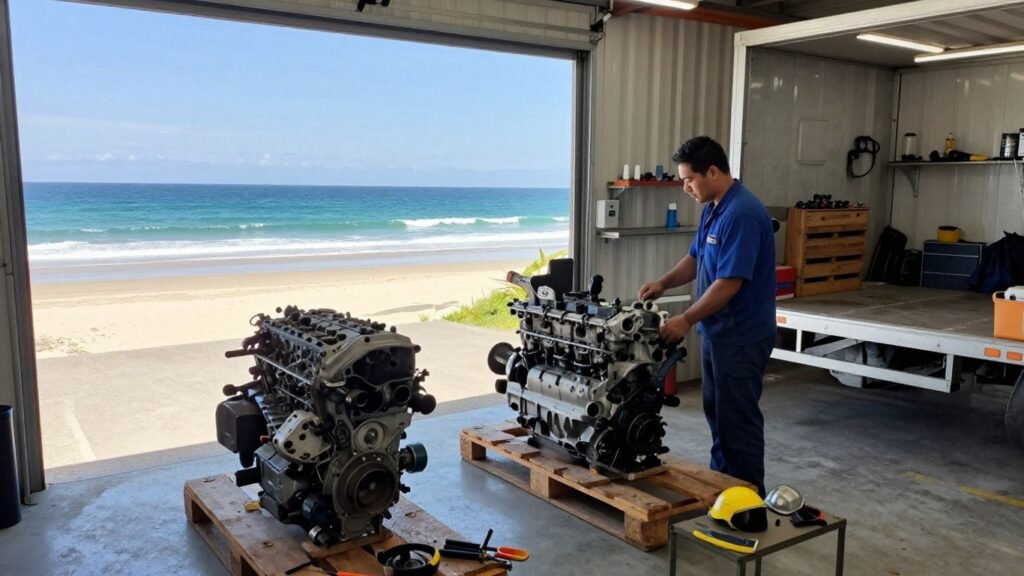
Used Subaru engines in Mandurah—your guide to local pickup or delivery
Blog

Used Subaru engines in Mandurah—your guide to local pickup or delivery

Key Takeaways A used engine can be a sensible way to return an older Subaru to the road, but the match and inspection matter as much as the asking price. Confirm the engine code, vehicle year, drivetrain, and transmission before buying. Ask for mileage, donor vehicle details, testing information, and warranty terms. Compare the engine price with labor, fluids, seals, and installation parts. Choose pickup or delivery based on safe handling, timing, and your location. Have the replacement inspected and checked carefully before installation and startup. Why a used Subaru engine can be a practical replacement A failed engine does not always mean the whole vehicle has reached the end of its useful life. If the body, interior, suspension, and electrical systems remain in good condition, a suitable replacement may cost less than replacing the car. The decision depends on the engine fault, the vehicle’s value, and the full installed cost rather than the bare engine price alone. When replacing the engine makes more sense than repairing it Repairing an engine can be worthwhile when the damage is limited and the cylinder head, block, or crankshaft can be restored economically. Replacement becomes more attractive when several major components are damaged, machining is required, or the repair estimate keeps growing. An honest comparison should include diagnostic time, machine work, parts, and the risk of finding additional damage after disassembly. The vehicle’s condition should guide the choice too. A well-maintained Subaru with a sound transmission and straight body may justify a used engine, while rust, electrical faults, and neglected maintenance can make a replacement difficult to justify. Common symptoms of serious engine failure Knocking, persistent low oil pressure, heavy smoke, coolant loss, and repeated overheating deserve prompt attention. A vehicle that cranks without starting may have an engine problem, but it could also have a fuel, ignition, timing, or sensor fault, so diagnosis should come before ordering a replacement. Metal in the oil or coolant mixed with oil can point to internal damage, although testing is still needed to identify the cause. Pay attention to changes that appeared together. Overheating followed by white exhaust, for example, calls for cooling-system and compression checks rather than a guess based on one symptom. Benefits of choosing a tested used engine A tested used engine may offer a quicker path to repair than rebuilding a severely damaged unit. It can also give the installer a known starting point when the seller provides mileage, donor information, test results, and clear warranty conditions. The complete condition matters more than a low odometer figure by itself, since storage, maintenance, and the engine’s previous use all affect its value. A replacement can be particularly practical when the rest of the car has a service history worth preserving. Still, “tested” should be treated as a description to verify: ask what was checked, when it was checked, and whether the results are recorded. Potential risks and limitations to consider Used engines are not new engines, and their remaining service life cannot be known with certainty. A donor unit may have wear that is not obvious during a brief inspection, or it may require sensors, covers, accessories, or brackets from the original engine. Compatibility errors can also create expensive delays after delivery. The safest approach is to reduce uncertainty before payment. Confirm the identification details in writing, understand what is included, and avoid treating a warranty as a substitute for checking the engine’s condition and fit. How to match the right engine to your Subaru Matching an engine involves more than choosing a model name from a listing. Subaru vehicles can vary by year, generation, market, drivetrain, transmission, emissions equipment, and engine specification. Collect the vehicle details first, then have the seller verify the proposed engine against them. The following checks help prevent an apparently inexpensive purchase from becoming a conversion or modification project. Confirming the model year and generation Start with the registration details, build information, and exact model designation. A Forester, Impreza, Outback, Legacy, or WRX can have different engines across nearby model years, and a facelift may change important components. Do not rely on body styling or a seller’s broad model description when identifying the replacement. Record the current engine’s visible markings and compare them with the vehicle documents. If the car has previously been modified or its engine has already been replaced, the original factory specification may not describe what is currently installed. Comparing engine codes and specifications The engine code is usually more useful than a general description such as “2.0-litre” or “turbo motor.” Compare the code, displacement, induction setup, cylinder-head arrangement, sensor locations, intake and exhaust connections, and accessory layout. Small differences can affect wiring, control modules, cooling plumbing, and installation time. Ask for photographs of the identification markings and the engine as a whole. A written match should state whether the unit is intended as a direct replacement or whether parts from the existing engine must be transferred. Checking transmission, drivetrain, and emissions compatibility The replacement must work with the vehicle’s transmission and drivetrain arrangement, including the way the engine connects to the gearbox, mounts, sensors, and control systems. All-wheel-drive configurations can make compatibility especially sensitive because a mismatch may affect more than the engine bay. Emissions equipment and market-specific components should also be checked before purchase. A seller or installer should be able to identify any included and excluded parts. If the quote assumes reuse of the original intake, exhaust, wiring, or accessories, that assumption should be stated rather than left to discovery during installation. Using the vehicle identification number for verification The vehicle identification number gives the seller and installer a consistent reference for confirming the car’s build and specification. Provide the full VIN, not only the model badge, and ask the seller to record the compatibility check on the quote or invoice. This creates a useful paper trail if questions arise later. VIN verification does not replace inspection of the engine itself. It confirms the vehicle being matched, while the engine code,

Subaru wreckers Perth WA: Used parts for Impreza, Forester, Outback, Liberty and WRX
Blog

Subaru wreckers Perth WA: Used parts for Impreza, Forester, Outback, Liberty and WRX

Key Takeaways Used Subaru parts can make repairs more affordable while keeping genuine components in service. Careful identification, condition checks and responsible recycling help make the process safer and more dependable. Compare used parts with new and aftermarket options before buying. Match every component to the vehicle’s year, generation, engine and trim. Use the VIN and OEM number to reduce fitment mistakes. Ask about condition, testing, warranty terms and returns. Recycle unwanted vehicles responsibly so usable parts can be recovered. Why choose Subaru wreckers in Perth WA A vehicle dismantler can be a practical starting point when a repair does not justify the cost of a new component. Perth buyers may find genuine used parts from vehicles that are no longer on the road, including older generations. The process still calls for care, but a little preparation can make the search much easier. Cost savings compared with new Subaru parts Used parts are often considered because they can reduce the cost of a repair without automatically requiring a lower-quality substitute. The final price depends on the component, its condition, demand and availability, so comparing like-for-like parts remains sensible. Check the complete price rather than judging only the listed part value, since delivery and installation may affect the total. The saving is most useful when the replacement is a straightforward fit and the part’s condition is clearly described. For safety-critical components, have the finished repair inspected by a qualified mechanic. Access to discontinued and hard-to-find components Older vehicles can be difficult to maintain when a particular trim piece, switch or body fitting is no longer commonly stocked. Wrecking yards may hold components from vehicles dismantled over several years, giving owners another avenue to investigate. Availability is never guaranteed, so supplying precise vehicle details is essential. A part that looks similar may still differ by generation or trim. Ask for photographs and identification numbers before committing to a purchase. Reusing genuine parts to reduce automotive waste Dismantling gives serviceable components another useful life instead of sending an entire vehicle directly to disposal. Engines, panels, interior fittings and smaller hardware may all be assessed for possible recovery, depending on their condition. This approach can reduce unnecessary demand for replacement manufacturing while keeping repairable vehicles on the road. Responsible recycling also involves draining fluids, handling batteries correctly and separating materials through suitable channels. The environmental benefit depends on proper dismantling rather than simply moving an unwanted car elsewhere. When used parts are a better choice than aftermarket alternatives A used original component can make sense when appearance, mounting points or factory specifications matter more than having a brand-new part. This is particularly relevant for matching body colour, interior trim or a discontinued fitting. Aftermarket parts may still suit some repairs, but compatibility and finish should be compared carefully. The best choice depends on the vehicle, the part and the repair’s purpose. A mechanic can help decide whether a used, new or aftermarket component is appropriate for the job. Subaru models and parts commonly available Perth wreckers may handle a changing mix of vehicles, so stock varies from one day to the next. The models named in this guide cover common searches, but the exact component still needs to be matched carefully. A clear request is more useful than a broad description such as “parts for an older Subaru.” Subaru Impreza parts for everyday repairs and upgrades Impreza owners commonly search for replacement lights, mirrors, doors, interior pieces, suspension components and engine-bay fittings. A wrecker may also be worth contacting for smaller hardware that is difficult to source separately. Model year and body style should be included because similar-looking parts can vary. For an upgrade, confirm that the donor component suits the existing systems rather than assuming it will bolt straight on. Photographs, OEM numbers and mechanic advice can prevent an expensive mismatch. Subaru Forester engines, panels and interior components Forester searches often involve engines, transmissions, doors, guards, bumpers, seats and dashboard trim. These vehicles span several generations, and equipment can differ significantly between variants. Ask whether a major mechanical part has been tested and what history is known about it. Panels should be checked for dents, corrosion, colour differences and damaged mounting points. Interior parts also benefit from photographs that show wear, stains and broken clips. Subaru Outback parts for touring and family vehicles Outback owners may need practical replacement items such as tailgates, roof fittings, lights, seats, suspension parts or cargo-area trim. Touring use can make condition especially relevant, since wear may be concentrated around hinges, storage areas and load points. The correct year and body generation should be supplied with every enquiry. For family vehicles, inspect seatbelts, airbags and other restraint-related equipment through a qualified professional. Do not assume that a used safety component is suitable without proper verification. Subaru Liberty parts across multiple generations Liberty parts can be harder to identify when several generations share similar names but use different fittings. A request should include the build year, body style, engine and side of the vehicle. This helps a yard search its inventory without relying on appearance alone. Exterior trim, mirrors, switches and suspension pieces may be available even when a complete assembly is not. Confirm whether the quoted item includes brackets, wiring, fasteners or other attached pieces. Subaru WRX performance and drivetrain components WRX enquiries often focus on drivetrain components, wheels, brakes, suspension and engine-related parts. Performance use can place greater demands on these items, so condition and provenance deserve direct questions. A low price does not replace the need to verify wear, damage and suitability. Modified vehicles require extra caution because the original specification may already have changed. Have a specialist inspect important drivetrain or braking components before installation and use. How to find the right used Subaru part Correct identification is the foundation of a successful used-parts purchase. Names such as “front assembly” or “automatic gearbox” may describe several different items, and a small variation can prevent installation. Gather the vehicle details before contacting a yard, then

Subaru Outback wreckers Toowoomba – second hand parts: a practical guide to finding reliable replacements
Blog

Subaru Outback wreckers Toowoomba – second hand parts: a practical guide to finding reliable replacements

Key Takeaways Buying second-hand Subaru Outback parts is easier when you confirm the vehicle details, compare total costs, and check the part before installation. Record the Outback’s model year, generation, trim, engine, and drivetrain. Ask wreckers about testing, condition, mileage, warranties, and returns. Match part numbers and VIN details before paying for a replacement. Include freight, fitting, removal, and possible refurbishment in the budget. Use a qualified technician for engines, transmissions, electrical systems, and safety-related parts. Understand your Subaru Outback’s second-hand parts needs A Subaru Outback can change substantially between model years, even when the body shape looks familiar. Before contacting a wrecker, identify the exact vehicle and the part that has failed. A few minutes spent gathering details can prevent an expensive mismatch and reduce back-and-forth calls. Identify the model year, generation, and trim Start with the build year, compliance date, generation, body style, and trim level. Note whether the vehicle is a wagon or another configuration, and record features such as a sunroof, powered tailgate, eyesight equipment, or a premium audio system where relevant. These details can affect panels, interior pieces, wiring, lights, and control modules. The registration documents may provide some of this information, but the vehicle identification number is usually the most useful reference. Take clear photographs of the damaged part and its mounting points as well. A wrecker can use those details to search more accurately than a description such as “the rear light” or “the dashboard trim.” Match engines, transmissions, and driveline components Mechanical parts require closer matching than many cosmetic items. Confirm the engine designation, transmission type, drive configuration, and whether the replacement is intended for the same generation. Differences in sensors, wiring, mounting brackets, gear ratios, and electronic controls can make an apparently similar engine or gearbox unsuitable. Ask for the donor vehicle’s details, recorded mileage, and any available testing or refurbishment information. For a used engine or transmission, clarify which accessories are included and which components will need to be transferred from the original unit. That distinction can materially change the labour involved. Compare mechanical, electrical, and body-part requirements Separate your shopping list into mechanical, electrical, body, and interior categories. Mechanical parts often need evidence of operation and wear, while body panels need careful attention to colour, dents, corrosion, and mounting tabs. Electrical components should be assessed for part numbers and communication requirements rather than appearance alone. This approach also helps you decide whether a used part is sensible. A clean door mirror or trim panel may be a straightforward purchase, whereas a braking, steering, restraint, or engine-control component deserves more rigorous verification. The cheapest part is not always the cheapest repair once fitting and troubleshooting are included. Check compatibility before contacting a wrecker Write down the VIN, registration details, build date, engine code, transmission type, and the original part number if it is visible. Include left or right side, front or rear position, colour, and any useful photographs. If the part is already removed, photograph every connector, bracket, and label before discarding it. A concise request gives the supplier enough information to check stock and provide a meaningful quote. It also makes it easier to compare two offers on the same basis, rather than comparing a complete assembly with a bare component. Find reputable Subaru Outback wreckers in Toowoomba Finding Subaru Outback wreckers Toowoomba – second hand parts is only the beginning; the supplier’s process matters just as much as the advertised price. A good wrecker should explain what is available, what has been checked, and what is covered after the sale. Local collection can be convenient, but delivery and broader sourcing may matter when a particular Outback variant is uncommon. What to look for in a local auto wrecker Look for clear descriptions, practical answers, and a willingness to confirm fitment before taking payment. A professional operation should be able to identify whether a part is used, refurbished, or new, and should explain its grading in plain language. Photos of the actual item are more useful than generic catalogue images. South West 4WD Wreckers describes its Toowoomba operation as supplying used and refurbished parts, with second-hand items including panels, batteries, racks, and alternators. If you contact the business, ask it to confirm current availability rather than assuming an item shown online is still on the shelf. When to choose a Toowoomba supplier or interstate provider A Toowoomba supplier may be the practical choice when you need to inspect a panel, collect a bulky item, or avoid freight delays. An interstate provider can be worthwhile when the local stock does not match the vehicle or when a rare component needs a wider search. Compare the delivered price and expected arrival date, not just the advertised part price. South West 4WD Wreckers states that it ships Australia-wide and can use a national network to help locate rare or discontinued parts. That documented sourcing option can be useful for an older Outback, although the final fitment still needs to be confirmed for the individual vehicle. How vehicle sourcing affects part availability Wrecker inventory changes as donor vehicles arrive and are dismantled. A part may be unavailable today but appear later from a matching vehicle, while a commonly requested item may sell quickly. Availability is also shaped by the condition of the donor car and by whether the supplier dismantles complete vehicles or sources through other yards. Ask whether the quoted part is physically in stock, awaiting removal, or being located through another supplier. For a discontinued or unusual component, give the wrecker permission to suggest a compatible alternative only after the specifications have been checked. Questions to ask about testing, grading, and warranties Before agreeing to buy, ask how the part was tested, whether its mileage is known, and whether it has been repaired or refurbished. Confirm what the warranty covers, how long it lasts, and whether labour, freight, or diagnostic costs are excluded. Also ask how a return or exchange is handled if a qualified technician finds a fitment problem.

A complete guide to finding Subaru Impreza WRX parts recyclers in Brisbane
Blog

A complete guide to finding Subaru Impreza WRX parts recyclers in Brisbane

Key Takeaways Finding the right components for your vehicle requires a mix of technical knowledge and careful local scouting in the Brisbane area. This approach ensures you maintain performance while adhering to your budget constraints. Identify wreckers that specialize in turbocharged performance platforms rather than just general automotive recycling centers. Verify the condition of mechanical parts by examining mileage history and looking for signs of aftermarket interference. Use community networks to locate rare components that do not appear in standard inventory databases. Prioritize yards that offer clear, transparent warranty policies for major electrical and mechanical assemblies. Always consult with a professional technician before finalizing the installation of complex recycled drivetrains. Identifying reliable Subaru Impreza WRX parts recyclers in Brisbane Selecting a recycler for a turbocharged vehicle demands a higher standard than shopping for standard runabouts. Brisbane offers various options, but locating a shop that understands the specific nuances of the platform is essential for long-term reliability. Differentiating between general car wreckers and performance specialists Many general wreckers process high volumes of vehicles without considering the specific maintenance history or performance health of the drivetrain components. A specialized wreckers, such as Q1 Auto Parts, often keeps a more detailed log of the vehicles they dismantle, which is helpful when you need parts like limited-slip differentials or specific exhaust manifolds. You should prioritize these specialists because they tend to focus on the unique pressure points of boxer engines. Assessing inventory levels for specific WRX generations Inventory fluctuation is common in the used parts market, so keeping track of which yards supply which specific generations is a smart move. Some yards concentrate on the older GC8 models, while others cater to the newer turbocharged platforms that require specialized electronic sensors. Tracking these trends helps you avoid wasting time calling facilities that have historically low stock for your particular year. Leveraging local online scrap networks Digital scrap networks are becoming the primary tool for enthusiasts to track down parts across the region. By monitoring public listings, you can often secure high-demand items like interior trim or upgraded piping before they hit the physical retail floor. These platforms allow you to quickly cross-reference availability without needing to drive to multiple locations across the city. Verifying the recycling facility’s certification Legitimate business operations typically hold trade certifications that demonstrate their commitment to proper environmental and safety standards. Always confirm that the facility follows established disposal protocols, as this often correlates with the overall organization of their inventory system. A professional shop is far more likely to provide accurate descriptions of the items you are purchasing. Evaluating the condition of recycled performance parts Assessing the true health of a second-hand engine or transmission involves more than just looking at the outward appearance of the unit. You need to investigate the history of the donor vehicle to determine whether the components were treated with proper maintenance or subjected to neglect. Interpreting mileage reports from donor vehicles Reviewing the odometer reading is just the starting point when you are evaluating a potential purchase. You must compare the mileage against the service records provided by the wrecker to ensure the timing belt and water pump were serviced at the required intervals. Taking this step helps you understand the actual remaining service life of the engine before you commit to the purchase. Inspecting engine components for signs of performance tuning abuse Evidence of aggressive modifications or makeshift wiring usually indicates that the car was pushed beyond its factory design limits. Look for traces of non-standard boost controllers, heat-damaged hardware, or modified electronic harnesses that suggest the internals might be structurally fatigued. If the engine bay looks chaotic or modified, you should proceed with extreme caution. Evaluating suspension and drivetrain part wear When buying suspension components or drivetrain parts, you should look for specific indicators of failure like cracked bushings, leaking seals, or excessive play in the splines. The following table provides a general guide for what to look for when inspecting common wear items. Component Visual Indicator Mechanical Status Control Arms Cracks in rubber bushings Failed alignment risk Driveshafts Torn grease boots Contamination likely Struts Evidence of oil weeping Damping loss present Using this table will help you identify whether a part is ready for immediate installation or requires a full rebuild. It is useful to bring a checklist so you remain objective during the physical inspection of the donor vehicle’s suspension. Understanding the difference between OEM and aftermarket recycled parts Directly comparing original factory components to salvaged aftermarket gear is key to staying within your performance goals. Authentic Subaru parts are designed to meet exact factory tolerances, which may differ from the aggressive specs of third-party alternatives. When choosing between these, consider whether you are looking to retain a factory-smooth power delivery or if you want to integrate salvaged high-performance upgrades. Strategies for sourcing rare or discontinued WRX components Tracking down specific, hard-to-find components often requires more persistence than checking a single website. You may need to cultivate relationships with local operators who keep a "hidden" inventory of unique parts not yet listed on public platforms like eBay. Placing bulk inventory requests with local yards If you are searching for several difficult items at once, providing a list to your preferred local wrecker can yield better results than single inquiries. Yards prefer customers who are clear about their needs because it streamlines their retrieval process and makes your business more predictable for their staff. This strategy helps you secure a bundle of parts, which can save on individual shipping costs and overall search time. Utilizing national parts locator databases When local options have been exhausted, national databases provide access to a broader network of wrecks across the country. These services aggregate listings from various professional recyclers, allowing you to filter by specific part numbers or component revisions. While this approach sometimes carries a higher transport price, it is often the most effective way to source major components like specialized gearboxes or ECU modules. Networking within Brisbane Subaru enthusiast communities

A complete guide to buying second hand Subaru alloy wheels and rims in Wollongong
Blog

A complete guide to buying second hand Subaru alloy wheels and rims in Wollongong

Key Takeaways Finding the right set of wheels can significantly improve your vehicle’s performance and appearance without requiring a brand-new purchase. This article outlines the essential steps for sourcing and inspecting parts locally while ensuring they remain within legal safety guidelines. Compatibility of bolt patterns and center bores is non-negotiable for safe vehicle operation. Local salvage yards offer significant cost savings if you know how to identify quality components. Visual inspection for structural integrity prevents hidden risks like micro-fractures in the metal. Australian Design Rules provide a strict legal framework for any modifications you might perform. Professional balancing ensures long-term driving comfort and prevents uneven wear on your new components. Understanding Subaru wheel compatibility Selecting the correct wheels requires a clear understanding of the mechanical specifications mandated by the manufacturer. Subaru vehicles are engineered with specific tolerances that ensure reliable handling and stability across different driving conditions. Before purchasing any replacement parts, you must verify that the geometric profile of the wheel aligns with your vehicle’s hub and suspension architecture. Identifying bolt patterns and offsets Most modern vehicles use a specific PCD (Pitch Circle Diameter) measurement, and Subaru typically utilizes a 5×100 or 5×114.3 configuration depending on the year and chassis. The offset, often stamped into the inner face of the alloy, dictates how far the wheel sits from the hub assembly. Failing to match these factory-determined measurements can cause significant interference with brake calipers or suspension struts during normal operation. Understanding center bore dimensions Your rim must fit snugly over the circular hub protrusion on the vehicle axle, which is known as the center bore. If the bore of the wheel is too large, it will not center correctly, leading to persistent steering wheel vibrations that even professional balancing cannot fix. Many owners utilize hub-centric rings to bridge the gap if a larger bore wheel is used, yet ensuring a direct fit remains the safest approach for long-term reliability. Subaru models and wheel interchangeability Interchangeability between different generations is often possible, but you must consult technical data to confirm. Certain models within the Subaru Outback lineup share common engineering footprints, allowing for easier swapping of factory alloys. The following table illustrates typical compatibility markers to consider during your search. Model Series Bolt Pattern Offset Requirement Compact Sedans 5×100 +45mm to +50mm Mid-size SUVs 5×114.3 +48mm to +55mm Performance Models 5×114.3 +35mm to +45mm Comparing these values against your vehicle’s manual prevents the mistake of purchasing components that may cause mechanical binding. Always cross-reference these hardware specs to ensure your investment provides lasting value and safety on the road. Where to source second hand Subaru rims in Wollongong Locating affordable wheels in a coastal region like Wollongong involves balancing local inventory availability with the condition of the used goods. The regional market for salvaged automotive parts is quite active, providing many opportunities to find genuine components that remain in excellent condition. By prioritizing reputable salvage yards over random street sales, you increase your chances of finding wheels that have been properly removed and stored. Local wreckers and salvage yards Major salvage yards in the Wollongong area often maintain detailed logs of incoming wrecks, making them your first point of inquiry. These businesses often perform initial safety checks on dismantled parts before putting them on the yard floor. Visiting in person allows you to see the specific set before you commit your funds. Online marketplaces and community classifieds Digital marketplaces are useful for finding private sellers who might be offloading wheels from a vehicle upgrade. You must exercise caution here, as private sellers may not have the technical knowledge to report hidden damage. Always ask for clear photos of the inner barrel to check for any signs of previous repair or significant corrosion. Performance shops dealing in recycled parts Certain shops catering to performance enthusiasts often stockpile high-quality alloy sets that were removed during vehicle modifications. These retailers frequently handle high-end stocks that are physically superior to standard commuter rims. Dealing with a specialist shop ensures that any parts you acquire have been handled by professionals who understand the specific needs of your car. Inspecting used alloy wheels for damage Once you have located a potential set, you must conduct a thorough physical examination to ensure the wheels are structurally sound. Even a subtle bend in the inner flange can lead to air leaks or steering instability. A comprehensive visual assessment serves as the best defense against purchasing compromised parts that could fail under the stress of daily driving. Checking for structural cracks and welds Look closely at the back of the spokes and the barrel area for any hairline fractures or signs of weld repairs. A welded rim is structurally altered and may not safely handle the impacts of potholes or rough surfaces. If you see any evidence of heat discoloration or grinding marks near the spokes, it is best to walk away from that set entirely. Identifying hidden buckles or bends in the rim Buckles often occur on the inner circumference of the wheel, where they are difficult to see while the tyre is still mounted. You can sometimes detect these by spinning the wheel on a balancer or placing it on a flat surface to check for gaps. If the wheel does not sit perfectly flush, it is indicative of a buckle that will ruin your driving comfort. Evaluating curb rash and cosmetic wear Minor superficial grazing on the outer rim edge is usually cosmetic and can be safely managed. However, deep gouges that penetrate the metal are concerning because they suggest the rim has been subjected to high-impact stress. You should view these as bargaining points, provided the structural integrity remains unaffected by the impact. Legal requirements and safety standards for rims Modifying the rolling diameter or offset of your wheels must remain within the legal boundaries of your local state regulations. The Australian Design Rules (ADR) govern what types of modifications are permitted to ensure that your vehicle remains safe for all road users. Ignoring

How to source Subaru parts: A guide to Perth wreckers with nationwide shipping
Blog

How to source Subaru parts: A guide to Perth wreckers with nationwide shipping

Key Takeaways Sourcing recycled auto parts from Western Australia requires careful planning and a clear process to ensure reliability and value. Following standard shipping and identification protocols helps avoid common pitfalls in the supply chain. Establish a professional relationship with specialized yards. Always verify the compatibility of parts using the VIN. Use tracked shipping options for heavy mechanical assemblies. Prioritize suppliers that offer clear, written warranty terms. Confirm part condition via photos before finalizing payments. Evaluating Subaru wreckers in Perth Finding a reliable partner for your vehicle needs involves more than just picking the first name in a search result. When you are looking for specific components for vehicles like a Subaru Forester or Subaru Outback, the quality of service becomes paramount. A good wrecker will demonstrate transparency about their inventory and provide honest assessments of the parts they dismantle. Spending extra time evaluating these local businesses initially prevents headaches later during the actual repair process. Identifying genuine versus aftermarket components Distinguishing between original equipment manufacturer parts and aftermarket alternatives is essential for maintaining your vehicle’s performance. Genuine parts are designed specifically to meet factory standards, ensuring that tolerances and material specifications align perfectly with your car’s original build. While aftermarket options might save you money upfront, they sometimes lack the precise fitment required for sensitive electrical or mechanical systems. Assessing supplier reputation and warranty coverage Reputational research is the best defense against purchasing faulty components that might fail shortly after installation. It is wise to look for shops that stand behind their inventory with documented warranty periods rather than verbal promises. The table below outlines standard industry warranties you might encounter when dealing with reputable Perth specialists. Warranty Tier Coverage Term Scope of Protection Standard 30 days Part functionality Extended 6 months Part and labor potential Gold 12 months Mechanical integrity Selecting a supplier who provides extensive coverage demonstrates their confidence in the testing procedures they apply to their reclaimed parts before sale. Understanding part grading and quality assurance Most professional wreckers utilize a grading system to help customers understand the remaining life of a part. Grade A units are typically low-mileage and show minimal wear, making them ideal for critical systems like transmissions. Understanding these grades allows you to budget effectively, ensuring that you get exactly the right part for your specific repair needs, whether you are restoring an older model or fixing a newer daily driver. Navigating nationwide shipping logistics Shipping heavy components from Western Australia requires logistical coordination to ensure items reach their destination intact. You need to consider how freight moves across the country and what safeguards are in place for fragile or bulky loads. When searching for reliable Subaru wreckers offering nationwide shipping Perth, confirm that the business has experience with regional and interstate transport requirements. Understanding courier options for large mechanical components Large items like engines and gearboxes cannot be handled by standard postal services and require dedicated freight carriers. These specialized couriers understand how to secure heavy items to pallets to prevent tipping or shifting during long-haul transit. Always ask your supplier which carrier they use, as some companies have specialized platforms designed for loading and unloading heavy automotive castings without damaging the casing. Estimating shipping costs based on weight and distance Shipping expenses vary based on the physical size, total weight, and the distance between Perth and your location. Obtaining an accurate quote requires providing the exact weight of the component and the destination postcode, as residential deliveries often cost more than shipping to a commercial workshop address. Planning for these freight costs is a critical step in maintaining your overall project budget when sourcing parts from across the country. Managing transit insurance for high-value parts High-value items such as complete engine assemblies warrant extra protection during the time they spend on the road. Transit insurance covers you in the event of accidents or mishandling, providing financial security for your investment. Always verify that your chosen carrier includes full-coverage transit insurance as part of their standard freight quote. Even if it increases the cost slightly, having this protection ensures that you are not left liable for damage occurred during the transit phase before you even receive the goods. Proactive insurance management transforms a standard purchase into a secure deal, giving you peace of mind throughout the delivery process. Benefits of sourcing Subaru parts from Western Australia Perth offers a distinct advantage for owners of Japanese-imported vehicles due to its proximity to Asian trade routes. This geographic position often results in a better selection of specific model variants that are harder to find elsewhere. Sourcing from this region allows for a broader search radius, helping you locate high-quality components for models that might be rare in other parts of the country. Competitive pricing models in the Perth market Prices in the Western Australian market remain competitive because of the high density of specialized wrecking businesses. This ecosystem forces suppliers to keep costs reasonable to attract repeat clients, such as local mechanics and enthusiasts. By taking advantage of this competitive environment, you can often save significant amounts compared to purchasing new factory components from a dealership. Accessing inventory for rare or JDM-specific models Many vehicles in Australia share characteristics with Japanese Domestic Market versions, making Perth an excellent hub for these parts. Whether you need a specific body panel for a Subaru Legacy or a distinct interior accessory, the inventory here is often more aligned with exported Japanese vehicles than in other regions. This capability provides a unique resource for enthusiasts who need authentic parts for older or imported vehicles. Overcoming local part shortages through national supply chains When local yards in your home city are tapped out, national supply chains connected via Perth wreckers bridge the gap. These networks allow you to tap into inventory that exists thousands of kilometers away, effectively neutralizing local shortages. By leveraging these connections, you ensure that your repair timeline remains on track regardless of temporary regional inventory dips. Essential information for remote ordering Ordering remotely

A guide to sourcing used Subaru Forester differentials and axles on the Sunshine Coast
Blog

A guide to sourcing used Subaru Forester differentials and axles on the Sunshine Coast

Key Takeaways Maintaining the drivetrain is essential for the longevity of your Forester, but finding parts does not always require purchasing new items from the dealership. Here are the core concepts to keep in mind when sourcing salvaged components: Drivetrain health relies on the proper function of differentials and axle joints. Recycled parts offer significant financial relief compared to brand-new components. Always inspect used parts for physical wear and structural integrity before installation. Compatibility varies widely between generations of Subaru vehicles. Professional installation and fluid flushes help ensure the longevity of salvaged hardware. Understanding Subaru Forester drivetrain components The drivetrain of a Subaru Forester is engineered to provide constant power delivery to all four wheels through a sophisticated network of drive shafts and differential units. Understanding how these mechanical segments interface allows owners to better diagnose issues as they arise during daily driving. When these systems operate in harmony, the handling remains stable and predictable across various road surfaces. Primary functions of the differential The differential acts as the critical bridge within your transmission system, allowing wheels to rotate at different speeds during turns while receiving equal power delivery. Without a functional differential, the vehicle would struggle to negotiate even gentle corners without severe tire scrub and handling instability. This component must remain well-lubricated to manage the constant heat generated by mechanical friction during high-speed operation. Common failure signs in axles and CV joints Axle issues usually announce themselves through distinct, rhythmic clicking noises that intensify as you steer the vehicle through sharp turns. If you feel sudden vibrations through the steering wheel or the floorboards while accelerating, it often signals that the CV joints have lost their protective grease seal. Ignoring these signs can lead to a complete loss of power transfer to the wheels, leaving the vehicle stranded. Navigating compatibility across Subaru model years Subaru frequently updates engineering specifications, meaning a part that fits a specific model year might not integrate with a slightly older or newer vehicle. You must verify part numbers and transmission types precisely before committing to a purchase. Attempting to force an incompatible part into the drivetrain can permanently damage surrounding housing or mating hardware. Benefits of choosing recycled Subaru parts Choosing recycled hardware allows vehicle owners to maintain their SUVs on a budget while helping keep functional components out of the waste cycle. This approach provides a practical alternative to sourcing expensive factory-new items that might be marked up significantly by traditional retail channels. Relying on verified salvage yards can lead to finding excellent condition parts at a fraction of the cost. Significant cost savings versus OEM new parts Choosing salvaged components frequently results in substantial savings for the budget-conscious owner. When comparing the initial investment for a full differential assembly versus the cost of a new OEM unit, the variance is often enough to cover labor costs for the entire repair process. Part Component Typical Salvage Cost Estimated Dealer Price Rear Differential $350 $1,200+ Complete Axle Shaft $120 $450+ CV Boot/Joint Kit $80 $280+ These price differences demonstrate how local sourcing helps keep older foresters on the road without breaking the bank. Owners often find that the capital saved on hardware can be redirected toward critical maintenance items like fresh gear oil or new mounting bushings. Environmental impact of automotive recycling Automotive recycling plays an essential role in curbing the waste footprint of the transportation industry. By extending the lifecycle of heavy metal components, we reduce the energy expenditure required to smelt raw materials and manufacture fresh replacements. Recovering functional units from retired vehicles serves as an effective way to minimize the environmental impact of long-term automotive maintenance. This sustainable cycle allows the materials already refined in factory environments to continue their service life. Keeping these parts in circulation ensures that fewer resources are pulled from the earth to satisfy the ongoing demand for drivetrain replacements. Sourcing discontinued parts for older model years Finding parts for an aging vehicle can be difficult when manufacturers no longer produce replacement units. Salvage yards often become the only viable source for specific brackets, housings, or gear sets that are no longer available on standard distribution lists. This accessibility is the primary reason why many enthusiasts choose to source these reliable mechanical components for their classic projects. Where to find reputable Subaru parts on the Sunshine Coast The Sunshine Coast offers various avenues for sourcing parts if you know where to look. Establishing a relationship with local businesses can simplify your search for specific drivetrain pieces. While digital tools assist in the search, local experts remain an invaluable resource for verifying the quality of what you receive. Identifying local auto dismantlers specializing in Japanese vehicles Specialized dismantlers focused on Japanese manufacturers are far more likely to have a surplus of inventory for your vehicle. These businesses understand the specific engineering quirks of the brand and can often provide insight into which parts are interchangeable across different models. Visiting or calling these yards allows you to confirm that they have the actual hardware in stock before you make a trip. Utilizing online marketplaces for salvaged drivetrain components Digital platforms act as a broad net, allowing you to scan inventory across a wide geographic range without leaving your desk. Many professional wreckers now list their current salvage stock with high-resolution photos and part numbers. This makes cross-referencing your vehicle’s specific requirements much easier than manual searching through physical aisles. Leveraging local independent mechanic networks for spares Independent mechanics often maintain their own private supply of spare components gathered from past shop projects or decommissioned customer vehicles. If you have a trusted local technician, asking them about available, quality-tested parts can save you considerable effort. They are often willing to part with these items for a fair price to help another local owner keep their vehicle running smoothly. Inspecting used differentials and axles before purchase Visual inspection remains your primary defense against installing a faulty unit into your vehicle. Before paying for any salvaged item, you should perform

Finding reliable Subaru XV wreckers near me in Geelong
Blog

Finding reliable Subaru XV wreckers near me in Geelong

Key Takeaways Finding the right salvage partner involves understanding local availability and rigorous vetting of their business practices. These key points summarize how to navigate the process effectively: Locating a salvage yard nearby saves significantly on freight costs for heavy vehicle components. Verifying business licenses ensures you are dealing with a legitimate and responsible operator. Always confirm part numbers correlate directly to your vehicle’s specific production year and model specs. Inspecting physical conditions of salvage parts prevents the inconvenience of repeat returns and delays. Obtaining professional installation estimates helps balance out the overall cost of maintenance and repairs. Benefits of choosing local Subaru XV wreckers in Geelong Selecting a nearby salvage yard for your maintenance needs offers a clear logistical advantage. By sourcing components within your immediate geographic area, you minimize downtime and avoid the complexities of freight logistics. This proximity allows for a more personal level of service when searching for a compatible component for your specific vehicle. Fast access to affordable recycled spare parts When your vehicle requires urgent attention, local yards prove their worth by providing immediate availability of components. You can physically visit the location, verify the component’s state, and take it with you without waiting for transit. This efficiency is critical for maintaining an operational daily driver without forcing reliance on expensive new inventory. Reducing your environmental footprint through recycling Reuse serves as a powerful tool in sustainability by extending the lifecycle of manufactured materials. Purchasing recycled items prevents functional steel, aluminum, and plastic components from entering waste streams prematurely. This intentional choice supports a circular economic model while keeping high-quality parts in service. Avoiding long-distance shipping costs on heavy components Large mechanical items like engines or transmission housings are notoriously expensive to move across state lines. Maintaining a relationship with a nearby facility eliminates these heavy surcharges completely. This local approach to procurement ensures your budget stays focused on the quality of the part rather than shipping fees. Evaluating the reputation of local car wreckers Establishing confidence in a provider is a crucial step before entering any transaction. A reputable business will have a demonstrated track record of reliability within the local community. Researching their history helps you avoid common pitfalls and ensures the parts you purchase are sourced ethically. Checking online customer reviews and ratings Consumer feedback provides a snapshot of how a facility manages its operations and customer relations. Looking for patterns in reviews helps you gauge the consistency of the service provided to others. While individual experiences vary, a strong history of positive interactions is a good indicator of their professionalism. Verifying certifications and business licenses Professional salvage operators should maintain valid documentation that complies with regional regulations. A licensed business must follow safe processing and environmental protocols for vehicle fluids and materials. Checking for these credentials confirms that the establishment functions lawfully and maintains high standards for their workspace. Looking for industry experience with Subaru models Familiarity with specific brand architecture simplifies the process of dismantling a vehicle correctly. Operators experienced with the Subaru XV understand the common wear patterns and technical requirements of these specific models. This expertise ensures they accurately catalog components and offer well-informed advice on compatibility for your repair. How to source specific Subaru XV parts Precision in your initial request dictates how smoothly your repair project progresses. Relying on accurate data from the start mitigates the risk of receiving an incompatible component. Taking the time to gather manufacturer details pays off when it comes time for physical installation. Identifying the exact part number or OEM code Every vehicle carries unique identification codes on its individual parts that should be matched exactly. Referencing original manufacturer catalogs ensures the component you receive aligns with the exact specifications your mechanic requires. This attention to detail prevents delays caused by minor differences in production runs or trim levels. Inquiring about warranty and return policies on used items Even with thorough screening, it remains prudent to understand what protections are offered on salvaged inventory. A transparent business will state their terms for hardware failure or incompatibility upfront. Confirming these policies in writing provides clarity regarding your options should a part not perform as expected. Inspecting the physical condition of salvage parts Before finalizing a purchase, examining the item proves helpful in assessing its remaining lifespan. You should look for clean connections and intact seals on every used component. The following table illustrates some specific aspects our customers commonly check before they commit to a purchase decision. Inspection Point What to Look For Significance Surface Finish No deep corrosion Structural integrity Thread Quality Clean and smooth metal Ease of assembly Seal Integrity No signs of leaks Long term reliability Conducting this level of due diligence ensures that your investment provides sustained value rather than temporary fixes for your vehicle. Selling your damaged Subaru XV for cash If your vehicle has reached an stage where repair is no longer the most economical choice, selling the salvage can provide surprising financial relief. Local wreckers often view even damaged frames as valuable sources of usable steel or parts. This transition turns an idle driveway ornament into immediate capital for your next vehicle purchase. Getting accurate quotes based on current market values Transparent wreckers will calculate their offer by analyzing the current demand for usable components available on your specific chassis. They take into account the year, condition, and model variation to provide fair compensation. It helps to contact multiple providers to understand the fair market price range for your vehicle’s current state. Understanding the documentation required for vehicle handover Each state has specific legal formalities for transferring vehicle ownership or proof of disposal. Ensure you know the exact paperwork needed to release the title and clear your name of future liability. Proper preparation of these documents accelerates the entire hand-over process significantly. Arranging safe and efficient vehicle removal Logistics for non-running vehicles require specialized equipment that a professional salvage service should provide as part of their service package. Confirming that the pickup process

Scroll to Top