Key Takeaways
Sourcing reused components for your vehicle effectively requires understanding how to verify quality and warranty terms. These steps simplify finding the right match for your specific model.
- Check for documented warranty terms before finalizing any purchase.
- Inspect components for signs of wear such as corrosion or stress cracks.
- Verify that salvage yards hold industry certifications for quality assurance.
- Compare costs against new OEM parts to weigh long-term value against initial savings.
- Ask wreckers directly about their testing protocols for used mechanical systems.
Understanding warranty coverage on salvaged Subaru parts
Navigating the world of second-hand automotive components involves understanding how protection varies from seller to seller. Buyers often assume all salvaged parts are sold "as is," but many reputable yards provide specific guarantees to ensure buyer confidence. Recognizing these differences helps you avoid unexpected repair bills if a part fails prematurely.
Difference between limited and comprehensive warranties
A limited warranty typically covers defects for a short duration, starting from the date of purchase or installation. This coverage is often restricted to the functionality of the part itself and may exclude labor costs. In contrast, a comprehensive warranty might extend protection further, providing more security for critical mechanical hardware.
What standard parts are typically covered
Items like engines, transmissions, and alternators often come with standardized coverage due to their high demand and regular turnover. Wreckers like Just Subaru Wreckers focus on ensuring these complex systems are functional before heading to the shelf. Knowing which parts qualify for support assists in planning your overall maintenance budget.
How to verify warranty terms in writing
Always insist on receiving warranty details on your receipt or a separate document during the transaction. Verbal promises can be difficult to enforce if a component performs poorly after installation. Having the specific length of coverage and the terms of return clearly printed provides a reliable source of components when you need a replacement.
Assessing the quality of Subaru parts in Canberra
Signs of degradation to look for when sourcing parts
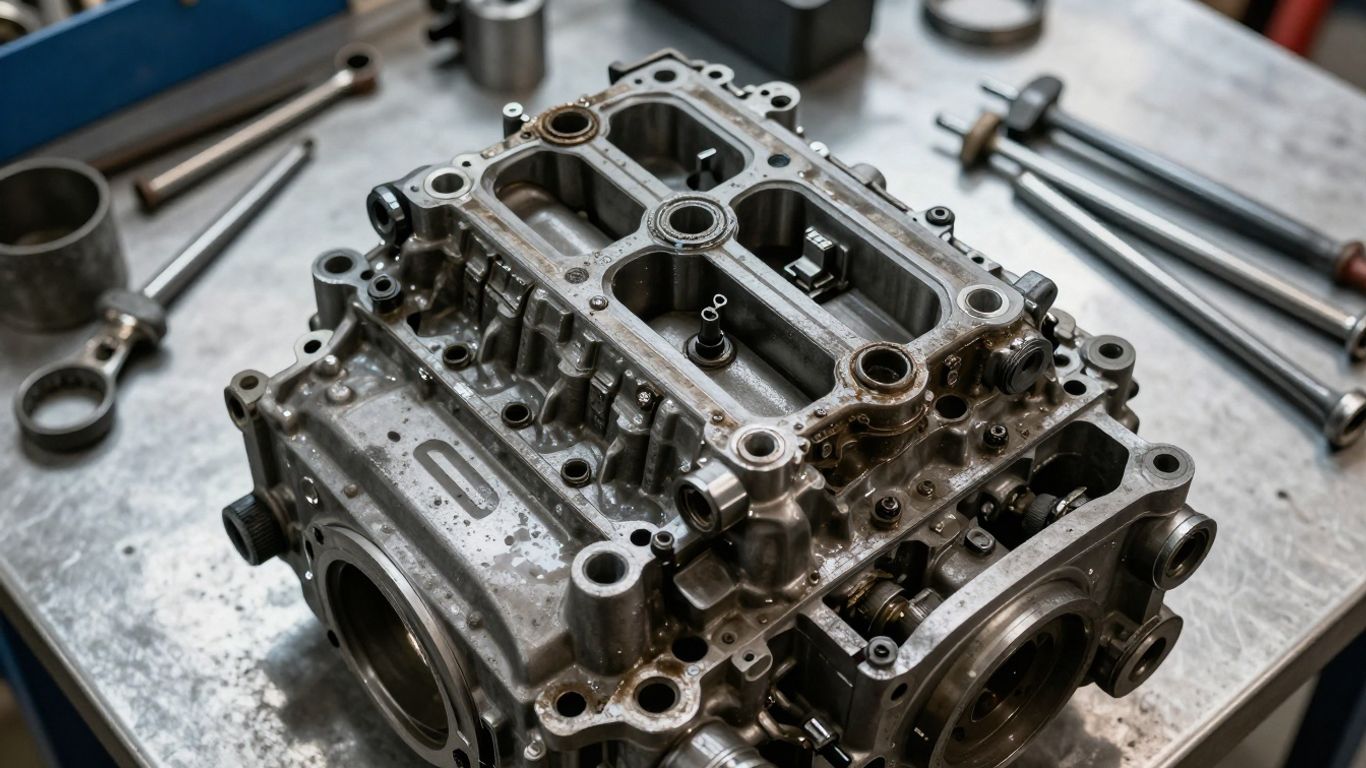
Look closely at any potential purchase for evidence of fluid leaks, stripped threads, or excessive rust accumulation. Sensors and electrical connectors should be clear of corrosion, which often indicates exposure to moisture or high-heat environments. Evaluating these indicators helps ensure you are investing in a functional component.
Distinguishing between genuine OEM and aftermarket replacements
Genuine equipment, sourced directly from manufacturers, usually maintains better fit and compatibility with existing vehicle systems. Many local businesses, such as Fairfield Auto Parts, prioritize stocking these authentic options to ensure customers achieve the best results. Below is a simple way to differentiate between these common options.
| Part Type | Typical Origin | Compatibility Risk |
|---|---|---|
| Genuine OEM | Original Manufacturer | Low |
| Aftermarket Quality | Third-Party Production | Moderate |
| Unknown Generic | Third-Party/Universal | High |
Understanding your requirements before purchasing ensures that you avoid the common pitfalls associated with incorrectly fitted parts. Always clarify if a part is intended for your specific year and model series.
Importance of sourcing components from low-kilometer wrecks
Parts removed from vehicles with lower recorded mileage are generally in superior condition because they have undergone fewer stress cycles. Wreckers that track the history of donor vehicles allow you to see the approximate usage of the mechanical items you intend to install. This transparency is key to extending the life of your vehicle.
Evaluating the reputation of local Canberra scrap yards
Checking online reviews for customer service consistency
Customer feedback provides a clear look at how a business handles communication, especially when part availability or delivery schedules are involved. Recurring mentions of helpful communication and clear return policies often signal a company that prioritizes long-term relationships over short-term sales. Consistent positive experiences from previous clients are a strong indicator of a trustworthy operation.
Identifying industry certifications held by professional wreckers
Many legitimate wreckers, like Subabits, follow established industry standards that dictate how vehicles are dismantled and how parts are processed for resale. These certifications demonstrate that the business adhere to professional regulations regarding safety and environmental impact. Organizations that display these credentials are often dedicated to maintaining a high quality of service.
Why transparency regarding vehicle salvage history matters
Being open about where a vehicle came from and why it was decommissioned builds trust with customers who understand the risks of sourcing used parts. When a business keeps detailed records of incoming salvage, they are better equipped to provide accurate information about the life of any specific component. Honest history documentation protects the integrity of the repair.
Choosing a salvage yard with a clear history and strong industry backing ensures that you receive parts that have been handled with care and professional diligence throughout their lifecycle.
Working with transparent partners remains the most effective way to secure high-quality used parts for your own Subaru.
Cost benefits of buying used Subaru parts locally
Buying second-hand parts locally is one of the most effective ways to lower the price of maintaining your vehicle. By avoiding the premium costs associated with purchasing new stock through a dealership, you reclaim significant funds that can be allocated to other maintenance needs. This approach creates a sustainable cycle where older vehicles remain functional for a fraction of the cost.
Comparative pricing against brand-new dealership components
A salvaged engine or transmission can often be acquired for a substantial discount compared to a brand-new unit. For common repair tasks, the price gap is easily noticeable, especially when balancing the remaining lifespan of the vehicle against the investment required. Many residents in the capital find that this price difference allows for more frequent, preventative upkeep.
Hidden savings on freight and logistical fees
By sourcing parts through local suppliers, you eliminate the high costs often associated with heavy-freight shipping from distant regions. Logistics fees can quickly inflate the total cost of a project, so finding a nearby provider saves on time and expense. Avoiding long-distance transport also reduces the risk of damage during the handling of heavy mechanical parts.
Tax and environmental incentives of supporting local auto recycling
Supporting local recycling businesses is inherently beneficial for the environment, as it diverts waste from landfills and reduces the energy required to manufacture new replacement components. This practice of circular consumption is becoming increasingly popular as more drivers look for ways to minimize their industrial footprint. Choosing to source these parts in your area contributes to a more efficient local automotive economy.
Essential questions to ask before finalizing a purchase
Engaging with staff through direct inquiry is vital to confirming that you have the correct item and the right support behind it. Asking specific questions before hitting the payment stage will save you from potential headaches later. Preparation here is the best insurance you can have during the salvage procurement process.
Clarifying return policies for incompatible components
If a part doesn’t fit correctly or fails to perform as expected, knowing the exact window for returns is essential. Ask your supplier whether they offer refunds or exchanges and what conditions must be met to use these services. Having this information confirmed upfront creates a clear path should an issue arise.
Inquiring about testing procedures conducted before sales
Understanding the technical checks a wrecker performs reveals how much they know about the functionality of the components they sell. Asking what kind of diagnostic testing is done—such as compression tests for engines or fluid checks—provides context on the state of the part. Knowledgeable staff should be able to explain their vetting process with confidence.
Confirming turnaround times for part availability and pickup
When you are in the middle of a DIY project, time is often the most precious resource. Confirming when a part is ready for collection or verifying shipping estimates helps keep your repair schedule on track. Proper communication regarding logistics ensures you avoid unnecessary downtime for your vehicle.
Conclusion
Selecting a reliable provider of salvaged components requires a balance of research and careful evaluation of the parts themselves. By prioritizing shops in Canberra that offer documented warranties and clear insights into their testing procedures, you can ensure that your repair project is both cost-effective and successful for the long term.




