
Key Takeaways
Finding the right transmission can save you time and money when your vehicle experiences mechanical issues. This guide simplifies the process of securing the right component for your specific needs.
- Identify your transmission code precisely to avoid compatibility issues.
- Research local wreckers for potential savings on genuine automotive parts.
- Always inspect physical casings for damage before finalizing a purchase.
- Compare costs between independent shops and major service centers.
- Obtain professional installation to ensure your warranty remains valid.
Understanding transmission compatibility for Subaru models
Replacing a transmission requires a deep understanding of your vehicle’s engineering requirements. Every model features specific design traits that must align perfectly to ensure the car runs safely after the swap. You will find that matching the exact serial number is vital for success.
Identifying your specific transmission code
The transmission code is usually stamped on a metal plate attached to the transmission bell housing or found on the passenger side strut tower. You should reference this code against your chassis number to guarantee that the unit you purchase will bolt up correctly to the engine block.
Why cross-model compatibility matters
While some gearbox designs are shared across the lineup, the final drive ratios often differ between naturally aspirated and turbocharged models. Installing an incompatible unit might cause the traction control system to trigger error lights or force the engine into limp mode.
Checking for common mechanical failure points
Inspect the output shaft seals and the condition of the torque converter attachment points before accepting a used unit. Subaru engines often place unique demands on the drivetrain, so verifying these sections prevents premature leakage or binding during local operation.
Where to source quality, affordable parts in Melbourne
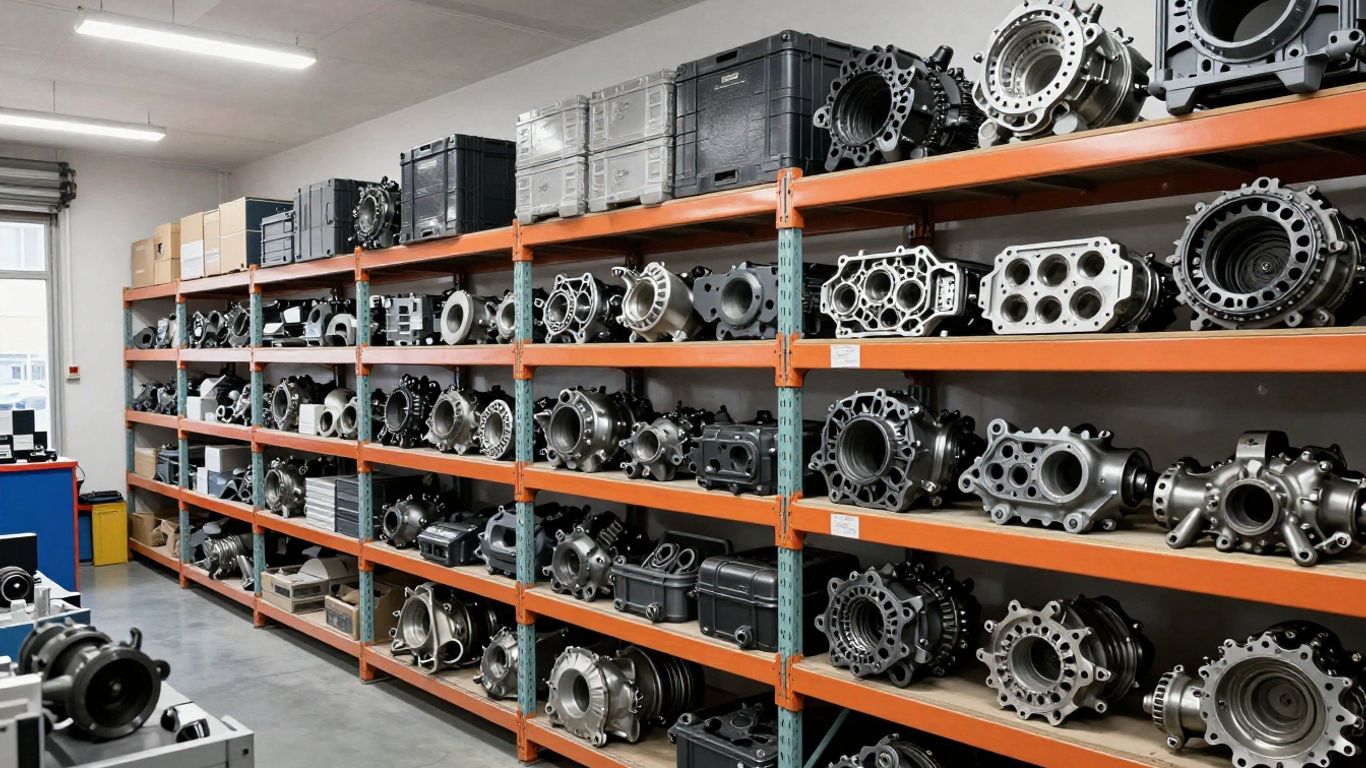
Finding affordable second hand Subaru transmissions Melbourne requires a strategic approach to tracking down local inventory. By focusing on established professional networks, you can often find reliable components that fit your budget better than brand-new factory replacements would.
Reputable local wreckers and recyclers
Many specialized recyclers deal almost exclusively with Japanese imports and salvage vehicles from major insurance auctions. These businesses often test their driveline components on-site, which gives you confidence that the gears move as intended before you buy.
Navigating online marketplaces versus physical inventory
While online classifieds offer wide reach, visiting a physical yard allows you to see the component alongside the donor vehicle’s history. Physical inspection ensures you are not dealing with units that sat uncovered in harsh weather, which could lead to internal oxidation.
Verification steps for verified used components
Always ask for the donor vehicle’s VIN to verify the exact production year and engine type it was paired with. If the seller has a documented service history for the scrap vehicle, you have a better chance of ensuring the transmission has been maintained properly over its lifetime.
Assessing the condition of a second hand transmission
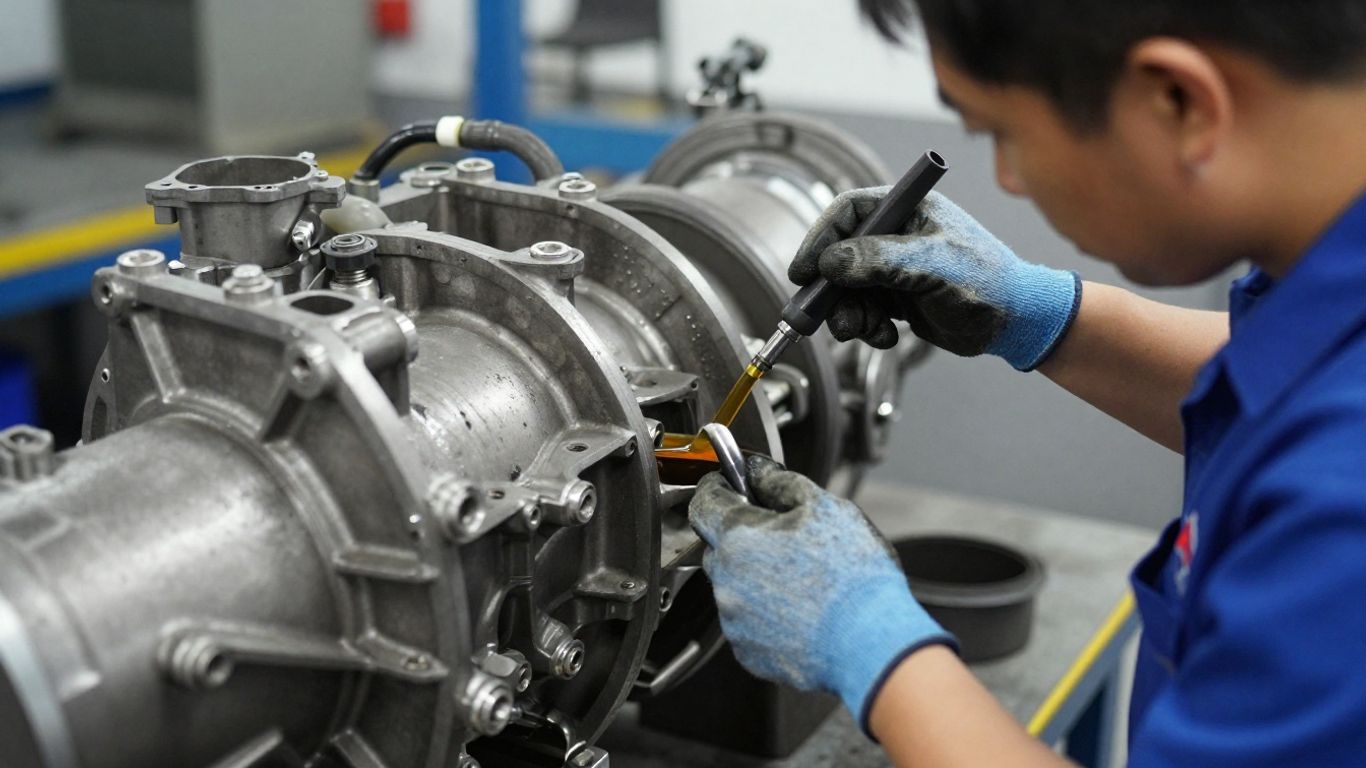
Conducting a thorough evaluation of any used gearbox is an essential step that you should never skip during the purchasing phase. Investing time in the physical assessment of the casing and fluid health will save potential headaches during the installation process.
Performing a physical inspection of the casing
Look for fresh sealant around the seams and check that all mounting bolts are present and unstripped. Cracked aluminum housings are a permanent failure point, so prioritize units that show no signs of past impact damage or welding.
Careful visual inspection acts as your primary defense against installing a compromised transmission that could eventually fail while you are on the road.
Minor surface corrosion is usually acceptable, provided the structural integrity remains sound and the internal chambers are well-sealed against environmental debris.
Interpreting transmission fluid signs of wear
Ask the seller to drain a small amount of fluid into a clean container for your inspection. The fluid should appear translucent red or light brown, as a burnt odor or heavy metallic sediment in the oil indicates that the internal clutches or planetary gears have suffered excessive heat damage.
Requesting documentation of low-mileage origin
Most reliable recyclers use inventory software to track the odometer reading of the donor vehicle. A copy of the receipt showing the matching donor VIN and recorded mileage provides a necessary layer of protection for your investment.
Cost factors and budgeting for your replacement
Budgeting for a transmission replacement involves more than just the price of the bare unit itself. You have to account for fluids, seals, and the technical labor required to remove and refit the assembly within your engine bay effectively.
Pricing variations across Melbourne suburbs
Costs tend to fluctuate based on the volume of current arrivals at salvage yards in different regions of the state. The following table provides a rough breakdown of how different supply channels typically influence the final price you pay.
| Source Type | Typical Price Impact | Availability | Reliability Level |
|---|---|---|---|
| Private Wrecker | Low | High | Moderate |
| Specialized Shop | Moderate | Moderate | High |
| Dealer Take-off | High | Low | Excellent |
Comparing these factors helps you decide whether a higher outright cost is worth the added assurance of a tested component.
Factoring in freight and safe transport costs
If you find a suitable transmission at a distance, factor in the cost of a palletized courier or a trailer rental. Improperly secured transmissions can suffer damage to the delicate electrical connectors on the external casing during transit, so choose a freight partner with experience moving automotive drivetrain parts.
Weighing parts-only costs against dealer-installed guarantees
Purchasing a transmission from a specialist shop often provides a limited warranty on the part itself, which private sales rarely offer. While the base price might be slightly higher, the peace of mind associated with a functional guarantee is worth analyzing against your total repair budget.
Professional installation versus DIY considerations
Deciding who performs the work depends on your access to specialized lifting equipment and your overall comfort level with complex mechanical systems. A transmission swap is a significant job that requires extreme precision during the alignment and cooling line connection phases.
Locating Subaru-specialist workshops in Melbourne
Check for local workshops that focus specifically on all-wheel-drive configurations rather than general mechanical centers. These shops often have the specific diagnostic tools necessary to calibrate the transmission control module to your specific vehicle after the physical swap is finished.
Essential tools and workspace requirements for home mechanics
If you choose to do this yourself, you will need a transmission jack, a full set of torque wrenches, and a reliable lift to support the engine and subframe simultaneously. Without these tools, you risk damaging the oil pan or cracking the firewall when trying to maneuver the weight.
The importance of warranty coverage on labor and parts
Professional shops frequently offer a combined warranty that covers both the hardware and the labor involved in the installation. If something fails due to an installation error, the shop takes responsibility, which is a major advantage compared to doing the labor in a residential garage.
Conclusion
Replacing a transmission in your vehicle requires clear communication and a methodical approach to sourcing and verification. By focusing on your car’s exact specifications and choosing reliable local suppliers, you can navigate your repair costs while ensuring the long-term reliability of your vehicle on Melbourne roads.




