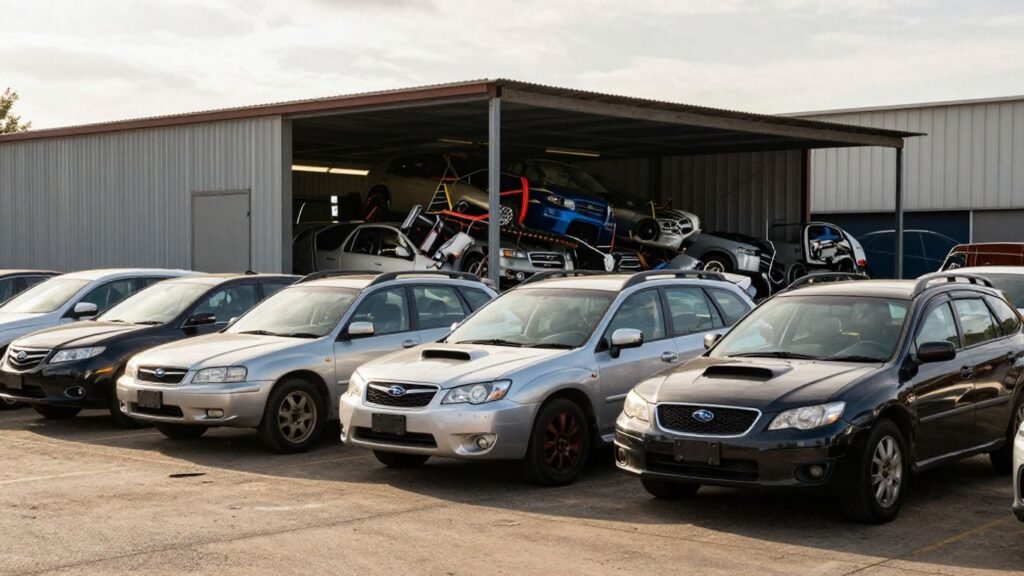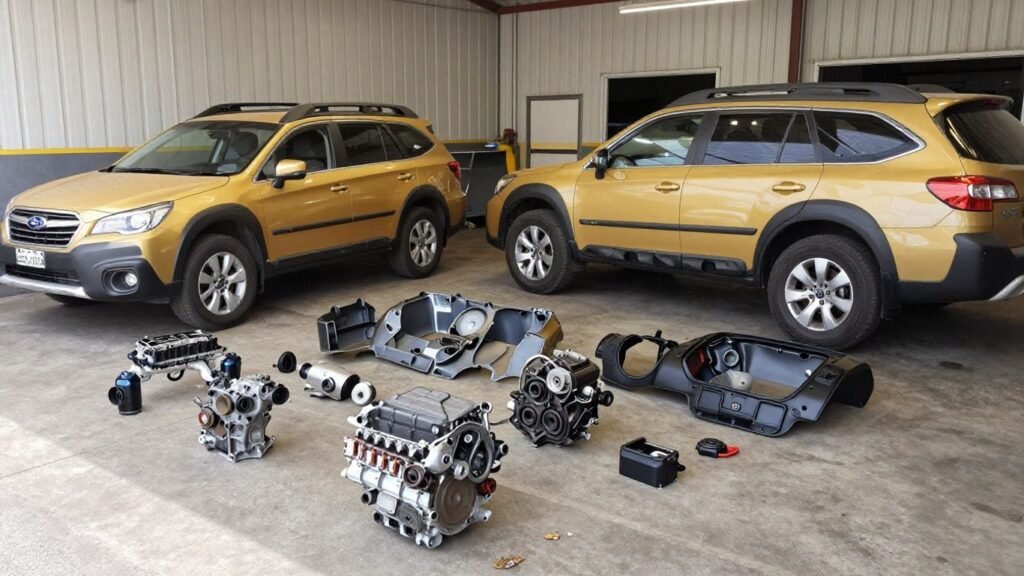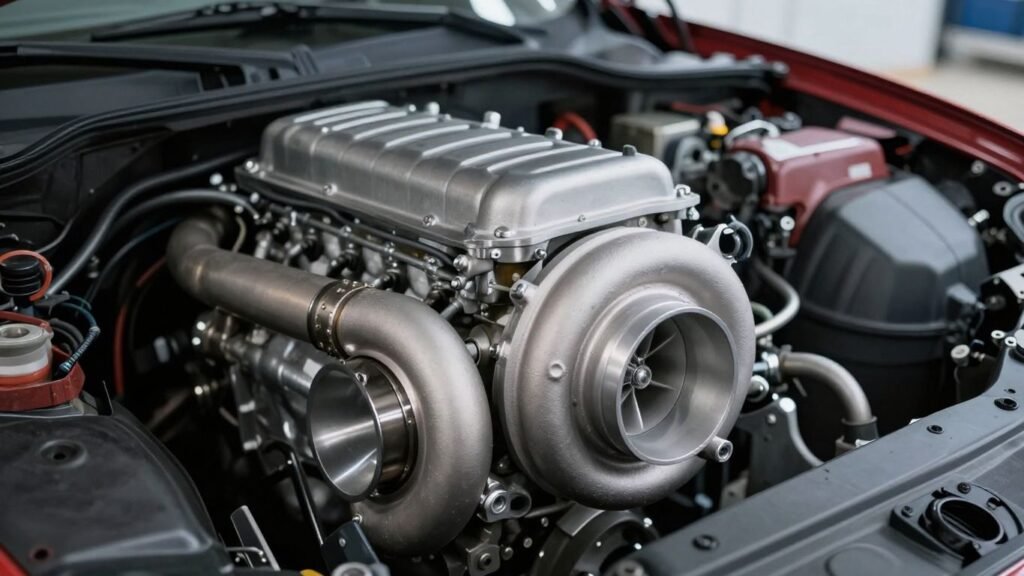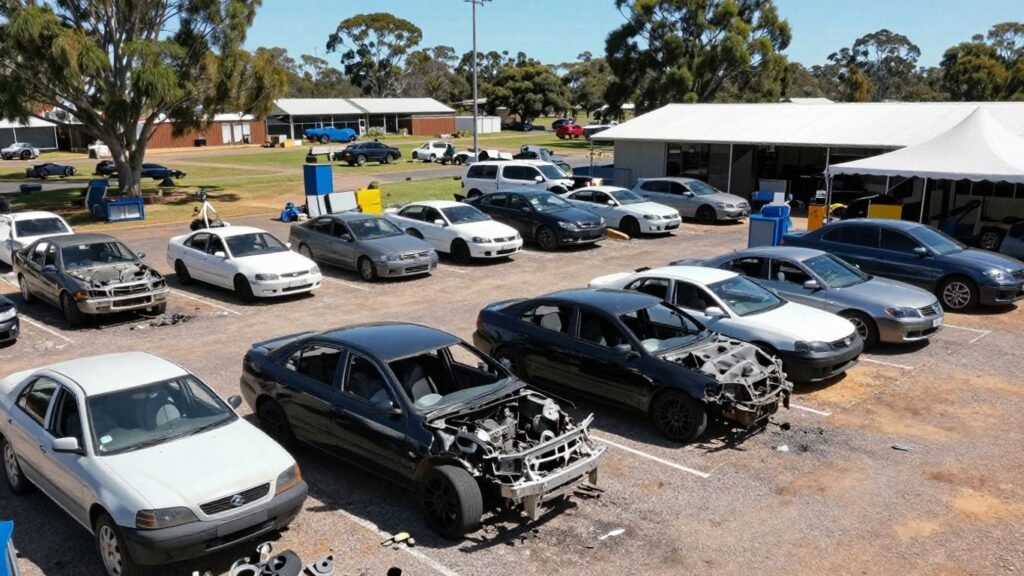

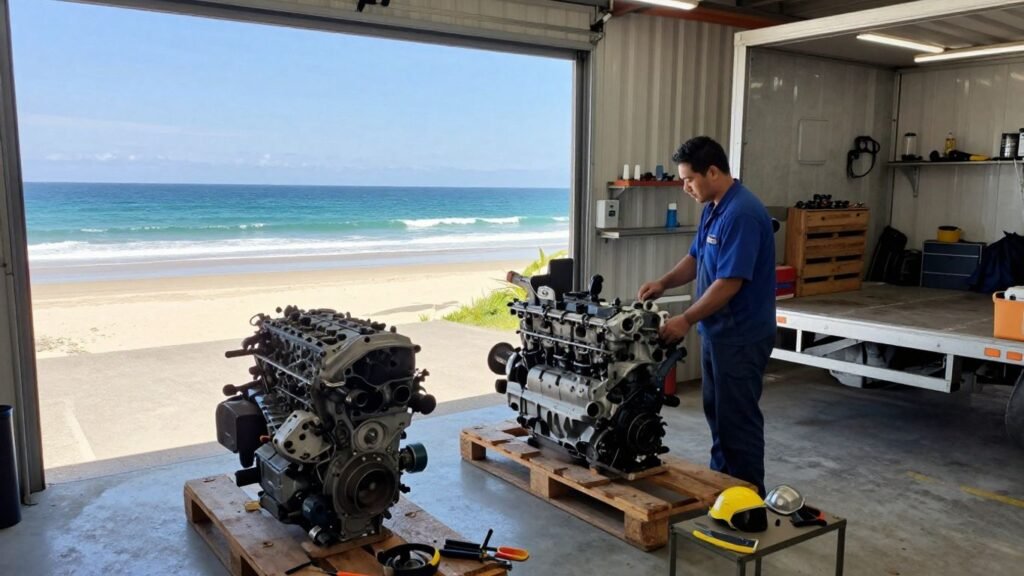
Used Subaru engines in Mandurah—your guide to local pickup or delivery
Key Takeaways A used engine can be a sensible way to return an older Subaru to the road, but the match and inspection matter as much as the asking price. Confirm the engine code, vehicle year, drivetrain, and transmission before buying. Ask for mileage, donor vehicle details, testing information, and warranty terms. Compare the engine price with labor, fluids, seals, and installation parts. Choose pickup or delivery based on safe handling, timing, and your location. Have the replacement inspected and checked carefully before installation and startup. Why a used Subaru engine can be a practical replacement A failed engine does not always mean the whole vehicle has reached the end of its useful life. If the body, interior, suspension, and electrical systems remain in good condition, a suitable replacement may cost less than replacing the car. The decision depends on the engine fault, the vehicle’s value, and the full installed cost rather than the bare engine price alone. When replacing the engine makes more sense than repairing it Repairing an engine can be worthwhile when the damage is limited and the cylinder head, block, or crankshaft can be restored economically. Replacement becomes more attractive when several major components are damaged, machining is required, or the repair estimate keeps growing. An honest comparison should include diagnostic time, machine work, parts, and the risk of finding additional damage after disassembly. The vehicle’s condition should guide the choice too. A well-maintained Subaru with a sound transmission and straight body may justify a used engine, while rust, electrical faults, and neglected maintenance can make a replacement difficult to justify. Common symptoms of serious engine failure Knocking, persistent low oil pressure, heavy smoke, coolant loss, and repeated overheating deserve prompt attention. A vehicle that cranks without starting may have an engine problem, but it could also have a fuel, ignition, timing, or sensor fault, so diagnosis should come before ordering a replacement. Metal in the oil or coolant mixed with oil can point to internal damage, although testing is still needed to identify the cause. Pay attention to changes that appeared together. Overheating followed by white exhaust, for example, calls for cooling-system and compression checks rather than a guess based on one symptom. Benefits of choosing a tested used engine A tested used engine may offer a quicker path to repair than rebuilding a severely damaged unit. It can also give the installer a known starting point when the seller provides mileage, donor information, test results, and clear warranty conditions. The complete condition matters more than a low odometer figure by itself, since storage, maintenance, and the engine’s previous use all affect its value. A replacement can be particularly practical when the rest of the car has a service history worth preserving. Still, “tested” should be treated as a description to verify: ask what was checked, when it was checked, and whether the results are recorded. Potential risks and limitations to consider Used engines are not new engines, and their remaining service life cannot be known with certainty. A donor unit may have wear that is not obvious during a brief inspection, or it may require sensors, covers, accessories, or brackets from the original engine. Compatibility errors can also create expensive delays after delivery. The safest approach is to reduce uncertainty before payment. Confirm the identification details in writing, understand what is included, and avoid treating a warranty as a substitute for checking the engine’s condition and fit. How to match the right engine to your Subaru Matching an engine involves more than choosing a model name from a listing. Subaru vehicles can vary by year, generation, market, drivetrain, transmission, emissions equipment, and engine specification. Collect the vehicle details first, then have the seller verify the proposed engine against them. The following checks help prevent an apparently inexpensive purchase from becoming a conversion or modification project. Confirming the model year and generation Start with the registration details, build information, and exact model designation. A Forester, Impreza, Outback, Legacy, or WRX can have different engines across nearby model years, and a facelift may change important components. Do not rely on body styling or a seller’s broad model description when identifying the replacement. Record the current engine’s visible markings and compare them with the vehicle documents. If the car has previously been modified or its engine has already been replaced, the original factory specification may not describe what is currently installed. Comparing engine codes and specifications The engine code is usually more useful than a general description such as “2.0-litre” or “turbo motor.” Compare the code, displacement, induction setup, cylinder-head arrangement, sensor locations, intake and exhaust connections, and accessory layout. Small differences can affect wiring, control modules, cooling plumbing, and installation time. Ask for photographs of the identification markings and the engine as a whole. A written match should state whether the unit is intended as a direct replacement or whether parts from the existing engine must be transferred. Checking transmission, drivetrain, and emissions compatibility The replacement must work with the vehicle’s transmission and drivetrain arrangement, including the way the engine connects to the gearbox, mounts, sensors, and control systems. All-wheel-drive configurations can make compatibility especially sensitive because a mismatch may affect more than the engine bay. Emissions equipment and market-specific components should also be checked before purchase. A seller or installer should be able to identify any included and excluded parts. If the quote assumes reuse of the original intake, exhaust, wiring, or accessories, that assumption should be stated rather than left to discovery during installation. Using the vehicle identification number for verification The vehicle identification number gives the seller and installer a consistent reference for confirming the car’s build and specification. Provide the full VIN, not only the model badge, and ask the seller to record the compatibility check on the quote or invoice. This creates a useful paper trail if questions arise later. VIN verification does not replace inspection of the engine itself. It confirms the vehicle being matched, while the engine code,