Key Takeaways
Used Subaru parts can make repairs more affordable while keeping genuine components in service. Careful identification, condition checks and responsible recycling help make the process safer and more dependable.
- Compare used parts with new and aftermarket options before buying.
- Match every component to the vehicle’s year, generation, engine and trim.
- Use the VIN and OEM number to reduce fitment mistakes.
- Ask about condition, testing, warranty terms and returns.
- Recycle unwanted vehicles responsibly so usable parts can be recovered.
Why choose Subaru wreckers in Perth WA
A vehicle dismantler can be a practical starting point when a repair does not justify the cost of a new component. Perth buyers may find genuine used parts from vehicles that are no longer on the road, including older generations. The process still calls for care, but a little preparation can make the search much easier.
Cost savings compared with new Subaru parts
Used parts are often considered because they can reduce the cost of a repair without automatically requiring a lower-quality substitute. The final price depends on the component, its condition, demand and availability, so comparing like-for-like parts remains sensible. Check the complete price rather than judging only the listed part value, since delivery and installation may affect the total.
The saving is most useful when the replacement is a straightforward fit and the part’s condition is clearly described. For safety-critical components, have the finished repair inspected by a qualified mechanic.
Access to discontinued and hard-to-find components
Older vehicles can be difficult to maintain when a particular trim piece, switch or body fitting is no longer commonly stocked. Wrecking yards may hold components from vehicles dismantled over several years, giving owners another avenue to investigate. Availability is never guaranteed, so supplying precise vehicle details is essential.
A part that looks similar may still differ by generation or trim. Ask for photographs and identification numbers before committing to a purchase.
Reusing genuine parts to reduce automotive waste
Dismantling gives serviceable components another useful life instead of sending an entire vehicle directly to disposal. Engines, panels, interior fittings and smaller hardware may all be assessed for possible recovery, depending on their condition. This approach can reduce unnecessary demand for replacement manufacturing while keeping repairable vehicles on the road.
Responsible recycling also involves draining fluids, handling batteries correctly and separating materials through suitable channels. The environmental benefit depends on proper dismantling rather than simply moving an unwanted car elsewhere.
When used parts are a better choice than aftermarket alternatives
A used original component can make sense when appearance, mounting points or factory specifications matter more than having a brand-new part. This is particularly relevant for matching body colour, interior trim or a discontinued fitting. Aftermarket parts may still suit some repairs, but compatibility and finish should be compared carefully.
The best choice depends on the vehicle, the part and the repair’s purpose. A mechanic can help decide whether a used, new or aftermarket component is appropriate for the job.
Subaru models and parts commonly available
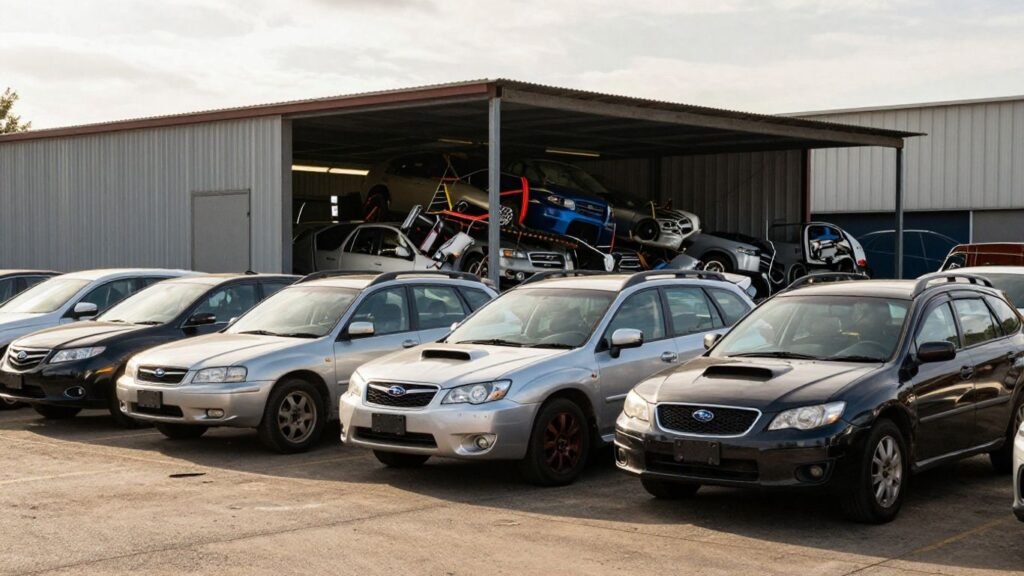
Perth wreckers may handle a changing mix of vehicles, so stock varies from one day to the next. The models named in this guide cover common searches, but the exact component still needs to be matched carefully. A clear request is more useful than a broad description such as “parts for an older Subaru.”
Subaru Impreza parts for everyday repairs and upgrades
Impreza owners commonly search for replacement lights, mirrors, doors, interior pieces, suspension components and engine-bay fittings. A wrecker may also be worth contacting for smaller hardware that is difficult to source separately. Model year and body style should be included because similar-looking parts can vary.
For an upgrade, confirm that the donor component suits the existing systems rather than assuming it will bolt straight on. Photographs, OEM numbers and mechanic advice can prevent an expensive mismatch.
Subaru Forester engines, panels and interior components
Forester searches often involve engines, transmissions, doors, guards, bumpers, seats and dashboard trim. These vehicles span several generations, and equipment can differ significantly between variants. Ask whether a major mechanical part has been tested and what history is known about it.
Panels should be checked for dents, corrosion, colour differences and damaged mounting points. Interior parts also benefit from photographs that show wear, stains and broken clips.
Subaru Outback parts for touring and family vehicles
Outback owners may need practical replacement items such as tailgates, roof fittings, lights, seats, suspension parts or cargo-area trim. Touring use can make condition especially relevant, since wear may be concentrated around hinges, storage areas and load points. The correct year and body generation should be supplied with every enquiry.
For family vehicles, inspect seatbelts, airbags and other restraint-related equipment through a qualified professional. Do not assume that a used safety component is suitable without proper verification.
Subaru Liberty parts across multiple generations
Liberty parts can be harder to identify when several generations share similar names but use different fittings. A request should include the build year, body style, engine and side of the vehicle. This helps a yard search its inventory without relying on appearance alone.
Exterior trim, mirrors, switches and suspension pieces may be available even when a complete assembly is not. Confirm whether the quoted item includes brackets, wiring, fasteners or other attached pieces.
Subaru WRX performance and drivetrain components
WRX enquiries often focus on drivetrain components, wheels, brakes, suspension and engine-related parts. Performance use can place greater demands on these items, so condition and provenance deserve direct questions. A low price does not replace the need to verify wear, damage and suitability.
Modified vehicles require extra caution because the original specification may already have changed. Have a specialist inspect important drivetrain or braking components before installation and use.
How to find the right used Subaru part
Correct identification is the foundation of a successful used-parts purchase. Names such as “front assembly” or “automatic gearbox” may describe several different items, and a small variation can prevent installation. Gather the vehicle details before contacting a yard, then keep the response and photographs for reference.
Matching the part to the model year and generation
Start with the build year rather than relying only on the registration year. Facelifts, platform changes and mid-generation updates can alter lights, panels, wiring and interior fittings. The body style and market specification may matter as well.
If possible, photograph the existing part and its mounting points. Comparing those details with the donor component is often more useful than comparing general shape.
Checking engine, transmission and trim compatibility
Mechanical compatibility depends on more than the model badge. Engine type, transmission, drive system, trim level and optional equipment can all affect fitment. State whether the vehicle is manual or automatic and include any relevant drivetrain information.
For electrical and interior items, trim differences can be just as significant as engine differences. Ask what is included in the assembly and whether programming or specialist installation may be required.
Using VIN and OEM numbers for accurate identification
The VIN gives a parts supplier a stronger starting point than a model name alone, while an OEM number can help distinguish visually similar components. Provide both where available, along with a photograph of the original part. This creates a clearer record of what was requested.
Numbers should still be confirmed rather than treated as an automatic guarantee. Suppliers and mechanics can check whether the replacement number supersedes or cross-references another designation.
Confirming left-hand and right-hand component differences
Doors, mirrors, lights, suspension pieces and some interior components are often side-specific. Always state whether you need the left or right side, and clarify whether that means the driver or passenger side in the vehicle’s market. This avoids a surprisingly common ordering error.
A photograph of the part from the front and rear can reveal side-specific brackets or connectors. Before payment, repeat the side, colour and included fittings in writing.
What to expect when buying from Perth Subaru wreckers
A used part is not a sealed new product, so condition information matters. A reputable transaction should give you enough detail to judge whether the component suits the repair and the budget. Ask direct questions, keep written confirmations and allow time for inspection where practical.
Inspecting the condition of engines and transmissions
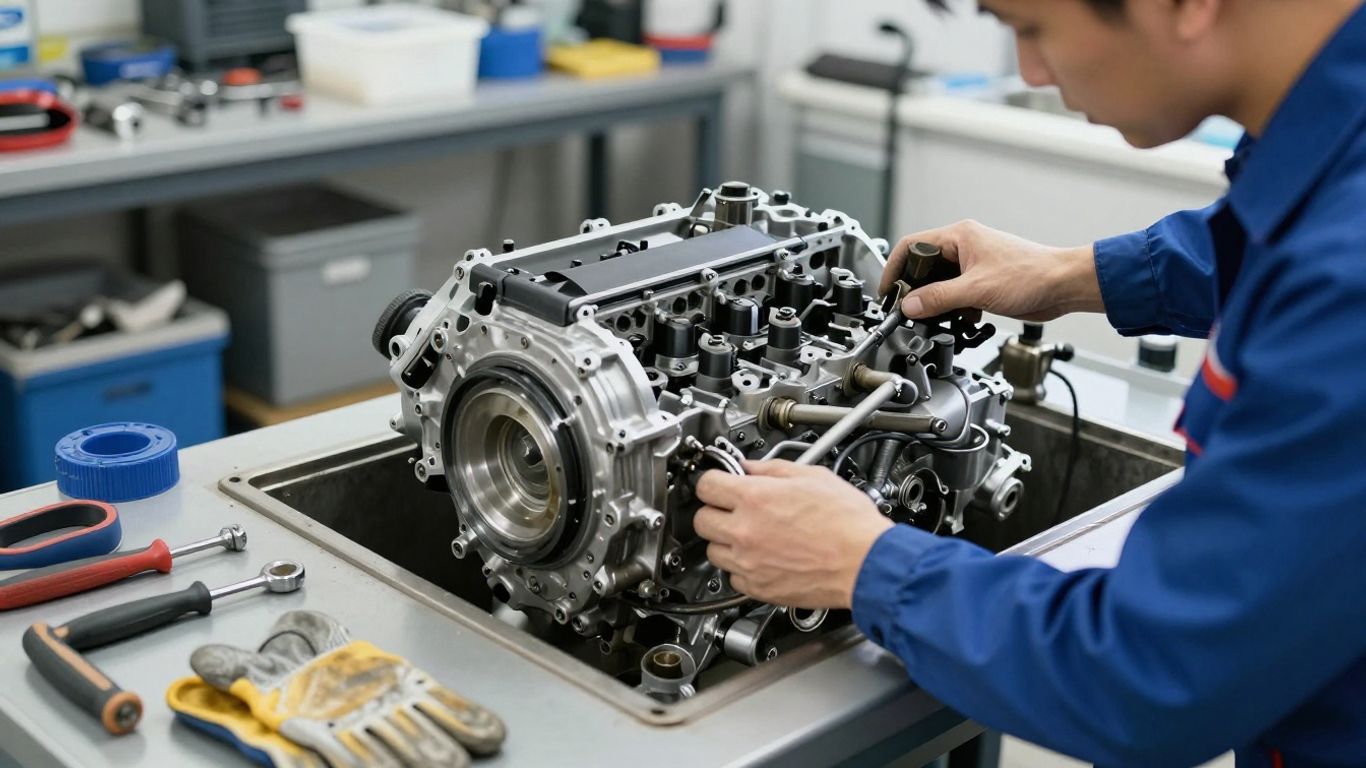
Major mechanical components deserve questions about mileage, compression or testing, leaks, storage and the vehicle they came from. Not every yard will have the same test information, so ask what has actually been checked rather than assuming a part is fully reconditioned.
Confirm whether accessories, sensors, mounts and ancillary components are included. Installation by a qualified mechanic can also reveal whether seals, fluids or related service items should be replaced before use.
Assessing body panels, lights and exterior parts
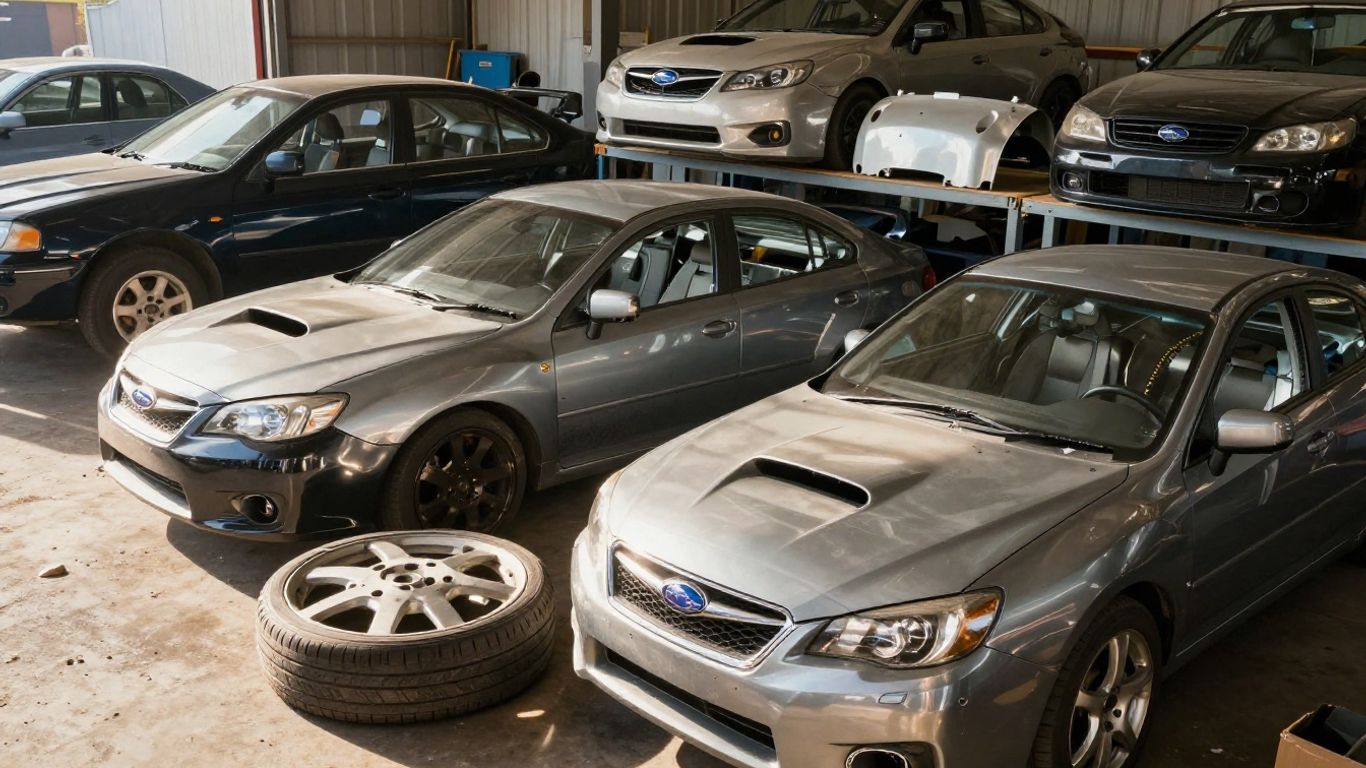
Inspect panels for rust, dents, creases, repaired areas and broken mounting tabs. Lights should be checked for cracked lenses, moisture, damaged connectors and hazing. Paint colour may vary even when the factory colour code is the same, so a perfect visual match is not guaranteed.
Ask for clear photographs in natural light when an in-person inspection is not possible. A panel that is structurally usable may still need preparation and paintwork before it looks right on the vehicle.
Checking electrical, interior and suspension components
Electrical parts should be checked for broken plugs, corrosion and signs of water damage. Seats, trims and switches need close attention to wear, fading, stains and missing clips, while suspension components should be assessed for corrosion, leaks and excessive play.
The right inspection depends on the part’s role. Components connected with steering, braking, restraint or suspension systems should be assessed by a qualified technician before they are placed into service.
Understanding warranties, returns and fitment guarantees
Warranty and return terms can differ by seller and by component. Before paying, ask how long coverage lasts, what it includes, whether labour is excluded and what evidence is needed if a part fails. Fitment assistance is useful, but it does not remove the need to provide accurate vehicle information.
Write down the agreed part number, condition, price and return conditions. That simple record makes it easier to resolve a dispute if the delivered component differs from the original description.
How to order Subaru parts from a wrecker
Ordering is usually smoother when the request is specific and realistic. Include the vehicle details, the exact component, its side and any identifying number. If the part is urgent, say so early, but allow time for stock and condition to be confirmed.
Searching online inventories and vehicle dismantling yards
Online inventories can help locate a likely part, while direct enquiries may uncover stock that has not yet been listed. Search by model, year, body style and component rather than using the vehicle name alone. Local yards may also clarify whether the part is ready for collection or still attached to a donor vehicle.
Do not treat an online photograph or short description as a final fitment confirmation. Use it as the starting point for a more detailed conversation.
Requesting photos, mileage and condition details
Ask for photographs of the actual item, not only a representative image. For engines and transmissions, request available mileage and test information; for body and interior parts, ask about damage, colour and wear. Mention any concerns that would make the part unsuitable.
The more specific the questions, the less likely the delivered component will surprise you. It is also helpful to ask whether brackets, plugs, keys or other related pieces are included.
Comparing prices, availability and delivery options
Price comparisons are meaningful only when the parts have similar condition, inclusions and warranty terms. One quote may include attached hardware while another may cover the bare component. Check dispatch timing as well, particularly if the vehicle is already occupying a workshop bay.
A slightly higher quote may be preferable if it includes clearer testing, better documentation or a practical return arrangement. The cheapest option is not always the lowest-cost repair.
Arranging pickup or shipping across Perth and WA
Confirm the collection address, opening hours, payment method and packaging before travelling to a yard. For delivery across Perth or regional WA, ask about freight size, tracking, damage procedures and who is responsible for unloading heavy items. Large panels and mechanical assemblies need suitable packaging.
A clear delivery plan is part of choosing the right used part, not an afterthought.
Once the transport details are agreed, keep the consignment information and inspect the package promptly on arrival. Photograph visible freight damage before opening or installation.
Selling or recycling an unwanted Subaru
An unwanted vehicle may still contain recoverable parts, even when it is damaged, incomplete or no longer economical to repair. Preparing it carefully can make the handover easier and help the dismantler assess it accurately. The process should also account for ownership, hazardous materials and personal belongings.
Preparing an Impreza, Forester, Outback, Liberty or WRX for dismantling
Tell the recycler whether the vehicle runs, rolls, has collision damage or is missing major components. Share known mechanical faults and any modifications, since this information can affect collection and assessment. Do not attempt to make a severely damaged vehicle roadworthy just for transport.
Arrange suitable towing or collection when required, and leave access clear around the vehicle. Honest details usually make the quotation and removal process more straightforward.
Supplying registration and ownership information
Have identification, registration details and proof of ownership available when requested. Requirements can vary depending on the buyer, vehicle status and local process, so confirm what documents are needed before collection. Record the handover and ask about any cancellation or notification steps that apply.
If the vehicle is unregistered or written off, mention that at the start. Accurate paperwork protects both parties and helps prevent delays.
Removing personal items and valuable accessories
Search the cabin, boot, glovebox, door pockets and under-seat areas before the vehicle leaves. Remove toll tags, garage remotes, paperwork, tools, child seats and personal electronics. Check whether aftermarket accessories are being sold with the vehicle or retained by you.
Make a final walk-around in daylight, including the engine bay and spare-wheel well. Once dismantling begins, recovering a forgotten item may be difficult or impossible.
Choosing responsible vehicle recycling and parts recovery practices
Ask how the vehicle will be dismantled, stored and recycled, particularly how fluids, batteries, tyres and refrigerants are handled. A responsible operator should separate usable components and direct remaining materials into appropriate recycling streams. That is better than abandoning a vehicle or allowing it to leak pollutants.
Keep the transaction record and confirm that collection has been completed properly. Responsible recovery gives useful parts another chance while reducing the amount of material sent to landfill.
Conclusion
Finding Subaru wreckers Perth WA – Impreza, Forester, Outback, Liberty, WRX parts is easier when the search begins with accurate vehicle details and realistic expectations. Compare total costs, inspect condition, confirm fitment and clarify delivery or warranty terms before committing. For an unwanted vehicle, proper paperwork and responsible dismantling can turn a difficult disposal task into a useful parts-recovery process.




