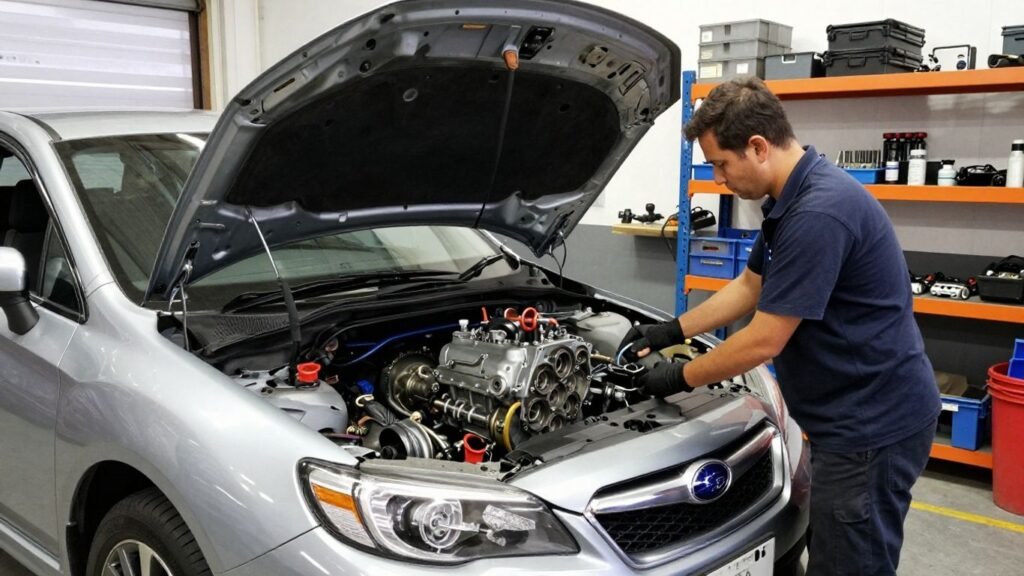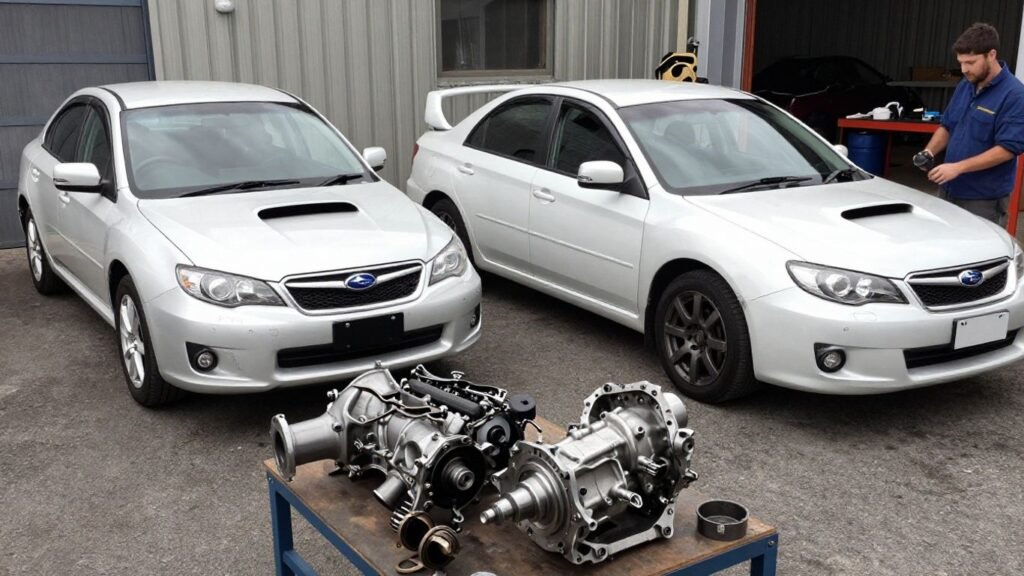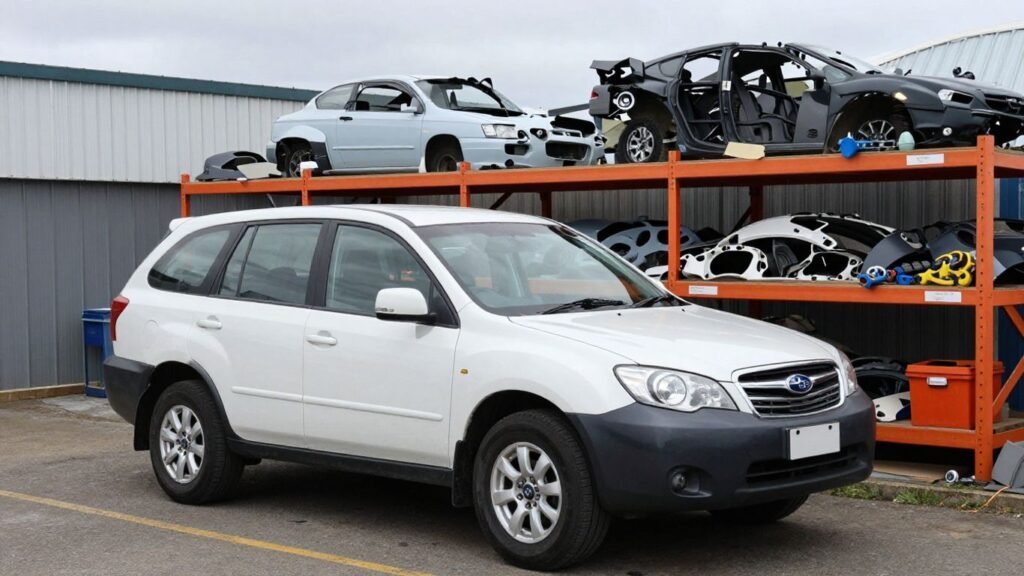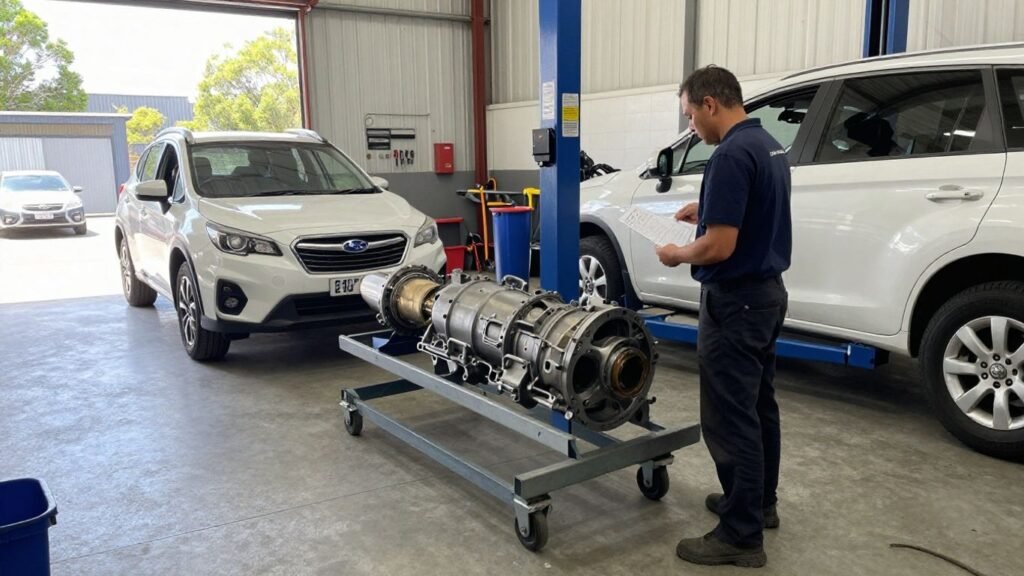

Subaru wreckers Campbelltown: A guide to WRX and Forester specialists
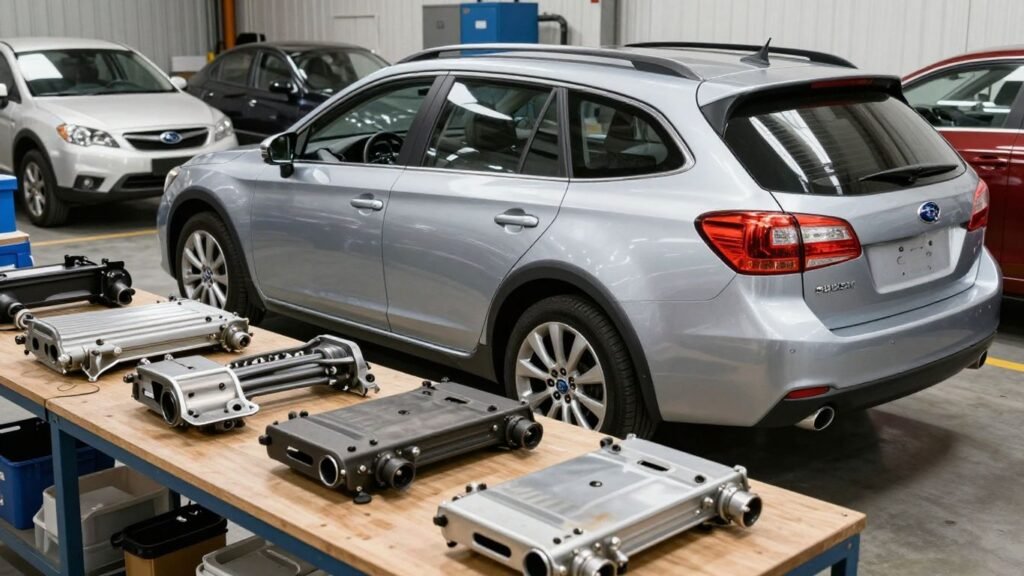
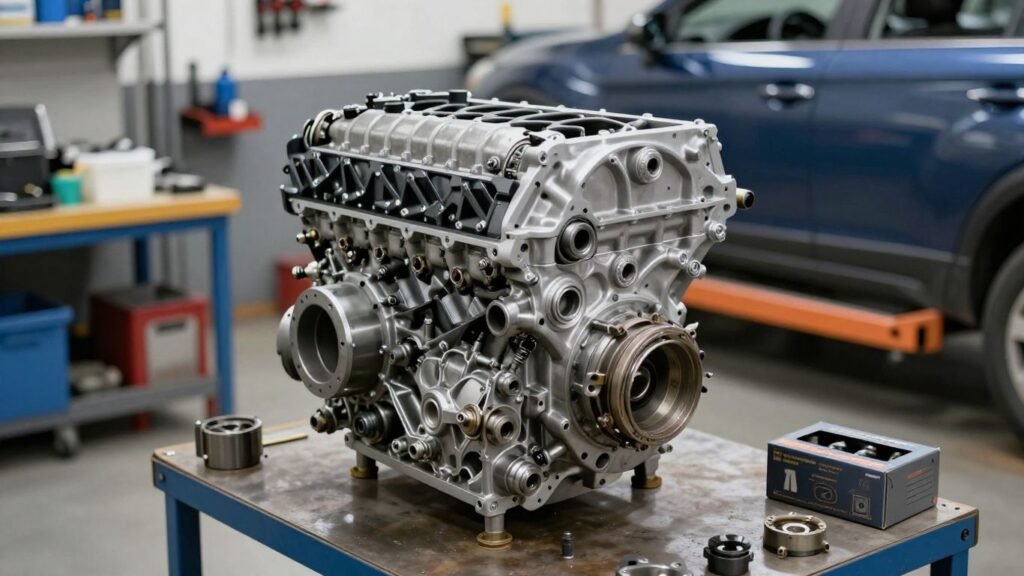
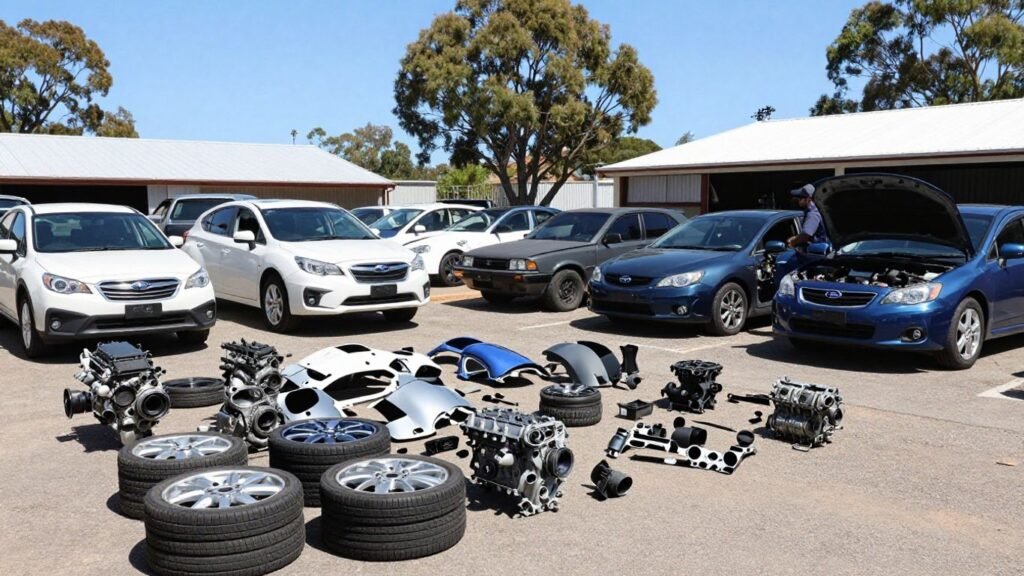
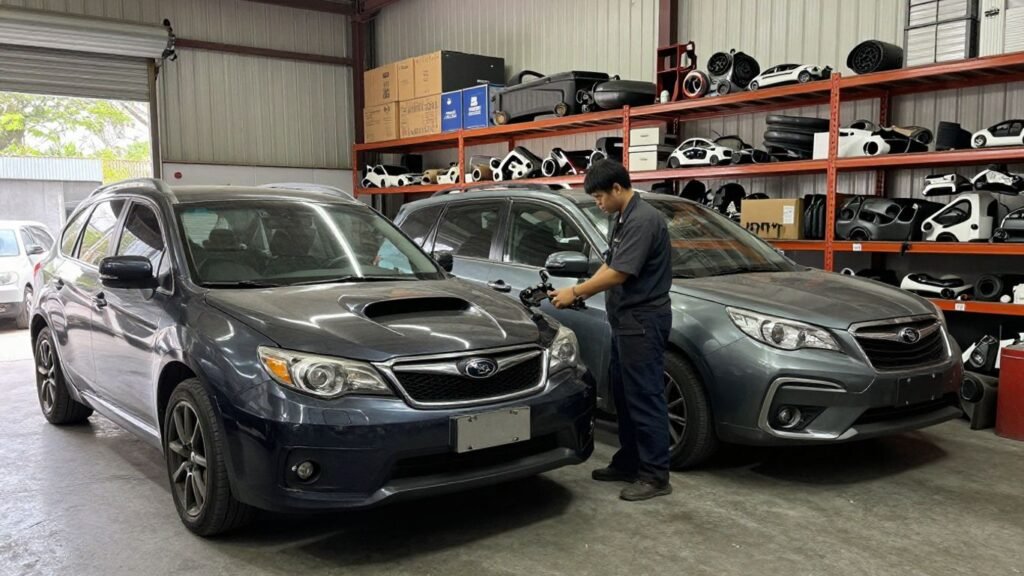
Key Takeaways A careful search can make a used Subaru part a practical repair option, but fitment and condition deserve close attention. Confirm the details before arranging a purchase. Match the part to the vehicle’s year, generation, trim, and mechanical setup. Use the VIN and part number to help confirm compatibility. Ask about condition, included components, warranty, and return terms. Check pickup or delivery arrangements before committing to a purchase. Compare the total repair cost with the risks and benefits of a new part. What Subaru wreckers do Subaru wreckers dismantle vehicles and make usable components available for reuse. Their stock can change as vehicles arrive and parts are assessed, so availability is rarely something to assume from a model name alone. A useful conversation starts with the exact vehicle and the part you need. It also helps to understand how the part was described and what that description does, and does not, tell you. How vehicles are dismantled and parts are cataloged A vehicle may be assessed before selected components are removed, identified, and recorded for later reference. Catalog details can include the model, year, part description, and a stock or part number, though the level of detail varies. When you contact a wrecker, ask how the part is labeled and whether its identification has been checked against the vehicle it came from. Clear catalog information makes it easier to compare a possible match with your own vehicle. When a used Subaru part may be a practical choice A used component may suit a repair when its condition is acceptable, compatibility is confirmed, and the cost makes sense for the job. Cosmetic marks may matter little on some components, while wear or damage can be critical on others. Consider the part’s role, the labor needed to install it, and what happens if it does not work as expected. The total repair cost is more useful than the part price by itself. Which components are commonly available Stock depends on the vehicles a wrecker has received and the parts that have been assessed for reuse. You might ask about body panels, mirrors, interior pieces, lighting, wheels, or mechanical components, but no particular item should be treated as guaranteed inventory. The following examples can help make an inquiry specific. Part category Details to confirm Body and exterior Side, position, color, and mounting points Interior Trim, connector type, and included fittings Lighting and electrical Part number, plugs, and tested status Mechanical Engine or transmission code and condition Use the table as a prompt for questions, not as a promise that any part is available. A wrecker can confirm whether a suitable item is in stock and what identifying details it can provide. How wreckers handle end-of-life vehicles Vehicles at the end of their useful road life may still contain components that can be assessed for reuse. Other materials need to be handled or processed separately, and procedures can vary between businesses. If you are arranging disposal as well as looking for a part, ask what services are available and what information or paperwork is required. Keep separate any questions about buying a component from questions about a vehicle’s disposal. Finding compatible WRX and Forester parts A WRX or Forester badge is a starting point, not a fitment guarantee. Model year, generation, trim, market specification, and mechanical configuration can all affect whether a part matches. Before paying, gather the information from your vehicle and compare it with the part details supplied by the wrecker. That small step can prevent a return or a repair delay. Match parts by year, generation, and trim Begin with the vehicle’s model year and generation, then note its trim or variant if you know it. Similar-looking components can change between updates, and a part that fits one version may not fit another. Share these details when asking about stock, rather than relying on a broad description such as “Forester part.” If you are unsure of the generation, the vehicle documents or a parts professional may help identify it. Use the VIN to confirm fitment The vehicle identification number can help distinguish your exact vehicle when model names and years leave room for uncertainty. Provide the VIN to the wrecker and ask whether it can be used to check the proposed part. A VIN is useful supporting information, but it does not replace confirming the part number, configuration, and any relevant variations. If you prefer not to send it in an open message, ask about a suitable way to share it. Check engine, transmission, and drivetrain differences Mechanical components may depend on the engine, transmission, or drivetrain configuration, so confirm those details before treating a part as interchangeable. WRX and Forester versions can differ, and changes within a model range may matter too. Check the codes or specifications shown on your vehicle or existing component, then compare them with the donor part information. When details are unclear, have the installer or a knowledgeable parts professional review the match. Verify interchangeability before buying A shared shape or familiar part description does not prove that two components will work together. Ask the wrecker to confirm the part number or other fitment information and explain any known limitations. Save the response, especially if you will rely on it when arranging installation or discussing a return. Confirm the exact application before treating a similar-looking part as a match. That check is particularly worthwhile when the part is costly, difficult to install, or tied to a vehicle’s mechanical setup. If fitment remains uncertain, pause the purchase until the relevant details are resolved. Buying used parts from a local Subaru wrecker A focused inquiry makes it easier for a local wrecker to understand what you need and check what may be available. Include the vehicle details, part description, and any numbers you can read from the old component. Then clarify condition, what is included, and how the part can reach you in Campbelltown. A clear exchange up front leaves less room for assumptions later.