Find Quality Subaru XV Wreckers in Sydney for Your Next Project
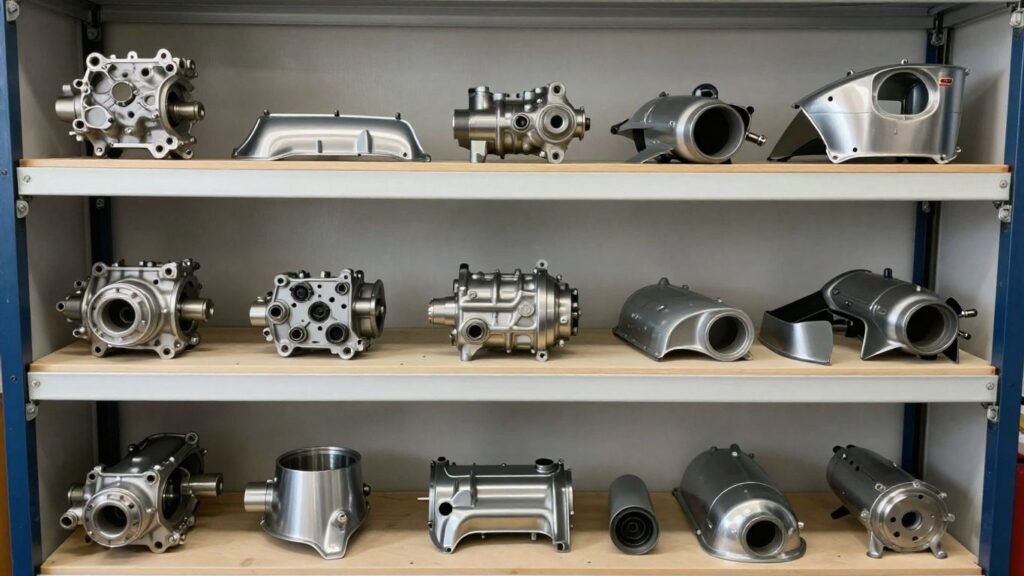
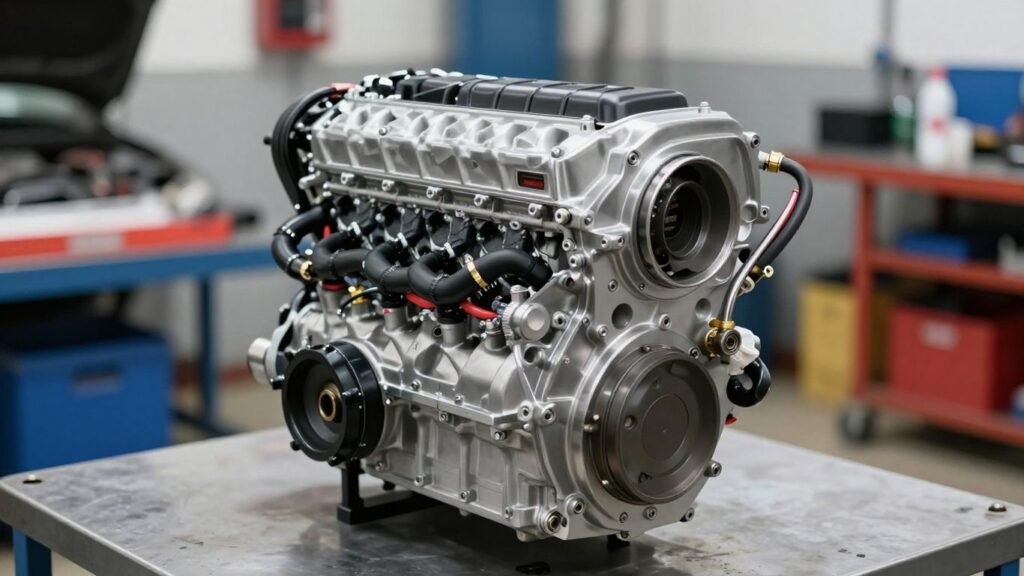
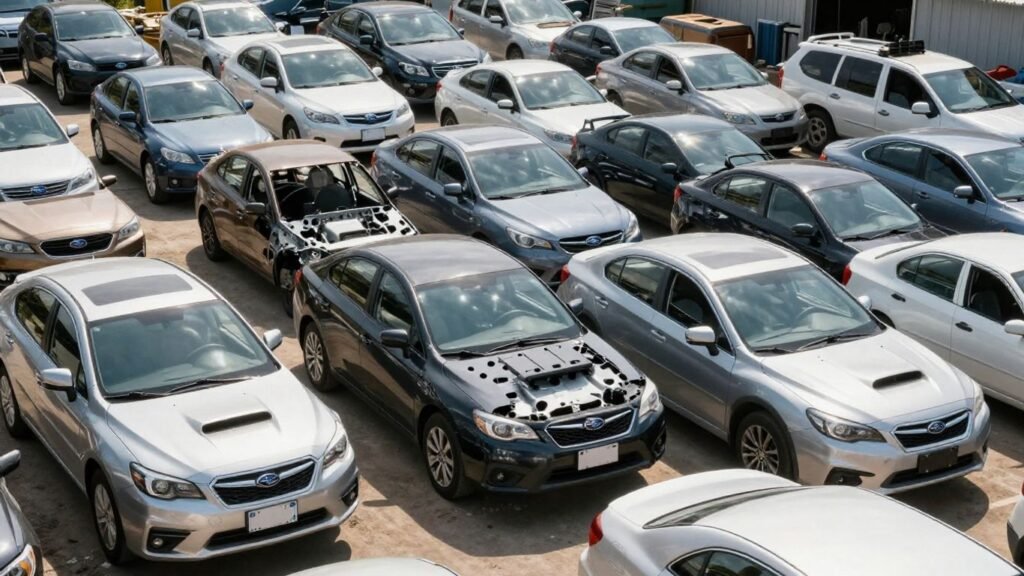
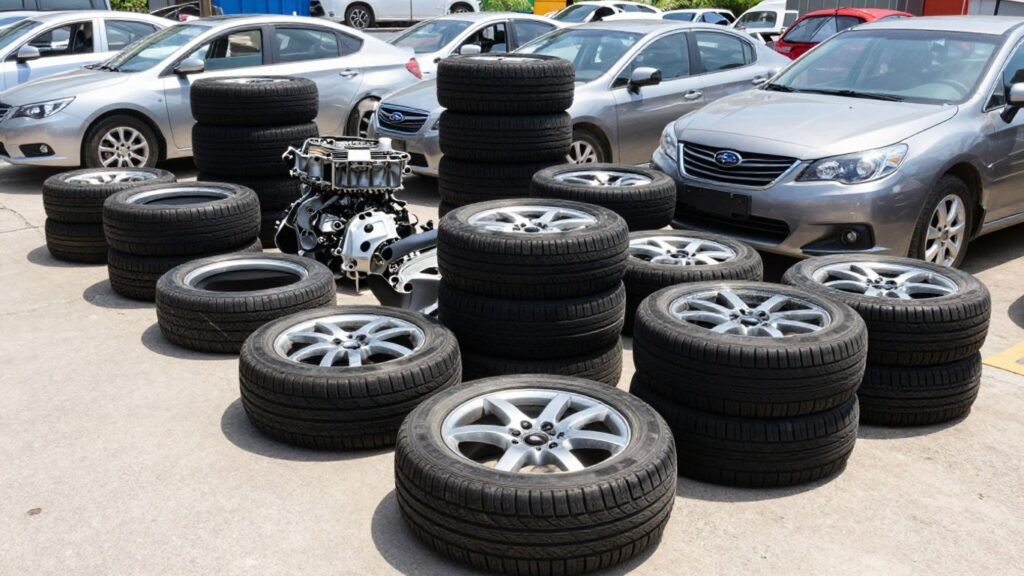
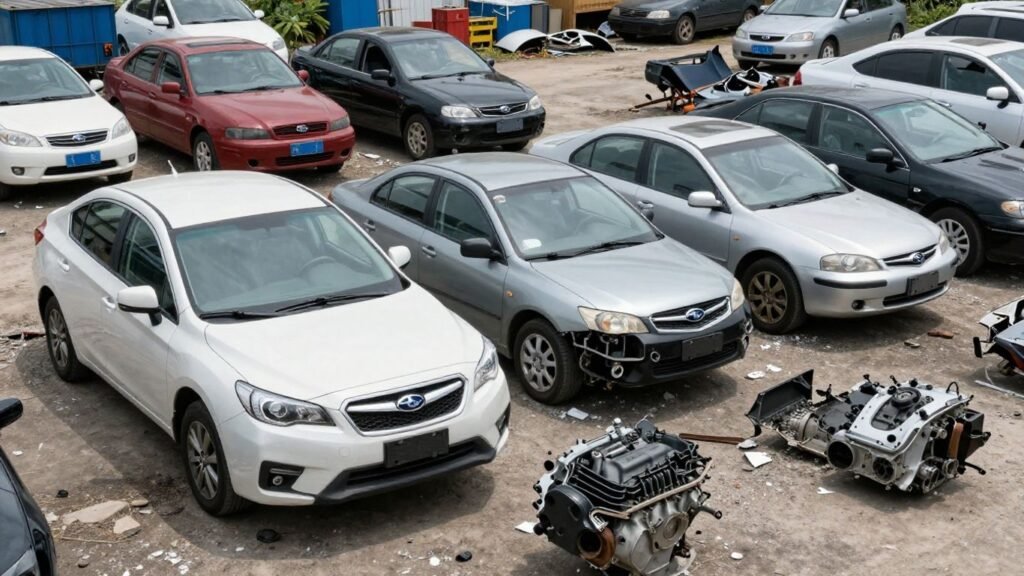
So, you’ve got a Subaru XV and you’re looking to fix it up or maybe you just need a specific part. Buying new can really add up, right? Well, a smart move is to check out Subaru XV wreckers in Sydney. These places are basically experts at taking apart old Subarus and salvaging the good bits. It’s a great way to find what you need without spending a fortune, and it’s better for the planet too. Let’s talk about how to find the right ones. Key Takeaways Subaru XV wreckers in Sydney offer a cost-effective way to get used parts for your car. Reputable wreckers have specialized knowledge of Subaru models and a good selection of parts. Look for wreckers who check and test their parts, and ask about warranties. Many Sydney wreckers buy unwanted Subaru XVs and offer free removal services. Using wreckers promotes vehicle recycling and reduces the demand for new parts. Finding Quality Subaru XV Wreckers in Sydney So, you’ve got a Subaru XV project or maybe just need a replacement part that won’t break the bank. Finding a good wrecker in Sydney can feel a bit like searching for a needle in a haystack, but it’s totally doable. These places specialize in taking in unwanted Subarus – think old, damaged, or just plain tired vehicles. They’re pretty good at taking them apart carefully, salvaging all the usable bits so you can get your hands on them. Why Choose Sydney Subaru Wreckers? Sydney has a bunch of places that really know their Subarus. They’re not just general scrap yards; they focus on Subaru models, which means they understand the quirks and specific parts of cars like your XV. This specialized knowledge is a big deal because it means they’re more likely to have the exact part you need and know how to remove it without damaging it further. Plus, dealing with a specialist often means a smoother process overall. Benefits of Sourcing Used Parts Let’s be real, new car parts can cost a fortune. Getting used parts from a wrecker is a smart way to save money. You can often find genuine Subaru parts for a fraction of the new price. This is especially true for older models where new parts might be hard to come by anyway. It’s a win-win: you save cash, and you’re giving a perfectly good part a second life instead of it ending up in landfill. What to Expect from Reputable Wreckers When you find a good wrecker, they’ll usually have a decent stock of parts. They’ll often test the parts before selling them, so you have a better idea of their condition. Some might even offer a short warranty, which is always a nice bit of reassurance. You can expect them to be upfront about the condition of the part and happy to answer your questions. It’s about getting a part you can trust without all the hassle. Dealing with a reputable wrecker means you’re not just buying a piece of metal; you’re getting a component that’s been carefully extracted and often checked for usability. This saves you time and potential headaches down the road when you’re trying to get your XV back in shape. Navigating the Sydney Wrecking Scene for Your Subaru XV So, you’re on the hunt for parts for your Subaru XV, and you’ve landed on Sydney’s wrecking yards. It can feel a bit overwhelming at first, right? But there are some key things to keep in mind that make the whole process much smoother. Specialized Knowledge of Subaru Models Not all wreckers are created equal. The best ones in Sydney really know their Subarus. They understand the differences between an XV, an Impreza, or a Forester, and they know which parts are interchangeable or specific to certain years. This specialized knowledge means they can help you pinpoint the exact part you need, saving you time and frustration. They’re not just taking apart random cars; they’re dismantling Subarus with a purpose, understanding the value and application of each component. Inventory of Diverse Subaru Parts A good Subaru wrecker will have a steady stream of vehicles coming through. This means their inventory is always changing, but it also means a better chance of finding what you’re looking for. Whether you need a common part like a headlight or something more specific like a turbocharger, a well-stocked yard is your best bet. It’s worth calling ahead or checking their online listings if they have them, just to see if they have a Subaru XV on the lot or the part you’re after. Responsible Dismantling and Recycling When you’re dealing with reputable wreckers, you can expect them to handle vehicles responsibly. This means they’re not just crushing cars; they’re carefully taking them apart. They drain fluids properly, sort materials for recycling, and salvage usable parts. It’s good to know that the place you’re getting your part from is also doing their bit for the environment. Choosing a wrecker that prioritizes responsible practices means you’re supporting a business that cares about more than just profit. They’re contributing to a circular economy in the automotive world. It’s always a good idea to ask about their process. Do they test the parts they salvage? Do they have a system for organizing their inventory? These questions can give you a good sense of how professional and reliable they are. Key Considerations When Selecting Subaru XV Wreckers So, you’ve decided to go the used parts route for your Subaru XV project, which is a smart move for your wallet and the planet. But not all wreckers are created equal, and picking the right one in Sydney can make a big difference. You don’t want to end up with a part that’s more trouble than it’s worth, right? Here’s what to look out for. Checking Part Condition and Testing This is probably the most important thing. When you’re looking at a used part, especially something big like an engine or transmission, you need to know its