Subaru Head Gasket Failure Prevention: Tips to Keep Your Boxer Engine Running Smoothly
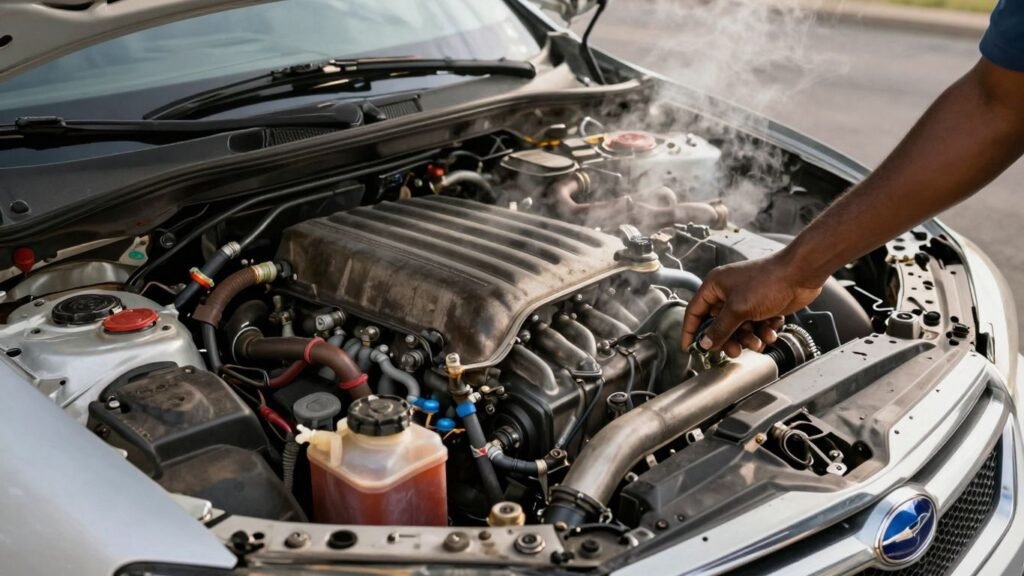
Subaru head gasket failure prevention is something many owners worry about. These cars have a unique engine design, and over time, some models have had issues with their head gaskets. It’s not a fun problem to deal with, and it can get expensive fast. But the good news is, there are ways to help keep your Subaru’s engine running smoothly and avoid these headaches. This article will walk you through what you need to know. Key Takeaways Regular maintenance, like sticking to oil change schedules and using good oil, really helps prevent Subaru head gasket failure. Keeping your Subaru’s cooling system in check is super important. Watch the temperature gauge and fix overheating issues right away. Always use the right coolant type and mix for your Subaru. Fresh coolant prevents corrosion and keeps things cool. Learn the signs of a failing head gasket, like coolant leaks or milky oil. Catching it early saves you money and trouble. Find a mechanic who knows Subarus well. They can spot problems early and do the job right if you need repairs. Understanding Subaru Head Gasket Failure Prevention The Boxer Engine’s Unique Demands Subaru’s signature boxer engine, with its horizontally opposed cylinders, has a distinct design. This layout means the head gaskets have to seal combustion chambers that are laid out flat. While this design offers benefits like a lower center of gravity, it also puts unique stresses on the head gaskets. They have to handle the pressure and heat from two cylinders firing on each side, all while being exposed to the elements and engine vibrations. It’s a tough job, and over time, these gaskets can start to wear down. Impact of Heat Cycles on Gaskets Think about how often your engine heats up and cools down. Every time you start your car, the engine gets hot, and when you turn it off, it cools. This constant cycle of expansion and contraction puts a lot of strain on the head gasket material. Over thousands of these cycles, the gasket can become brittle or lose its sealing ability. This repeated thermal stress is a major contributor to gasket failure over the life of the vehicle. The Role of Electrolysis in Cooling System Corrosion It might sound a bit technical, but electrolysis can play a sneaky role in head gasket problems. Basically, it’s an electrochemical process that can occur in your cooling system. If there are stray electrical currents or impurities in the coolant, it can cause corrosion. This corrosion can eat away at metal components, including parts of the head gasket itself, weakening it over time and making it more prone to leaks. Keeping your cooling system clean and using the right coolant helps prevent this. Proactive Maintenance for Head Gasket Longevity Keeping your Subaru’s head gaskets in good shape really comes down to being on top of your regular maintenance. It’s not just about oil changes, though those are super important. Think of it as a whole system approach to keeping that boxer engine happy. Adhering to Recommended Maintenance Schedules Your owner’s manual isn’t just a suggestion; it’s your best friend when it comes to keeping your Subaru running right. Following Subaru’s suggested service intervals for things like oil changes, filter replacements, and general inspections means you’re catching potential problems before they get big. It’s like going to the doctor for regular check-ups – you find out if something’s off early. The Importance of Quality Engine Oil Don’t skimp on the oil. Using the right kind of high-quality engine oil, the one your Subaru calls for, is a big deal. It keeps all those moving parts inside your engine well-lubricated, which means less friction and less stress on everything, including the head gaskets. Think of it as giving your engine a good, clean bath. Regular Coolant Flushes and Refills Your cooling system is directly linked to head gasket health. Over time, coolant can break down, lose its protective properties, and even get contaminated. Scheduling regular coolant flushes and refills with the correct type of coolant keeps the system working efficiently and prevents overheating, a major enemy of head gaskets. It’s a good idea to check the coolant level and condition between these services too. Keeping your cooling system in top shape is one of the most direct ways to protect your head gaskets. Fresh coolant and a properly functioning system mean less heat stress, which is exactly what those gaskets need to last. Maintenance Item Recommended Interval (Example) Notes Oil Change 5,000 – 7,500 miles Use manufacturer-recommended oil type Coolant Flush & Refill 30,000 – 60,000 miles Use Subaru-specific or compatible coolant Inspection Per owner’s manual Check hoses, belts, and fluid levels Keeping Your Subaru’s Cooling System Optimal Your Subaru’s cooling system is like its personal thermostat, and keeping it in good shape is a big deal for the head gaskets. These engines can get pretty warm, and if that heat isn’t managed right, the gaskets can start to give up the ghost. Monitoring Engine Temperature Closely It sounds simple, but really watching that temperature gauge is important. Most of the time, it sits steady in the middle. If you see it start creeping up, especially towards the red zone, that’s your cue to pay attention. Don’t just keep driving hoping it’ll go back down. Pull over safely as soon as you can. A little bit of extra heat might not seem like much, but over time, it really stresses out those head gaskets. Addressing Overheating Incidents Promptly So, you saw the temp gauge climb. What now? First, turn off the engine. Let it cool down completely. Then, you can check the coolant level, but be careful, it might be hot. If it’s low, you’ll need to add more, but you should also try to figure out why it got low. Is there a visible leak? Is the fan working? Sometimes, a quick fix is all that’s needed, but if you’re not sure, it’s best to get it checked out by someone