
Expert Subaru Clutch Repair Advice: Signs, Costs, and When to Act
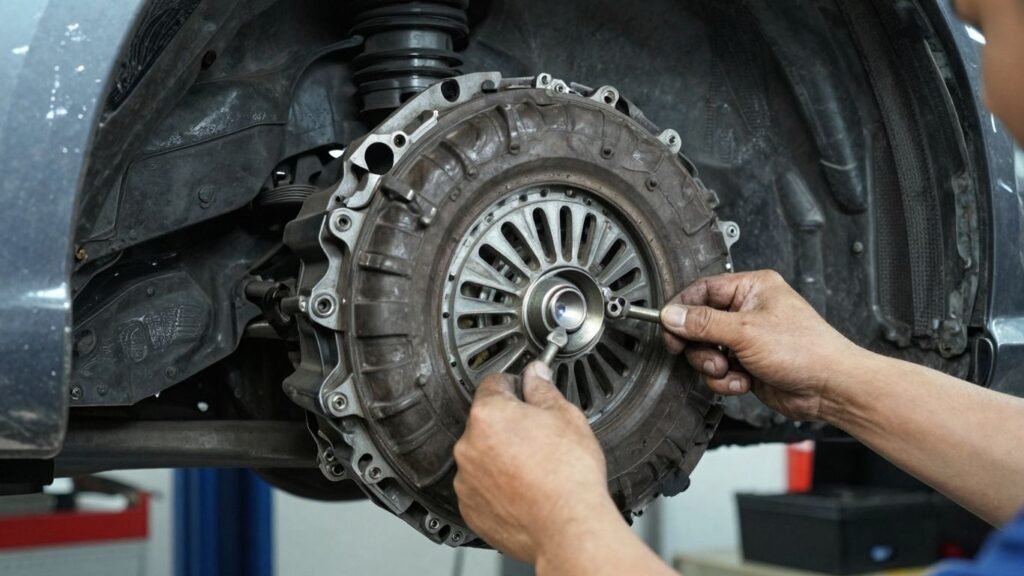
Your Subaru’s clutch is a pretty important part, no doubt about it. It helps you change gears smoothly and get power to the wheels. But like anything, it can wear out. Sometimes it’s obvious, like when your car just doesn’t go when you step on the gas. Other times, it’s more subtle. Knowing the signs of trouble and what to do can save you a lot of headaches and money. We’re going to talk about Subaru clutch repair advice, what to look out for, and when it’s time to get it checked out. Key Takeaways Watch out for a slipping clutch, where your engine revs but the car doesn’t speed up much, especially on hills. If shifting gears becomes difficult, feels grindy, or the stick is stiff, your clutch might be having issues. Changes in how your clutch pedal feels—spongy, stiff, or vibrating—are signs you shouldn’t ignore. Getting Subaru clutch repair advice and fixing clutch problems early can prevent more serious damage and save you money. You don’t always need to go to the dealership for Subaru clutch repair; experienced independent shops can do the job well, often using genuine parts. Understanding Your Subaru’s Clutch System The Crucial Role Of The Clutch Your Subaru’s clutch is a pretty important piece of the puzzle, really. It’s the part that connects and disconnects the engine’s power to the transmission. Think of it like a switch. When you press the clutch pedal, you’re disengaging the engine from the wheels, allowing you to change gears smoothly. When you let the pedal up, it re-engages, sending that engine power down to the road. Without a properly functioning clutch, you simply can’t shift gears or even get your car moving from a standstill. It’s a mechanical link that needs to be precise. How Driving Habits Impact Clutch Longevity So, how you drive really does make a difference in how long your clutch lasts. If you’re constantly riding the clutch – meaning you rest your foot on the pedal even when you’re not shifting – you’re putting unnecessary wear on it. Similarly, jerky starts, rapid acceleration from a stop, or lugging the engine in too high a gear can all put extra strain on the clutch components. Stop-and-go city driving, with all its shifting and stopping, is also tougher on a clutch than cruising on the highway. It’s not just about if you drive, but how you drive. Common Misconceptions About Clutch Wear There are a few things people get wrong about clutch wear. One big one is that only aggressive driving wears out a clutch. While that’s a factor, it’s not the only one. Your Subaru’s specific model, how many miles are on it, and even the kind of roads you drive on play a part. Another myth is that a slipping clutch means the whole thing is about to explode. Often, it’s just an early sign that something is starting to wear out and might need an adjustment or a part replaced before it becomes a bigger problem. It’s easy to think that clutch issues are always a huge, expensive ordeal. But sometimes, the fix is much simpler than you might imagine. Paying attention to the early signs can prevent a small problem from turning into a major repair bill down the road. Recognizing The Warning Signs Of Clutch Failure Your Subaru’s clutch is a pretty important part of how the car drives, connecting the engine to the transmission. Like anything that gets used a lot, it can wear out. Noticing when it’s starting to go bad can save you a lot of headaches and money down the road. So, what should you be looking out for? The Symptom Of A Slipping Clutch This is probably the most common sign that your clutch is on its way out. You’ll notice it when you give it gas, and the engine revs up, but the car doesn’t pick up speed like it should. It feels like the engine is working hard, but the power isn’t getting to the wheels properly. This usually happens because the clutch disc, the part that grabs the engine’s flywheel, is worn down and can’t get a good grip anymore. It’s especially noticeable when you’re trying to accelerate in higher gears or going up a hill. A slipping clutch means the engine’s RPMs increase without a corresponding increase in vehicle speed. Difficulty Shifting Gears If you’re finding it harder to get your Subaru into gear, or if the gear shifter feels stiff and resistant, that’s another big clue. This often means the clutch isn’t fully disengaging when you press the pedal. When the clutch doesn’t separate the engine from the transmission completely, it makes it tough for the gears to mesh smoothly. You might hear grinding noises when you try to shift, or you might find it particularly difficult to get into first gear or reverse. Sometimes, the shifter can even get stuck. Changes In Clutch Pedal Feel Pay attention to how your clutch pedal feels under your foot. A pedal that feels soft, mushy, or spongy, and doesn’t really engage until it’s almost on the floor, can point to issues like air in the hydraulic system or a leak. On the flip side, if the pedal suddenly feels much stiffer and harder to press than usual, it might mean the pressure plate is starting to wear out. You might even feel strange vibrations or pulsing through the pedal when you press it, which could be a sign of a warped flywheel or a damaged clutch disc. A clutch pedal that feels different – whether it’s too soft, too hard, or vibrating – is your car telling you something isn’t right with the clutch system. It’s best not to ignore these changes. Burning Smell If you start to notice a distinct burning smell, especially after driving in traffic or when you’ve been using the clutch a lot, it’s a serious warning sign. This smell, often described as burning rubber or hot metal,