
Your Essential Subaru Safety Inspection Checklist: What to Look For
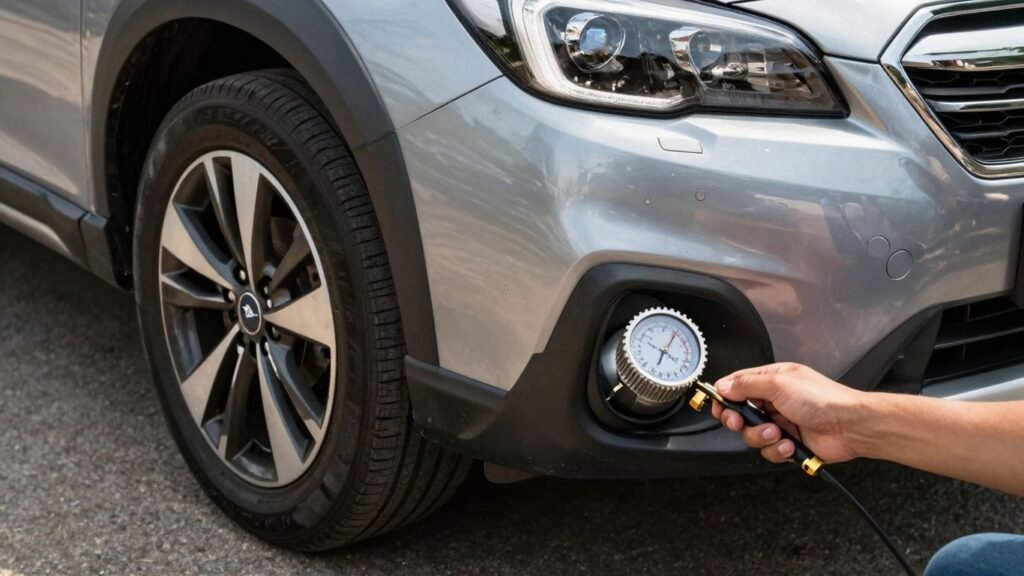
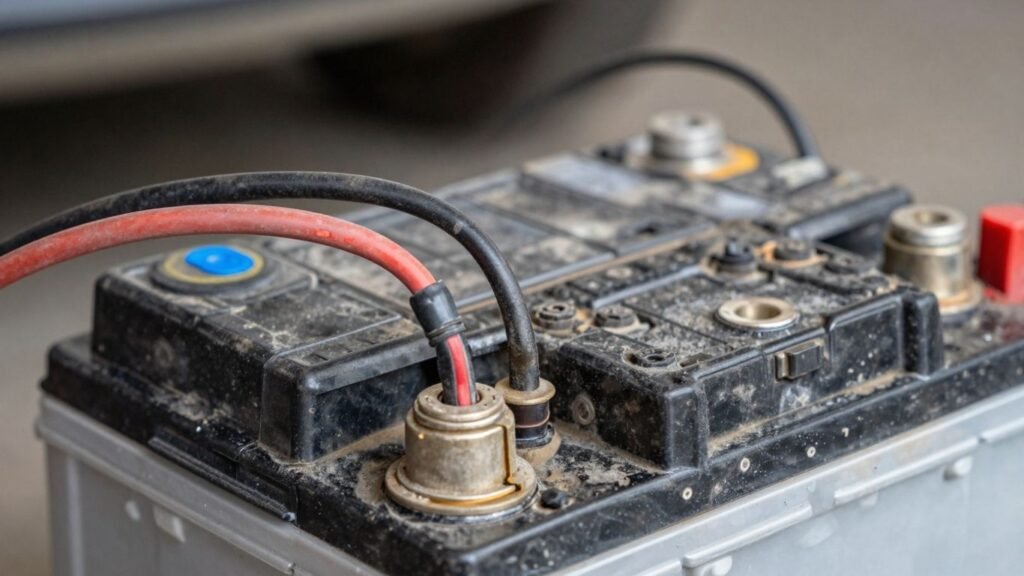
Thinking about hitting the road in your Subaru? Awesome! Before you pack up and go, it’s a good idea to give your car a once-over. You know, just to make sure everything’s running smoothly and safely. It’s not like you need to be a master mechanic or anything, but a quick check can save you a lot of hassle down the line. This Subaru safety inspection checklist will help you cover the basics. Key Takeaways Keep an eye on your fluids – oil, coolant, brake fluid, and washer fluid are all important. Low levels or dirty fluid can cause problems. Check your tires. Make sure they have enough tread, the pressure is right, and they aren’t too old. Rotating them helps them wear evenly. Your brakes are super important. Look at the pads and rotors, and make sure the brake fluid is okay. Don’t ignore any weird noises or feelings when you brake. Test all your lights – headlights, taillights, turn signals. Also, make sure your windshield wipers are in good shape. Don’t forget about the battery and any warning lights on your dashboard. If your Subaru has advanced safety tech like EyeSight, make sure its cameras are clean. Essential Subaru Safety Inspection Checklist: Fluids and Filters Alright, let’s talk about the gooey stuff and the filters that keep your Subaru running smoothly. These are the basics, the things you can often check yourself without needing a mechanic’s special tools. Think of it as giving your car a drink and making sure it’s breathing clean air. Engine Oil and Filter Check This is probably the most talked-about fluid, and for good reason. Your engine oil is like the blood of your engine, lubricating all those moving parts and keeping things from grinding to a halt. Checking your oil level is super simple: pull out the dipstick, wipe it clean, stick it back in, pull it out again, and check where the oil line falls. You want it between the ‘min’ and ‘max’ marks. If it’s low, top it off with the correct type of oil for your Subaru. While you’re at it, take a peek at the oil’s color. If it looks really dark, sludgy, or has bits floating in it, it’s probably time for an oil change and a new filter. This is especially important if you do a lot of stop-and-go driving or live in a hot climate. Coolant and Brake Fluid Levels Next up is coolant, which keeps your engine from overheating. You’ll find the reservoir tank, usually a translucent plastic jug, under the hood. Just look for the ‘max’ and ‘min’ lines on the side. Make sure the level is in the right spot when the engine is cool. If it’s low, add a 50/50 mix of Subaru-approved coolant and distilled water. Don’t just use plain water, especially if you live where it gets cold! Brake fluid is another one that’s easy to check. Find the brake fluid reservoir (it’s usually smaller than the coolant one) and check the level against the markings. If it’s low, it could mean your brake pads are worn down, or there might be a leak. Dark or cloudy brake fluid isn’t great either; it means it’s absorbed moisture and might not work as well when you really need it. Windshield Washer Fluid Reservoir This one might seem obvious, but you’d be surprised how many people forget it. Having a full reservoir of windshield washer fluid is key for clear visibility, especially when bugs are out in full force or you hit a patch of road grime. It’s usually a blue liquid, and the reservoir is often marked with a windshield and spray symbol. Just pop the cap and fill it up. If you’re heading somewhere dry or dusty, a good quality washer fluid can make a big difference. Engine Air and Cabin Air Filters These filters are like your Subaru’s lungs. The engine air filter lets the engine breathe clean air. If it’s clogged with dirt and debris, your engine has to work harder, which can hurt fuel economy and performance. You can usually find it in a black box under the hood. Pull it out and hold it up to a light; if you can’t see light through it, it’s time for a new one. The cabin air filter is for you and your passengers. It cleans the air coming into the car through the vents. A dirty one can make your AC smell musty and reduce airflow. It’s often located behind the glove box. Replacing these filters is pretty straightforward and makes a noticeable difference in how your car runs and how fresh the air inside feels. Tire Condition and Maintenance for Subaru Safety Your tires are literally the only thing connecting your Subaru to the road. For an all-wheel-drive vehicle like a Subaru, keeping them in good shape is even more important. It doesn’t just affect how your car rides; it can actually impact the whole drivetrain. So, let’s talk about what to look for. Tire Pressure Monitoring System (TPMS) Most Subarus come with a Tire Pressure Monitoring System, or TPMS. It’s that little light on your dashboard that lets you know if one of your tires is running low on air. Keeping your tires properly inflated is a big deal for safety and also helps your car handle better and use less gas. If that light comes on, don’t ignore it. Check the pressure when the tires are cold and add air if needed, or get it checked out if you suspect a leak. Tread Depth and Tire Age Beyond just pressure, you need to check the actual condition of your tires. Look at the tread depth – that’s the pattern on the surface. You want to have at least 4/32" of tread for normal driving. If you often drive in rain or snow, aim for 6/32". Also, don’t forget about tire age. Even if a tire looks okay, the rubber can get old and