
Blog

Your blog category

Modified Subaru WRX STI on a mountain road.
Blog

Unlock Your Ride’s Potential: Essential Subaru Performance Upgrade Tips

So, you’ve got a Subaru and you’re thinking about making it a bit more… you. Maybe you want it to sound cooler, handle better, or just look tougher. That’s totally normal. Modifying your car can be a blast, but sometimes it feels like there’s just too much info out there. Don’t worry, though. We’re going to break down some simple Subaru performance upgrade tips that won’t make your head spin. These are the kinds of changes that make a real difference without needing a degree in engineering. Let’s get your ride feeling just right. Key Takeaways Start with the basics like air intake and exhaust to improve how your engine breathes. This is a solid first step for more power and a better sound. Don’t forget about your brakes. Upgrading rotors, pads, and lines means you can stop faster and safer, which is always a good thing. Tires are a big deal for grip. Getting good performance tires makes a noticeable difference in how your car handles. Suspension tweaks, like coilovers or lowering springs, can change how your car looks and feels on the road. Simple things like mud flaps and floor mats protect your car and keep it looking good, inside and out. Enhance Your Subaru’s Foundation: Essential First Mods When you first get your Subaru, it’s already a pretty capable car, right? But there’s always room to make it even better. Starting with the basics is the smartest way to go. Think of it like building a house; you need a solid foundation before you start adding fancy stuff. For your Subaru, that means looking at how it breathes and how it handles the road. These initial upgrades are not just about making your car faster, they’re about making it feel more responsive and connected to you. Optimize Airflow With Performance Intakes Your engine needs air to make power, plain and simple. A stock intake system is usually designed to be quiet and meet emissions standards, not necessarily to let your engine gulp down as much air as it possibly can. Swapping out the factory airbox for a performance intake, especially a cold air intake, can make a noticeable difference. These systems typically use larger diameter piping and a less restrictive air filter. This allows your engine to breathe more freely, which can lead to a small but welcome bump in horsepower and torque. You’ll often hear a more aggressive intake sound too, which is a nice bonus for many enthusiasts. It’s a relatively straightforward modification that pays off in how the car feels when you accelerate. Refine Engine Breathing With Exhaust Systems After improving how your engine takes in air, the next logical step is to help it get rid of exhaust gases more easily. The stock exhaust system can be pretty restrictive. Upgrading to a performance exhaust, like a cat-back system, removes some of the bottlenecks. This means the engine doesn’t have to work as hard to push out spent gases. The result? Better flow, which can contribute to more power, especially when combined with an intake upgrade. Plus, a good performance exhaust gives your Subaru a much more satisfying, deeper sound. It’s not just about performance; it’s about the auditory experience of driving your car. Improve Handling With Suspension Tweaks While power is fun, how your car handles the road is just as important, if not more so. The factory suspension is often a compromise, designed for comfort and general use. Making some adjustments here can really transform the driving experience. Even simple changes, like stiffer sway bars or upgraded bushings, can reduce body roll in corners and make the car feel more planted. These aren’t necessarily the most flashy mods, but they directly impact how your Subaru feels when you’re driving it, making it more predictable and enjoyable on twisty roads. It’s about making the car feel more like an extension of yourself. Starting with airflow and suspension is like giving your Subaru a tune-up for performance. You’re not just adding parts; you’re improving the car’s fundamental ability to perform. These initial steps create a better platform for any future modifications you might consider. Elevate Your Subaru’s Stopping Power When you’re pushing your Subaru, especially a model known for its sporty capabilities, having brakes that can keep up is pretty important. It’s not just about going fast; it’s about being able to stop safely and confidently, too. Upgrading your braking system can make a big difference in how your car feels and performs, particularly when you’re driving it hard or on a track. Upgrade To Performance Brake Rotors Stock brake rotors are usually designed for everyday driving. They get the job done, but under heavy use, they can overheat, leading to something called brake fade, where your stopping power just isn’t what it used to be. Performance rotors are often made from better materials, sometimes with slots or drilled holes. These features help dissipate heat more effectively, which means your brakes can work harder for longer without losing performance. They can also help clear out brake dust and gases, keeping the pad surface cleaner for better contact. Rotor Type Heat Dissipation Wear Resistance Typical Use Case Stock Basic Standard Daily Driving Slotted Good Good Spirited Driving, Track Drilled Very Good Good Track, High Performance Slotted & Drilled Excellent Good Extreme Performance Install High-Performance Brake Pads Brake pads are the part that actually makes contact with the rotor to slow you down. Just like rotors, stock pads are a compromise. Performance pads are made with different compounds that can handle higher temperatures and offer more bite. Some are designed for street use with a good balance of performance and noise, while others are more aggressive, built for track days where extreme heat and stopping power are needed. Just remember, more aggressive pads can sometimes be noisier and wear rotors faster, so pick a set that matches how you use your car. Choosing the right brake pads involves looking at the friction material, temperature range,
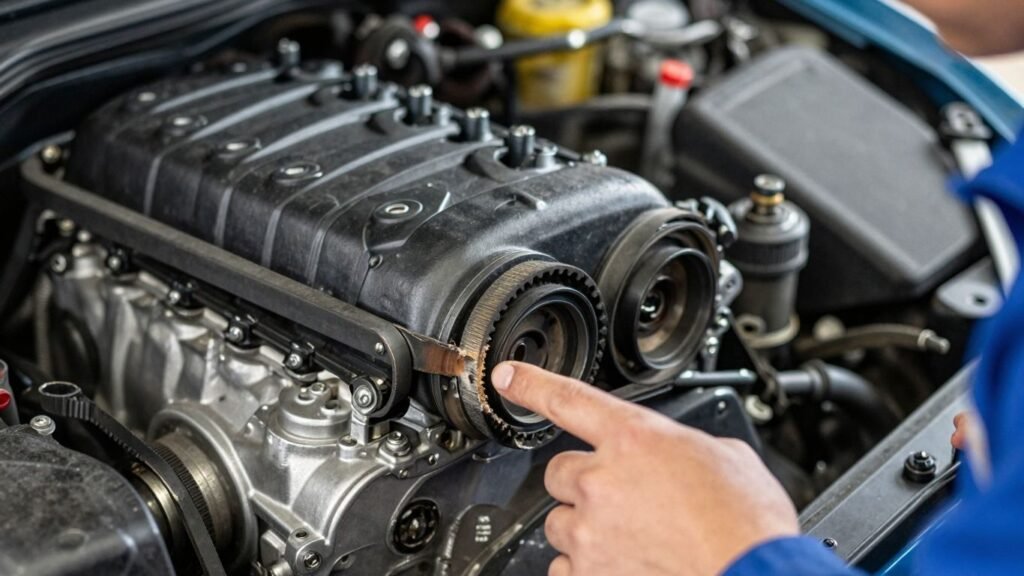
Subaru engine with a worn timing belt
Blog

Don’t Ignore These Subaru Timing Belt Replacement Warning Signs

So, you’ve got a Subaru, huh? They’re great cars, really. But like anything mechanical, they need a little attention now and then. One of those things you absolutely can’t forget about is the timing belt. It’s kind of a big deal for your engine’s health. If you’ve been driving for a while, you might start noticing some odd things. Ignoring these Subaru timing belt replacement warning signs could lead to some seriously expensive headaches down the road. Let’s talk about what to look out for. Key Takeaways Listen for strange noises from your engine, like ticking or whining, as these can signal timing belt issues. Keep an eye out for visible wear on the belt itself, such as cracks, fraying, or missing teeth. Pay attention to how your engine is running; misfires, rough idling, or sudden stalls are important indicators. Understand that related parts like tensioners and water pumps can also fail, affecting the timing belt. Always follow your Subaru’s recommended replacement schedule for the timing belt to prevent major damage. Listen For Unusual Engine Noises Your Subaru’s engine is usually pretty quiet when it’s running right. But if you start hearing strange sounds, it’s time to pay attention. These noises aren’t just annoying; they can be your car’s way of telling you something’s not quite right, especially with the timing belt. High-Pitched Squeaking or Ticking Sometimes, a worn timing belt can start to make a high-pitched squealing or ticking sound. This often happens when the belt is starting to slip or isn’t quite aligned correctly. It might be more noticeable when you first start the car or when you accelerate. Don’t just turn up the radio to drown it out. This sound is a clear signal that the belt might be loose or damaged, and it needs a look. Whining Sounds from the Engine Bay A whining noise, especially one that changes pitch with your engine speed, can also point to timing belt trouble. This could mean the belt is rubbing against other parts it shouldn’t be, or perhaps a related component like a tensioner or idler pulley is starting to fail. It’s like a little alarm bell going off from under the hood. The Importance of Prompt Diagnosis Any unusual noise coming from your engine should be investigated. While it might be something simple, it could also be an early warning of a serious issue like a failing timing belt. Getting it checked out quickly can save you a lot of headaches and money down the road. When you hear these sounds, it’s best to get your Subaru to a mechanic as soon as possible. They can properly diagnose the source of the noise. Ignoring it could lead to the belt breaking, which is a much bigger and more expensive problem to fix. Observe Visible Signs of Wear Cracks and Fraying on the Belt Sometimes, you can actually see the damage on the timing belt itself. If you pop the hood and take a good look, you might notice little cracks running across the surface of the belt. Think of it like old rubber getting brittle. You might also see some fraying, where the edges look like they’re starting to come apart. These are clear indicators that the belt is degrading and won’t last much longer. It’s not something you want to put off checking. Stripped or Damaged Teeth Look closely at the teeth on the timing belt. These are what grip the pulleys to keep everything in sync. If you see that some of these teeth are worn down, rounded off, or even missing entirely, that’s a big problem. The belt could start slipping, which throws off your engine’s timing. It’s kind of like a gear missing a tooth – it just won’t work right. General Deterioration of the Material Beyond just cracks or missing teeth, the whole belt might just look… old. The rubber could be getting hard and shiny, or maybe it feels unusually stiff. Sometimes, you might even see bits of rubber flaking off. It’s basically the belt telling you it’s reached the end of its useful life. It’s not just about how many miles are on it; time and heat take their toll too. Even if your Subaru hasn’t been driven a lot, the rubber in the timing belt can still break down over time. Extreme temperatures, whether hot or cold, can make the material brittle and prone to cracking. So, don’t just rely on the odometer; consider the age of the belt too. Component Potential Issue Timing Belt Cracks, fraying, missing teeth, hardened material Pulleys/Idlers Worn bearings, seized rotation, wobbling Tensioner Leaking fluid, weak spring, noisy operation Recognize Engine Performance Issues Sometimes, your Subaru’s engine will start acting up in ways that are hard to ignore. These aren’t just little quirks; they’re signals that something’s not right under the hood, and often, the timing belt is the culprit. If you notice your engine sputtering or feeling like it’s skipping a beat, that’s a big red flag. Engine Misfires and Rough Idling When the timing belt starts to go, it can mess with the precise timing of your engine’s internal parts. This means the fuel and air mixture might not ignite when it’s supposed to. You’ll feel this as a rough idle, where the engine shakes or vibrates more than usual when you’re stopped. It might also feel like the engine is hesitating or stumbling when you try to accelerate. These performance hiccups are your engine telling you it’s out of sync and needs attention. Sudden Engine Stalls While Driving This is a scary one. If the timing belt is severely worn or has jumped a tooth, it can cause the engine to suddenly shut off while you’re driving. Imagine cruising down the road and then, poof, everything goes dead. It’s not just inconvenient; it can be dangerous, especially if you’re on a busy highway. This kind of stall is a serious indicator that the belt is failing and could break completely.

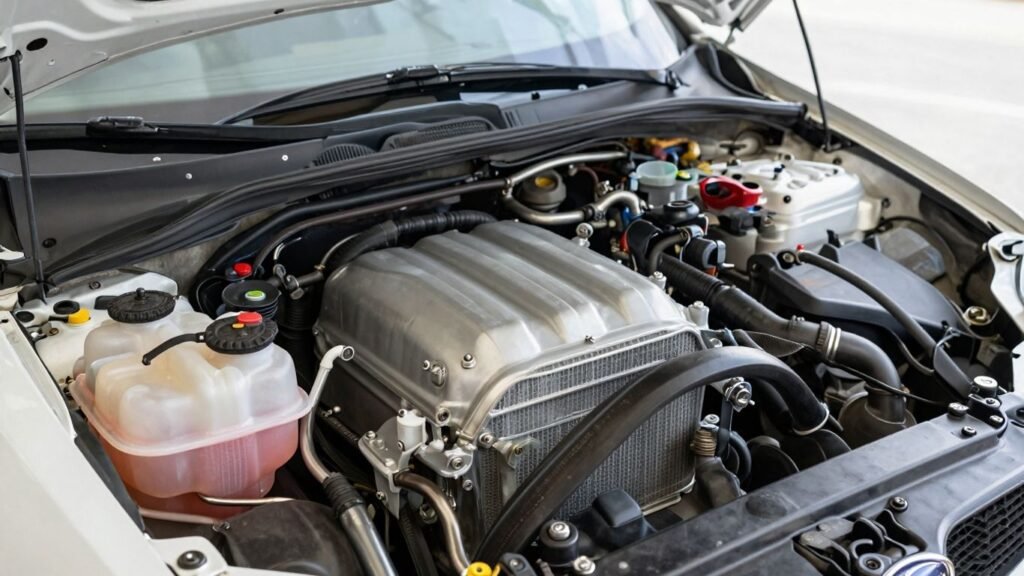
Subaru radiator and cooling system components.
Blog

Essential Subaru Radiator and Cooling System Care: Keep Your Engine Cool

Keeping your Subaru running cool is a big deal, especially when you’re out on the road. Your engine works hard, and the cooling system is what keeps it from getting too hot. Think of it like your car’s personal air conditioner for the engine. Regular Subaru radiator and cooling system care isn’t just about preventing a breakdown; it’s about making sure your car stays reliable whether you’re heading to work or on a weekend adventure. Let’s talk about how to keep that engine temp just right. Key Takeaways Your Subaru’s cooling system, including the radiator, works year-round to keep the engine at the right temperature, not just in the summer heat. Regularly check your coolant level and condition. Always use the specific type of coolant recommended for your Subaru, and avoid diluting it with plain water. Inspect hoses for cracks or leaks and keep the radiator clear of debris to allow for proper airflow and heat dissipation. Watch for warning signs like a rising temperature gauge or sweet smells, which can indicate leaks or other issues that need prompt attention. While some checks are easy to do yourself, professional Subaru-certified technicians can perform thorough diagnostics and maintenance to prevent bigger, more expensive problems down the road. Understanding Your Subaru’s Cooling System The Role of the Cooling System Your Subaru’s engine generates a lot of heat when it’s running. Think of it like a tiny, controlled explosion happening thousands of times a minute. If all that heat just stayed put, your engine would quickly overheat and suffer serious damage. That’s where the cooling system comes in. Its main job is to keep the engine temperature within a safe operating range. This prevents parts from expanding too much, warping, or seizing up, which could lead to a breakdown. It’s not just about avoiding overheating in the summer, either; the cooling system also helps the engine warm up to its ideal temperature efficiently when you first start it, especially on a cold day. Key Components of Subaru Cooling Systems Subaru’s cooling system is a network of parts working together. You’ve got the radiator, which is like a heat exchanger – hot coolant flows through it, and air passing over the fins cools it down. Then there’s the water pump, which circulates the coolant throughout the engine and back to the radiator. The thermostat acts like a gatekeeper, controlling when coolant flows to the radiator based on the engine’s temperature. The coolant reservoir holds extra coolant and allows for expansion. Finally, a bunch of hoses connect everything, carrying the coolant from one place to another. Each piece has to do its job for the whole system to work right. Year-Round Cooling System Demands It’s easy to think about your cooling system only when the temperature gauge starts creeping up in July. But your Subaru’s cooling system is working hard all year long. In the winter, it helps the engine reach its optimal operating temperature faster, which is better for performance and fuel economy. Even on a chilly morning, the engine still produces heat, and the cooling system manages it. Driving in stop-and-go traffic, climbing hills, or towing something puts extra strain on the system, no matter the season. So, while summer heat is a big test, your cooling system faces demands every single day of the year. Essential Subaru Radiator and Cooling System Care Regular Coolant Level Checks Keeping an eye on your Subaru’s coolant level is probably the simplest, yet most important, thing you can do. Think of coolant as the engine’s personal air conditioner. If it’s low, the whole system struggles to keep things from getting too hot. You’ll want to check this regularly, maybe every couple of fuel fill-ups. Just pop the hood and find the translucent reservoir tank – it usually has "Min" and "Max" lines marked on it. Never open the radiator cap when the engine is hot; that’s a recipe for a nasty burn. If the level is below the "Min" line, you’ll need to add the correct type of coolant. It’s usually a mix of antifreeze and distilled water, but always check your owner’s manual to be sure you’re using the right stuff for your specific Subaru model. Inspecting Hoses and Connections Your Subaru’s cooling system has a network of rubber hoses that carry that vital coolant around. Over time, these hoses can get brittle, crack, or develop soft spots. Give them a squeeze when the engine is cool. If they feel hard as a rock, mushy, or you see any little cracks, it’s time to think about replacing them. Also, check all the clamps and connections where the hoses meet the engine or radiator. Sometimes a loose clamp is all it takes for a slow leak to start, and those can sneak up on you. You might see little dried coolant stains around a connection if it’s been weeping. Radiator Maintenance and Cleaning The radiator is where the magic happens – it’s what actually cools the hot coolant down before it goes back into the engine. Over time, dirt, bugs, and road grime can get stuck in the fins of the radiator, blocking airflow. You can gently clean these fins with a soft brush or a blast of compressed air. Just be careful not to bend them. If you notice any bent fins, you can try to straighten them out carefully with a fin comb, but don’t go crazy. A radiator that’s clogged up inside with gunk is a different story, and that usually requires a professional flush. A cooling system works hard all year round, not just when it’s hot outside. Cold weather can actually cause different problems, like freezing if the coolant isn’t mixed correctly. So, don’t skip checks just because it’s chilly. Water Pump Functionality The water pump is what circulates the coolant through the engine and radiator. It’s a pretty important piece. If it starts to go bad, you might hear a whining noise coming from the front of the engine,

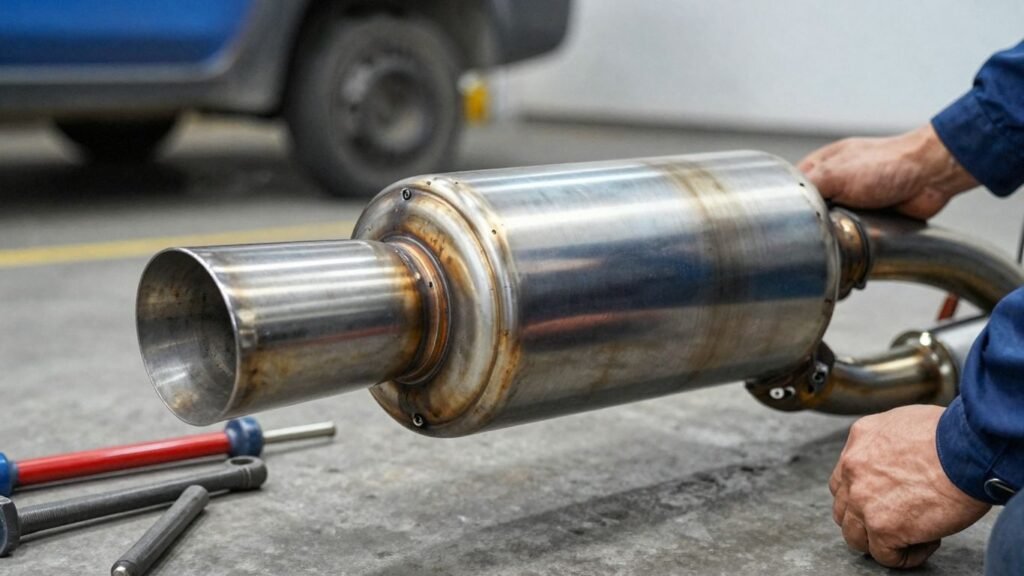
Subaru exhaust system with tools and hands.
Blog

Mastering Subaru Exhaust System Troubleshooting: Common Issues and Solutions

So, you’ve got a Subaru and you’re thinking about its exhaust system, huh? Maybe you’re hearing some weird noises, or perhaps you’re just curious about keeping things running smoothly. Subaru exhaust system troubleshooting isn’t always straightforward, especially with those unique boxer engines. This guide is here to break down some of the common hiccups folks run into and give you some ideas on how to deal with them. We’ll go over the signs to look for, some typical problems, and what you can do to keep your Subaru purring like it should. It’s not rocket science, but knowing what to listen for and what to check can save you a lot of headaches and money down the road. Key Takeaways Pay attention to your Subaru’s exhaust for any new sounds or smells; these are often the first signs of trouble. Head gasket issues are common in some Subaru models and can lead to coolant loss and overheating if not addressed. Excessive oil consumption can be managed with upgrades like an Air/Oil Separator (AOS) to keep your engine healthy. Regularly scheduled maintenance, especially for the timing belt and water pump, is vital to prevent major engine damage. Keeping detailed service records helps in diagnosing problems and maintaining your Subaru’s value. Understanding Common Subaru Exhaust System Issues Alright, let’s talk about what can go wrong with your Subaru’s exhaust system. It’s not just about that cool rumble; it’s a pretty important part of how your engine runs. Ignoring little problems can turn into big headaches, and nobody wants that. Recognizing Early Warning Signs of Engine Trouble Your Subaru usually gives you a heads-up when something’s not quite right. You just have to know what to listen and look for. Strange noises are a big one – maybe a persistent ticking or a knocking sound. That could mean something’s up with the pistons or bearings. And that sweet smell coming from your exhaust, especially with white smoke? That’s often a sign the head gasket is on its way out. Keep an eye on your oil levels too. If you’re constantly adding oil, that’s a red flag. Paying attention to your car’s sounds and smells is like having a direct line to its health. Don’t dismiss those little changes; they’re often the first whispers of a bigger issue brewing. The Significance of Boxer Engine Design Subaru’s boxer engine is pretty unique. Instead of pistons going straight up and down, they move side-to-side, like boxers throwing punches. This flat design gives the car a lower center of gravity, which is great for handling and keeping things stable when you’re taking corners. It also means the engine is naturally more balanced, leading to smoother power delivery. While this design is awesome for performance, it also means certain components, like the head gaskets, can be a bit more exposed to heat and pressure, especially in turbocharged models like the EJ25. Common EJ25 Engine Weaknesses The EJ25 engine, found in many popular Subarus, has a few known weak spots. It’s a high-strung, turbocharged engine, and when you start pushing it, especially with modifications, those weaknesses can show up. Head gasket failures are probably the most talked-about issue. Overheating, high mileage, or just increased cylinder pressure can all contribute to them failing. Another common problem is oil consumption. This often happens because of oil blow-by, where oil vapor gets pushed into the intake system. This can lower your oil level and gunk up your intercooler. The stock pistons can also be a weak point under high boost. Understanding these common issues is the first step to keeping your EJ25 running strong. Addressing Notorious Head Gasket Failures Symptoms of Head Gasket Breach If you’ve owned a Subaru with the EJ25 engine for any length of time, you’ve probably heard the whispers, or maybe even experienced it firsthand: the dreaded head gasket failure. It’s a common issue, and when it happens, it’s usually pretty obvious. The most common sign is coolant loss that you just can’t account for. You’ll find yourself topping off the reservoir more often than you’d like, and the engine temperature gauge might start creeping up more than usual. Sometimes, you’ll notice a sweet, syrupy smell coming from the exhaust, and if you look closely, you might see a bit of white smoke, especially on startup. This usually means coolant is getting into the combustion chamber. It’s not a good sign, and it needs attention right away. Preventative Measures and Upgrades While head gasket failures can seem inevitable, there are ways to make your Subaru’s engine more resilient. The factory gaskets can be a weak point, especially if you plan on pushing your engine a bit harder. A really solid upgrade is to switch to multi-layer steel (MLS) head gaskets. These are much tougher than the stock ones. Along with that, using upgraded head studs, like ARP studs, is a smart move. They provide a much stronger clamping force, which helps keep everything sealed up tight, even under increased pressure. This combination is a popular choice for a reason – it significantly boosts reliability. It’s not just about fixing a problem; it’s about preventing it from happening again, especially if you’ve modified your car. Coolant Loss and Overheating Indicators Keeping an eye on your cooling system is super important for preventing head gasket issues. If your temperature gauge starts climbing higher than normal, don’t ignore it. That’s your engine telling you something’s wrong. It could be a simple fix like a bad thermostat or a leaky hose, but it could also be an early sign that the head gasket is starting to fail. You might also notice the coolant level dropping without any visible leaks under the car. Sometimes, you’ll see bubbles in the coolant reservoir, which can indicate exhaust gases are getting into the cooling system. It’s a good idea to check your coolant level regularly, especially before any long trips, and to keep an eye on that temperature gauge. A little bit of attention here

Subaru tires and maintenance guide
Blog

Mastering Subaru Tire Care and Rotation: Your Comprehensive Guide

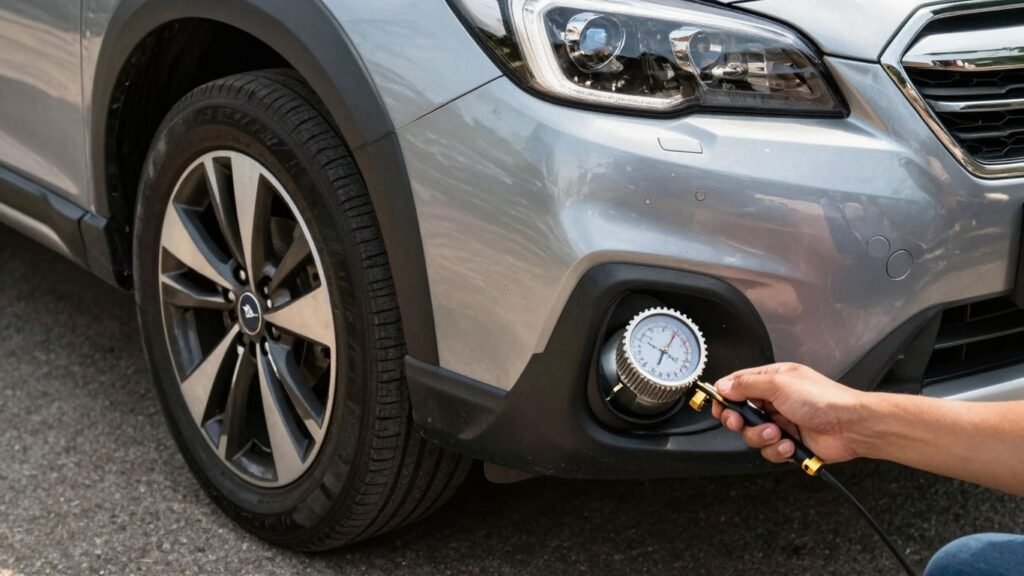
Keeping your Subaru in good shape means paying attention to the little things, and the tires are a big part of that. This Subaru tire care and rotation guide is here to help you get a handle on what your car needs. It’s not super complicated, but doing it right makes a real difference in how your car drives and how long your parts last. We’ll go over the basics of tire care, why rotating them matters, and when to get professional help. Key Takeaways Proper tire inflation is super important for how your Subaru handles and how long the tires last. Check it often. Rotating your tires regularly, usually every 5,000 to 7,500 miles, helps them wear evenly and last longer. Watch out for signs of tire wear like uneven tread or cracks, and also for symptoms of bad wheel alignment, like your car pulling to one side. Picking the right tires for your Subaru depends on where you drive and how you drive – think about your local weather and your usual routes. Don’t hesitate to get professional help if you notice serious tire issues or alignment problems; it’s better to be safe. Understanding Subaru Tire Care Essentials The Critical Role of Tires in Subaru Performance Your Subaru’s tires are pretty much the only thing connecting it to the road, so they’re a big deal for how it drives, handles, and even how safe it is. Think about it – all that power from the engine, the braking, the steering, it all goes through those four rubber circles. If they’re not in good shape, your Subaru just won’t perform the way it’s supposed to. Worn-out tires can make your car feel sluggish, handle poorly in corners, and take longer to stop, which is never good, especially if you’re out enjoying some of the trails Subaru owners love. Keeping your tires in top condition is key to experiencing the full capability of your Subaru. Recognizing Signs of Tire Wear and Damage Spotting tire problems early can save you a lot of headaches and potential danger. The most obvious sign is tread wear. You know that tread pattern on your tires? It’s there to grip the road. When it gets too shallow, your tires can’t grip well, especially in wet conditions. You can check this by looking at the wear bars between the treads, or just by seeing if the tread is getting close to being flat. Another thing to watch for is uneven wear, where one side of the tire is more worn than the other. This often points to alignment issues. Also, keep an eye out for any cuts, bulges, or cracks on the sidewalls. These are serious and mean the tire needs immediate attention. Sometimes, you might hear a humming noise that gets louder as you drive, which can also be a sign of worn tires. Proper Inflation for Optimal Tire Health This is one of those simple things that makes a huge difference. Over-inflated tires can lead to a bumpy ride and reduced grip, while under-inflated tires wear out faster, hurt your gas mileage, and can even overheat and blow out. It sounds basic, but checking your tire pressure regularly is super important. You can find the correct pressure for your Subaru on a sticker inside the driver’s side doorjamb or in your owner’s manual. Don’t just guess or use the pressure listed on the tire’s sidewall, as that’s usually the maximum pressure, not the recommended pressure for your specific car. It’s best to check the pressure when the tires are cold, meaning the car hasn’t been driven for a few hours. Keeping your tires properly inflated and in good condition isn’t just about making your Subaru look good; it’s about making sure it drives safely and efficiently. It’s a small bit of effort that pays off big time. Tire Pressure Check Frequency Recommended Action Weekly Visual inspection for obvious damage Monthly Check pressure with a gauge when tires are cold Every 6 months Inspect tread depth and look for uneven wear Mastering Subaru Tire Rotation Techniques Why Regular Tire Rotation is Crucial Rotating your tires is one of those maintenance tasks that might seem minor, but it really makes a big difference in how long your tires last and how your Subaru handles. When you drive, the front tires and rear tires wear differently. The front ones often take more of a beating from steering and braking, while the rear ones might wear more evenly. If you don’t swap them around, you’ll end up with uneven wear, meaning some tires will be bald while others still have plenty of tread. This uneven wear not only shortens the life of your tires but can also affect your car’s balance and grip, especially in tricky weather. It’s a simple way to get the most miles out of your tire investment. Recommended Intervals for Subaru Tire Rotation So, how often should you be rotating your tires? For most Subaru models, a good rule of thumb is to do it every 5,000 to 7,500 miles. This aligns nicely with many oil change schedules, so you can often get it done at the same time. However, it’s always best to check your owner’s manual for the exact recommendation for your specific Subaru. Driving habits and conditions can also play a role. If you do a lot of highway driving, you might be able to stretch the interval a bit, but if you frequently drive in stop-and-go traffic or on rough roads, you might want to stick to the shorter end of that range. Here’s a general guideline: Driving Condition Recommended Rotation Interval Normal (mixed highway/city) 6,000 – 7,500 miles Aggressive/Performance 5,000 miles Heavy City/Stop-and-Go 5,000 miles How Tire Rotation Extends Tire Lifespan Think of tire rotation as giving each tire a chance to experience different positions on your Subaru. By moving the front tires to the back and the rear tires to the front, you’re evening out the wear

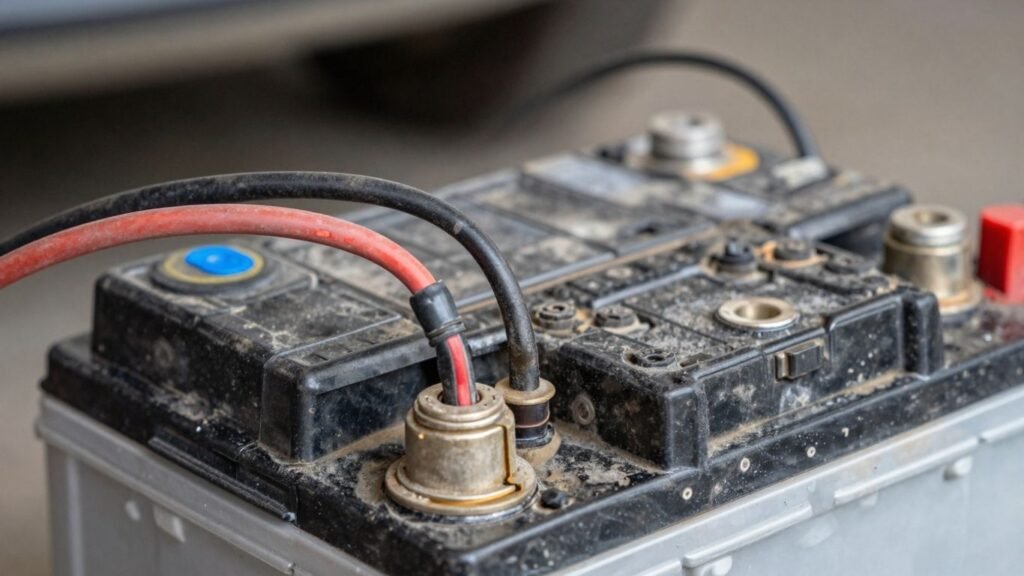
Subaru car battery with corrosion and disconnected wires.
Blog

Tackling Subaru Battery Drain Issues: Effective Solutions and Troubleshooting

It seems like a lot of Subaru owners have been dealing with their car batteries dying unexpectedly. It’s a real pain, right? You go to start your car one morning, and nothing. Dead. This article is going to break down why this is happening, especially with certain Subaru models, and what you can actually do about it. We’ll look at the common culprits, how to figure out if your car is affected, and what Subaru is doing to help. Plus, we’ll cover some tips to keep your battery healthy moving forward. Let’s get this sorted. Key Takeaways Many Subaru models, particularly those with the Digital Communications Module (DCM) and STARLINK system, have experienced battery drain issues due to the 3G network shutdown. The DCM can get stuck in a loop trying to connect to the defunct 3G network, draining the battery even when the car is off. Subaru has issued warranty extensions and offered updates or bypasses for the DCM to address these Subaru battery drain issues and solutions. Beyond the DCM, other electrical issues like forgotten lights or accessories, or faulty components, can also cause phantom battery drains. Regular battery maintenance, using the correct battery type, and mindful driving habits are important for overall battery health and preventing future problems. Understanding Subaru Battery Drain Issues and Solutions It seems like a lot of Subaru owners have been dealing with batteries dying unexpectedly. It’s a real headache, right? You go to start your car one morning, and nothing. Just a dead battery. This isn’t just a rare occurrence; it’s something many people are talking about, and there are a few common culprits behind this sudden depletion. The Pervasive Problem of Subaru Battery Drain Lots of folks have experienced their Subaru batteries going flat, sometimes even when the car hasn’t been sitting for too long. It’s frustrating because a car battery should last a good few years, typically between three to six, depending on the model and how you use it. When it dies prematurely, it makes you wonder what’s going on under the hood. This widespread issue has led to a lot of confusion and concern among Subaru drivers. Common Causes of Unexpected Battery Depletion So, what’s actually causing these batteries to drain? One big factor that’s come up a lot involves the car’s telematics system, specifically the Digital Communications Module, or DCM. This module is part of Subaru’s STARLINK system, which provides connected services like emergency assistance and remote features. When the 3G cellular network that some older DCMs relied on was shut down, these modules could get stuck in a loop, constantly trying to connect to a network that no longer exists. This constant, futile effort drains the battery pretty quickly. Beyond the DCM, though, other things can cause a drain too. Sometimes it’s as simple as a light being left on, or an accessory that’s drawing power even when the car is off. Identifying the exact cause is key to fixing it. Recognizing the Symptoms of a Draining Battery How do you know if your Subaru is suffering from a battery drain? The most obvious sign is, of course, a dead battery. You might find your car won’t start, or it might crank very slowly before giving up. You might also notice that warning lights on your dashboard flicker or behave strangely, especially when you try to start the car. Sometimes, electronic components like the radio or power windows might act up. If you’re finding yourself needing jump-starts more often than usual, or if your battery just seems to die overnight without any clear reason, it’s a good sign something is draining its power when it shouldn’t be. It’s easy to blame the battery itself when it dies, but often the battery is just the victim. The real problem is usually something else in the car’s electrical system that’s causing the battery to be depleted faster than it can be recharged or hold a charge. Component/Issue Potential Impact on Battery DCM (3G Network Retirement) Constant connection attempts drain battery rapidly. Left-on Accessories/Lights Continuous power draw, depleting battery over time. Faulty Alternator Inability to recharge the battery while driving. Aging Battery Reduced capacity to hold a charge, leading to premature death. Electrical Parasites Small, persistent power draws that add up over time. Investigating the DCM and STARLINK Connection The Role of the Digital Communications Module (DCM) So, what exactly is this DCM thing? It’s basically a little box in your Subaru that handles all the fancy connected services, like the STARLINK system. Think of it as the car’s way of talking to the outside world, sending and receiving information. It’s pretty neat when it works right, letting you do things like remote start or get emergency assistance. But when it goes haywire, well, that’s when the battery problems start popping up. How 3G Network Retirement Impacts STARLINK Here’s where things get a bit technical, but it’s important. Many older Subarus used the 3G cellular network for their STARLINK services. Back in February 2022, that 3G network got shut down. Imagine your car trying to call home, but the phone line it’s used to is just… gone. This is a major reason why some Subarus started having battery issues. The DCM, still trying to connect to a network that no longer exists, gets stuck in a loop. It keeps trying, keeps failing, and each attempt drains your battery. The Infinite Loop of DCM Battery Drain This is the core of the problem for many owners. The DCM gets stuck trying to connect to the defunct 3G network. It sends out a signal, gets no response because the network is dead, and then tries again. This cycle repeats over and over, even when the car is off. It’s like a digital ghost trying to make a call that will never go through, and your battery is paying the price. It can happen whether you drive the car daily or it sits in the garage. Some folks have reported that

Subaru AWD system driving on a mountain road.
Blog

Essential Subaru All-Wheel Drive Maintenance Tips for Longevity

So, you’ve got a Subaru, probably because you like that all-wheel drive grip. It’s pretty sweet, right? But like anything, that system needs a little love to keep working right. Ignoring it can lead to some pricey fixes down the road. Let’s talk about some simple Subaru all-wheel drive maintenance that’ll keep your car happy and save you a headache. Key Takeaways Subaru’s Symmetrical AWD is great, but it needs specific care. Different models have slightly different setups, so know what you’ve got. Keep your differentials and transfer case fluids fresh. This is super important for the AWD system’s health. Always, always match your tires. Using different sizes or worn tires can seriously mess with your AWD and cost you a lot. Regular checks of things like CV axle boots and fluid leaks can stop small problems from becoming big, expensive ones. Your owner’s manual is your best friend for maintenance schedules, but driving in tough conditions might mean you need to service things more often. Understanding Your Subaru’s All-Wheel Drive System Subaru’s Symmetrical AWD System Explained Subaru’s Symmetrical All-Wheel Drive (AWD) is a big part of what makes these cars feel so planted and capable, especially when the weather gets dicey. The "Symmetrical" part means the drivetrain components are laid out in a mirror-image line from the center of the car to the wheels. This balanced setup helps distribute power evenly, giving you better grip and stability. It’s designed to send power to all four wheels simultaneously, which is a key difference from many other AWD systems that might only engage the rear wheels when they detect slip. This constant power distribution means your Subaru is always ready to handle changing road conditions. The core idea behind Symmetrical AWD is to keep all four wheels working together as much as possible. This isn’t just about getting going on a slippery hill; it also helps with cornering and overall vehicle control, making the car feel more predictable. Different AWD Implementations Across Models It’s a common misconception that all Subarus have the exact same AWD setup. While the Symmetrical AWD philosophy is consistent, the actual hardware can vary depending on the model and transmission. For instance, older manual transmission models often use a viscous coupling center differential. This system relies on fluid pressure to transfer power when it senses a speed difference between the front and rear wheels. Newer models, especially those with Continuously Variable Transmissions (CVTs), typically use an electronically controlled Active Torque Split system. This setup uses a multi-plate clutch pack that can adjust the power split between the front and rear axles much more quickly and precisely, often going from a 50/50 split to favoring one axle over the other based on sensor input. Even within performance models like the WRX, the AWD system is tuned differently to provide a sportier feel, often sending more power to the rear wheels under acceleration. Some models, like the Wilderness trims or those with dual-function X-MODE, have further software tweaks to optimize AWD performance for specific off-road scenarios like deep snow or mud. Model Type (Transmission) System Type Power Distribution Manual (Older) Viscous Coupling Automatic, based on wheel slip CVT (Most Models) Active Torque Split Electronically controlled, variable front/rear split Turbocharged (e.g., WRX) Variable Torque Dist. Sport-tuned, often rear-biased under acceleration X-MODE Equipped Enhanced AWD Control Special modes for off-road conditions The Role of Tire Choice in AWD Performance When you have an AWD system like Subaru’s, the tires are arguably the most important component connecting you to the road. Because the AWD system is constantly managing power to all four wheels, any imbalance between them can cause problems. Using tires that are different sizes, brands, or even significantly different in tread wear can confuse the AWD system. If you put two brand-new tires on the front and leave worn ones on the back, the system will constantly try to compensate for the diameter difference, thinking there’s slip when there isn’t. This puts extra strain on the differentials and can lead to premature wear or even failure. It’s best to always replace all four tires at the same time, or at least ensure that any new tires match the tread depth of the existing ones within about 2/32 of an inch. Keeping tire pressure consistent across all four tires is also key for the system to work correctly. Essential Drivetrain Maintenance for Subaru AWD Regular Differential Fluid Service Your Subaru’s all-wheel-drive system is pretty neat, but it’s got a few moving parts that need love. We’re talking about the differentials – front, rear, and the center one. These guys have gear oil that does the important work of lubricating everything. Over time, though, this oil gets dirty from tiny metal bits shed by the gears and can even pick up moisture. Changing this fluid regularly is a big deal for keeping your AWD system happy. Skipping it can lead to wear and tear that costs a lot more to fix down the road. Transfer Case Inspections and Fluid Checks Next up is the transfer case. This part helps send power to the wheels. Just like the differentials, it has its own fluid that needs checking and changing. It’s not always on the same schedule as the differential fluid, so it’s good to know what your owner’s manual says. A quick look at the fluid can tell you a lot about how the transfer case is doing. If it looks dark or smells burnt, it’s a sign that it might need attention sooner rather than later. CV Axle Boot and Joint Examination Finally, let’s talk about the CV axles. These are the shafts that connect the transmission to the wheels. They have rubber boots that protect the joints inside. If these boots tear, dirt and water can get in, wrecking the joint. You might hear clicking noises when you turn if they’re damaged. It’s a good idea to have a mechanic peek at these boots during your regular check-ups. Replacing a

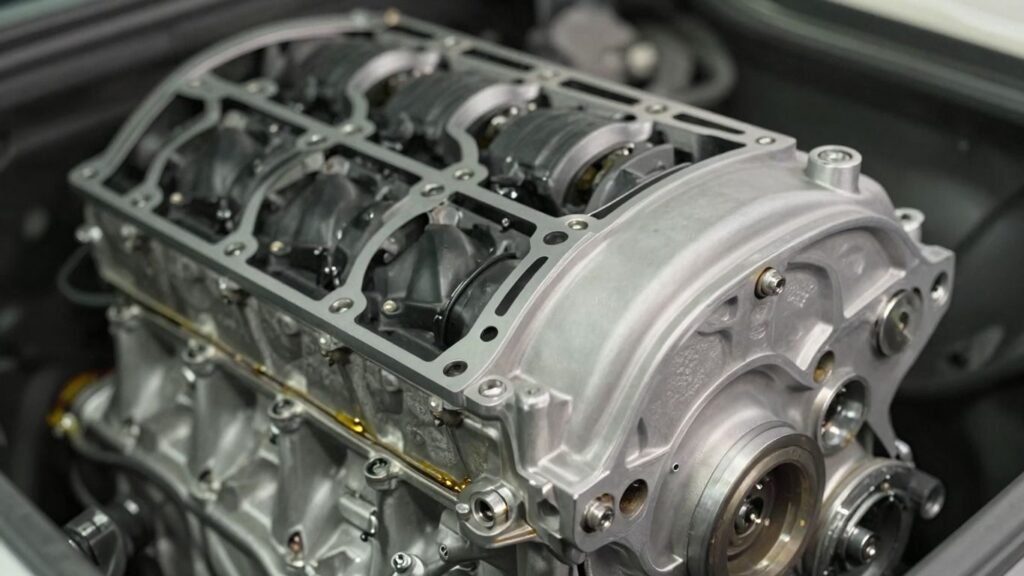
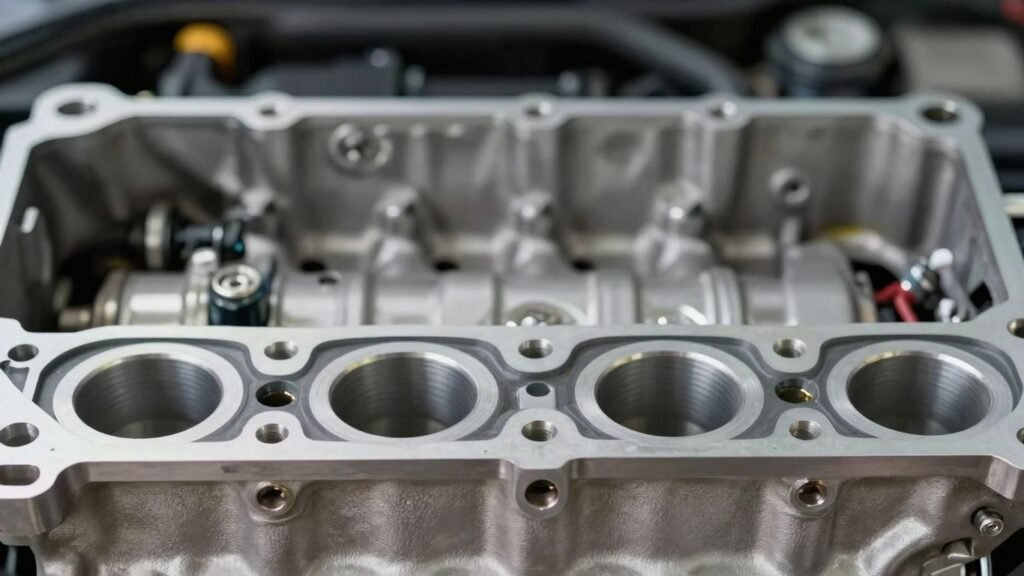
Subaru Boxer engine close-up, head gasket area.
Blog

Subaru Head Gasket Failure Prevention: Tips to Keep Your Boxer Engine Running Smoothly

Subaru head gasket failure prevention is something many owners worry about. These cars have a unique engine design, and sometimes the gaskets just don’t hold up as long as we’d like. It’s not always a simple fix, and it can get pretty expensive if you’re not careful. But don’t sweat it too much! There are definitely things you can do to help keep your Subaru’s engine running smoothly and avoid those dreaded head gasket issues. We’ll cover what makes these engines tick, how to keep them cool, and what to look out for. Key Takeaways Regular maintenance, like sticking to oil change schedules and using good quality oil, is super important for preventing Subaru head gasket failure. It helps keep everything running right. Keeping your Subaru’s cooling system in check is a big deal. Always watch the temperature gauge and fix any overheating problems fast. Using the right coolant mix matters too. Watch out for the signs! Things like coolant leaks, milky oil, or weird engine noises could mean your head gasket is having trouble. Catching it early saves a lot of headaches. When it’s time for repairs, find a mechanic who really knows Subarus. They’ll be better equipped to handle the specific needs of your boxer engine and prevent future Subaru head gasket failure. How you drive can affect your gasket. Try not to push your Subaru too hard all the time, and think about getting the head gasket checked or replaced if your car is older or has a history of problems. Understanding Subaru Head Gasket Failure Prevention The Boxer Engine’s Unique Demands Subaru’s signature boxer engine, with its horizontally opposed cylinders, has a distinct design. This layout means the head gaskets have to seal combustion chambers that are laid out flat. While this design offers benefits like a lower center of gravity, it also puts unique stresses on the head gaskets. They have to handle the pressure and heat from two cylinders firing on each side, all while being exposed to the elements and engine vibrations. It’s a tough job, and over time, these gaskets can start to wear down. Impact of Heat Cycles on Gaskets Think about how often your engine heats up and cools down. Every time you start your car, the engine gets hot, and when you turn it off, it cools. This constant cycle of expansion and contraction puts a lot of strain on the head gasket material. Over thousands of these cycles, the gasket can become brittle or lose its sealing ability. This repeated thermal stress is a major contributor to gasket failure over the life of the vehicle. The Role of Electrolysis in Cooling System Corrosion It might sound a bit technical, but electrolysis can play a sneaky role in head gasket problems. Basically, it’s an electrochemical process that can occur in your cooling system. If there are stray electrical currents or impurities in the coolant, it can cause corrosion. This corrosion can eat away at metal components, including parts of the head gasket itself, weakening it over time and making it more prone to leaks. Keeping your cooling system clean and using the right coolant helps prevent this. Proactive Maintenance for Head Gasket Longevity Keeping your Subaru’s head gaskets in good shape really comes down to being on top of your regular maintenance. It’s not just about oil changes, though those are super important. Think of it as a whole system approach to keeping that boxer engine happy. Adhering to Recommended Maintenance Schedules Your owner’s manual isn’t just a suggestion; it’s your best friend when it comes to keeping your Subaru running right. Following Subaru’s suggested service intervals for things like oil changes, filter replacements, and general inspections means you’re catching potential problems before they get big. It’s like going to the doctor for regular check-ups – you find out if something’s off early. The Importance of Quality Engine Oil Don’t skimp on the oil. Using the right kind of high-quality engine oil, the one your Subaru calls for, is a big deal. It keeps all those moving parts inside your engine well-lubricated, which means less friction and less stress on everything, including the head gaskets. Think of it as giving your engine a good, clean bath. Regular Coolant Flushes and Refills Your cooling system is directly linked to head gasket health. Over time, coolant can break down, lose its protective properties, and even get contaminated. Scheduling regular coolant flushes and refills with the correct type of coolant keeps the system working efficiently and prevents overheating, a major enemy of head gaskets. It’s a good idea to check the coolant level and condition between these services too. Keeping your cooling system in top shape is one of the most direct ways to protect your head gaskets. Fresh coolant and a properly functioning system mean less heat stress, which is exactly what those gaskets need to last. Maintenance Item Recommended Interval (Example) Notes Oil Change 5,000 – 7,500 miles Use manufacturer-recommended oil type Coolant Flush & Refill 30,000 – 60,000 miles Use Subaru-specific or compatible coolant Inspection Per owner’s manual Check hoses, belts, and fluid levels Keeping Your Subaru’s Cooling System Optimal Your Subaru’s cooling system is like its personal thermostat, and keeping it in good shape is a big deal for the head gaskets. These engines can get pretty warm, and if that heat isn’t managed right, the gaskets can start to give up the ghost. Monitoring Engine Temperature Closely It sounds simple, but really watching that temperature gauge is important. Most of the time, it sits steady in the middle. If you see it start creeping up, especially towards the red zone, that’s your cue to pay attention. Don’t just keep driving hoping it’ll go back down. Pull over safely as soon as you can. A little bit of extra heat might not seem like much, but over time, it really stresses out those head gaskets. Addressing Overheating Incidents Promptly So, you saw the temp gauge climb. What

Subaru Boxer engine close-up, head gasket area.
Blog

Subaru Head Gasket Failure Prevention: Tips to Keep Your Boxer Engine Running Smoothly

Subaru head gasket failure prevention is something many owners worry about. These cars have a unique engine design, and over time, some models have had issues with their head gaskets. It’s not a fun problem to deal with, and it can get expensive fast. But the good news is, there are ways to help keep your Subaru’s engine running smoothly and avoid these headaches. This article will walk you through what you need to know. Key Takeaways Regular maintenance, like sticking to oil change schedules and using good oil, really helps prevent Subaru head gasket failure. Keeping your Subaru’s cooling system in check is super important. Watch the temperature gauge and fix overheating issues right away. Always use the right coolant type and mix for your Subaru. Fresh coolant prevents corrosion and keeps things cool. Learn the signs of a failing head gasket, like coolant leaks or milky oil. Catching it early saves you money and trouble. Find a mechanic who knows Subarus well. They can spot problems early and do the job right if you need repairs. Understanding Subaru Head Gasket Failure Prevention The Boxer Engine’s Unique Demands Subaru’s signature boxer engine, with its horizontally opposed cylinders, has a distinct design. This layout means the head gaskets have to seal combustion chambers that are laid out flat. While this design offers benefits like a lower center of gravity, it also puts unique stresses on the head gaskets. They have to handle the pressure and heat from two cylinders firing on each side, all while being exposed to the elements and engine vibrations. It’s a tough job, and over time, these gaskets can start to wear down. Impact of Heat Cycles on Gaskets Think about how often your engine heats up and cools down. Every time you start your car, the engine gets hot, and when you turn it off, it cools. This constant cycle of expansion and contraction puts a lot of strain on the head gasket material. Over thousands of these cycles, the gasket can become brittle or lose its sealing ability. This repeated thermal stress is a major contributor to gasket failure over the life of the vehicle. The Role of Electrolysis in Cooling System Corrosion It might sound a bit technical, but electrolysis can play a sneaky role in head gasket problems. Basically, it’s an electrochemical process that can occur in your cooling system. If there are stray electrical currents or impurities in the coolant, it can cause corrosion. This corrosion can eat away at metal components, including parts of the head gasket itself, weakening it over time and making it more prone to leaks. Keeping your cooling system clean and using the right coolant helps prevent this. Proactive Maintenance for Head Gasket Longevity Keeping your Subaru’s head gaskets in good shape really comes down to being on top of your regular maintenance. It’s not just about oil changes, though those are super important. Think of it as a whole system approach to keeping that boxer engine happy. Adhering to Recommended Maintenance Schedules Your owner’s manual isn’t just a suggestion; it’s your best friend when it comes to keeping your Subaru running right. Following Subaru’s suggested service intervals for things like oil changes, filter replacements, and general inspections means you’re catching potential problems before they get big. It’s like going to the doctor for regular check-ups – you find out if something’s off early. The Importance of Quality Engine Oil Don’t skimp on the oil. Using the right kind of high-quality engine oil, the one your Subaru calls for, is a big deal. It keeps all those moving parts inside your engine well-lubricated, which means less friction and less stress on everything, including the head gaskets. Think of it as giving your engine a good, clean bath. Regular Coolant Flushes and Refills Your cooling system is directly linked to head gasket health. Over time, coolant can break down, lose its protective properties, and even get contaminated. Scheduling regular coolant flushes and refills with the correct type of coolant keeps the system working efficiently and prevents overheating, a major enemy of head gaskets. It’s a good idea to check the coolant level and condition between these services too. Keeping your cooling system in top shape is one of the most direct ways to protect your head gaskets. Fresh coolant and a properly functioning system mean less heat stress, which is exactly what those gaskets need to last. Maintenance Item Recommended Interval (Example) Notes Oil Change 5,000 – 7,500 miles Use manufacturer-recommended oil type Coolant Flush & Refill 30,000 – 60,000 miles Use Subaru-specific or compatible coolant Inspection Per owner’s manual Check hoses, belts, and fluid levels Keeping Your Subaru’s Cooling System Optimal Your Subaru’s cooling system is like its personal thermostat, and keeping it in good shape is a big deal for the head gaskets. These engines can get pretty warm, and if that heat isn’t managed right, the gaskets can start to give up the ghost. Monitoring Engine Temperature Closely It sounds simple, but really watching that temperature gauge is important. Most of the time, it sits steady in the middle. If you see it start creeping up, especially towards the red zone, that’s your cue to pay attention. Don’t just keep driving hoping it’ll go back down. Pull over safely as soon as you can. A little bit of extra heat might not seem like much, but over time, it really stresses out those head gaskets. Addressing Overheating Incidents Promptly So, you saw the temp gauge climb. What now? First, turn off the engine. Let it cool down completely. Then, you can check the coolant level, but be careful, it might be hot. If it’s low, you’ll need to add more, but you should also try to figure out why it got low. Is there a visible leak? Is the fan working? Sometimes, a quick fix is all that’s needed, but if you’re not sure, it’s best to get it checked out by someone

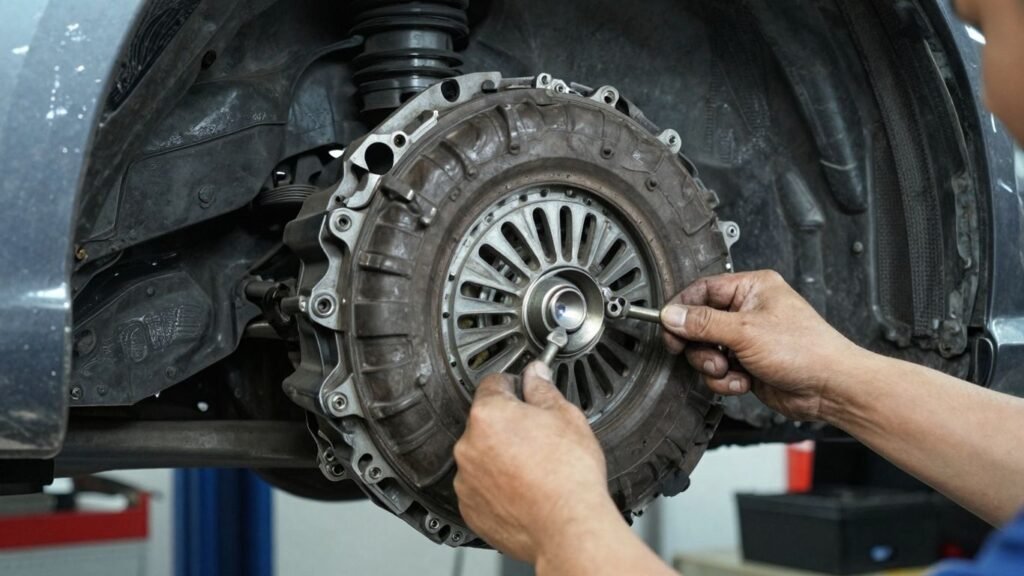
Mechanic repairing a Subaru clutch assembly.
Blog

Expert Subaru Clutch Repair Advice: Signs, Costs, and When to Act

Your Subaru’s clutch is a pretty important part, no doubt about it. It helps you change gears smoothly and get power to the wheels. But like anything, it can wear out. Sometimes it’s obvious, like when your car just doesn’t go when you step on the gas. Other times, it’s more subtle. Knowing the signs of trouble and what to do can save you a lot of headaches and money. We’re going to talk about Subaru clutch repair advice, what to look out for, and when it’s time to get it checked out. Key Takeaways Watch out for a slipping clutch, where your engine revs but the car doesn’t speed up much, especially on hills. If shifting gears becomes difficult, feels grindy, or the stick is stiff, your clutch might be having issues. Changes in how your clutch pedal feels—spongy, stiff, or vibrating—are signs you shouldn’t ignore. Getting Subaru clutch repair advice and fixing clutch problems early can prevent more serious damage and save you money. You don’t always need to go to the dealership for Subaru clutch repair; experienced independent shops can do the job well, often using genuine parts. Understanding Your Subaru’s Clutch System The Crucial Role Of The Clutch Your Subaru’s clutch is a pretty important piece of the puzzle, really. It’s the part that connects and disconnects the engine’s power to the transmission. Think of it like a switch. When you press the clutch pedal, you’re disengaging the engine from the wheels, allowing you to change gears smoothly. When you let the pedal up, it re-engages, sending that engine power down to the road. Without a properly functioning clutch, you simply can’t shift gears or even get your car moving from a standstill. It’s a mechanical link that needs to be precise. How Driving Habits Impact Clutch Longevity So, how you drive really does make a difference in how long your clutch lasts. If you’re constantly riding the clutch – meaning you rest your foot on the pedal even when you’re not shifting – you’re putting unnecessary wear on it. Similarly, jerky starts, rapid acceleration from a stop, or lugging the engine in too high a gear can all put extra strain on the clutch components. Stop-and-go city driving, with all its shifting and stopping, is also tougher on a clutch than cruising on the highway. It’s not just about if you drive, but how you drive. Common Misconceptions About Clutch Wear There are a few things people get wrong about clutch wear. One big one is that only aggressive driving wears out a clutch. While that’s a factor, it’s not the only one. Your Subaru’s specific model, how many miles are on it, and even the kind of roads you drive on play a part. Another myth is that a slipping clutch means the whole thing is about to explode. Often, it’s just an early sign that something is starting to wear out and might need an adjustment or a part replaced before it becomes a bigger problem. It’s easy to think that clutch issues are always a huge, expensive ordeal. But sometimes, the fix is much simpler than you might imagine. Paying attention to the early signs can prevent a small problem from turning into a major repair bill down the road. Recognizing The Warning Signs Of Clutch Failure Your Subaru’s clutch is a pretty important part of how the car drives, connecting the engine to the transmission. Like anything that gets used a lot, it can wear out. Noticing when it’s starting to go bad can save you a lot of headaches and money down the road. So, what should you be looking out for? The Symptom Of A Slipping Clutch This is probably the most common sign that your clutch is on its way out. You’ll notice it when you give it gas, and the engine revs up, but the car doesn’t pick up speed like it should. It feels like the engine is working hard, but the power isn’t getting to the wheels properly. This usually happens because the clutch disc, the part that grabs the engine’s flywheel, is worn down and can’t get a good grip anymore. It’s especially noticeable when you’re trying to accelerate in higher gears or going up a hill. A slipping clutch means the engine’s RPMs increase without a corresponding increase in vehicle speed. Difficulty Shifting Gears If you’re finding it harder to get your Subaru into gear, or if the gear shifter feels stiff and resistant, that’s another big clue. This often means the clutch isn’t fully disengaging when you press the pedal. When the clutch doesn’t separate the engine from the transmission completely, it makes it tough for the gears to mesh smoothly. You might hear grinding noises when you try to shift, or you might find it particularly difficult to get into first gear or reverse. Sometimes, the shifter can even get stuck. Changes In Clutch Pedal Feel Pay attention to how your clutch pedal feels under your foot. A pedal that feels soft, mushy, or spongy, and doesn’t really engage until it’s almost on the floor, can point to issues like air in the hydraulic system or a leak. On the flip side, if the pedal suddenly feels much stiffer and harder to press than usual, it might mean the pressure plate is starting to wear out. You might even feel strange vibrations or pulsing through the pedal when you press it, which could be a sign of a warped flywheel or a damaged clutch disc. A clutch pedal that feels different – whether it’s too soft, too hard, or vibrating – is your car telling you something isn’t right with the clutch system. It’s best not to ignore these changes. Burning Smell If you start to notice a distinct burning smell, especially after driving in traffic or when you’ve been using the clutch a lot, it’s a serious warning sign. This smell, often described as burning rubber or hot metal,

Scroll to Top