
Author name: Devteam

Subaru Outback driving on scenic highway at sunset.
Blog

Unlock Better MPG: Essential Subaru Fuel Efficiency Improvement Tips

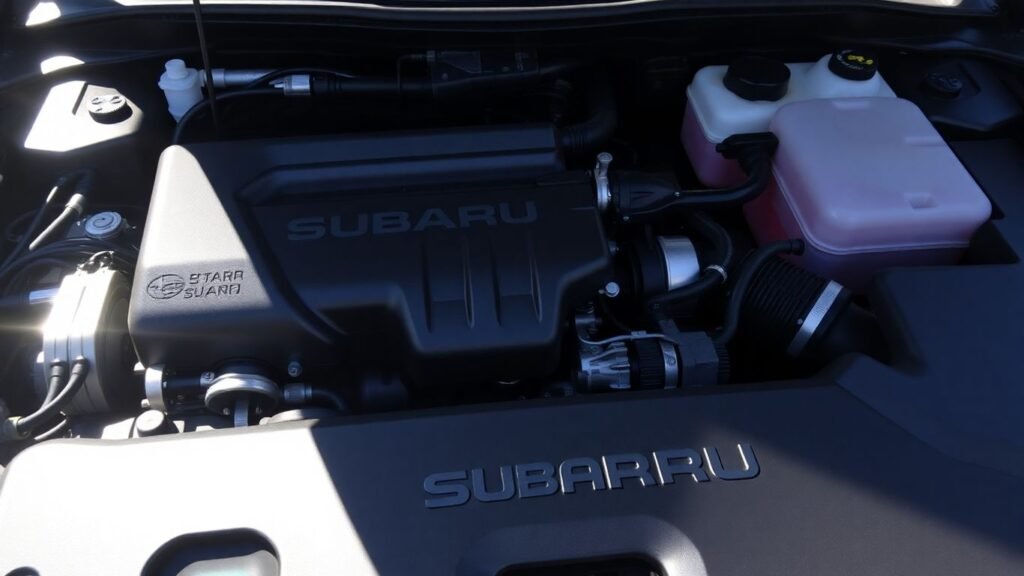
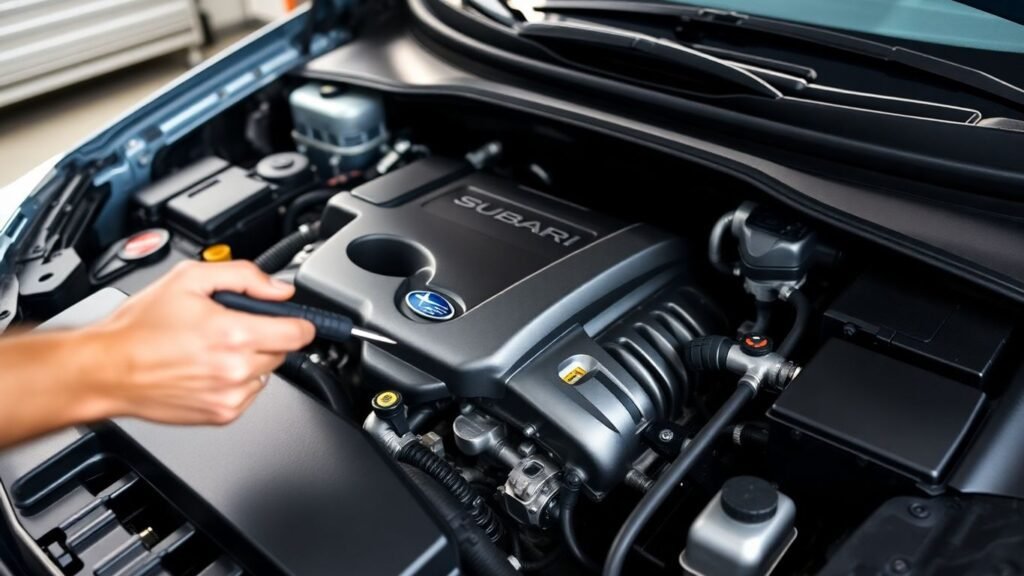
Thinking about how to get more miles out of every gallon in your Subaru? You’re not alone. Many Subaru owners want to improve their gas mileage, and there are a few smart ways to go about it. It’s not just about buying a new car; often, it’s about how you drive and how you take care of your current vehicle. We’ll look at some practical Subaru fuel efficiency improvement tips that can make a real difference. Key Takeaways Driving smoothly, like avoiding sudden stops and starts, really helps save gas. Keeping a steady speed on the highway is also a big help. Keeping your Subaru in good shape is important. Regular check-ups, clean filters, and making sure your tires are properly inflated can boost your MPG. The type of tires you choose matters. Tires with less rolling resistance can mean better fuel economy, even if it means a slight change in how the car handles. Looking into drivetrain parts and how they affect friction can show you where you might be losing efficiency. Sometimes simpler setups are better for gas mileage. Simple things like making sure your oxygen sensors are working right and your spark plugs are in good condition play a role in how well your engine uses fuel. Optimize Your Driving Habits For Subaru Fuel Efficiency Smooth Acceleration And Braking Techniques Think about how you drive. Slamming on the gas pedal and then hitting the brakes hard isn’t just rough on your car; it’s a big drain on your fuel. When you accelerate, you’re using a lot of gas to build up speed. Then, when you brake, all that momentum you worked to build just turns into heat and is wasted. It’s like filling a bucket with a hole in it. The key is to be gentle. Try to ease into the gas pedal and anticipate stops. Look ahead on the road to see if the light is turning red or if traffic is slowing down. This lets you lift off the gas early and coast, using very little to no fuel. It also puts less wear and tear on your brakes. Here’s a quick look at how different acceleration styles can affect fuel use: Driving Style Fuel Consumption Impact Aggressive (Hard acceleration) High Moderate (Steady acceleration) Medium Gentle (Smooth acceleration) Low Smooth driving isn’t just about saving gas; it makes for a more pleasant ride for everyone in the car. Less jerky movements mean less chance of spills and a calmer atmosphere. Maintain A Steady Cruising Speed Once you’re up to speed, keeping it steady is your next best friend for fuel economy. Constantly speeding up and slowing down, even by small amounts, makes your engine work harder than it needs to. Think about driving on the highway. If you can set your cruise control and let the car maintain a consistent speed, it’s generally more efficient than you manually keeping it there, especially on flatter roads. Subarus, like most cars, have a sweet spot for speed where the engine operates most efficiently. For many, this is somewhere between 50 and 65 mph. Going much faster than that often means a significant drop in miles per gallon. Strategic Parking For Easier Exits This one might seem a little odd, but where you park can actually impact your fuel use. When you pull into a parking spot, especially in a busy lot, you often have to back out. Backing up usually requires more maneuvering and can sometimes mean you’re idling longer. If you can find a spot where you can pull straight through, or one where you can easily drive straight out without needing to reverse, you’ll save a bit of time and fuel. It also makes getting out of the parking lot smoother, potentially letting you merge with traffic more easily and avoid unnecessary stops or acceleration. Vehicle Maintenance For Peak Subaru MPG Keeping your Subaru running smoothly is a big part of getting the best gas mileage. Think of it like taking care of yourself – if you don’t get enough sleep or eat right, you won’t feel your best, and your car is kind of the same way. Little things can add up to make a difference. Regular Engine Tune-Ups And Filter Changes Your engine needs to breathe and run efficiently. A dirty air filter is like trying to run with a stuffy nose; it just makes things harder. Replacing your air filter regularly, especially if you drive in dusty areas, can help your engine get the air it needs. Spark plugs are also important. Worn-out spark plugs can cause misfires, meaning you’re not burning fuel as effectively as you should be. Getting these checked and replaced according to your Subaru’s maintenance schedule is a solid move for better MPG. Proper Tire Inflation And Selection This one is pretty straightforward. Underinflated tires create more drag, making your engine work harder to move the car. It’s like trying to ride a bike with flat tires – way more effort. Checking your tire pressure regularly and keeping them inflated to the recommended PSI (you can usually find this on a sticker in your driver’s side doorjamb) is one of the easiest ways to save gas. When it’s time for new tires, consider ones designed for lower rolling resistance. While they might not offer the same sporty feel as some other tires, they can definitely help you get more miles per gallon. Consider Synthetic Fluids For Reduced Friction Engine oil, transmission fluid, and differential fluid all help keep moving parts lubricated. Standard conventional fluids do a decent job, but synthetic fluids are engineered to offer better lubrication, especially in a wider range of temperatures. This can mean less friction inside your Subaru’s mechanicals. Less friction means less energy is wasted as heat, and more of your engine’s power goes towards turning the wheels. While the initial cost might be a bit higher, many people find the long-term benefits in fuel economy and component wear are worth it.
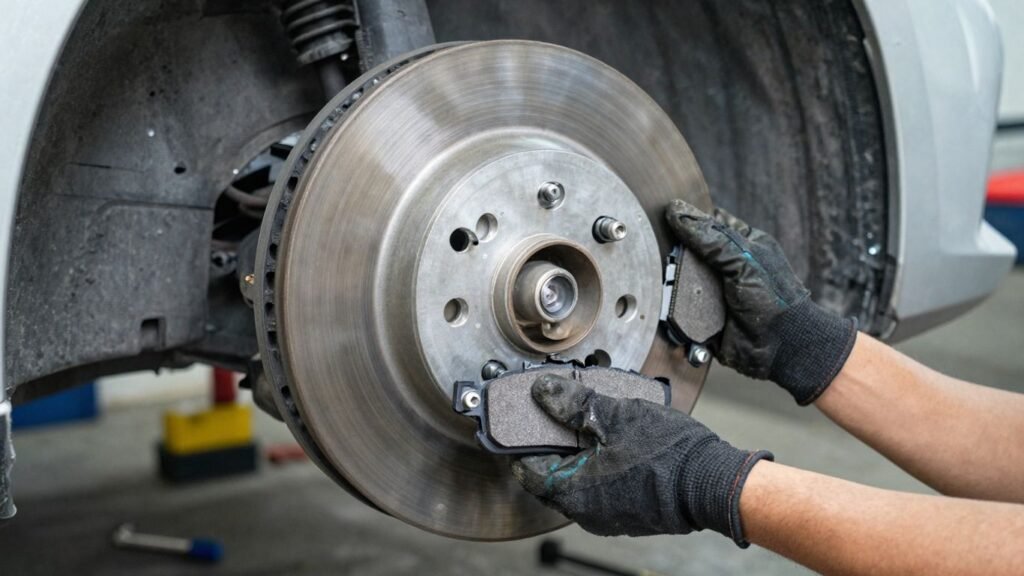
Mechanic replacing Subaru brake pads and rotors.
Blog

Your Complete Subaru Brake Replacement Guide: DIY Steps for Pads & Rotors

Keeping your Subaru stopping right is pretty important, right? Whether you drive a tough Crosstrek or a comfy Legacy, good brakes mean you can drive with more confidence. Over time, those brake pads and rotors wear out. Doing the replacement yourself can save you some cash and feel pretty good. It might seem like a big job, but with the right tools and a bit of patience, it’s totally doable. This Subaru brake replacement guide will walk you through it, step-by-step. If you’re not feeling up to it, Cascade Subaru in Wenatchee is always ready to help with your Subaru brake service. Key Takeaways Gather all your tools and the correct new parts before you begin your Subaru brake replacement. Safely lift and secure your Subaru using jack stands before removing any wheels. Carefully remove the old brake caliper and rotor, noting the position of parts. Install new pads and rotors, clean components, and lubricate contact points for smooth operation. Always test your Subaru’s brakes thoroughly after replacement before driving normally. Gathering Your Subaru Brake Replacement Tools Alright, let’s talk about getting ready for this brake job on your Subaru. Before you even think about jacking up the car or messing with lug nuts, you need to make sure you have everything lined up. It’s like packing for a trip – you don’t want to get halfway there and realize you forgot your toothbrush, or in this case, a critical tool. Having all your ducks in a row beforehand makes the whole process go so much smoother, trust me. Essential Tools for Brake Pad Replacement So, what do you actually need to get this done? You’ll definitely want a good set of wrenches and sockets. A torque wrench is also a must-have; you don’t want to guess on how tight those bolts should be. You’ll need something to compress the brake caliper piston, like a C-clamp or a specialized brake caliper tool. And don’t forget a jack and a sturdy set of jack stands – safety first, always. A lug wrench is obvious, but make sure it fits your Subaru’s lug nuts properly. Oh, and a bungee cord or a piece of sturdy wire is handy for hanging the caliper out of the way so it doesn’t just dangle by the brake line. That’s a big no-no. Parts Needed for Your Subaru Brake Job Obviously, you need new brake pads and rotors. Make sure you get the right ones for your specific Subaru model and year. It sounds simple, but grabbing the wrong part can really set you back. It’s also a good idea to have some brake fluid on hand, just in case you need to top it off or bleed the system a bit. Some people like to have new hardware clips for the pads too, though it’s not always strictly necessary. Optional Lubricants and Cleaners While you’re at it, grabbing a can of brake cleaner is a smart move. You’ll want to clean off any gunk or old grease from the caliper bracket and maybe even give the new rotor a quick wipe-down before you install it. A little bit of brake lubricant for the contact points where the pads meet the caliper and bracket can go a long way in preventing squeaks and ensuring smooth operation. Some folks also use a bit of anti-seize compound on the wheel hub where the rotor sits, which can make future rotor removal a lot easier. It’s not strictly required, but it’s a nice touch. Working on your brakes is serious business. If you’re not comfortable with any part of this process, or if you don’t have the right tools, it’s always better to take it to a professional. Your safety and the safety of others on the road depend on it. Preparing Your Subaru for Brake Maintenance Parking the Vehicle Safely Before you even think about touching a wrench, the very first thing you need to do is get your Subaru parked safely. Find a spot that’s completely level and solid. You don’t want your car rolling even an inch while you’re working on it. Once it’s parked, make sure to engage the parking brake firmly. This is a simple step, but it’s super important for keeping things stable. Initial Lug Nut Loosening Now, with the car still firmly on the ground, grab your lug wrench. You’re going to loosen the lug nuts on the wheels you’ll be working on. Don’t take them all the way off – just break them loose. Give them about a half to a full turn counter-clockwise. This makes them much easier to remove later when the wheel is off the ground and spinning freely. Checking Brake Fluid Levels This is a step a lot of people skip, but it’s really worth paying attention to. Pop the hood and find the brake fluid reservoir. Check the level against the "MIN" and "MAX" lines. If it’s low, you’ll need to top it up with the correct type of brake fluid for your Subaru. If it’s really low, it might mean there’s a leak somewhere, which is something you’ll want to investigate further. Having the right amount of brake fluid is key for your brakes to work correctly. When you compress the brake caliper pistons later on to fit the new pads, the fluid level in the reservoir will rise. If it’s already at the very top, you might need to siphon a little bit out to prevent overflow. Just use a clean turkey baster or a small siphon pump and a clean container. Here’s a quick look at what you’re aiming for with your brake fluid: Component Recommended Level Brake Fluid Between MIN and MAX Reservoir Cap Securely fastened Lifting Your Subaru and Removing Wheels Alright, time to get your Subaru up in the air so you can actually get to those brakes. This part is all about safety first, always. You don’t want your car deciding to take a nap on the ground

Subaru dashboard with illuminated check engine light.
Blog

Decoding Your Subaru: Top Causes for the Check Engine Light

Seeing the check engine light pop on in your Subaru can be a bit nerve-wracking. It’s that little symbol on your dashboard that lets you know the car’s computer has noticed something’s up. Sometimes it’s something simple, like forgetting to screw your gas cap on tight. Other times, it could point to a more involved issue under the hood. This guide will walk you through some of the most common Subaru check engine light causes, helping you figure out what might be going on and what to do next. Key Takeaways A loose or missing gas cap is a frequent culprit for the Subaru check engine light, often causing an EVAP system code. Oxygen sensors and mass airflow sensors monitor emissions and air-fuel mixture; their failure can impact fuel economy and performance. Issues with spark plugs, ignition coils, or fuel injectors can lead to engine misfires, rough idling, and potential damage to other components. A flashing check engine light often signals a serious engine misfire that could quickly damage the catalytic converter, requiring immediate attention. While the check engine light indicates a problem, a diagnostic scan is needed to pinpoint the exact cause and determine the necessary repairs. Loose Gas Cap Okay, so you see that little check engine light pop on your Subaru’s dashboard. Before you start picturing a blown engine or a transmission on its last legs, take a deep breath and do the simplest thing first: check your gas cap. Seriously. It sounds almost too easy, but a loose, damaged, or even missing gas cap is one of the most common culprits for that light to come on. Your gas cap does more than just keep the gasoline from sloshing out. It’s actually a key part of your Subaru’s evaporative emission control system, often called the EVAP system. This system is designed to capture fuel vapors that would otherwise escape into the atmosphere and send them back into the engine to be burned. When the cap isn’t sealing properly, these vapors can leak out. The car’s computer detects this leak, and bam – check engine light. It’s not just about emissions, either. A bad seal can also affect the pressure inside your fuel tank. This can mess with how the fuel system operates, potentially leading to a slight drop in fuel economy and, over time, making your Subaru work a bit harder than it needs to. So, what do you do? First, just give your gas cap a good twist. You should hear it click a few times. If it doesn’t click, or if it feels loose even after tightening, the seal might be worn out or cracked. Replacing a gas cap is usually pretty inexpensive, and you can often do it yourself in just a couple of minutes. Just make sure you get the right one for your specific Subaru model. After you tighten or replace it, drive your car for a bit – sometimes it takes a few miles or a few drive cycles for the car’s computer to recognize the fix and turn the light off. If the light stays on after a day or two, then it’s probably time to look into other possibilities. Oxygen Sensor Failure Your Subaru has at least one oxygen sensor, often called an O2 sensor, tucked away in the exhaust system. Its main job is to measure how much unburned oxygen is in your exhaust gases. This information is super important because it helps your car’s computer figure out the perfect mix of air and fuel to send into the engine for combustion. When an oxygen sensor starts to go bad, it can’t send accurate readings, and that throws off the air-fuel ratio. If the computer gets bad data, it might dump too much fuel into the engine, which isn’t great for your wallet or the environment. You might notice a drop in your gas mileage, or your Subaru could start running rough. On the flip side, if it doesn’t get enough fuel, the engine can run too lean, which can lead to overheating and potentially serious damage over time. It’s a pretty critical component for keeping your engine running smoothly and efficiently. A failing oxygen sensor can also cause your catalytic converter to work overtime and potentially get damaged, leading to an even more expensive repair down the road. It’s one of those parts that seems small but has a big impact. Here’s a quick look at what can happen: Symptom Potential Cause Reduced Fuel Economy Faulty O2 Sensor Rough Idling Faulty O2 Sensor Failed Emissions Test Faulty O2 Sensor Catalytic Converter Damage Faulty O2 Sensor (indirect) Mass Airflow Sensor Malfunction The Mass Airflow (MAF) sensor is a pretty important little gadget in your Subaru. Basically, it measures how much air is actually getting into the engine. This information is super helpful for the car’s computer, which then figures out exactly how much fuel to spray in to get the best mix. Think of it like a chef needing to know how much flour to add to a recipe based on how much liquid is already there. When this sensor gets dirty or starts acting up, it can’t accurately tell the computer about the airflow. This throws off that perfect air-fuel balance. A common symptom of a failing MAF sensor is a noticeable drop in performance, like sluggish acceleration or the engine feeling weak. You might also notice your Subaru idling rough, or the engine could even stall unexpectedly, especially when you first start it up or come to a stop. Sometimes, you’ll see a check engine light pop on, and it might be accompanied by a bit of sputtering or hesitation when you press the gas pedal. If your MAF sensor isn’t working right, the engine might get too much or too little fuel. Too much fuel can lead to poor gas mileage and even black smoke from the exhaust. Too little fuel, on the other hand, can cause the engine to run hot and

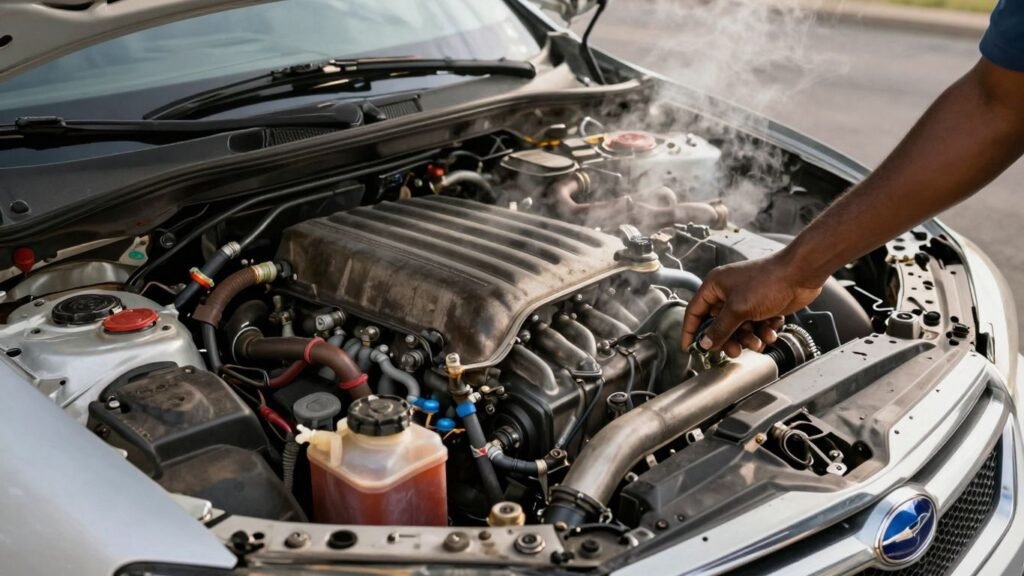
Subaru engine overheating with steam and coolant leak.
Blog

Decoding Subaru Overheating Issues: Causes and Solutions Explained

It can be pretty unnerving when your Subaru starts acting up and the temperature gauge starts climbing. Subaru overheating issues explained can seem complicated, but often, the reasons are pretty straightforward. Whether it’s a faulty thermostat, a problem with the cooling system, or something else entirely, understanding the common causes and what to look for can help you get your car back in shape. Let’s break down what might be going on. Key Takeaways Overheating in Subarus often stems from issues within the cooling system, like low coolant levels, leaks, or a malfunctioning water pump. Pay attention to warning signs like a rising temperature gauge, steam from the engine, or a sweet smell, which can indicate Subaru overheating issues. Thermostats are critical; using genuine Subaru parts is often recommended, as aftermarket ones might not perform as reliably. Air trapped in the cooling system can cause overheating, making proper bleeding techniques important after any service. OBD-II codes, such as P0483, can point to specific problems like fan control issues, helping to diagnose Subaru overheating problems. Understanding Subaru Overheating Issues Explained Common Causes of Subaru Overheating When your Subaru starts running hotter than it should, it’s easy to panic. But usually, there’s a pretty straightforward reason behind it. One of the most common culprits is a problem with the cooling system itself. Think of it like your car’s personal air conditioner. If that’s not working right, things get uncomfortable fast. This could be anything from a simple coolant leak to a more complex issue with the radiator or water pump. Sometimes, it’s just low coolant levels, which is an easy fix if caught early. Symptoms to Watch For So, how do you know if your Subaru is running too hot? The most obvious sign is the temperature gauge on your dashboard creeping up into the red zone. You might also notice a sweet, syrupy smell coming from under the hood, which often indicates a coolant leak. Sometimes, you’ll see steam or even smoke billowing from the engine bay. If you see coolant puddles under your car, that’s another big red flag. Don’t ignore these signs; they’re your car’s way of telling you something’s wrong. The Role of the Cooling System The cooling system is basically a network of hoses, a radiator, a water pump, and coolant. Its job is to keep the engine at its optimal operating temperature. Coolant circulates through the engine, picking up heat, and then flows to the radiator where it’s cooled by air passing through. The fans help with this process, especially when the car is moving slowly or stopped. If any part of this system fails, like a leaky hose or a clogged radiator, the engine can’t cool down properly, leading to overheating. A properly functioning cooling system is vital for engine longevity. When it falters, the engine can suffer serious damage, making regular checks and prompt repairs a smart move for any Subaru owner. Thermostat Malfunctions and Subaru Overheating Okay, so let’s talk about the thermostat. It’s a pretty small part, but it plays a big role in keeping your Subaru’s engine temperature just right. Think of it like a gatekeeper for coolant. When the engine is cold, it stays closed, letting the engine warm up faster. Once it reaches a certain temperature, it opens up, allowing coolant to flow through the radiator and cool things down. If this little guy gets stuck, either open or closed, you’re going to have problems, and overheating is a common one. The Importance of Genuine Subaru Thermostats When it comes to thermostats, especially in a Subaru, sticking with genuine parts is usually the way to go. I’ve seen folks try to save a few bucks with aftermarket ones, and sometimes it works out fine. But other times, those cheaper thermostats just don’t last as long or don’t open at the exact temperature the Subaru’s computer expects. This can lead to all sorts of weird temperature readings and, you guessed it, overheating. The genuine Subaru thermostats are designed to work perfectly with your specific engine and cooling system. They’re built to handle the job reliably. Signs of a Faulty Thermostat So, how do you know if your thermostat is the culprit? Well, there are a few tell-tale signs. The most obvious is the temperature gauge on your dash acting weird. If it’s climbing into the red zone way too quickly, or if it’s stuck on cold even after you’ve been driving for a while, the thermostat could be the issue. Sometimes, you might notice your heater isn’t blowing as hot as it used to, especially when the engine is supposed to be at operating temperature. This can happen if the thermostat is stuck open and the coolant isn’t getting hot enough. Here’s a quick rundown of what to look for: Symptom Potential Thermostat Issue Engine overheating Stuck closed Temp gauge stays on cold Stuck open Heater blows cool air Stuck open Slow engine warm-up Stuck open Rapid temp gauge rise Stuck closed Thermostat Replacement Procedures Replacing a thermostat isn’t usually a super complicated job, but it does require some care. You’ll need to drain some of the coolant first, then unbolt the thermostat housing. It’s usually located where the upper radiator hose connects to the engine. Make sure you get the new thermostat in the right orientation – there’s often a small jiggle valve that needs to be positioned correctly. After bolting it back up, you’ll need to refill the coolant and, importantly, bleed any air out of the system. Air pockets can cause their own set of cooling problems, so this step is really important. Always make sure to use the correct type of coolant for your Subaru. Mixing different types can cause corrosion and gunk up your cooling system, leading to bigger problems down the road. Check your owner’s manual for the specific type recommended. After the new thermostat is in and the system is refilled, it’s a good idea to run the engine for a bit

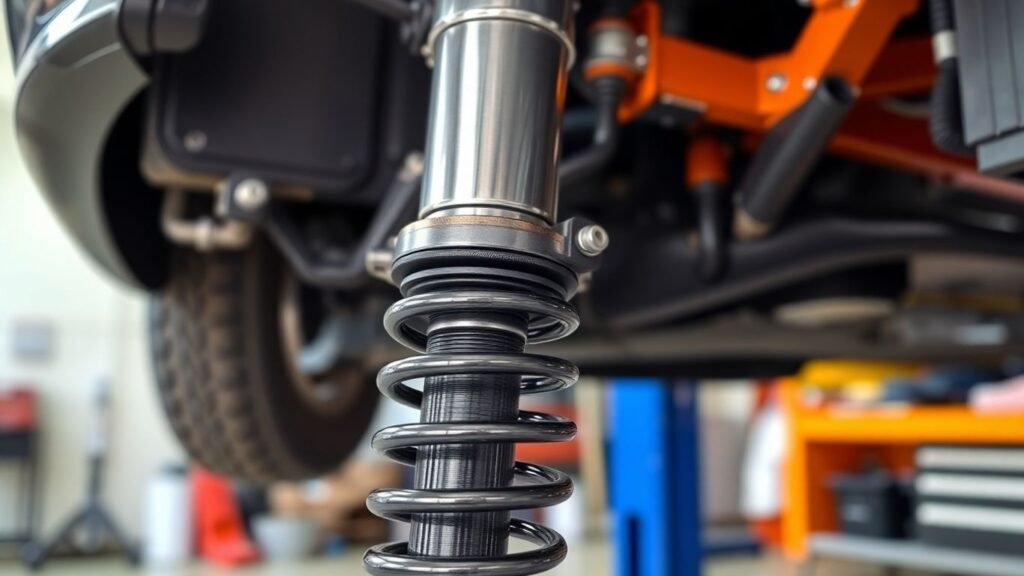
Subaru suspension system close-up
Blog

Unlock Peak Performance: The Best Way to Maintain Your Subaru Suspension

Your Subaru’s suspension is a big deal for how it drives, whether you’re just cruising around town or hitting some rougher roads. Keeping it in good shape means your car will handle better and last longer. It’s not super complicated, but you do need to pay attention to it. We’re going to cover the best way to maintain your Subaru suspension so you can keep enjoying your ride for years to come. Key Takeaways Regularly look over your suspension for any leaks, cracks, or loose parts. This is your first defense against problems. Listen for weird noises like clunks or squeaks when you drive, especially over bumps. These can signal an issue. Clean your suspension after off-roading or during winter to prevent rust and corrosion from dirt and road salt. Check that all bolts are tight periodically and lubricate moving parts like sway bar links. Consider professional help for complex installations or if you’re unsure about diagnosing suspension problems. 1. Regular Visual Inspections Taking a good look at your Subaru’s suspension now and then is a pretty straightforward way to catch problems before they get out of hand. You don’t need to be a master mechanic to do this; just a little bit of your time every few months or after you’ve been off-roading can make a big difference. Start by looking for any wet spots around your shocks or struts, which could mean they’re leaking fluid. Also, check the rubber parts, like bushings, for any cracks or signs of wear. Things like dirt, mud, and road salt can build up and trap moisture, leading to rust and making parts weaker over time. So, after a muddy adventure or during a car wash, give the underside a good rinse. It might seem like a small thing, but keeping things clean makes it easier to spot trouble and helps prevent corrosion that can weaken components. A clean suspension is easier to inspect, and spotting a small issue early can save you a lot of headaches and money down the road. It’s about keeping your ride safe and performing well. Don’t forget to check that all the bolts and nuts are still snug. Vibrations from driving can sometimes loosen them up. You can usually find the correct tightness specifications in your owner’s manual or a service guide. Just giving everything a once-over regularly helps you stay ahead of potential issues and keeps your Subaru handling the way it should. 2. Monitor Your Suspension’s Performance It’s really important to get to know how your Subaru handles and to pay attention when things start feeling different. Your ears and your backside are your best tools here. Listen for any new sounds when you go over bumps – clunks, squeaks, or grinding noises are usually a sign something needs a look. You might also feel it in the steering wheel, like it’s wandering a bit, or notice the car seems to bounce more than usual after hitting a dip. Sometimes, you can even see a difference in how the car sits, maybe one corner looks lower than the others. Symptom Potential Cause Excessive bouncing Worn shocks or struts Clunking over bumps Loose components, worn bushings, or bad mounts Pulling to one side Alignment issues, uneven tire wear, or damaged parts Grinding noises Severely worn metal components, needs immediate check Sagging ride height Worn springs or damaged suspension components If you start noticing any of these changes, it’s a good idea to check things out sooner rather than later. Ignoring these early warnings can lead to bigger problems down the road, affecting not just your ride comfort but also how safely your car handles. It’s better to catch a small issue before it turns into a major repair. 3. Troubleshoot Common Issues Even with the best care, suspension parts can develop problems. Paying attention to how your Subaru handles and sounds is your best bet for catching issues early. One common sign is a change in how your car rides. If you start hearing clunks or squeaks when you go over bumps, it might mean a bushing is worn out or a strut mount is loose. Sometimes, you might feel a difference in steering, like the car pulling to one side, or notice the steering wheel vibrating. This could point to alignment problems or issues with components like control arms. Another thing to watch for is fluid leaks. If you see oily residue on your shocks or struts, it means the seals are failing, and the shock absorber won’t work right anymore. This can lead to a bouncy ride and make handling feel sloppy. Sometimes, after making changes like adding a lift kit, the suspension geometry can get thrown off. This might mean you need to adjust things like camber or caster. If your tires are wearing unevenly, especially on the edges, that’s a big clue that something isn’t aligned correctly and needs attention. It’s also worth checking your CV axle boots. If they get torn, dirt and water can get in, ruining the joint. This is more common on lifted Subarus because the angle of the axles changes. 4. Make Seasonal Adjustments Your Subaru’s suspension doesn’t just sit there; it works hard, and its needs can shift with the weather and how you drive. When the seasons change, it’s a good time to think about your suspension. If you’ve been hitting the trails hard, especially in muddy or dusty conditions, give your suspension a good cleaning. Getting rid of all that gunk is important because it can trap moisture and lead to rust or damage to bushings and joints. This is especially true if you live somewhere that uses road salt in the winter – rinsing your undercarriage regularly helps wash that corrosive stuff away. Taking these simple steps can really help protect your suspension parts from the elements and keep them working right. Think about how you use your car too. The setup that’s great for carving up mountain roads might not be

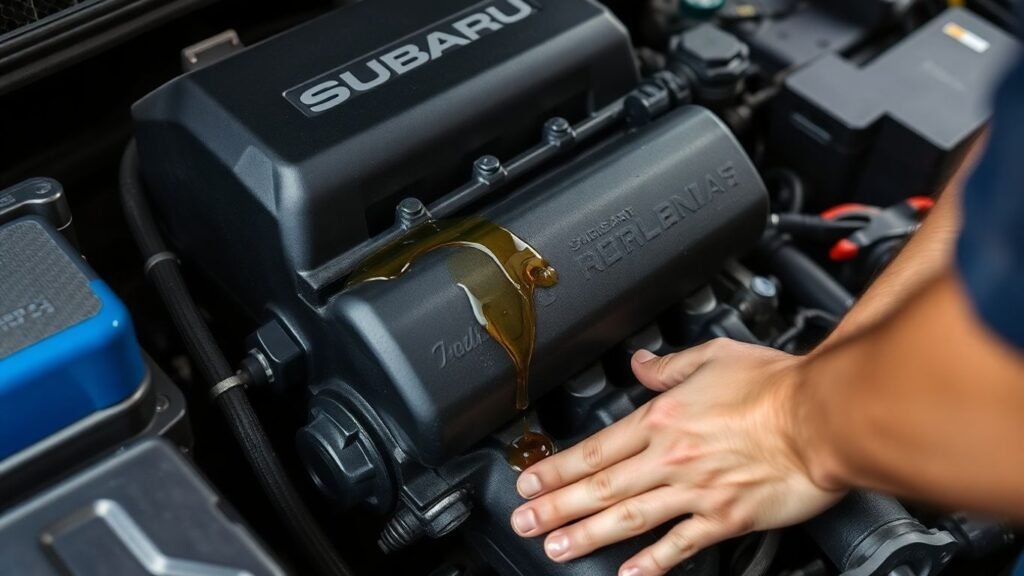
Subaru engine oil leak diagnosis and repair.
Blog

Effective Subaru Oil Leak Solutions: Diagnosis, Repair, and Prevention

So, you’ve noticed some oil spots under your Subaru, huh? It’s a bummer, I know. It’s not just about cleaning up a mess; it could mean something more serious is going on with your engine. We’re going to break down what those Subaru oil leak solutions really involve, from figuring out where the leak is coming from to fixing it and, hopefully, stopping it from happening again. Let’s get your Subaru back to running smoothly. Key Takeaways Keep an eye out for oil spots under your car, burning smells, or a low oil level – these are the first signs of a Subaru oil leak. Common culprits for leaks include worn-out valve cover gaskets, oil filter housings, and rear main seals. Sometimes it’s just a loose bolt. Fixing minor leaks often means replacing gaskets or seals, while bigger issues like a damaged oil pan might need more involved repairs. Regular oil changes and routine checks are your best defense against future oil leaks, helping to keep seals and gaskets in good shape. Don’t ignore oil leaks; they can lead to bigger, more expensive engine problems and even safety issues if left untreated. Understanding Subaru Oil Leak Solutions So, you’ve noticed a little something extra under your Subaru after it’s been parked for a while? That tell-tale drip or even just a suspicious sheen on the driveway can be a bit unsettling. It’s important to figure out what’s going on before it becomes a bigger headache. Subaru engines, known for their boxer design, can sometimes develop oil leaks, and understanding the common culprits is the first step to getting things sorted. Recognizing The Signs Of An Oil Leak Spotting an oil leak isn’t always as obvious as a big puddle. Sometimes it’s just a faint smell of burning oil when you’re driving, or you might notice the oil level on your dipstick dropping faster than it should. You could also see a dark, oily film on the engine or undercarriage. It’s not just about the mess; these signs mean your engine is losing a vital fluid. Common Causes Of Subaru Oil Leaks Several things can cause oil to escape your Subaru’s engine. The most frequent offenders are often the gaskets and seals. Think of them like the seals on a jar – they keep things contained. Over time, heat and wear can make these gaskets brittle or cracked. Valve cover gaskets, oil pan gaskets, and the rear main seal are common areas where this happens. Sometimes, the oil filter housing or cooler adapter can also develop leaks. It’s not always a catastrophic failure, but these components do wear out. The Risks Of Ignoring Oil Leaks Letting an oil leak go unchecked is like ignoring a small cut that gets infected. Initially, it might seem minor, but it can lead to serious problems down the road. Low oil levels mean your engine’s moving parts aren’t getting enough lubrication, leading to increased friction and heat. This can cause premature wear on engine components, potentially leading to expensive repairs like a blown engine. Plus, oil dripping onto hot exhaust parts can create a fire hazard. It’s definitely not something to put off. It’s easy to think a little oil loss isn’t a big deal, especially if it’s not leaving a huge mess. But engines need a consistent amount of oil to keep everything running smoothly. When that level drops, even a bit, the stress on the engine goes up. Think of it like not drinking enough water on a hot day – you might be okay for a while, but eventually, you’ll feel the effects, and so will your engine. Component Typical Issue Valve Cover Gaskets Cracking or hardening over time Oil Pan Gasket Gasket degradation or pan damage Rear Main Seal Wear and tear, especially at higher mileage Oil Filter Housing Gasket failure or cracks in the housing Oil Cooler Adapter Seal degradation or cracks Diagnosing The Source Of Subaru Oil Leaks Alright, so you’ve noticed a drip or a strange smell, and you’re thinking, ‘Uh oh, oil leak.’ The first thing to do is not panic. Pinpointing where that oil is coming from is the key to fixing it right. Initial Inspection And Oil Level Checks Before you get too worried, let’s start with the basics. Pop the hood and check your oil level. Is it significantly low? If it’s just a little bit low, it might be normal oil consumption for your Subaru, especially if it’s an older model. Sometimes what looks like a leak is actually just some oil blow-by. You’ll want to look underneath the car for any fresh oil spots. If you see them, try to get a general idea of where they’re coming from. Is it more towards the front, middle, or back of the engine? Also, check the oil dipstick and the oil filler cap. If the oil looks milky or foamy, that could point to a coolant leak mixing with the oil, which is a different, more serious issue, often related to head gaskets. Advanced Diagnostic Techniques If the basic checks don’t reveal the culprit, it’s time to get a bit more hands-on. Sometimes, a mechanic will use a UV dye. They add a special fluorescent dye to your oil, run the engine for a bit, and then use a UV light to find exactly where the dye is leaking out. It’s pretty effective for finding even small seeps. Another method is to clean the engine thoroughly and then run it. Any new oil that appears on a clean surface is a strong indicator of the leak’s origin. You can also sometimes tell by the location of the oil residue. For example, oil dripping down the back of the engine might suggest a rear main seal issue, while oil around the top could mean valve cover gaskets. When To Seek Professional Diagnosis Look, sometimes you just don’t have the tools or the time to figure this stuff out yourself. If you’ve checked the oil

Subaru transmission parts and gears
Blog

Common Subaru Transmission Problems and Effective Fixes Explained

Subaru transmissions, while generally reliable, can sometimes develop issues. You might notice odd noises, difficulty shifting, or even fluid leaks. These Subaru transmission problems and fixes are important to understand so you can keep your car running smoothly. Ignoring these signs can lead to bigger, more expensive headaches down the road, so it’s good to know what to look for and what can be done about it. Key Takeaways Common Subaru transmission problems include slipping gears, unusual noises, delayed shifting, and fluid leaks, often accompanied by warning lights. Causes can range from normal wear and tear and contaminated fluid to electronic glitches and harsh driving conditions. Diagnosing issues involves using OBD-II scanners, visual checks, and test drives to pinpoint the exact problem. Fixes can involve simple fluid changes, targeted component repairs, or a complete transmission replacement, depending on the severity. Regular maintenance, mindful driving, and timely software updates are key to preventing Subaru transmission problems and ensuring longevity. Common Subaru Transmission Problems and Symptoms So, your Subaru’s acting a little funny, huh? Maybe it feels like it’s not quite as peppy as it used to be, or you’re hearing some weird noises. It’s easy to get worried when your car starts acting up, especially when it comes to something as important as the transmission. Let’s break down some of the most common issues Subaru owners run into and what they might feel or sound like. Transmission Slippage and Power Loss This is a big one. You’re accelerating, maybe trying to merge onto the highway, and suddenly, it feels like the engine is revving, but you’re not really picking up speed. Or maybe there’s just a general feeling of sluggishness, like the car isn’t putting its power down like it should. It’s that unsettling sensation where the engine’s working hard, but the car isn’t responding as expected. This can be really unnerving, especially when you need that extra boost. Unusual Noises from the Transmission Your ears can tell you a lot. If you start hearing strange sounds coming from the transmission area, it’s definitely worth paying attention to. We’re talking about things like grinding, whining, or even clunking noises, especially when you’re shifting gears or accelerating. These sounds aren’t just annoying; they often point to something going on internally, like worn-out parts or low fluid levels. Delayed Shifting and Engagement Issues Ever put your car in drive or reverse and have to wait a second or two for it to actually engage? That delay, or sometimes a jerky feeling when the gear finally catches, can be a sign that your transmission isn’t happy. It’s like the transmission is hesitating before it does its job. This can be particularly noticeable in stop-and-go traffic. Transmission Fluid Leaks and Warning Lights Keep an eye out for any reddish or brownish fluid puddles under your Subaru. That’s likely transmission fluid, and a leak means your transmission isn’t getting the lubrication it needs. Low fluid levels can lead to overheating and serious damage. On top of that, don’t ignore those dashboard warning lights. If the check engine light or a specific transmission warning light pops on, it’s your car’s way of telling you something needs attention, and it’s usually best to get it checked out sooner rather than later. Ignoring these symptoms can turn a manageable issue into a much bigger, more expensive problem down the road. It’s always better to address transmission concerns early. Here’s a quick look at how these symptoms might present themselves: Symptom What You Might Experience Slippage / Power Loss Engine revs, but car doesn’t accelerate; general sluggishness Unusual Noises Grinding, whining, or clunking sounds during operation Delayed Shifting/Engagement Hesitation or jerky feeling when shifting into gear Fluid Leaks Reddish/brown puddles under the vehicle Warning Lights Check engine or transmission warning light illuminated Understanding the Causes of Subaru Transmission Malfunctions So, why do Subaru transmissions sometimes decide to act up? It’s usually not just one thing, but a mix of factors that can lead to trouble. Think of it like a complex machine; if one part isn’t happy, the whole system can get grumpy. Wear and Tear on Transmission Components Everything wears out eventually, and your transmission is no different. Over time, the constant movement and friction inside can cause parts like gears, bearings, and seals to degrade. This is totally normal, but it means that as your Subaru gets older, these components might start to cause issues if they aren’t looked after. It’s like using a favorite pair of shoes – they’re great at first, but after thousands of miles, they’re going to show some wear. Fluid Contamination and Low Levels Transmission fluid is super important. It keeps things cool, lubricates all those moving parts, and helps with shifting. If the fluid gets dirty with metal shavings or other gunk, it can’t do its job properly. Low fluid levels are also a big problem because the transmission can overheat and parts can grind against each other. It’s kind of like trying to run a marathon without enough water – you’re not going to get very far, and you’ll probably feel pretty bad. Fluid Condition Potential Impact Low Level Overheating, increased wear Contaminated Reduced lubrication, component damage Old/Degraded Poor performance, potential failure Software Glitches and Electronic Issues Modern cars have a lot of computers controlling everything, including the transmission. Sometimes, the software that tells the transmission what to do can get a little confused. This could be a minor bug or a more significant glitch that makes the transmission shift oddly or not engage properly. It’s like when your phone freezes – it’s not a mechanical problem, but it stops things from working right. Modern transmissions rely heavily on electronic signals and software. A simple software update can sometimes resolve complex shifting problems that might otherwise seem like a major mechanical failure. Environmental Factors and Driving Conditions How and where you drive your Subaru can also play a role. Constantly driving in extreme heat or cold can put extra stress

Subaru engine bay with clean components
Blog

Maximizing Your Miles: Essential Tips on How to Extend Subaru Engine Life

So, you’ve got a Subaru and you want to know how to extend Subaru engine life. It’s a solid car, right? Built tough for all sorts of adventures. But like anything, it needs a little TLC to keep running well for years. Whether you’re hitting the trails or just commuting, a few smart moves can make a big difference. Let’s talk about what really keeps these engines ticking. Key Takeaways Sticking to your Subaru’s maintenance schedule, especially regular oil changes and fluid checks, is the number one way to keep the engine healthy. Driving gently – think smooth acceleration and braking – puts less stress on the engine and other parts, helping them last longer. Using genuine Subaru parts when you need repairs or replacements means they’ll fit right and work as intended, avoiding potential engine issues. Paying attention to fluid services like transmission and differential fluid changes is super important, especially as your Subaru gets older. Don’t ignore warning lights on your dashboard; they’re your car’s way of telling you something needs attention before it becomes a major engine problem. Adhering To Your Subaru’s Maintenance Schedule Think of your Subaru’s maintenance schedule like a doctor’s appointment for your car. It’s not just about fixing things when they break; it’s about keeping everything running smoothly and catching little problems before they turn into big, expensive headaches. Subaru puts these schedules in place for a reason, and following them is probably the single best thing you can do to keep your engine healthy for the long haul. Routine Oil and Filter Changes This is the bread and butter of car maintenance. Your engine oil does a lot – it lubricates moving parts, cleans out gunk, and helps with cooling. Over time, though, that oil gets dirty and breaks down. Changing it and the oil filter regularly, usually every 6,000 miles or six months, is super important. It keeps your engine parts from grinding against each other and helps prevent sludge buildup. Clean oil means a happier engine. Fluid Top-Offs and Replacements Your Subaru uses a bunch of different fluids, and they all have jobs to do. We’re talking about coolant to keep the engine from overheating, brake fluid for stopping power, power steering fluid for easy steering, and transmission fluid for smooth gear changes. These fluids can get old, dirty, or just low. Checking them regularly and topping them off or replacing them as needed, according to your owner’s manual, keeps all these systems working right. Ignoring them can lead to some serious issues, like a transmission that starts acting up or an engine that overheats on a hot day. Timing Belt and Chain Inspections This one is a bit more serious. Most Subarus use a timing belt or a timing chain to keep the engine’s valves and pistons in sync. If a timing belt snaps, it can cause catastrophic engine damage – think thousands of dollars in repairs. Subaru recommends inspecting or replacing the timing belt at specific mileage intervals, often around 100,000 miles, though it varies by model. Timing chains generally last longer but still need checking. It’s a job you don’t want to skip. Skipping scheduled maintenance might seem like you’re saving money in the short term, but it almost always leads to more costly repairs down the road. Think of it as an investment in your car’s future. Driving Habits That Preserve Your Subaru Gentle Acceleration and Braking How you handle the pedals makes a big difference over time. When you start your Subaru, especially when it’s cold, give the engine a little time to warm up before you really push it. Slamming on the gas right away puts a lot of stress on the engine and drivetrain. It’s better to ease into it. Think of it like waking up in the morning – you don’t jump out of bed and sprint a marathon, right? Your car’s engine is similar. Smooth, gradual acceleration helps everything get up to temperature and lubricated properly before it has to work hard. Similarly, when you’re slowing down, try to anticipate stops. Instead of waiting until the last second and mashing the brakes, ease off the gas and let the car slow down naturally. This reduces wear on your brake pads and rotors. It also puts less strain on the transmission and other components. Consistent, gentle driving is the name of the game for a long-lasting Subaru. The way you drive directly impacts how long your engine and other parts last. Being mindful of your pedal inputs can save you a lot of money on repairs down the road. Avoiding Road Hazards We all know that potholes and rough roads can be a pain. Hitting one hard can do more than just jolt you; it can damage your tires, wheels, suspension, and even the exhaust system. When you see a pothole or a rough patch ahead, try to steer around it if it’s safe to do so. If you can’t avoid it, try to slow down as much as possible before you hit it. This lessens the impact. It’s not just about comfort; it’s about protecting your Subaru from unnecessary wear and tear. Think about those times you’ve heard a loud thud after hitting something – that’s your car taking a hit. Consistent, Smooth Operation Beyond just acceleration and braking, the overall way you operate your vehicle matters. Try to avoid excessive speeding, especially for long periods. High speeds mean the engine is working harder and generating more heat, which can lead to faster wear. Also, try not to lug the engine by staying in too high a gear at low speeds. This makes the engine work harder than it needs to. Keeping your RPMs in a reasonable range, generally between 2,000 and 4,000 for most driving, is a good practice. This allows the engine to operate efficiently without being overly stressed. It’s about finding that sweet spot where the car is moving along nicely without feeling strained. The Importance of

Subaru engine bay with mechanic performing maintenance.
Blog

Essential Subaru Maintenance Tips for Optimal Performance and Longevity

So, you’ve got a Subaru. Cool. These cars are pretty tough and can handle a lot, whether you’re just driving around town or heading out on an adventure. But like anything, they need a little attention to keep running smoothly. Think of it like this: you wouldn’t expect your phone to last forever without charging it, right? Same idea with your car. We’ve put together some straightforward Subaru maintenance tips to help you keep your ride in top shape for a long time. It’s not rocket science, just some basic care. Key Takeaways Regularly changing your oil and filters is super important for your engine. It keeps things clean and running right. Don’t forget about your transmission and brake fluids; keeping them fresh helps your car stop and shift smoothly. Check your tires often – rotate them, make sure they’re balanced, and get the alignment checked. It makes a big difference in how your Subaru handles. Pay attention to unusual noises or warning lights. They’re your car’s way of telling you something might need a look. Following the maintenance schedule in your owner’s manual is your best bet for keeping your Subaru reliable for years to come. Essential Subaru Maintenance Tips for Peak Performance Keeping your Subaru running at its best isn’t just about looking good; it’s about making sure it performs reliably, whether you’re commuting or heading out on an adventure. Think of it like taking care of a trusty tool – regular attention keeps it sharp and ready for anything. Engine Care: Oil, Filters, and Spark Plugs The heart of your Subaru is its engine, and it needs consistent care. Regular oil changes are probably the most talked-about maintenance item, and for good reason. Oil keeps things moving smoothly inside your engine, reducing friction and heat. Most Subarus do well with an oil change every 6,000 miles or so, but always check your owner’s manual for the exact recommendation for your model and the type of oil it prefers. Don’t forget the oil filter, which should be swapped out at the same time. The engine air filter is another simple but important part. It keeps dust and debris out of your engine, so when it gets clogged, your engine can’t breathe properly, hurting performance and fuel economy. Replacing it every 15,000 to 30,000 miles is a good general guideline. Spark plugs are also key for igniting the fuel-air mixture. Worn-out plugs can lead to misfires and a loss of power. Most Subaru models need new spark plugs around the 60,000-mile mark. Component Recommended Interval (Approx.) Notes Engine Oil & Filter 6,000 miles / 6 months Use recommended oil type and weight. Engine Air Filter 15,000 – 30,000 miles Replace if visibly dirty or clogged. Spark Plugs 60,000 miles Check owner’s manual for specific type. Transmission and Drivetrain Fluid Service Your Subaru’s transmission and drivetrain fluids are like the lubricants for its moving parts. Whether you have a manual or an automatic, these fluids need attention. For manual transmissions, the clutch fluid also plays a role in smooth shifting. For Subaru’s famous Symmetrical All-Wheel Drive system, the differential fluids are particularly important. These fluids can break down over time, losing their ability to protect the gears and other components. Skipping this service can lead to premature wear and expensive repairs down the road. It’s best to follow the schedule in your owner’s manual for when to have these fluids checked and replaced. Keeping your transmission and differential fluids fresh is vital for the longevity of Subaru’s renowned AWD system. These fluids handle a lot of stress, especially if you drive in varied conditions. Brake System Inspections and Fluid Flushes Your brakes are obviously critical for safety, but they also contribute to a confident driving experience. Regular checks of your brake pads and rotors can catch small issues before they become big, costly problems. You might notice squealing or a longer stopping distance when they’re worn. Beyond the physical components, the brake fluid itself needs attention. Over time, brake fluid can absorb moisture, which lowers its boiling point and can lead to a spongy brake pedal, especially under heavy use. A brake fluid flush, typically recommended every 30,000 miles or 30 months, replaces this old fluid with fresh fluid, keeping your braking system working effectively and safely. Maintaining Your Subaru’s Handling and Ride Quality Keeping your Subaru feeling sharp and comfortable on the road is all about paying attention to a few key areas. It’s not just about how fast it goes, but how it feels when you’re driving, especially on those longer trips or when the weather isn’t perfect. Tire Rotations, Balancing, and Alignment Checks Your tires are the only part of your car that touches the road, so taking care of them is a big deal. Regularly rotating your tires helps them wear down evenly, which means you get better grip and they last longer. Most folks should aim to get this done every 6,000 to 7,500 miles. Balancing is important too; it stops those annoying vibrations you might feel at higher speeds. And alignment? That’s what keeps your car from pulling to one side. If you notice your Subaru drifting or the tires look like they’re wearing unevenly, it’s probably time for an alignment check. It makes a huge difference in how the car handles. Suspension Component Inspections Think of your suspension as the system that keeps your ride smooth and controlled. Shocks and struts are a big part of that. If you’re hitting a lot of bumps or notice your car bouncing more than usual after going over a dip, those parts might be getting worn out. It’s a good idea to have them looked at periodically, especially if you drive on rough roads often. Worn suspension parts don’t just make for a bumpy ride; they can also affect how well your car steers and brakes. Cabin Air Filter Replacement for Air Quality This one’s often overlooked, but it’s pretty important for your comfort. The

Genuine Subaru car parts displayed for online purchase.
Blog

Find Genuine Subaru Car Parts Online: Your Trusted Store for Quality Components

Looking for parts for your Subaru? It can be a pain trying to find the right bits, especially when you want the real deal. You know, the stuff that actually fits and works like it’s supposed to. This guide is all about helping you find a good Subaru Car Parts Online Store, so you can get your car back in shape without all the hassle. We’ll cover what to look for and where to find quality components for your ride. Key Takeaways Finding a reliable Subaru Car Parts Online Store means getting authentic components made specifically for your vehicle. Quality parts for your Subaru include everything from engine and brake pieces to electrical bits and lights. A good online store makes shopping easy with a simple website, secure payments, and fast shipping. You can get help from experts if you have questions or need advice on installing your new parts. Regular maintenance and the right parts help keep your Subaru running well and looking good. Finding Genuine Subaru Car Parts Online Store Authentic Components for Your Subaru When it comes to keeping your Subaru running just right, you really want to stick with parts made specifically for it. Using parts that aren’t the real deal can sometimes cause more problems down the road, and nobody wants that. Genuine Subaru parts are designed and tested to fit your car perfectly and work the way they’re supposed to. It’s like getting a custom-made suit versus one off the rack – it just fits better and performs better. Why Choose Our Subaru Car Parts Online Store So, why buy your Subaru parts from us? Well, for starters, we focus on getting you the actual Subaru parts. We know how important it is to have confidence in what you’re putting into your car. We aim to be your go-to spot for reliable components that won’t let you down. Plus, shopping online means you can do it from your couch, your garage, or wherever works for you, without having to drive all over town. Finding the right part can sometimes feel like a treasure hunt. We try to make that hunt a lot easier by stocking what you need and making it simple to find. Navigating Our Extensive Inventory Our online store is set up so you can find what you need without too much fuss. You can search by your Subaru’s model and year, or if you know the part number, that works too. We have a big selection, covering everything from small clips to bigger engine pieces. It’s all organized to help you get to the right component quickly. We want to make sure you get the exact part for your specific Subaru model and year. Quality Components for Your Subaru Vehicle Engine and Drivetrain Parts Keeping your Subaru’s heart beating strong means using parts designed specifically for it. We’ve got everything from spark plugs and filters to more complex engine components and transmission parts. Think of it like this: your engine is the powerhouse, and the drivetrain gets that power to the wheels. Using the right parts here makes a big difference in how your car runs, how long it lasts, and even how much gas it uses. Using genuine Subaru parts ensures they fit perfectly and perform as intended. Braking and Suspension Systems When it comes to safety and a smooth ride, your brakes and suspension are key players. We stock brake pads, rotors, calipers, shocks, struts, and all the bits that keep your Subaru handling well on the road. A worn-out suspension can make your ride bumpy and affect steering, while bad brakes are just plain dangerous. It’s worth checking these out regularly. Component Type Example Parts Braking Pads, Rotors, Calipers, Lines Suspension Shocks, Struts, Control Arms, Bushings Electrical and Lighting Components From your battery and alternator to headlights and interior lights, the electrical system keeps everything powered and visible. We have the correct bulbs, fuses, sensors, and wiring harnesses to keep your Subaru’s electronics working right. A flickering headlight or a dead battery can be a real hassle, and sometimes a small electrical part failing can cause bigger problems down the line. Don’t underestimate the importance of the small parts. Sometimes a single faulty sensor or a loose connection can cause a chain reaction of issues. Sticking with parts made for your Subaru is the simplest way to avoid these headaches. Seamless Online Shopping Experience We get it, buying car parts online can feel like a chore. That’s why we’ve worked hard to make our website as straightforward as possible. Finding the right genuine Subaru part shouldn’t be complicated. Our goal is to get you what you need quickly and without any fuss. User-Friendly Interface Forget about endless scrolling and confusing menus. We’ve designed our site with you in mind. You can search for parts using your Subaru’s model, year, or even the specific part number if you have it. We’ve organized everything logically, so whether you’re looking for a tiny bolt or a major engine component, you’ll find it without pulling your hair out. It’s all about making your search simple and efficient. Secure Payment Options Your security is a big deal to us. When you’re ready to check out, you’ll find a variety of trusted payment methods available. We use industry-standard security measures to protect your financial information. You can shop with confidence, knowing that your personal details are kept safe throughout the entire transaction process. Efficient Shipping and Delivery Once you’ve placed your order, we don’t just let it sit there. We process orders quickly and aim to get your genuine Subaru parts to your doorstep as fast as possible. We work with reliable shipping partners to make sure your parts arrive in good condition. You’ll usually get tracking information so you can follow your package’s journey. Getting the right part delivered promptly means less downtime for your Subaru. We understand that when you need a part, you usually need it sooner rather than later.

Scroll to Top