
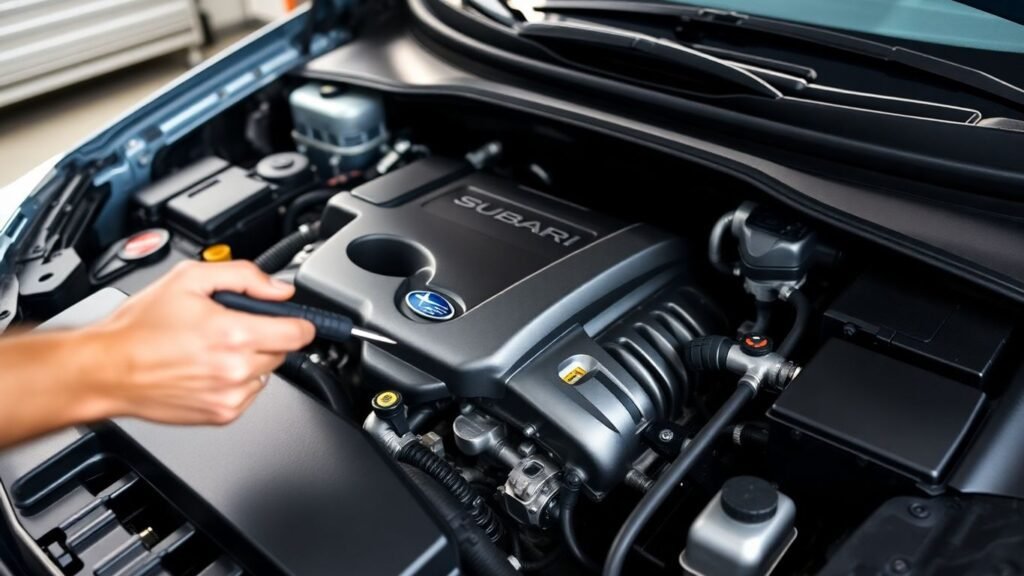
So, you’ve got a Subaru. Cool. These cars are pretty tough and can handle a lot, whether you’re just driving around town or heading out on an adventure. But like anything, they need a little attention to keep running smoothly. Think of it like this: you wouldn’t expect your phone to last forever without charging it, right? Same idea with your car. We’ve put together some straightforward Subaru maintenance tips to help you keep your ride in top shape for a long time. It’s not rocket science, just some basic care.
Key Takeaways
- Regularly changing your oil and filters is super important for your engine. It keeps things clean and running right.
- Don’t forget about your transmission and brake fluids; keeping them fresh helps your car stop and shift smoothly.
- Check your tires often – rotate them, make sure they’re balanced, and get the alignment checked. It makes a big difference in how your Subaru handles.
- Pay attention to unusual noises or warning lights. They’re your car’s way of telling you something might need a look.
- Following the maintenance schedule in your owner’s manual is your best bet for keeping your Subaru reliable for years to come.
Essential Subaru Maintenance Tips for Peak Performance
Keeping your Subaru running at its best isn’t just about looking good; it’s about making sure it performs reliably, whether you’re commuting or heading out on an adventure. Think of it like taking care of a trusty tool – regular attention keeps it sharp and ready for anything.
Engine Care: Oil, Filters, and Spark Plugs
The heart of your Subaru is its engine, and it needs consistent care. Regular oil changes are probably the most talked-about maintenance item, and for good reason. Oil keeps things moving smoothly inside your engine, reducing friction and heat. Most Subarus do well with an oil change every 6,000 miles or so, but always check your owner’s manual for the exact recommendation for your model and the type of oil it prefers. Don’t forget the oil filter, which should be swapped out at the same time. The engine air filter is another simple but important part. It keeps dust and debris out of your engine, so when it gets clogged, your engine can’t breathe properly, hurting performance and fuel economy. Replacing it every 15,000 to 30,000 miles is a good general guideline. Spark plugs are also key for igniting the fuel-air mixture. Worn-out plugs can lead to misfires and a loss of power. Most Subaru models need new spark plugs around the 60,000-mile mark.
| Component | Recommended Interval (Approx.) | Notes |
|---|---|---|
| Engine Oil & Filter | 6,000 miles / 6 months | Use recommended oil type and weight. |
| Engine Air Filter | 15,000 – 30,000 miles | Replace if visibly dirty or clogged. |
| Spark Plugs | 60,000 miles | Check owner’s manual for specific type. |
Transmission and Drivetrain Fluid Service
Your Subaru’s transmission and drivetrain fluids are like the lubricants for its moving parts. Whether you have a manual or an automatic, these fluids need attention. For manual transmissions, the clutch fluid also plays a role in smooth shifting. For Subaru’s famous Symmetrical All-Wheel Drive system, the differential fluids are particularly important. These fluids can break down over time, losing their ability to protect the gears and other components. Skipping this service can lead to premature wear and expensive repairs down the road. It’s best to follow the schedule in your owner’s manual for when to have these fluids checked and replaced.
Keeping your transmission and differential fluids fresh is vital for the longevity of Subaru’s renowned AWD system. These fluids handle a lot of stress, especially if you drive in varied conditions.
Brake System Inspections and Fluid Flushes
Your brakes are obviously critical for safety, but they also contribute to a confident driving experience. Regular checks of your brake pads and rotors can catch small issues before they become big, costly problems. You might notice squealing or a longer stopping distance when they’re worn. Beyond the physical components, the brake fluid itself needs attention. Over time, brake fluid can absorb moisture, which lowers its boiling point and can lead to a spongy brake pedal, especially under heavy use. A brake fluid flush, typically recommended every 30,000 miles or 30 months, replaces this old fluid with fresh fluid, keeping your braking system working effectively and safely.
Maintaining Your Subaru’s Handling and Ride Quality
Keeping your Subaru feeling sharp and comfortable on the road is all about paying attention to a few key areas. It’s not just about how fast it goes, but how it feels when you’re driving, especially on those longer trips or when the weather isn’t perfect.
Tire Rotations, Balancing, and Alignment Checks
Your tires are the only part of your car that touches the road, so taking care of them is a big deal. Regularly rotating your tires helps them wear down evenly, which means you get better grip and they last longer. Most folks should aim to get this done every 6,000 to 7,500 miles. Balancing is important too; it stops those annoying vibrations you might feel at higher speeds. And alignment? That’s what keeps your car from pulling to one side. If you notice your Subaru drifting or the tires look like they’re wearing unevenly, it’s probably time for an alignment check. It makes a huge difference in how the car handles.
Suspension Component Inspections
Think of your suspension as the system that keeps your ride smooth and controlled. Shocks and struts are a big part of that. If you’re hitting a lot of bumps or notice your car bouncing more than usual after going over a dip, those parts might be getting worn out. It’s a good idea to have them looked at periodically, especially if you drive on rough roads often. Worn suspension parts don’t just make for a bumpy ride; they can also affect how well your car steers and brakes.
Cabin Air Filter Replacement for Air Quality
This one’s often overlooked, but it’s pretty important for your comfort. The cabin air filter cleans the air that comes into your car’s interior. If it gets clogged up with dust, pollen, or other gunk, the air inside can start to smell stale, and your air conditioning or heating might not work as well. Replacing it, usually around every 15,000 miles, is a simple job that makes a noticeable difference in the air you breathe while driving. It’s a small thing that really helps keep the inside of your Subaru feeling fresh.
Fuel System and Performance Enhancements
Fuel Filter Replacement and Injector Cleaning
Keeping your Subaru’s fuel system clean is a big deal for how well the engine runs. Over time, gunk can build up in the fuel filter, making it harder for fuel to get to the engine. Subaru usually suggests changing the fuel filter around every 72,000 miles, but it’s always best to check your owner’s manual for the exact mileage for your specific model. If you’ve noticed your car hesitates a bit or just doesn’t feel as zippy as it used to, it might be time for more than just a filter change. Professional cleaning of your fuel injectors can really make a difference. This helps ensure that fuel is sprayed into the engine cylinders just right, leading to better power and smoother operation. Think of it like giving your engine a good, clean drink instead of a murky one.
Understanding Performance Upgrades and OEM Parts
So, you’re thinking about tweaking your Subaru to make it perform even better? That’s a common thought for many Subaru owners. There’s a whole world of aftermarket parts out there, promising more horsepower or a sportier sound. But then there are Original Equipment Manufacturer (OEM) parts, the ones Subaru designed and tested for your car. While aftermarket parts can sometimes offer a boost, they don’t always play nicely with your car’s systems, and they might even void your warranty if not installed correctly. OEM parts, on the other hand, are guaranteed to fit and work as intended, maintaining the reliability Subaru is known for. If you’re looking at things like cold air intakes or different exhaust systems, it’s really smart to have them installed by someone who knows Subarus inside and out. They can make sure the upgrade works right and doesn’t cause any unexpected problems.
When you’re considering any changes to your Subaru’s engine or exhaust, remember that compatibility is key. What works for one car might not work for another, and a poorly chosen or installed part can actually hurt performance and potentially cause damage. Always weigh the benefits against the risks, and when in doubt, stick with what the manufacturer recommends or consult a trusted specialist.
It’s a bit of a balancing act, really. You want your Subaru to run great, and sometimes that means looking beyond the basics. But doing it the right way, with parts that are meant for your car or installed by pros, is what keeps it running strong for years to come.
Leveraging Technology for Subaru Maintenance
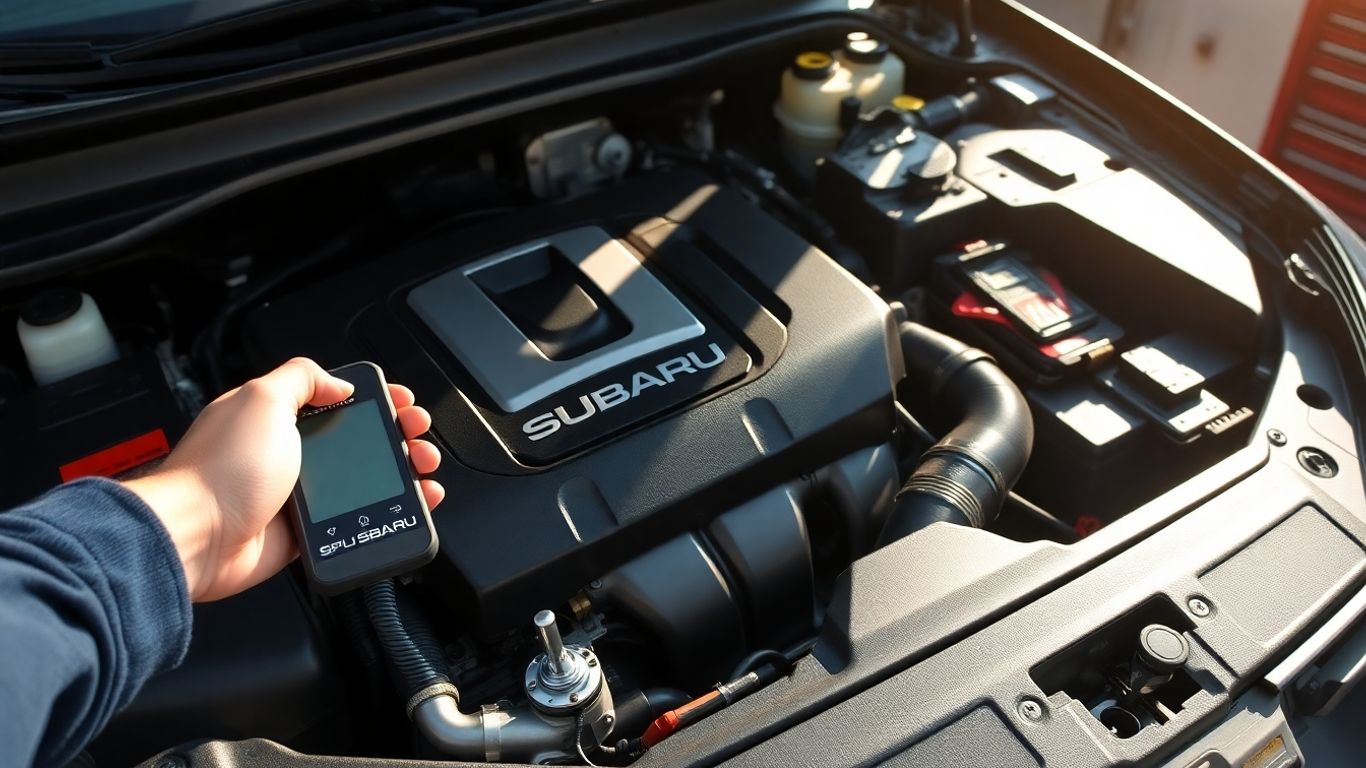
Utilizing Onboard Diagnostics and Monitoring Systems
Modern Subarus are packed with smart tech that can really help you keep tabs on things. Your car’s computer system is constantly checking itself, looking for any little hiccups. When it finds something, it might light up a warning light on your dashboard. But it’s more than just warning lights; these systems can track all sorts of performance data. Think of it like your car having its own built-in doctor who’s always running checks. Paying attention to these alerts and data points can help you catch potential problems before they turn into big, expensive repairs. It’s a proactive way to manage your vehicle’s health.
Smartphone Apps for Tracking and Diagnosis
Beyond what your car tells you directly, there’s a whole world of apps designed to work with your Subaru. Many of these apps can connect to your car’s diagnostic port, giving you a window into its inner workings right on your phone. You can often track your fuel economy over time, which is handy for seeing how your driving habits affect gas mileage. Some apps even let you log your maintenance history, reminding you when it’s time for an oil change or tire rotation. For those who like to tinker, certain apps can even help interpret diagnostic trouble codes, giving you a starting point for understanding what might be wrong. It’s like having a mechanic in your pocket, ready to offer insights.
Keeping up with your Subaru’s maintenance doesn’t have to be a guessing game. Modern technology puts a lot of information at your fingertips, making it easier than ever to stay on top of service needs and understand your car’s performance. Don’t shy away from these tools; they’re there to help you keep your Subaru running smoothly for years to come.
Adapting Subaru Maintenance to Environmental Factors
Your Subaru is built tough, but even the best machines need a little adjustment based on where you drive it. Think about it: driving your car through a desert is a lot different than cruising through a snowy mountain pass. These environmental differences can really impact how your car runs and what it needs to stay in good shape.
Adjusting Oil Grades for Temperature Extremes
Oil is like blood for your engine, and its thickness matters. In really cold weather, you want oil that flows easily so your engine doesn’t have to fight to start up. Subaru often recommends a thinner oil, like a 0W-20, for colder climates. When it heats up, especially in the summer or if you’re driving in hot places, a slightly thicker oil might be better to keep things protected. It’s not a huge change, but using the right grade can make a difference in how smoothly your engine operates and how long it lasts. Always check your owner’s manual for the specific recommendations for your model and the temperatures you typically drive in.
| Temperature Range (°F) | Recommended Oil Viscosity Grade | Example Driving Conditions |
|---|---|---|
| Below 0°F | 0W-20 | Winter in northern states, high-altitude cold |
| 0°F to 60°F | 5W-20 or 5W-30 | Most of the US, spring and fall driving |
| Above 60°F | 5W-30 or 10W-30 | Summer in southern states, desert driving |
Frequent Air Filter Replacements in Dusty Conditions
If you find yourself driving on dirt roads a lot, or if you live in an area with a lot of dust and sand in the air, your air filter is going to get clogged up much faster. A dirty air filter means your engine isn’t getting enough air, which can hurt performance and fuel economy. You might need to check and replace your air filter more often than the standard schedule. Instead of every 15,000 miles, you might be looking at every 5,000 to 7,500 miles, or even sooner if it looks really dirty. It’s a simple fix that makes a big difference.
Driving in dusty environments puts extra strain on your engine’s air intake system. Regularly inspecting and cleaning or replacing the air filter is a straightforward way to protect your engine from abrasive particles and maintain optimal performance. Don’t wait for a check engine light; a quick visual check can save you trouble down the road.
Long-Term Subaru Performance Preservation
Keeping your Subaru running strong for the long haul is all about being proactive. Think of it like taking care of a good friend; a little attention now saves a lot of headaches later. Addressing age-related issues as they pop up is key to preventing bigger problems down the road. For instance, if you’ve got an older model, keeping an eye on the timing belt is a big one. Most manuals suggest a change around the 100,000-mile mark, but it’s wise to check it sooner if you’re unsure of its history. Suspension components can also start to feel a bit tired after many miles, leading to a less comfortable ride. Catching worn shocks or struts early means you won’t end up with damage to other parts.
Preventive maintenance really is the name of the game here. It’s not just about fixing things when they break; it’s about doing the recommended checks and fluid changes before they become a problem. This approach helps avoid those surprise, expensive repairs that can really sting. Many Subarus rack up high mileage and still perform like champs, and that’s usually because their owners stuck to a good maintenance plan. It shows these cars are built to last if you give them the care they need.
When you’re looking at a Subaru that’s seen a lot of miles, it’s easy to think it’s nearing the end of its useful life. But that’s often not the case at all. With consistent attention to the things that matter – like regular fluid changes, keeping an eye on wear-and-tear items, and addressing any odd sounds or feelings – you can keep that engine purring and that AWD system gripping for many more years. It’s about respecting the car’s history and giving it what it needs to keep going.
Here’s a quick look at some common mileage milestones and what to consider:
| Component/Service | Typical Interval (Miles) | Notes |
|---|---|---|
| Timing Belt Replacement | 105,000 | Check manual; sooner if history unknown |
| Spark Plug Replacement | 60,000 | Varies by model and plug type |
| Brake Fluid Flush | 30,000 | Or every 30 months |
| Transmission Fluid Change | 60,000 – 100,000 | Varies by type (auto/manual) and usage |
| Differential Fluid Change | 30,000 – 60,000 | For AWD system |
Understanding Your Subaru’s Specific Systems
Navigating the Subaru Service Manual
Your Subaru comes with a service manual, and honestly, it’s more than just a book of instructions. It’s like a roadmap for keeping your specific car happy and running well. It lays out what the folks at Subaru think your car needs and when, based on its model and year. Paying attention to these recommended service intervals is a big deal for keeping things running smoothly. But remember, this is a general guide. If you do a lot of short trips around town, or if you live somewhere with really hot summers or freezing winters, you might need to do some things more often than the book says. It’s about knowing your car and how you use it.
Caring for Subaru’s Symmetrical AWD System
Subaru’s all-wheel-drive (AWD) system is pretty famous, and for good reason. It helps you grip the road, whether it’s sunny or slick. To make sure it keeps doing its job, there are a few things to keep in mind. First off, all four tires need to be the same size and have a similar tread pattern. If one tire is different, it can mess with the whole system. Also, the fluids in the differentials and the transfer case need to be changed regularly. It’s not something you think about every day, but it’s important for the AWD to last and work right.
The Break-In Period for New Subarus
Got a new Subaru? Awesome! But don’t just floor it right away. There’s a break-in period, usually for the first 1,000 to 1,500 miles. This is when the engine parts are settling in and getting used to each other. It’s a good idea to mix up your driving during this time – some city streets, some highway cruising. Just try to avoid sudden, hard acceleration. It helps set your car up for a long, healthy life.
Think of the break-in period like letting a new pair of shoes stretch out before a long walk. It’s a gentle start that makes everything more comfortable and functional down the road. It’s not about pushing the limits, but about allowing the components to adapt naturally.
Ensuring Optimal Subaru Operation and Longevity

Keeping your Subaru running its best for the long haul involves a few key areas that often get overlooked. It’s not just about the big engine stuff; the smaller details really add up. Think of it like taking care of yourself – you need good sleep, healthy food, and regular check-ups, right? Your Subaru is no different.
Battery Maintenance and Replacement
The battery is the heart of your car’s electrical system. When it starts to go, everything else can act up. You’ll often notice dimming headlights or slow engine cranking when the battery is getting weak. Most car batteries last about three to five years, but this can change depending on where you live and how much you drive. Extreme heat or cold can really shorten a battery’s life. It’s a good idea to have your battery tested during your regular service appointments, especially as it gets older. If you’re noticing any of these signs, it might be time to think about a replacement before you get stranded.
Protecting Your Subaru’s Exterior and Interior
Keeping your Subaru looking good isn’t just about pride; it actually helps preserve its value and can prevent rust. Washing your car regularly, especially after driving on salty roads in winter or through muddy trails, is important. Don’t forget to wax it a few times a year to protect the paint. Inside, just keeping things tidy makes a big difference. Vacuuming out the dirt and dust, wiping down surfaces, and cleaning up spills quickly stops them from becoming permanent stains or damaging materials. It makes driving a lot more pleasant, too.
Listening for Unusual Noises
Your Subaru will often tell you when something’s not quite right, but you have to be listening. That little squeak when you brake? That hum that gets louder with speed? Or maybe a clunk from the suspension when you go over a bump? These aren’t just random sounds; they’re usually signals. Ignoring them can turn a small, cheap fix into a big, expensive repair. Get familiar with what your car normally sounds like, so you can spot when something changes. It’s like knowing your own body – you can tell when you’re not feeling 100%.
Choosing a Qualified Service Provider
When it comes to maintenance and repairs, picking the right mechanic matters a lot. You want someone who knows Subarus, not just cars in general. Dealerships are an option, of course, but independent shops that specialize in Subarus can sometimes be more affordable and just as good. Look for shops that have good reviews, ask friends for recommendations, and don’t be afraid to ask questions about what they’re doing and why. A good service provider will explain things clearly and won’t try to pressure you into unnecessary work. Trustworthy mechanics are key to your Subaru’s long-term health.
Regular check-ups and paying attention to the little things can save you a lot of headaches and money down the road. It’s about being proactive rather than reactive when it comes to your car’s well-being.
Keep Your Subaru Running Strong
So, there you have it. Taking care of your Subaru doesn’t have to be some big, complicated thing. Just stick to the basics like oil changes, checking your tires, and keeping an eye on those fluids. Your owner’s manual is your friend here, and don’t be afraid to ask the pros at your local Subaru shop if something feels off. A little bit of regular attention goes a long way in keeping your Subaru reliable and fun to drive for years to come. It’s really about making sure your car stays in good shape so you can keep enjoying all those adventures it’s built for.




