

So, you’ve got a Subaru, probably because you like that all-wheel drive grip. It’s pretty sweet, right? But like anything, that system needs a little love to keep working right. Ignoring it can lead to some pricey fixes down the road. Let’s talk about some simple Subaru all-wheel drive maintenance that’ll keep your car happy and save you a headache.
Key Takeaways
- Subaru’s Symmetrical AWD is great, but it needs specific care. Different models have slightly different setups, so know what you’ve got.
- Keep your differentials and transfer case fluids fresh. This is super important for the AWD system’s health.
- Always, always match your tires. Using different sizes or worn tires can seriously mess with your AWD and cost you a lot.
- Regular checks of things like CV axle boots and fluid leaks can stop small problems from becoming big, expensive ones.
- Your owner’s manual is your best friend for maintenance schedules, but driving in tough conditions might mean you need to service things more often.
Understanding Your Subaru’s All-Wheel Drive System
Subaru’s Symmetrical AWD System Explained
Subaru’s Symmetrical All-Wheel Drive (AWD) is a big part of what makes these cars feel so planted and capable, especially when the weather gets dicey. The "Symmetrical" part means the drivetrain components are laid out in a mirror-image line from the center of the car to the wheels. This balanced setup helps distribute power evenly, giving you better grip and stability. It’s designed to send power to all four wheels simultaneously, which is a key difference from many other AWD systems that might only engage the rear wheels when they detect slip. This constant power distribution means your Subaru is always ready to handle changing road conditions.
The core idea behind Symmetrical AWD is to keep all four wheels working together as much as possible. This isn’t just about getting going on a slippery hill; it also helps with cornering and overall vehicle control, making the car feel more predictable.
Different AWD Implementations Across Models
It’s a common misconception that all Subarus have the exact same AWD setup. While the Symmetrical AWD philosophy is consistent, the actual hardware can vary depending on the model and transmission. For instance, older manual transmission models often use a viscous coupling center differential. This system relies on fluid pressure to transfer power when it senses a speed difference between the front and rear wheels. Newer models, especially those with Continuously Variable Transmissions (CVTs), typically use an electronically controlled Active Torque Split system. This setup uses a multi-plate clutch pack that can adjust the power split between the front and rear axles much more quickly and precisely, often going from a 50/50 split to favoring one axle over the other based on sensor input. Even within performance models like the WRX, the AWD system is tuned differently to provide a sportier feel, often sending more power to the rear wheels under acceleration. Some models, like the Wilderness trims or those with dual-function X-MODE, have further software tweaks to optimize AWD performance for specific off-road scenarios like deep snow or mud.
| Model Type (Transmission) | System Type | Power Distribution |
|---|---|---|
| Manual (Older) | Viscous Coupling | Automatic, based on wheel slip |
| CVT (Most Models) | Active Torque Split | Electronically controlled, variable front/rear split |
| Turbocharged (e.g., WRX) | Variable Torque Dist. | Sport-tuned, often rear-biased under acceleration |
| X-MODE Equipped | Enhanced AWD Control | Special modes for off-road conditions |
The Role of Tire Choice in AWD Performance
When you have an AWD system like Subaru’s, the tires are arguably the most important component connecting you to the road. Because the AWD system is constantly managing power to all four wheels, any imbalance between them can cause problems. Using tires that are different sizes, brands, or even significantly different in tread wear can confuse the AWD system. If you put two brand-new tires on the front and leave worn ones on the back, the system will constantly try to compensate for the diameter difference, thinking there’s slip when there isn’t. This puts extra strain on the differentials and can lead to premature wear or even failure. It’s best to always replace all four tires at the same time, or at least ensure that any new tires match the tread depth of the existing ones within about 2/32 of an inch. Keeping tire pressure consistent across all four tires is also key for the system to work correctly.
Essential Drivetrain Maintenance for Subaru AWD
Regular Differential Fluid Service
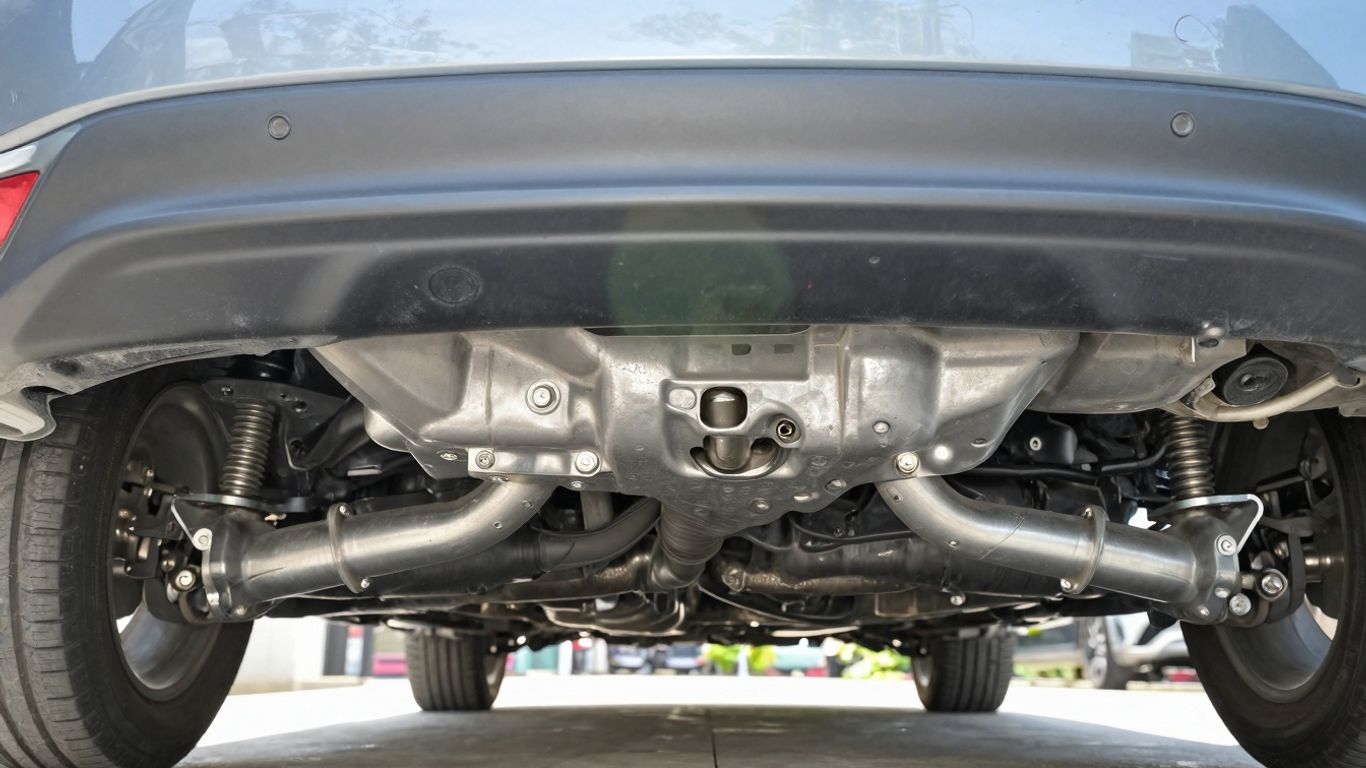
Your Subaru’s all-wheel-drive system is pretty neat, but it’s got a few moving parts that need love. We’re talking about the differentials – front, rear, and the center one. These guys have gear oil that does the important work of lubricating everything. Over time, though, this oil gets dirty from tiny metal bits shed by the gears and can even pick up moisture. Changing this fluid regularly is a big deal for keeping your AWD system happy. Skipping it can lead to wear and tear that costs a lot more to fix down the road.
Transfer Case Inspections and Fluid Checks
Next up is the transfer case. This part helps send power to the wheels. Just like the differentials, it has its own fluid that needs checking and changing. It’s not always on the same schedule as the differential fluid, so it’s good to know what your owner’s manual says. A quick look at the fluid can tell you a lot about how the transfer case is doing. If it looks dark or smells burnt, it’s a sign that it might need attention sooner rather than later.
CV Axle Boot and Joint Examination
Finally, let’s talk about the CV axles. These are the shafts that connect the transmission to the wheels. They have rubber boots that protect the joints inside. If these boots tear, dirt and water can get in, wrecking the joint. You might hear clicking noises when you turn if they’re damaged. It’s a good idea to have a mechanic peek at these boots during your regular check-ups. Replacing a torn boot is way cheaper than replacing the whole axle.
Think of your Subaru’s drivetrain like a team of athletes. Each part has a job, and they all need to be in good shape to perform well together. Regular fluid changes and checks on things like CV boots are like giving those athletes proper nutrition and stretching – it keeps them from getting injured and lets them play their best game for a long time.
Tire Management for Optimal AWD Functionality
The Critical Importance of Tire Matching
This might sound obvious, but it’s super important for your Subaru’s all-wheel drive system: all four tires need to be pretty much the same. We’re talking about the same brand, the same model, and definitely the same size. When you put on just two new tires and leave the old ones on the other axle, you create a difference in diameter. Your Subaru’s AWD system is smart, but it’s not that smart. It sees this diameter difference as one or more wheels slipping, and it constantly tries to correct it. This constant work can really wear out your transmission and differentials way faster than they should. I heard about a guy who replaced just his front tires, and a year later, his CVT was toast. The repair bill was thousands, way more than just buying four new tires would have cost.
Understanding Tire Tread Depth
Keeping an eye on your tire tread is more than just avoiding a ticket. For an AWD Subaru, it’s about keeping the whole drivetrain happy. If your tread depth varies too much between tires – generally more than 2/32 of an inch – you’re asking for trouble. Think of it like this: the tires with less tread have a smaller diameter. This difference, even if it seems small, makes the AWD system work overtime. A simple way to check is the penny test. Stick a penny head-first into the deepest part of the tread. If you can see the top of Lincoln’s head, your tread is getting low, probably around 2/32 inch, and it’s time to think about replacements. If you can only see part of his head, you’re likely around 4/32 inch, which is still okay for now, but you should start budgeting for new tires soon.
The Benefits of Regular Tire Rotation
Rotating your tires is one of those simple maintenance tasks that pays off big time, especially with Subaru’s Symmetrical AWD. Doing this every 5,000 to 7,500 miles helps keep the wear even across all four tires. When tires wear evenly, their diameters stay similar, which means your AWD system doesn’t have to constantly adjust for perceived slip. This simple service, which usually costs less than a tank of gas, can prevent major drivetrain repairs down the road. It’s a small price to pay for keeping your Subaru running smoothly and avoiding those expensive, unexpected breakdowns.
The difference between a few hundred dollars in tire maintenance and thousands in drivetrain repairs often comes down to paying attention to the details. Your Subaru’s AWD system relies on all four wheels working together harmoniously, and that starts with your tires.
Proactive Maintenance to Prevent Costly Failures
The Cost Equation: Maintenance vs. Repair
Look, nobody likes spending money on car maintenance. It feels like throwing good money after bad sometimes, right? But when it comes to your Subaru’s all-wheel-drive system, skipping those regular check-ups can end up costing you way, way more down the road. Think about it: a few hundred bucks for fluid changes and inspections now can save you thousands in repairs later. It’s a pretty simple math problem, really. Investing a little bit regularly keeps the whole system happy and working right. Ignoring it? That’s just asking for trouble, and usually, trouble comes with a hefty bill.
Identifying Potential Issues Through Visual Inspection
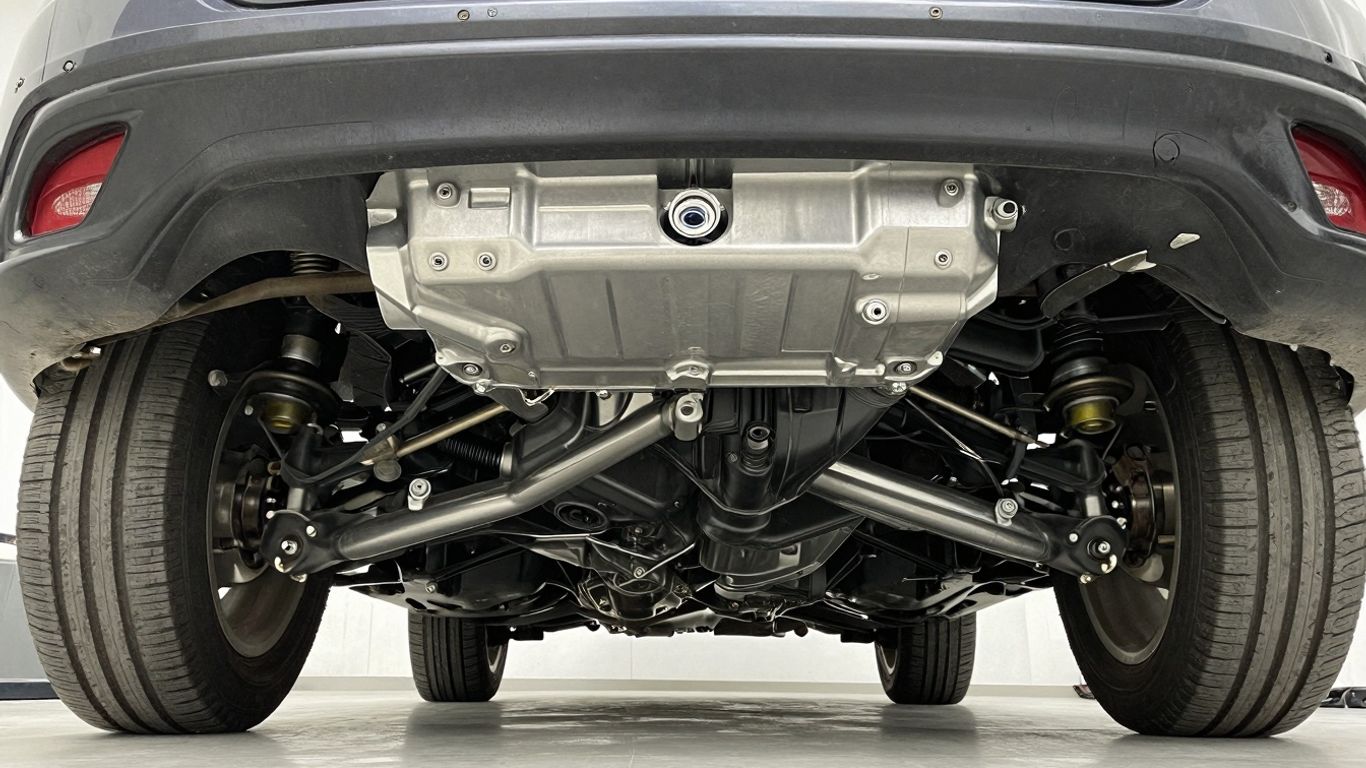
Sometimes, you don’t need a mechanic to spot trouble. Just taking a few minutes to look under your car can tell you a lot. Check for any leaks, especially around the differential housings – those round things near the wheels. Fresh gear oil is usually a nice amber or reddish-brown color. If it looks dark brown or black, it’s seen better days and needs changing. Also, give the rubber boots on your CV axles a once-over. If they’re torn or leaking greasy stuff, that’s a problem waiting to happen. These quick visual checks can catch issues before they turn into major headaches.
It’s easy to think that because your Subaru has AWD, it’s invincible. But like any complex system, it needs attention. Those little services, like changing the differential fluid, might seem minor, but they’re what keep the gears from grinding themselves to dust. It’s the same idea as brushing your teeth – you do it regularly to avoid a root canal.
The Value of Scheduled AWD System Service
Sticking to your Subaru’s recommended service schedule for the AWD system isn’t just a suggestion; it’s pretty important. These services are designed to address wear and tear before it becomes serious damage. For example, differential fluid breaks down over time. When it does, it loses its ability to lubricate properly, leading to increased friction and wear on the gears. Regular fluid changes remove contaminants and ensure the differentials are properly lubricated, extending their life significantly. It’s about keeping those components working smoothly, mile after mile, and avoiding that dreaded moment when something just… stops working.
Adapting Maintenance to Driving Conditions
Your Subaru’s all-wheel drive system is built tough, but how you use it really matters when it comes to keeping it running smoothly. Think about it like this: if you’re constantly driving through mud or hauling heavy stuff, your car is working a lot harder than if you’re just cruising on the highway. That extra work means some parts might need a little more attention, a bit sooner.
Adjusting Intervals for Severe Driving Conditions
Subaru has a definition for what they call "severe service." This isn’t just for extreme off-roading. If you do a lot of short trips where the engine doesn’t quite get up to full temperature, or if you’re stuck in stop-and-go traffic a lot, that counts. Driving on dusty roads, like out in the country, or even towing anything also falls into this category. For these kinds of conditions, you’ll want to shorten the time between services, especially for things like differential fluid changes. Instead of waiting 30,000 miles, you might want to look at doing it closer to every 15,000 miles. It might seem like a hassle, but it’s way cheaper than fixing a differential down the road.
| Service Type | Standard Interval (Miles) | Severe Service Interval (Miles) |
|---|---|---|
| Differential Fluid Change | 30,000 | 15,000 |
| Tire Rotation | 7,500 | 5,000 |
Environmental Factors Impacting Performance
Where you live and drive plays a big part too. If you’re in a place with really cold winters, you might need to think about your oil viscosity. Extreme heat can also put extra strain on fluids. And if you’re in a dusty area, your air filters will get clogged faster, and that can affect how your engine and AWD system perform. It’s not just about the miles; it’s about the conditions your Subaru is facing day in and day out.
Paying attention to the environment your Subaru operates in can save you a lot of headaches. What works for someone in a mild climate might not be enough for someone dealing with harsh winters or constant dust. A little extra care based on your surroundings goes a long way.
The Break-In Period for New Subarus
When you get a brand new Subaru, there’s a break-in period. It’s usually the first 1,000 miles or so. During this time, the engine and drivetrain components are settling in. It’s best to avoid hard acceleration, heavy braking, and towing. Stick to moderate driving. After this initial period, you can start driving normally, but it’s still a good idea to check your owner’s manual for any specific break-in service recommendations. It’s a small step that helps set your Subaru up for a long, healthy life.
Leveraging Technology for Subaru Maintenance
Utilizing Onboard Diagnostics and Monitoring Systems
Modern Subarus are pretty smart these days, packed with systems that keep an eye on things. Your car’s computer can tell you a lot about how it’s running. These built-in checks are your first line of defense against small problems becoming big, expensive ones. Think of it like a doctor giving you a check-up; it helps catch issues early.
Smartphone Apps for Maintenance Tracking
Beyond what your car tells you directly, there are apps for your phone that can help. You can use them to log when you last did an oil change, track your fuel economy, or even get reminders for upcoming service. It’s a simple way to keep all your maintenance info in one place, so you don’t have to dig through old receipts.
Consulting Your Owner’s Manual
This might sound obvious, but seriously, your owner’s manual is a goldmine. It has the specific maintenance schedule for your Subaru model, telling you exactly when things like fluid changes or filter replacements are recommended. It’s not just a book of rules; it’s a guide tailored to your car. Sometimes, you might need to adjust the schedule based on how you drive, but the manual gives you the starting point.
Don’t underestimate the power of the information tucked away in your owner’s manual. It’s the most direct source for keeping your specific Subaru running its best, covering everything from basic checks to more involved service intervals. It’s worth taking the time to read through it, even if you think you know your car well.
Keep Your Subaru Running Smoothly
So, taking care of your Subaru’s all-wheel-drive system isn’t some super complicated thing. It’s mostly about staying on top of the basics, like checking your tires and getting those fluid changes done when the manual says so. Think of it like this: a little bit of regular attention now can save you a whole lot of headaches and cash down the road. Your Subaru is built tough, but even the toughest rides need a little TLC to keep them performing their best, mile after mile. Just stick to the schedule, pay attention to what your car might be telling you, and you’ll be enjoying that confident Subaru drive for a long, long time.




