
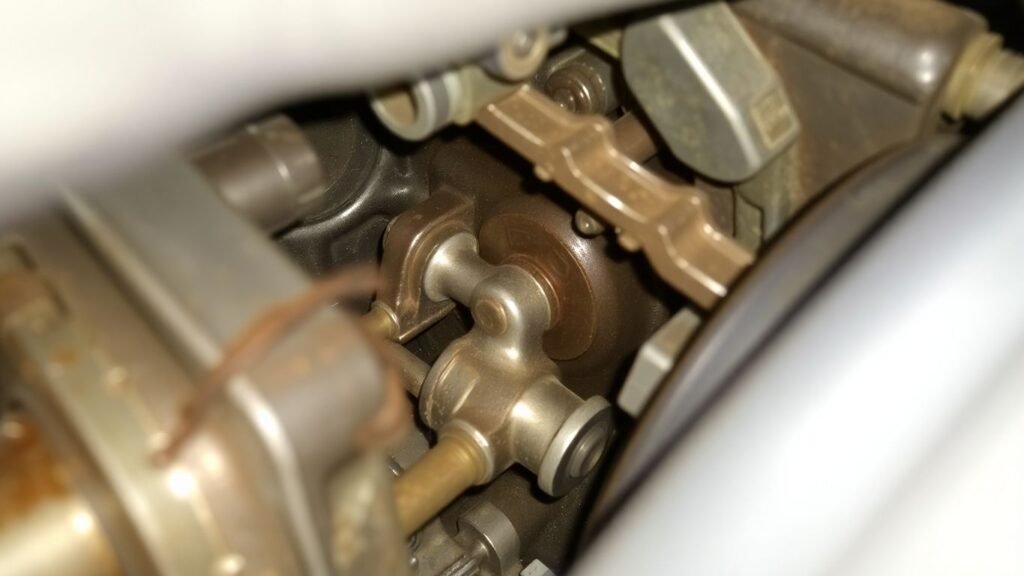
Subaru transmissions, while generally reliable, can sometimes develop issues. You might notice odd noises, difficulty shifting, or even fluid leaks. These Subaru transmission problems and fixes are important to understand so you can keep your car running smoothly. Ignoring these signs can lead to bigger, more expensive headaches down the road, so it’s good to know what to look for and what can be done about it.
Key Takeaways
- Common Subaru transmission problems include slipping gears, unusual noises, delayed shifting, and fluid leaks, often accompanied by warning lights.
- Causes can range from normal wear and tear and contaminated fluid to electronic glitches and harsh driving conditions.
- Diagnosing issues involves using OBD-II scanners, visual checks, and test drives to pinpoint the exact problem.
- Fixes can involve simple fluid changes, targeted component repairs, or a complete transmission replacement, depending on the severity.
- Regular maintenance, mindful driving, and timely software updates are key to preventing Subaru transmission problems and ensuring longevity.
Common Subaru Transmission Problems and Symptoms
So, your Subaru’s acting a little funny, huh? Maybe it feels like it’s not quite as peppy as it used to be, or you’re hearing some weird noises. It’s easy to get worried when your car starts acting up, especially when it comes to something as important as the transmission. Let’s break down some of the most common issues Subaru owners run into and what they might feel or sound like.
Transmission Slippage and Power Loss
This is a big one. You’re accelerating, maybe trying to merge onto the highway, and suddenly, it feels like the engine is revving, but you’re not really picking up speed. Or maybe there’s just a general feeling of sluggishness, like the car isn’t putting its power down like it should. It’s that unsettling sensation where the engine’s working hard, but the car isn’t responding as expected. This can be really unnerving, especially when you need that extra boost.
Unusual Noises from the Transmission
Your ears can tell you a lot. If you start hearing strange sounds coming from the transmission area, it’s definitely worth paying attention to. We’re talking about things like grinding, whining, or even clunking noises, especially when you’re shifting gears or accelerating. These sounds aren’t just annoying; they often point to something going on internally, like worn-out parts or low fluid levels.
Delayed Shifting and Engagement Issues
Ever put your car in drive or reverse and have to wait a second or two for it to actually engage? That delay, or sometimes a jerky feeling when the gear finally catches, can be a sign that your transmission isn’t happy. It’s like the transmission is hesitating before it does its job. This can be particularly noticeable in stop-and-go traffic.
Transmission Fluid Leaks and Warning Lights
Keep an eye out for any reddish or brownish fluid puddles under your Subaru. That’s likely transmission fluid, and a leak means your transmission isn’t getting the lubrication it needs. Low fluid levels can lead to overheating and serious damage. On top of that, don’t ignore those dashboard warning lights. If the check engine light or a specific transmission warning light pops on, it’s your car’s way of telling you something needs attention, and it’s usually best to get it checked out sooner rather than later.
Ignoring these symptoms can turn a manageable issue into a much bigger, more expensive problem down the road. It’s always better to address transmission concerns early.
Here’s a quick look at how these symptoms might present themselves:
| Symptom | What You Might Experience |
|---|---|
| Slippage / Power Loss | Engine revs, but car doesn’t accelerate; general sluggishness |
| Unusual Noises | Grinding, whining, or clunking sounds during operation |
| Delayed Shifting/Engagement | Hesitation or jerky feeling when shifting into gear |
| Fluid Leaks | Reddish/brown puddles under the vehicle |
| Warning Lights | Check engine or transmission warning light illuminated |
Understanding the Causes of Subaru Transmission Malfunctions
So, why do Subaru transmissions sometimes decide to act up? It’s usually not just one thing, but a mix of factors that can lead to trouble. Think of it like a complex machine; if one part isn’t happy, the whole system can get grumpy.
Wear and Tear on Transmission Components
Everything wears out eventually, and your transmission is no different. Over time, the constant movement and friction inside can cause parts like gears, bearings, and seals to degrade. This is totally normal, but it means that as your Subaru gets older, these components might start to cause issues if they aren’t looked after. It’s like using a favorite pair of shoes – they’re great at first, but after thousands of miles, they’re going to show some wear.
Fluid Contamination and Low Levels
Transmission fluid is super important. It keeps things cool, lubricates all those moving parts, and helps with shifting. If the fluid gets dirty with metal shavings or other gunk, it can’t do its job properly. Low fluid levels are also a big problem because the transmission can overheat and parts can grind against each other. It’s kind of like trying to run a marathon without enough water – you’re not going to get very far, and you’ll probably feel pretty bad.
| Fluid Condition | Potential Impact |
|---|---|
| Low Level | Overheating, increased wear |
| Contaminated | Reduced lubrication, component damage |
| Old/Degraded | Poor performance, potential failure |
Software Glitches and Electronic Issues
Modern cars have a lot of computers controlling everything, including the transmission. Sometimes, the software that tells the transmission what to do can get a little confused. This could be a minor bug or a more significant glitch that makes the transmission shift oddly or not engage properly. It’s like when your phone freezes – it’s not a mechanical problem, but it stops things from working right.
Modern transmissions rely heavily on electronic signals and software. A simple software update can sometimes resolve complex shifting problems that might otherwise seem like a major mechanical failure.
Environmental Factors and Driving Conditions
How and where you drive your Subaru can also play a role. Constantly driving in extreme heat or cold can put extra stress on the transmission. Heavy towing, aggressive acceleration, or frequent stop-and-go traffic can also wear down the transmission faster than usual. Think about it: driving your car like you stole it every day is going to take more of a toll than a gentle cruise on the highway.
Effective Diagnostics for Subaru Transmission Issues
So, your Subaru’s acting a bit funny with the gears, huh? It’s easy to get worried, but the first step to fixing anything is figuring out what’s actually wrong. Think of it like going to the doctor – they don’t just guess, they run tests. Your car’s transmission is no different. Getting a solid diagnosis is super important before you start throwing money at repairs. You don’t want to fix something that isn’t broken, right?
Utilizing OBD-II Scanners for Error Codes
Modern cars are basically computers on wheels, and your Subaru is no exception. When something’s up with the transmission, the car’s computer usually logs a trouble code. That’s where an OBD-II scanner comes in. You plug this gadget into a port usually found under the dashboard, and it talks to the car’s brain. It’ll spit out a code, like ‘P0740’ or something similar, which points to a specific problem area. Mechanics use these codes as a starting point. It’s not always a direct answer, like ‘replace this part,’ but it gives them a really good idea of where to look. Sometimes, it’s a simple software glitch that needs an update, other times it points to a sensor or a more complex internal issue.
Performing Thorough Visual Inspections
After the scanner gives some clues, a good old-fashioned look-see is next. This means getting under the car (safely, of course!) and checking out the transmission itself. Are there any obvious leaks? You’ll be looking for reddish or brownish fluid on the ground or around the transmission housing. Sometimes, you can spot a cracked seal or a loose hose right away. Technicians will also check the condition of the transmission mounts and look for any signs of physical damage. It’s amazing what you can find just by looking closely.
Conducting Diagnostic Test Drives
Sometimes, you just have to drive it to understand it. A diagnostic test drive is where a mechanic actually gets behind the wheel and tries to replicate the problems you’ve been experiencing. They’ll pay close attention to how the transmission shifts, if it slips at all, any strange noises like whining or clunking, and how the car accelerates. They might test it under different conditions – city driving, highway speeds, uphill climbs – to see if the issue pops up. This hands-on experience is super helpful for pinpointing the exact moment and situation where the transmission isn’t behaving right.
Getting a proper diagnosis is like having a map for fixing your car. Without it, you’re just wandering around hoping to stumble upon the solution, which usually ends up costing more time and money than it should. It’s always better to know exactly what you’re dealing with first.
Here’s a quick look at what might be checked:
| Diagnostic Step | What’s Checked |
|---|---|
| OBD-II Scan | Electronic error codes related to transmission |
| Visual Inspection | Fluid leaks, physical damage, component condition |
| Test Drive | Shifting behavior, noises, power delivery, slipping |
| Transmission Fluid Check | Fluid level, color, and presence of debris |
Repair and Replacement Options for Subaru Transmissions
Transmission Fluid Changes and Flushes
Sometimes, the fix for your Subaru’s transmission woes is surprisingly simple. If your transmission is acting up, especially if you’re noticing delayed shifting or a bit of slippage, the first thing a mechanic might suggest is a fluid change or a flush. Over time, transmission fluid can get dirty, lose its lubricating properties, or even get contaminated with tiny metal bits from wear and tear. This can really mess with how the transmission operates. A fluid change involves draining the old fluid and putting in fresh stuff. A flush is a bit more thorough, using special equipment to push out as much of the old fluid and gunk as possible. This can often be the most cost-effective solution for many common transmission issues. It’s like giving your transmission a fresh start.
Targeted Component Repairs
If a fluid change doesn’t do the trick, the next step is looking at specific parts. Transmissions are complex, with lots of little pieces like solenoids, seals, or sensors that can fail. Instead of replacing the whole unit, a mechanic can often pinpoint the exact faulty component and swap it out. This is usually much cheaper than a full replacement. For example, a bad sensor might be causing the transmission to shift poorly, or a worn seal could be leading to leaks. These kinds of repairs are great because they address the root cause without breaking the bank. It’s all about finding the specific weak link and fixing just that.
Full Transmission Replacement Options
When the damage is too widespread for simple repairs, or if the transmission is just plain worn out from years of service, a full replacement becomes the necessary route. This is definitely the most involved and usually the most expensive option, but it means you’re getting a transmission that’s either brand new or has been thoroughly rebuilt to work like new. You’ve got a few choices here: a brand-new transmission, which is the priciest but offers the most peace of mind; a rebuilt transmission, where an old unit has been taken apart, cleaned, and had all worn parts replaced, often coming with a decent warranty; or a used transmission, which is the cheapest but carries the most risk since you don’t always know its history. The choice often comes down to your budget and how long you plan to keep the car.
Deciding between repairing and replacing your Subaru’s transmission isn’t always straightforward. It really depends on the extent of the problem, the age and value of your car, and what your budget looks like. Sometimes a simple fluid service can solve it, other times a specific part needs swapping. But if the internals are shot, a full replacement might be your best bet for long-term reliability, even if it’s a bigger upfront cost.
| Option | Typical Cost Range | Pros | Cons |
|---|---|---|---|
| Fluid Change/Flush | $150 – $350 | Cost-effective, can fix minor issues | Won’t help major internal damage |
| Component Repair | $400 – $1,500 | Addresses specific problems, cheaper than full replacement | Depends on part availability and labor |
| Rebuilt Transmission | $2,000 – $4,500 | Good balance of cost and reliability, often has warranty | Still a significant investment |
| New Transmission | $3,000 – $6,000+ | Most reliable, longest lifespan | Highest upfront cost |
| Used Transmission | $1,000 – $2,500 | Cheapest option | Unknown history, potential for future issues |
Cost Considerations and Warranty Coverage
Estimating Repair and Replacement Costs
When your Subaru’s transmission starts acting up, the first thing on your mind is probably, "How much is this going to cost me?" It’s a big question, and honestly, there’s no single easy answer because it really depends on what’s wrong. A simple fix, like topping up or changing the transmission fluid, might only set you back a couple hundred bucks. But if we’re talking about internal parts needing replacement or a full-blown transmission rebuild, you could be looking at thousands. Replacing the whole transmission is usually the most expensive route, often ranging from $3,000 to $7,000 or even more, depending on the specific model and labor rates in your area. It’s a significant chunk of change, for sure.
Here’s a rough idea of what different transmission jobs might cost:
| Repair Type | Estimated Cost Range | Notes |
|---|---|---|
| Transmission Fluid Change | $100 – $250 | Basic maintenance, can prevent bigger issues |
| Minor Component Repair | $300 – $1,200 | Seals, gaskets, solenoids, etc. |
| Major Internal Repair | $1,500 – $4,000 | Gears, clutch packs, torque converter |
| Transmission Rebuild | $2,500 – $5,000 | Overhauling the existing unit |
| Full Transmission Replacement | $3,000 – $7,000+ | New or remanufactured unit |
Understanding Powertrain Warranty Coverage
Now, before you start stressing too much about the bill, check your warranty status. Many new Subarus come with a powertrain warranty that typically covers major components like the engine and transmission for a certain number of years or miles, often around 5 years or 60,000 miles, though this can vary. If your transmission issue falls under this coverage, you could be looking at little to no out-of-pocket cost for repairs. It’s always worth digging out your warranty documents or giving your Subaru dealer a call to see if you’re still covered. Don’t assume it’s expired; sometimes these warranties are longer than people realize.
Ignoring transmission problems rarely makes them cheaper to fix. What might start as a minor issue can quickly escalate into a major, costly repair if left unaddressed. Early detection and repair are almost always the most budget-friendly approach.
Exploring Extended Warranties and Service Contracts
If your original warranty has run out, or if you plan on keeping your Subaru for a long time, an extended warranty or a service contract might be something to think about. These are essentially insurance policies for your car’s major components, including the transmission. They can provide peace of mind, knowing that if a significant repair is needed down the road, a large portion of the cost will be covered. When looking into these, pay close attention to what exactly is covered, the deductible you’ll have to pay, and the reputation of the company offering the contract. They can be a good investment for some owners, but it’s important to weigh the cost of the contract against the potential repair costs and your own risk tolerance.
Preventative Maintenance for Subaru Transmissions
Regular Transmission Fluid Checks and Changes
Keeping an eye on your transmission fluid is probably the most straightforward thing you can do to keep your Subaru’s transmission happy. This fluid does a lot – it lubricates parts, cools things down, and helps with shifting. Over time, though, it can get dirty or just wear out. Checking the level and condition of the fluid regularly, maybe every oil change, is a good habit. If it looks dark or smells burnt, it’s definitely time for a change. A full flush might be needed if it’s really bad, but often just topping it off or a simple drain and fill does the trick. Don’t wait until you see leaks or feel weird shifts; by then, it might be too late.
Scheduled Professional Inspections
While you can do some checks yourself, letting a mechanic look things over is a smart move. They have the tools and experience to spot issues you might miss. They can check for leaks, worn seals, or problems with the transmission mounts. Sometimes, they can even catch a small problem before it turns into a big, expensive one. Think of it like a regular check-up for your car’s most complex part. It doesn’t have to be super frequent, maybe once a year or every 15,000 miles, depending on your car and how you drive it.
Adopting Mindful Driving Habits
How you drive really does impact your transmission. Slamming on the gas pedal or braking hard all the time puts extra stress on the gears and other parts. Smooth acceleration and gentle braking are much kinder to your transmission. Also, avoid putting it in reverse right after being in drive, or vice-versa, without a brief pause. If you drive in hilly areas or tow things often, be extra mindful of how you’re using your gears. Letting the car warm up a bit on cold mornings before hitting the highway can also help.
Keeping Vehicle Software Up-to-Date
Modern Subarus have a lot of computer control over the transmission. Sometimes, the manufacturer releases software updates that can fix shifting issues or improve performance. It’s a good idea to ask your dealer or mechanic if there are any pending updates for your car’s computer system, especially if you’ve noticed any odd transmission behavior that doesn’t seem mechanical. It’s a simple fix that can sometimes make a big difference.
Sometimes, a transmission problem isn’t a mechanical failure but a software glitch. Keeping your car’s computer system updated can prevent a lot of headaches and costly repairs down the line. It’s a quick check that’s often overlooked but can save you a lot of trouble.
| Maintenance Task | Recommended Interval (Typical) | Notes |
|---|---|---|
| Transmission Fluid Check | Every Oil Change | Check level and condition |
| Transmission Fluid Change | 30,000 – 60,000 miles | Varies by model and driving conditions |
| Professional Inspection | Annually or 15,000 miles | Check for leaks, wear, and other issues |
| Software Update Check | As needed/During service | Ask your mechanic or dealer |
Risks of Driving with Transmission Problems
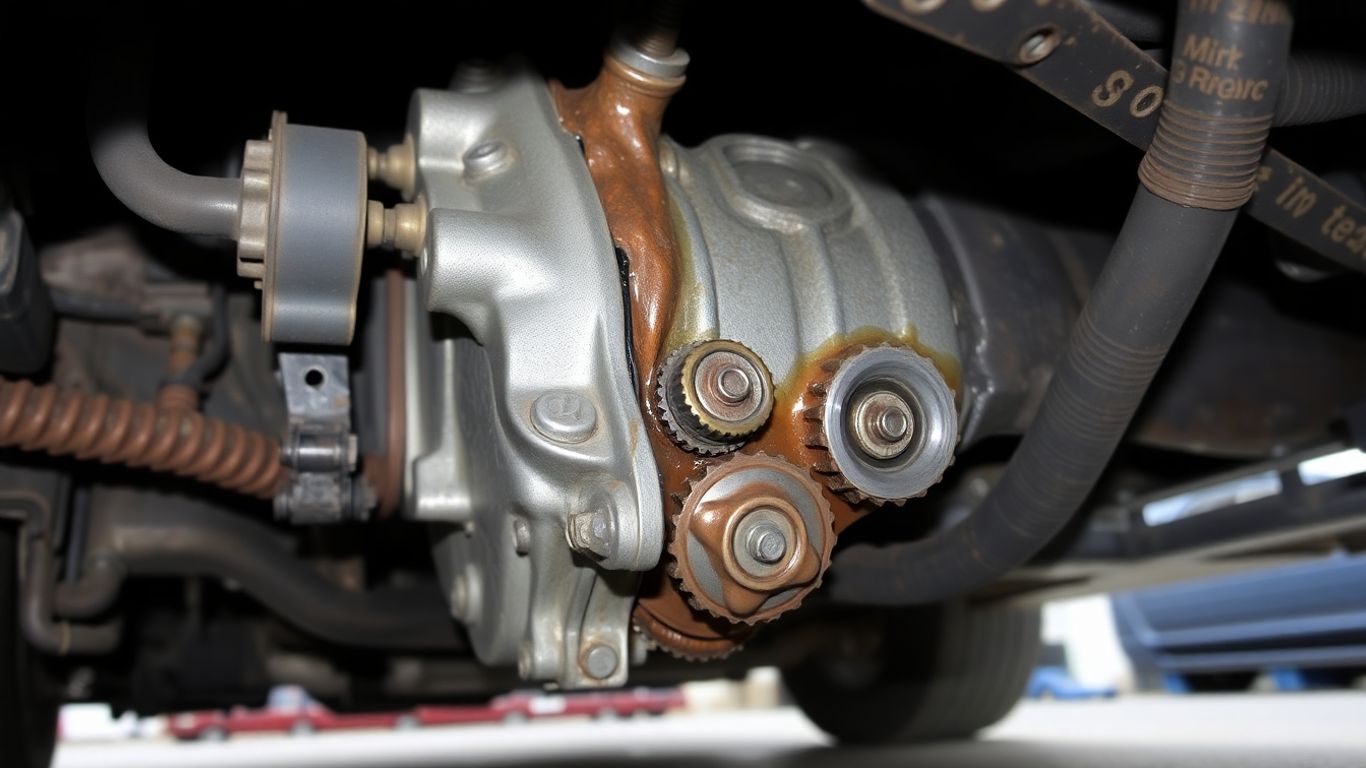
Ignoring a transmission issue in your Subaru isn’t a great idea, honestly. It might seem like a small thing at first, maybe just a little hesitation or a weird noise, but these problems don’t usually fix themselves. In fact, they tend to get worse, and that’s where things can get really expensive and even dangerous.
Potential for Complete Transmission Failure
This is the big one, the worst-case scenario. If you keep driving with a transmission that’s acting up, you risk it just giving up completely. One day, it might just stop working altogether, leaving you stranded on the side of the road. This isn’t just inconvenient; it means you’ll need a tow truck, and then you’re looking at potentially thousands of dollars for a full replacement. It’s like ignoring a toothache until you need a root canal – way more hassle and cost than dealing with it early.
Decreased Fuel Efficiency
When your transmission isn’t shifting or engaging properly, your engine has to work harder than it should. This means your Subaru will start guzzling more gas than usual. You might notice your MPG dropping significantly, and while it might not seem like a huge deal day-to-day, it adds up over time. That extra money you’re spending at the pump could have gone towards fixing the actual problem.
Increased Repair Costs Over Time
This is pretty straightforward. The longer you wait to get a transmission problem looked at, the more likely it is that a small issue will turn into a major one. A minor leak might lead to low fluid, which causes overheating, which then damages internal parts. What could have been a relatively simple repair, like replacing a seal, can easily turn into needing a whole new transmission if you let it go too long. It’s a classic case of a stitch in time saving nine, but for your car.
Safety Risks and Loss of Control
This is probably the most concerning aspect. Some transmission problems can directly impact your safety on the road. If your transmission suddenly slips out of gear while you’re driving, especially at highway speeds or when trying to merge into traffic, you could lose power unexpectedly. This can be incredibly dangerous and could lead to an accident. You might also experience jerky movements or difficulty accelerating when you need it most, putting you and others at risk.
Driving with a faulty transmission is a gamble. You’re not just risking your car; you’re risking your safety and your wallet. It’s always better to get it checked out sooner rather than later, even if it’s just for peace of mind.
Wrapping It Up
So, we’ve gone over a bunch of common Subaru transmission hiccups, from weird noises to slipping gears. It can seem like a lot, but the good news is that most of these issues can be sorted out. Keeping up with your maintenance, like regular fluid checks and not driving like a race car driver all the time, really makes a difference. If you do notice something’s off, don’t just ignore it. Getting it checked out early can save you a ton of headaches and money down the road. Whether it’s a simple fix or something bigger, knowing the signs and what to do next is key to keeping your Subaru running smoothly for years to come.




