
Key Takeaways
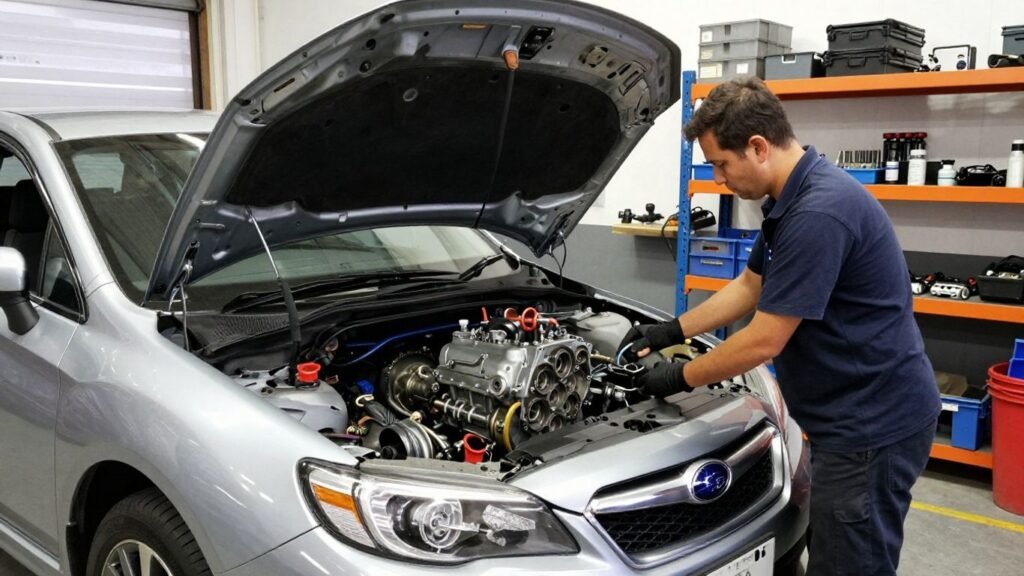
A cheaper Subaru engine can still be a sensible purchase when its identity, condition, warranty, and fitting costs are clear. The safest approach is to compare the complete job rather than the engine price alone.
- Match the replacement engine to the Subaru’s model year, engine code, transmission, and electronics.
- Treat low kilometres as a claim that needs written records and supporting inspection results.
- Compare short blocks, long blocks, complete engines, reconditioned units, and rebuilds carefully.
- Allow for installation, fluids, seals, ancillary parts, transport, and possible diagnostic work.
- Read warranty exclusions before buying and have the replacement checked before installation.
Understanding your Subaru engine replacement options
Replacing a Subaru engine is not simply a matter of finding the lowest advertised price. The right choice depends on the vehicle’s engine family, the extent of the original failure, and how much of the existing engine can be reused. A careful comparison at the start can prevent an inexpensive purchase from becoming an expensive mismatch.
Used, reconditioned, and remanufactured engines
A used engine is generally removed from another vehicle and sold in its existing condition, subject to whatever testing and warranty the supplier provides. A reconditioned engine has usually had selected parts inspected or replaced, while a remanufactured unit is rebuilt to a more extensive standard, although the exact meaning varies between sellers. Ask what work was actually completed rather than relying on the label alone, because the description is not the inspection.
The useful questions are practical: Was the engine compression-tested? Were seals replaced? Has it been run? Are the mileage and donor vehicle documented? Answers should appear in writing before money changes hands, especially when comparing a cheap used unit with a higher-priced rebuilt alternative.
Matching engine types to Subaru models
Subaru models may share an engine family while still differing in sensors, accessories, intake arrangements, engine management, or emissions equipment. A Forester, Impreza, Outback, Liberty, WRX, or XV therefore cannot be matched safely by model name alone. The model year and engine code need to be checked against the vehicle being repaired.
The same care applies to turbocharged and naturally aspirated versions. A replacement that looks physically similar may require substantial changes, or may not communicate correctly with the vehicle’s electronics. Confirm the intended application with the supplier and the fitting workshop before assuming a conversion will be straightforward.
Comparing short blocks, long blocks, and complete engines
A short block normally covers the lower engine assembly, while a long block generally adds the cylinder heads and related internal components. A complete engine may include more external parts, such as manifolds, sensors, wiring, or accessories, but inclusions differ. These terms are useful starting points, not universal inventories.
Before comparing prices, request a written list of what is included and what must be transferred from the old engine. A cheaper short block may make sense where the heads and ancillary components are known to be sound. A complete engine may reduce workshop time, but only if its specification matches the vehicle.
When an engine rebuild may be a better choice
A rebuild can be worth considering when the original engine has a repairable failure and its crankcase, heads, or other major components are suitable for reuse. It also gives the workshop a chance to measure internal parts directly rather than relying on the history of an unknown donor engine. The decision should follow proper diagnosis, not just a preference for keeping the original unit.
Compare the rebuild quotation with a replacement engine on equal terms. Ask whether machining, new bearings, piston rings, gaskets, head work, and labour are included. A rebuild may cost more initially, but it can provide clearer knowledge of what was renewed.
How to find a compatible low-kilometre Subaru engine
A low-kilometre engine is only useful if it fits the vehicle and its operating systems. Begin with the identification details, then verify the history and physical specification. This process is more reliable than selecting a listing because the photograph appears similar.
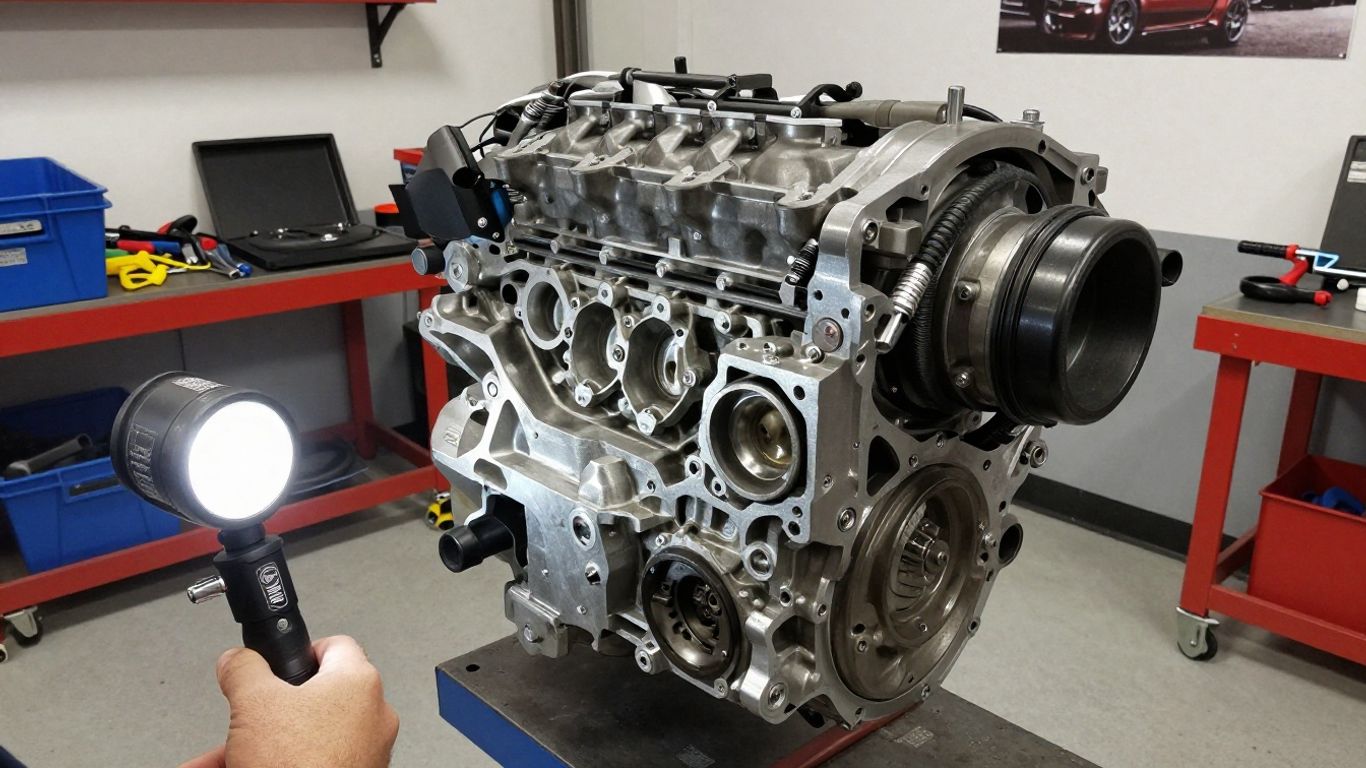
Keep the vehicle identification number, engine code, transmission type, and model-year information together when requesting quotes. That gives suppliers and mechanics the same reference point and makes differences between two apparently similar engines easier to spot.
Checking the model year and engine code
Locate the engine code from the vehicle records, engine stamping, diagnostic information, or a qualified mechanic’s inspection. The model year should be recorded separately, since production dates and registration dates are not always identical. Give both details to the supplier rather than asking for a generic engine for a particular Subaru model.
If the original engine has already been removed, photograph identification markings and note the components that are staying with the car. This can help establish whether the replacement is a direct match or requires parts to be transferred.
Comparing vehicle identification numbers and specifications
The vehicle identification number can help confirm the car’s build and specification, but it should support—not replace—a comparison of the engine code and equipment. Check cylinder configuration, turbocharger arrangement, fuel and ignition systems, emissions equipment, sensor positions, and accessory mounting points where relevant.
A written comparison is valuable when the engine comes from a different production year. Ask which parts are included, which parts are being reused, and whether any programming or wiring changes are expected. Ambiguity at this stage is a reason to pause, not a reason to hope the workshop can solve it later.
Verifying mileage with service and vehicle records
Mileage should be supported by more than a handwritten figure on a listing. Request donor-vehicle details, service invoices, inspection records, auction or registration information where available, and photographs of the odometer or vehicle history. Records may not tell the whole story, but several consistent sources are more persuasive than an unsupported promise.
A low odometer reading also says little about storage, servicing, overheating, towing, or previous repairs. Ask how the engine was obtained and whether the supplier can explain gaps in its history. The answer helps you judge the risk behind the price.
Confirming compatibility with transmissions and electronics
The engine must work with the vehicle’s transmission, engine control module, immobiliser system, wiring, sensors, and communications network. This is especially important when the donor engine differs in year or specification. A physically compatible unit may still require the correct sensors, intake components, control hardware, or programming.
Have the workshop confirm the likely installation path before purchase. Written confirmation should cover the transmission pairing, retained electronics, accessory transfer, and any required coding. A small amount of planning can avoid paying twice for removal and refitting.
What “low kilometres guaranteed” should include
The phrase “low kilometres guaranteed” sounds reassuring, but its value depends on the evidence and terms behind it. A buyer should be able to understand how the mileage was established, what checks were performed, and what happens if the engine does not meet the agreed condition. A guarantee is strongest when it is specific enough to be tested.
Do not treat the word “guaranteed” as a substitute for a written warranty. Mileage, mechanical condition, labour responsibility, and return arrangements are separate matters and should be described separately.
Requesting written mileage documentation
Ask for the stated kilometres, the source of the reading, the donor vehicle identification, and any available service or inspection records. Keep the listing, messages, invoice, and warranty together. If the supplier cannot document the figure, describe it as an estimate rather than a verified fact.
The paperwork should also identify the exact engine being sold. An engine photographed in a yard is not enough if the invoice later uses a broad model description. Clear identification protects both sides if questions arise after delivery.
Understanding testing, inspection, and compression results
Ask what testing was performed and when. Compression results should identify the cylinders and readings, while an inspection should explain visible leaks, damage, corrosion, contamination, and the condition of important external components. A test result without the engine identity or method is difficult to interpret.
A useful warranty begins with a clear description of the part being warranted.
That principle applies to both used and rebuilt engines. The more precisely the unit and its condition are described, the easier it is to compare offers and discuss a remedy if the engine does not perform as represented.
Reviewing start-up and performance checks
If the engine has been run, ask what was observed during start-up and how long it operated. Useful information may include oil pressure, unusual noise, smoke, leaks, overheating, idle quality, and warning lights. These checks do not guarantee future performance, but they provide a more meaningful picture than appearance alone.
Ask whether the test was performed in the vehicle or on a suitable test stand, and whether the supplied engine will include the same tested components. A recorded check is helpful only when it relates to the unit you are buying.
Clarifying what the guarantee covers and excludes
Read whether the warranty covers the engine assembly only or also labour, transport, diagnostic time, seals, accessories, and consequential damage. Check the duration, claim process, evidence required, and conditions such as professional installation, fluid replacement, or approved maintenance. Exclusions can materially change the value of a low-priced engine.
Keep the old engine until the claim window has passed if the supplier permits it. It may be needed for inspection or for transferring serviceable components. Never assume a replacement will be supplied without first following the stated claim procedure.
Evaluating the total cost of a cheap Subaru engine
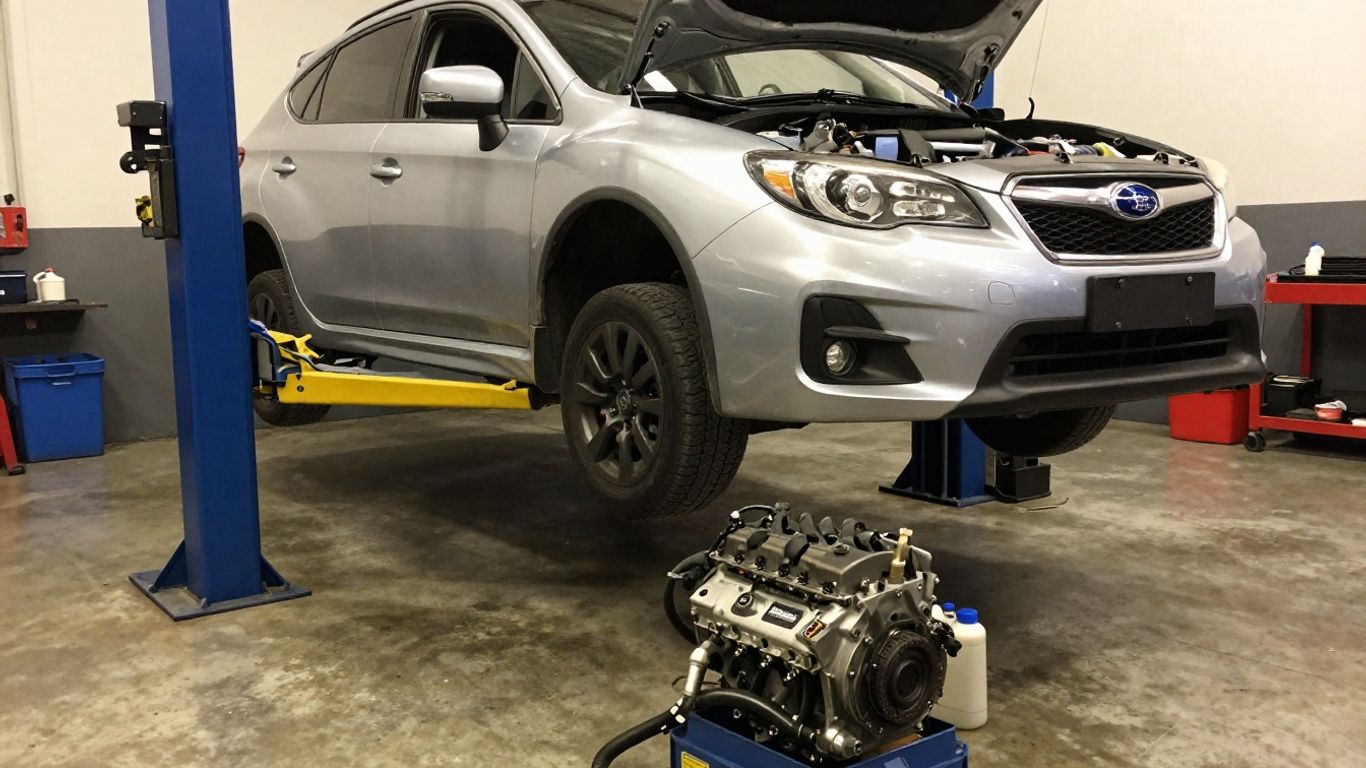
The advertised engine price is only one part of the replacement budget. Removal, fitting, diagnosis, fluids, seals, transport, and unexpected ancillary work can all affect the final amount. A sound comparison uses a complete written estimate rather than a headline figure.
For buyers searching for Cheap Subaru engines Epping Victoria – low km guaranteed, the local location may simplify collection or inspection, but it does not remove the need to check specification and warranty terms. Price and convenience matter; neither should replace due diligence.
Comparing the engine price with installation costs
Request separate prices for the engine, removal, installation, testing, and any programming or diagnostic work. Labour can vary according to access, corrosion, transferred parts, and whether the replacement arrives complete. A workshop may also identify faults that caused the original engine to fail.
A low engine price can be reasonable when installation is simple and the included parts are clear. It becomes less attractive when the unit needs extensive preparation or when the quote assumes that every old component can be reused.
Budgeting for seals, gaskets, fluids, and ancillary parts
Plan for items that are easier to replace while the engine is out of the vehicle. Depending on the diagnosis and engine specification, these may include gaskets, seals, belts, filters, spark plugs, coolant, oil, hoses, and other wear items. The mechanic should recommend parts based on inspection rather than an automatic package.
The following comparison helps separate the main cost groups before approval:
| Cost area | What to confirm | Why it matters |
|---|---|---|
| Replacement engine | Exact code, kilometres, inclusions | Prevents a specification mismatch |
| Workshop labour | Removal, fitting, testing, programming | Shows the real installation cost |
| Consumables | Oil, coolant, filters, seals, gaskets | Avoids small additions becoming surprises |
| Ancillary parts | Belts, hoses, sensors, accessories | Identifies worn or incompatible components |
| Transport and warranty | Delivery, collection, return process | Clarifies costs if a problem occurs |
Use the table as a quotation checklist, not as a fixed parts list. Some vehicles will need less work, while an overheated or contaminated engine may justify additional replacement items.
Accounting for delivery to Epping and nearby Melbourne suburbs
Confirm whether the quoted price includes delivery, loading, unloading, and any residential or workshop access requirements. Ask how the engine is secured, whether a delivery appointment is needed, and who is responsible for damage reported on arrival. Collection may be practical, but only if the buyer has safe lifting and transport arrangements.
T&H Wreckers states that it offers pickup in Campbellfield and Australia-wide delivery for tested used car parts. For a buyer near Epping, that documented option may be useful to ask about, while the specific engine’s availability, delivery price, and collection requirements still need confirmation.
Identifying quotes that exclude essential labour or components
Read every quote for phrases such as “engine only”, “exchange unit”, “parts supplied”, or “labour not included”. These terms can be perfectly legitimate, but they indicate that the buyer must obtain a separate workshop estimate. Also check whether the quote assumes the old manifolds, sensors, wiring, flywheel, mounts, and accessories will be reused.
Ask the workshop to identify likely exclusions before booking the job. A transparent quote may be higher than an online listing, yet still represent better value because it reflects the work required to return the vehicle to service.
Choosing a reliable Subaru engine supplier in Epping
A reliable supplier should make it possible to identify the engine, understand its condition, and act on the warranty if necessary. Local access can help with communication and inspection, but the same evidence is needed whether the part is collected or delivered. Look for clear answers rather than simply polished advertising.
The supplier’s stock process, testing information, documentation, and handling of questions all provide useful signals. Take notes while comparing options so that a confident sales conversation does not blur important differences later.
Checking warranty terms and return conditions
Request the warranty in writing before purchase and check its duration, covered components, exclusions, installation conditions, and claim process. Confirm whether the buyer must contact the supplier before removing or dismantling the engine if a fault appears. Also ask who pays for return freight and whether labour is excluded.
T&H Wreckers describes its used car parts as tested and verified, but the exact warranty and return conditions for a particular Subaru engine should still be confirmed on the quotation or invoice. General stock descriptions should not be treated as a substitute for unit-specific terms.
Reviewing supplier experience with Subaru models
Ask whether the supplier regularly handles the relevant Subaru engine family and whether it can explain common compatibility differences between model years. Experience is most useful when it produces clear identification, sensible questions, and practical documentation—not merely broad claims of expertise.
T&H Wreckers identifies Subaru and Suzuki wrecking as a core speciality and lists Subaru engines including EJ20, EJ25, FB20, FB25, and FA20 in its stock description. Availability changes, so the buyer should verify the exact engine code, kilometres, condition, and inclusions for the vehicle in question.
Inspecting the engine before purchase or installation
Inspect accessible castings, mounting points, sensors, plugs, hoses, oil passages, and signs of impact or contamination. Look for fresh paint or cleaning that may conceal leaks, and compare the supplied photographs with the unit delivered. If the engine cannot be inspected personally, have the fitting workshop check it before installation.
Do not begin fitting until the code and included parts have been confirmed. Discovering a mismatch on the workshop floor can create avoidable labour charges and delay the repair.
Comparing local wreckers, specialists, and independent sellers
Different sellers may offer different advantages: a wrecker may have a broad changing inventory, a specialist may provide more focused model knowledge, and an independent seller may have a particular donor engine available. Compare evidence, condition, warranty, and support rather than judging by category alone.
T&H Wreckers describes a large used-parts inventory, Subaru and Suzuki wrecking, and Australia-wide shipping. Those documented services can form part of a comparison, while the final decision should remain tied to the exact engine and written terms offered.
Preparing for Subaru engine installation
Installation begins before the replacement reaches the workshop. The original failure needs to be understood, related components need inspection, and the cooling and lubrication systems need attention where appropriate. This preparation protects the replacement from inheriting the same problem.
A good workshop will explain what it has found and what is essential versus recommended. That distinction makes it easier to approve the work without losing control of the budget.
Diagnosing the original engine failure
Find out whether the original failure involved overheating, oil starvation, bearing damage, head-gasket problems, timing components, contamination, or an external system. Scan the vehicle, inspect fluids, and check for related faults before removing evidence. If the cause is not corrected, a replacement engine may suffer the same damage.
Keep photographs and test results with the job records. They can help explain why certain parts are being replaced and may support a warranty discussion if the replacement later develops a related symptom.
Replacing related wear items during installation
Engine removal creates access that may not be available during ordinary servicing. Inspect belts, seals, hoses, mounts, filters, plugs, clutch or flexplate components, and accessible sensors. Replace items that are worn, contaminated, or near the end of their service life when the additional work is justified.
The goal is not to replace every part automatically. It is to avoid reinstalling a known weak component that would require major labour to reach again soon afterward.
Flushing fluids and checking cooling-system components
Use the correct oil and coolant for the engine and vehicle, and flush contamination when the original failure requires it. Check the radiator, thermostat, water pump, fans, hoses, heater circuit, and expansion tank for restrictions, leaks, or poor operation. A cooling fault can quickly damage a sound replacement.
Bleeding the system correctly matters as well. Air pockets can affect temperature control and make early checks misleading, so the workshop should verify coolant level and operating temperature after the first heat cycle.
Completing post-installation checks and break-in procedures
Before delivery, check for leaks, warning lights, abnormal noise, stable temperature, charging performance, oil pressure where applicable, and correct operation of the transmission and accessories. Scan the vehicle again and confirm that the engine management system has no unresolved faults.
Follow the supplier’s and workshop’s instructions for initial driving, fluid rechecks, and service intervals. Keep the invoice, test results, warranty, and installation records together. Those documents make future maintenance easier and provide a clear record of how the replacement was fitted.
Conclusion
Buying a replacement Subaru engine around Epping can be affordable without being a gamble, provided the engine identity, mileage evidence, inspection results, warranty, and full installation cost are all clear. Compare the complete repair, confirm compatibility before delivery, and let a qualified workshop diagnose the original failure and check the replacement before it is fitted.




