
Key Takeaways
Finding Subaru wreckers Hobart Tasmania – genuine used parts is easier when you begin with precise vehicle information and realistic expectations about used components.
- Confirm the Subaru’s year, variant, engine, VIN, and part number before enquiring.
- Ask how a component was tested, stored, and graded before buying.
- Compare recycled, aftermarket, reconditioned, and new parts on value and risk.
- Inspect or request detailed evidence for mechanical, electrical, and body parts.
- Confirm delivery, warranty, returns, and installation responsibilities in writing.
Understanding Subaru wreckers in Hobart and Tasmania
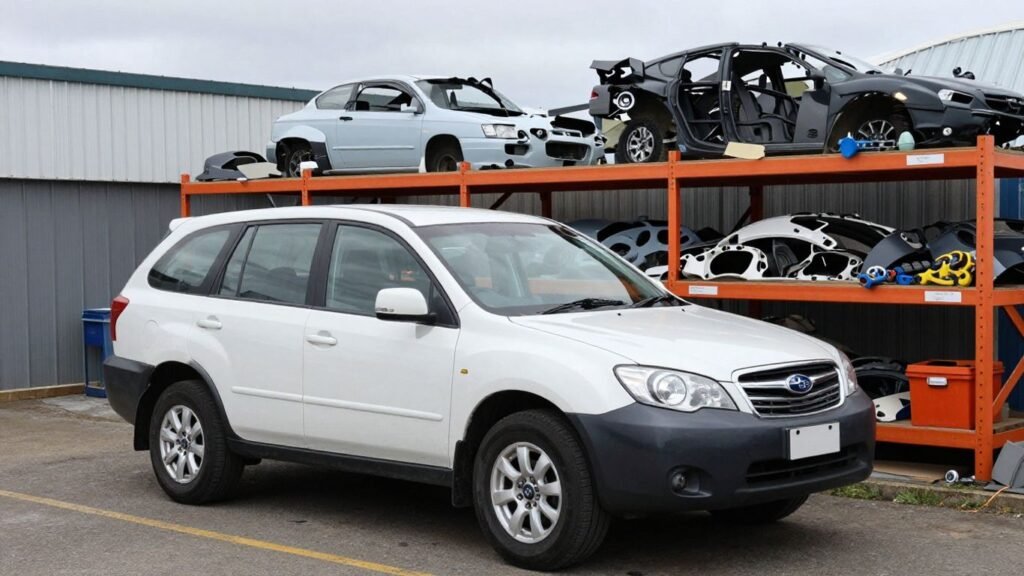
Subaru wreckers recover usable components from vehicles that are no longer economical or practical to repair. For local buyers, the process can provide access to parts for older vehicles without automatically committing to a new replacement. The useful question is not simply whether a part is available, but whether it is the correct component in an acceptable condition and at a sensible total cost.
What Subaru wreckers do and how they source vehicles
Wreckers typically acquire damaged, written-off, unwanted, or end-of-life vehicles and dismantle them for reusable components. Parts may be removed, catalogued, stored, and sold individually rather than as part of a complete vehicle. Ask whether the donor vehicle’s identity and history are known, especially when the component is connected to safety, driveline, or electronic systems.
A well-organised yard can often identify parts by vehicle details and physical inspection, but stock changes constantly. Calling before travelling is sensible, particularly for a less common variant or a part needed urgently.
Why genuine used parts can be a practical alternative
A genuine used part was originally made for the relevant vehicle, although its condition and remaining service life still need checking. It may suit an older Subaru more naturally than an inexpensive replacement of uncertain fit. The strongest value usually comes when the part is available locally, has a traceable source, and costs materially less than a new equivalent.
Used does not mean risk-free. Fit and condition matter more than the label alone, so compare the likely installation cost, return terms, and consequences of failure before deciding.
Subaru models and components commonly available
Availability depends on local vehicle intake, demand, and the age of the model. Wreckers may have body panels, doors, mirrors, lights, interior pieces, wheels, suspension components, cooling parts, engines, transmissions, and smaller brackets or fittings. A popular model may have several options in stock, while a rare trim or late-generation electronic part may require more searching.
Give the supplier the complete model description rather than saying only “Subaru.” A wagon, sedan, hatchback, turbocharged variant, hybrid system, or different drivetrain can alter compatibility even when two vehicles look similar.
The difference between recycled, aftermarket, and new parts
These terms describe different routes to replacement, not a guaranteed level of quality. A recycled part comes from another vehicle; an aftermarket part is made by a separate manufacturer; and a new part has not previously been used. Reconditioned components may have been cleaned, repaired, or tested, but the exact work should be explained rather than assumed.
A simple comparison helps keep the decision grounded in the job at hand:
| Part category | Typical advantage | Main question to ask | Best comparison point |
|---|---|---|---|
| Recycled genuine | Original vehicle design and possible lower cost | What is its donor history? | Condition and fit |
| Aftermarket | New supply and broad availability | Who made it and what is covered? | Specification and warranty |
| Reconditioned | Work may restore a worn component | What was replaced or tested? | Scope of refurbishment |
| New genuine | Fresh component with established specification | Is the price justified for this vehicle? | Total installed cost |
The right choice depends on the part’s function and the vehicle’s value. A cosmetic trim piece may be an easy used purchase, while a critical mechanical or safety item deserves more evidence and a clearer warranty position.
Finding the right genuine used Subaru part
Correct identification prevents many avoidable returns and wasted trips. Start with the vehicle’s full details, then narrow the search using numbers, photographs, and the supplier’s confirmation. Small differences in equipment or body style can matter more than a shared model name suggests.
Using the model year, variant, and engine details
Record the build year or model year, body style, transmission, engine size, fuel type, and drivetrain. Turbocharged and non-turbo versions, for example, can use different supporting components even within a similar model range. If the vehicle has optional equipment, note that as well before contacting the wrecker.
A photograph of the existing part can help, but it should support rather than replace the written vehicle information. Keep the registration or service documentation nearby so details can be checked during a phone enquiry.
Matching part numbers and vehicle identification numbers
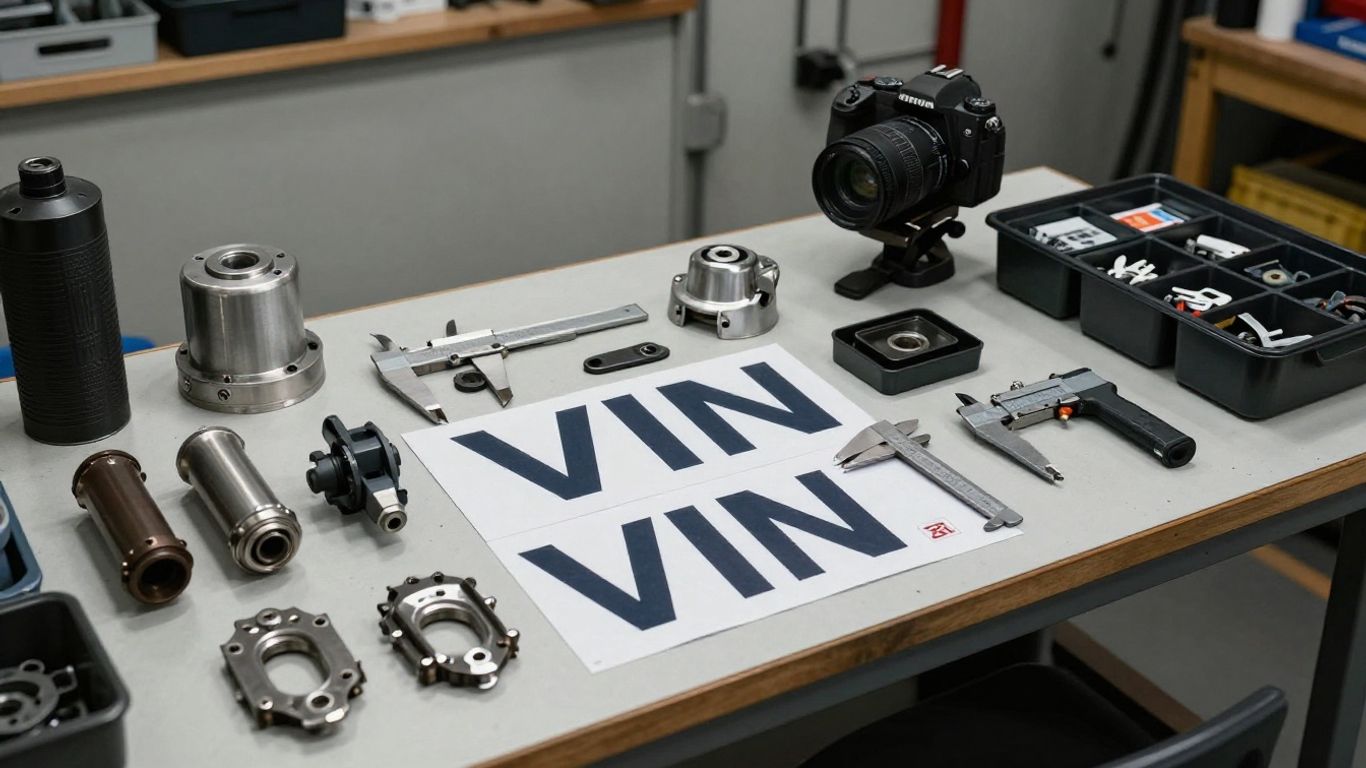
The VIN identifies the vehicle, while a part number can identify a particular component or revision. Neither should be treated as optional when the part is expensive, electronically controlled, or difficult to install. Ask the supplier to confirm the number they are using and whether it matches the vehicle details you provided.
Numbers can be hard to read on dirty, damaged, or inaccessible components. A clear photograph of the label, connector, mounting face, or casting can help resolve uncertainty before payment.
Checking compatibility across Subaru generations
A part that appears similar across two generations may differ in mounting points, wiring, dimensions, software, or operating specification. Shared terminology such as “front assembly” or “control module” does not establish interchangeability. Check the exact generation and revision instead of relying on a general online description.
When compatibility is uncertain, ask what other vehicles the supplied part was removed from and whether the seller has checked the application. Written confirmation is useful if the item must be shipped from Tasmania or returned at extra cost.
Identifying left-hand and right-hand component differences
Body and suspension components often have dedicated left-hand and right-hand versions. Mirrors, headlights, guards, doors, steering-related parts, and some interior fittings can look nearly identical while differing in mounting or wiring. State the side as viewed from inside the vehicle, and repeat it when confirming the order.
Do not assume that “driver’s side” is clear to every supplier, particularly when vehicles or parts move between markets. A photograph showing the mounting points can settle the question more reliably than a casual description.
Evaluating the condition and quality of used parts
A used component should be judged according to its role, age, storage, and expected workload. Cosmetic wear may be acceptable on a trim panel but not on a sealing surface or electrical connector. Before buying, ask for specific evidence rather than accepting a broad description such as “good condition.”
Questions to ask about mileage and vehicle history
For engines, transmissions, differentials, and other wear-sensitive parts, ask for the donor vehicle’s approximate mileage and why it was dismantled. A known collision history may affect some panels while leaving other components usable, whereas flood, fire, or severe impact damage can create wider concerns. The answer may not be complete, but gaps should be acknowledged.
Ask whether the mileage is documented, estimated, or unavailable. Also confirm how long the part has been stored and whether it was protected from moisture, contamination, and physical damage.
Inspecting body panels, mechanical parts, and electrical components
Inspection should follow the part’s likely failure points. Body panels need checks for bends, rust, previous repairs, missing brackets, and colour differences. Mechanical parts warrant attention to leaks, scoring, cracks, excessive play, damaged threads, and distorted mounting surfaces.
Electrical items need clean connectors, intact housings, undamaged pins, and evidence that testing was possible. A photograph can reveal obvious problems, but it cannot always confirm operation, so ask what was tested and under what conditions.
Understanding testing, grading, and refurbishment processes
Testing and grading only help when the terms are explained. Ask whether a component was visually inspected, bench-tested, run in the donor vehicle, cleaned, repaired, or simply removed and stored. “Refurbished” can mean different things from one seller to another, so request a plain description of the work performed.
A short record of the supplier’s answer makes later comparisons easier. It also separates a part with documented checks from one that is merely described as suitable.
A fair used-parts decision is based on evidence, not confidence alone.
That principle is especially useful when two parts have similar prices. The one with clearer testing, condition details, and return terms may carry less practical risk even if it is not the cheapest option.
Recognising signs that a part should be avoided
Be cautious about unexplained cracks, heavy corrosion, water marks, broken mounts, missing connectors, stripped threads, or oil and coolant contamination. A seller who cannot identify the donor vehicle or answer basic questions may not be able to support the part after purchase. Pressure to pay before compatibility is confirmed is another reason to pause.
Some wear is normal, but undisclosed damage is different. If the component is safety-critical or expensive to install, walking away from uncertain evidence can be cheaper than repeating the repair.
Buying Subaru parts from Hobart wreckers
The buying process can be straightforward when the enquiry is prepared. Have the vehicle details, part description, side, photographs, and timing ready before making contact. Then compare not only the price, but also the effort and risk involved in collecting, shipping, fitting, and potentially returning the item.
Comparing in-person, phone, and online enquiries
An in-person visit allows you to inspect finish, mounts, connectors, and general storage condition. A phone call is often faster for checking stock and compatibility, while an online enquiry can be useful when you need to attach photographs or request a written quote. Each method works best when the request is specific.
For a quick enquiry, state the vehicle, exact component, side if relevant, part number if known, and whether delivery is required. This reduces back-and-forth and gives the supplier a better chance of checking the correct inventory.
Requesting clear photos and detailed condition reports
Ask for photographs of the front, rear, mounting points, labels, connectors, and any visible damage. For body parts, request close views of edges and corrosion-prone areas; for mechanical components, ask about leaks, movement, and stored fluids. A condition report should describe what is present and what was not tested.
Photos are most useful when they answer a particular question. If colour, connector style, or bracket shape determines fit, say so rather than requesting a generic image.
Confirming pricing, availability, and delivery options
Clarify whether the quoted price includes GST, packaging, freight, deposits, or collection charges. Confirm that the part is held for you, rather than merely appearing in a stock system, and ask how long dispatch or collection will take. Large panels and heavy driveline components may need different transport arrangements.
Compare the complete cost rather than the headline price. A cheaper item can lose its advantage if freight is high, packaging is inadequate, or installation requires additional hardware.
Checking warranties, returns, and exchange policies
Before paying, ask how long the warranty lasts, what it covers, and whether labour, freight, diagnostics, or related damage are excluded. Confirm the time limit for reporting a mismatch or defect and whether the original packaging must be retained. Returns may also depend on the part being unmodified and installed correctly.
Save the invoice, messages, photographs, part number, and any compatibility confirmation. Those records make a warranty or exchange conversation more precise if the component does not meet the agreed description.
Subaru parts worth buying used
Used parts make the most sense when the original design is valuable, the replacement is costly, or the component is mainly cosmetic. They are less attractive when wear is difficult to measure or when failure could cause wider damage. Match the purchase strategy to the part rather than applying one rule to the whole vehicle.
Engines, transmissions, and drivetrain components
Major drivetrain parts can offer substantial savings, but they also require the most careful questions. Confirm mileage, donor history, included accessories, compression or operational testing where available, and whether sensors, manifolds, torque converters, or wiring are included. A bare assembly and a complete replacement package are not the same purchase.
Installation may expose seals, hoses, mounts, fluids, or ancillary parts that also need replacement. Price the complete job before deciding that a used engine or transmission is economical.
Doors, bonnets, guards, and interior trim
Body panels and interior trim are often practical used purchases because their condition can be assessed visually and their wear is easier to compare. Check alignment points, hinges, latches, clips, upholstery, colour, and damage hidden on the underside. Paint mismatch may be acceptable if the panel will be refinished.
For interior pieces, confirm whether the item comes with switches, airbags, brackets, wiring, or trim clips. Missing small fittings can turn a seemingly complete part into an incomplete installation.
Headlights, mirrors, windows, and body fittings
Lighting and mirror assemblies should be matched by side, connector, lens design, adjustment method, and available equipment. Inspect lenses for cracks, clouding, moisture, and broken tabs. Windows and smaller body fittings need checks for scratches, seals, clips, and the exact shape of the opening.
Ask whether bulbs, motors, covers, or mounting hardware are included. The answer affects both compatibility and the amount of work required after delivery.
Suspension, braking, and cooling system parts
Suspension, braking, and cooling components can be bought used in some circumstances, but inspection standards should be higher. Look for corrosion, bent shafts, damaged threads, worn bushes, scored surfaces, cracked housings, and blocked or leaking passages. Parts that are difficult to test or that carry direct safety consequences deserve professional advice.
New wear items such as seals, pads, hoses, or belts may still be sensible alongside a used assembly. That combination can preserve value without pretending that every old consumable has useful remaining life.
Installing and maintaining used Subaru parts
The purchase is only one part of the result. Correct installation, suitable replacement hardware, and post-fitting checks determine whether the component performs as expected. Plan the work before the old part is removed, especially if the vehicle is needed for commuting or a scheduled inspection.
Deciding when professional installation is necessary
Professional installation is sensible for engines, transmissions, suspension, braking, airbags, steering, fuel systems, and complex electronics. These jobs may require specialist tools, programming, calibration, lifting equipment, or procedures that are easy to miss at home. A qualified technician can also identify related faults before they damage the replacement part.
A simple trim or bolt-on body component may be manageable for an experienced owner, provided the fitting instructions and safety precautions are clear. When doubt remains, obtain a quote before buying rather than after the vehicle is dismantled.
Preparing replacement parts before fitting
Clean the part carefully and compare it with the component being removed. Check mounting holes, connectors, brackets, seals, thread sizes, and included accessories. Do not discard the old part until the replacement has been matched physically and any return window has been considered.
For stored mechanical parts, follow the installer’s advice about lubrication, priming, seals, fluids, and protective packaging. Preparation is a small investment that can prevent a second removal job.
Checking fluids, seals, connectors, and mounting hardware
Replace damaged seals, questionable clips, corroded fasteners, and contaminated fluids before commissioning the vehicle. Connectors should lock securely, wiring should be routed away from heat and moving parts, and mounting hardware should be tightened according to the appropriate service information. A visual check should be followed by a controlled test.
After installation, look for leaks, warning lights, unusual noise, vibration, poor alignment, or overheating. Address a new symptom promptly instead of assuming that every used part needs a period of adjustment.
Keeping records for future servicing and warranty claims
Record the supplier, purchase date, part number, donor information, mileage if available, price, warranty terms, and installation details. Keep photographs of the received condition and copies of messages confirming compatibility. These notes create a useful history for future servicing and provide evidence if an exchange is needed.
A clear record also helps the next technician understand what was changed and when. Used parts become easier to manage when their history is treated as part of the component’s value.
Conclusion
Choosing genuine used Subaru components through wreckers in Hobart and Tasmania is mainly an exercise in careful identification and sensible risk management. Confirm the vehicle details, inspect the part’s condition, compare the full cost, and understand the warranty before committing. With a suitable component and proper installation, a used part can be a practical way to keep an older Subaru on the road.




