
Key Takeaways
Sourcing performance components for your vehicle locally requires patience, technical insight, and a sharp eye for quality. These five points outline the essential strategy for finding authentic gear while maintaining your project budget.
- Leverage local specialist wreckers to find high-quality donor salvage parts.
- Always inspect forced induction hardware for heat fatigue before finalizing a purchase.
- Utilize online community forums to verify component compatibility with your specific chassis.
- Bundle your parts procurement to reduce overall shipping costs and logistical hurdles.
- Confirm all performance modifications comply with local New South Wales transport standards.
Where to find used Subaru WRX STI performance parts in Sydney
Finding quality components in a major city like Sydney can feel like a hunt, but the ecosystem for these vehicles is remarkably dense. Enthusiasts often look toward dedicated salvage yards or private sales to manage the costs of building a reliable performance machine. Whether you are searching for specific engine internals or cosmetic trim, exploring both professional and peer-to-peer venues is the most effective approach to tracking down Used Subaru WRX STI performance parts in Sydney.
Local wreckers and specialized Subaru scrap yards
Specialized scrap yards like STI Heaven focus specifically on the EJ-series legacy, making them primary stops for finding complete engine assemblies or gearboxes. These businesses often test parts before listing them, offering a level of confidence you rarely find when dealing with anonymous sellers.
Online marketplaces and hyper-local classifieds
Digital platforms allow you to set alerts for specific parts, which is helpful when chasing rare modules or out-of-production trims. You can monitor listings daily for parts being stripped from written-off vehicles to secure a fair price on components that are otherwise expensive at retail.
Subaru car enthusiast forums and dedicated social media groups
Community groups act as a filter for quality, where established members sell parts from previous builds that have been well-maintained. Engaging with these circles helps you identify sellers who have a track record of honesty, reducing the likelihood of encountering damaged or deceptive listings.
Networking at local Sydney car meets and track days
Showing up in person to local motoring gatherings provides a unique chance to inspect parts before they are even listed for sale. Face-to-face networking is often how the most coveted, lightly used parts move between owners before ever reaching a public marketplace.
Essential tools for inspecting used Subaru performance components
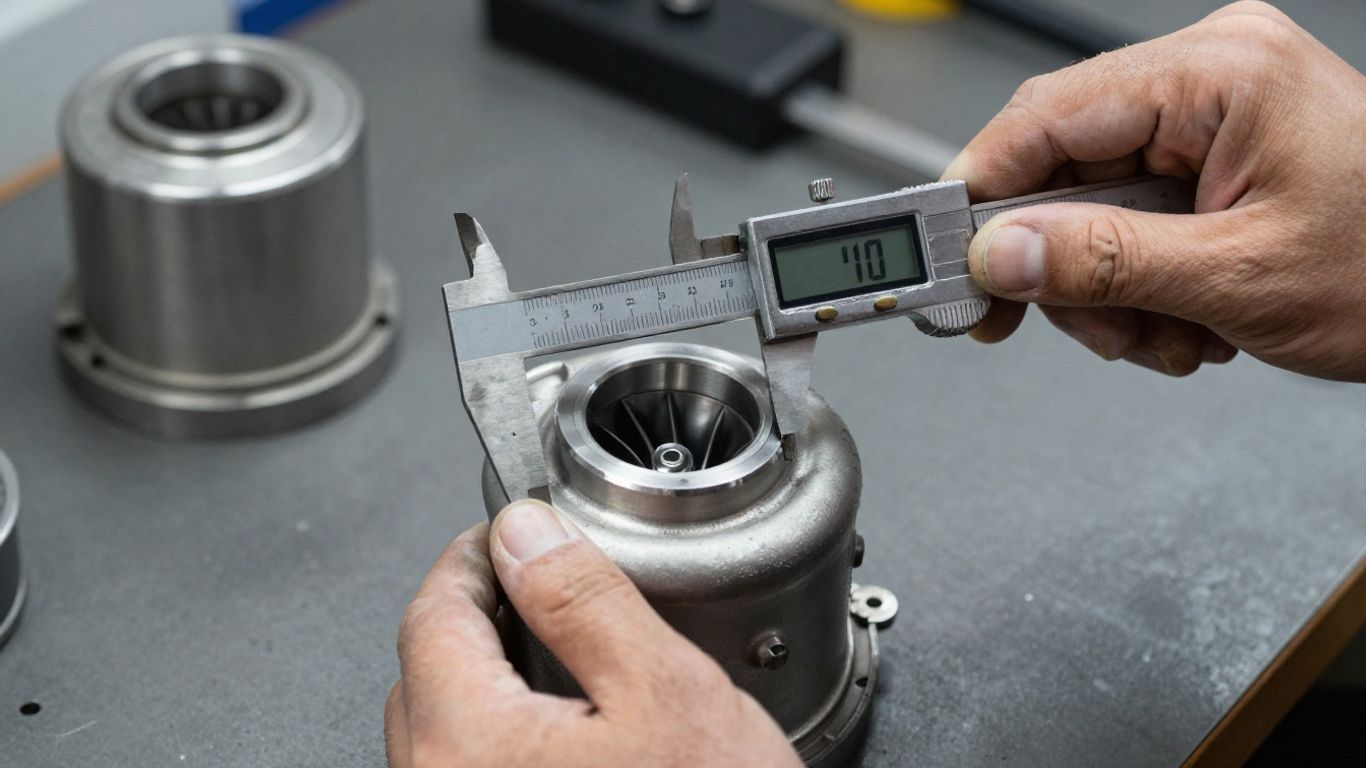
Inspecting performance gear requires a calm, methodical approach to ensure you aren’t inheriting another builder’s mechanical failure. Even parts that appear pristine from the outside can hide significant metallurgical stress or software issues that only surface under heavy load. By bringing the right diagnostic kit, you can assess the health of any component you are considering for purchase.
Assessing physical wear and heat stress on engine internals
Checking for visible signs of thermal fatigue is vital when evaluating internal parts like piston heads or connecting rods. You want to look for any signs of excessive heat discoloration or scoring that could indicate the engine was pushed past its thermal limits during its previous service life.
Identifying fatigue and cracks in forced induction hardware
When evaluating high-performance turbos, you need a way to track the wear relative to common service intervals. The following table provides a guide on what to check when auditing these critical items.
| Component | Visual Indicator | Action Required |
|---|---|---|
| Turbine Wheel | Hairline fractures | Reject component |
| Wastegate Flapper | Excessive slop | Require shop test |
| Compressor Housing | Internal scoring | Inspect bearings |
Reviewing these indicators helps you make an informed decision on whether a part is ready for installation or requires a professional rebuild before usage.
Testing electronic sensors and individual control modules
Electronic components can be deceptive because they often look completely fine even when the internal circuit is dead. Using a multi-meter to check for proper resistance values is essential, particularly for sensors tied to fuel delivery or airflow management.
Detecting signs of counterfeit or low-quality imitation parts
Cheap knock-offs can mirror the appearance of genuine gear but often fail under track conditions. Always look for cast-in branding and authentic serial numbers, ignoring any sellers who cannot provide documentation or proof of purchase for their high-end imports.
Common performance upgrades to source on the secondary market
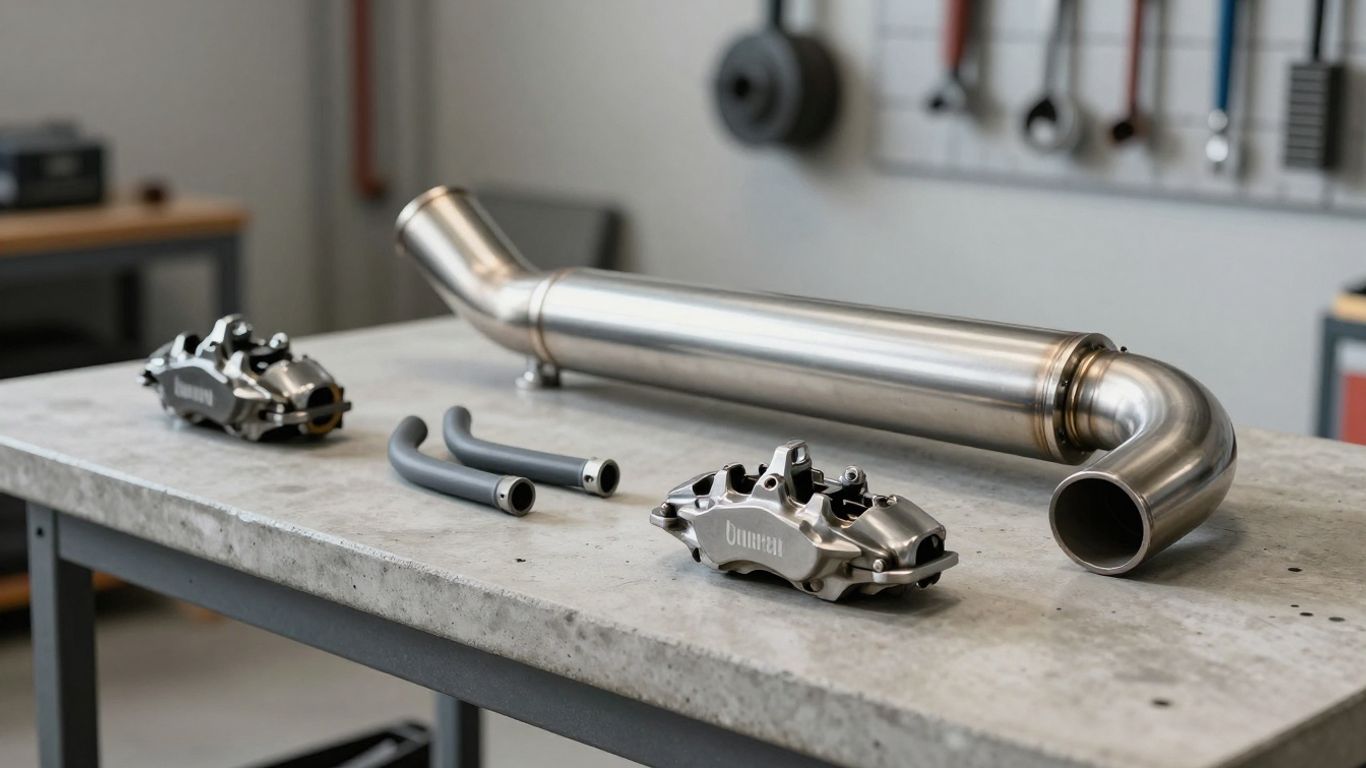
Upgrading your drivetrain and handling via the secondary market allows you to invest in high-quality gear for a fraction of what those parts would cost brand new. Many owners rotate through setups as their build goals evolve, which keeps a steady stream of excellent hardware circulating in the community. As with any mechanical modification, your primary concern should always be the history and compatibility of the parts you are acquiring.
High-performance suspension and handling packages
Suspension kits are frequently upgraded as enthusiasts switch between street and track configurations. Buying these used can save you thousands on coilovers or anti-roll bars, provided you check the bushings and seals at the time of purchase.
Stainless steel exhaust systems and high-flow downpipes
Exhaust components are common targets for upgrades but require careful inspection for corrosion or structural fatigue. You might find that high-quality exhaust kits are listed at significant discounts just because the previous owner wanted a different tone.
A well-selected used exhaust system can provide the flow and sound benefits of a premium product without the lengthy lead times and expense associated with brand-new custom fabrication pieces.
Checking the hangers and flange integrity is essential, as these areas often take the most abuse and are prone to rust if the vehicle was exposed to coastal weather.
Cold air intakes and upgraded turbo inlet hoses
These components are relatively simple to verify for defects as they lack complex moving parts. Look for signs of splitting in the rubber or cracks in the intake housing caused by improper mounting or high engine bay temperatures.
Brake rotor and caliper upgrades for improved stopping power
Braking systems from companies like Pro Speed Racing are highly sought after for their ability to withstand aggressive heat. When buying these used, focus heavily on the condition of the pistons and ensure that all seals are functioning correctly to prevent fluid leaks under pressure.
Avoiding risks when purchasing secondhand WRX STI parts
Buying used parts requires caution, as the history of a donor vehicle is often obscured in private sales. You want to prioritize transparency and technical proof over simple price incentives when evaluating a major purchase. Understanding the risks involved protects your own vehicle build from collateral damage caused by failing or incompatible parts.
Verifying the mechanical history of the donor vehicle
Asking about the donor vehicle provides context for how the part was used, such as whether it was driven exclusively on streets or subjected to track day abuse. If a seller is hesitant to discuss the condition of the vehicle the part came from, that is often a sign to walk away.
Spotting red flags for salvaged or reconditioned components
Reconditioned parts can be excellent, but only if they were done at a professional shop like All Drive Subaroo. If the repair work was done in a home garage without clear documentation, you should be wary of potential long-term reliability issues.
Confirming compatibility across different chassis codes and model years
Parts that look identical to the naked eye can have slight differences in fitment or electrical pin-outs between model years. Always use a cross-reference guide or consult with a trusted mechanic to confirm that a part will fit your specific chassis before handing over money.
Clarifying compliance with New South Wales automotive regulations
Even if a part fits, it must still be road-legal under local transport rules. Modifying exhaust volumes or emission systems can lead to fines, so ensure any performance part you source meets the strict requirements set by New South Wales authorities.
Tips for negotiating and securing the best prices
Negotiation in the automotive parts world is standard practice, especially when dealing with private sellers who may be eager to clear out their garage space. Your ability to get a better deal rests on your technical knowledge and your readiness to complete the transaction immediately. Being professional and respectful during these discussions often leads to better results than aggressive low-balling.
Conducting market research on current private seller valuation
Before making an offer, check recent sold listings on forums and marketplace apps to establish a baseline price. This empowers you to point out if a seller’s asking price is significantly above the local market average, making your negotiation stance more objective.
Benefits of bundling multiple related components from one seller
Sellers often prefer to clear out several related items at once rather than dealing with multiple buyers. Offering to buy a set of components together, such as an intake and a related sensor, gives you leverage to request a reasonable bundle discount.
Negotiating based on the cost of necessary refurbishment
If you find a part that requires new bushings or a professional cleaning, use that to your advantage in the price conversation. Pointing out the estimated service costs provides a fair justification for asking to lower the purchase price of the core part.
Secure payment and logistics for picking up heavy parts locally
Heavy items like engine blocks or transmissions are expensive to ship, so offering a prompt local pickup is a strong incentive for the seller to work with you. Always use secure, traceable payment methods to protect yourself during the final transaction, ensuring that both parties feel safe throughout the exchange.
Conclusion
Successfully sourcing parts for your build is a rewarding process that combines research, local networking, and mechanical intuition. By verifying part history and engaging with the community, you ensure that your vehicle receives components that are both reliable and high-performing. Take your time, maintain your standards, and enjoy the process of turning your vision into a reality on the road.




