
Keeping your Subaru in good shape means paying attention to the little things, and the tires are a big part of that. This Subaru tire care and rotation guide is here to help you get a handle on what your car needs. It’s not super complicated, but doing it right makes a real difference in how your car drives and how long your parts last. We’ll go over the basics of tire care, why rotating them matters, and when to get professional help.
Key Takeaways
- Proper tire inflation is super important for how your Subaru handles and how long the tires last. Check it often.
- Rotating your tires regularly, usually every 5,000 to 7,500 miles, helps them wear evenly and last longer.
- Watch out for signs of tire wear like uneven tread or cracks, and also for symptoms of bad wheel alignment, like your car pulling to one side.
- Picking the right tires for your Subaru depends on where you drive and how you drive – think about your local weather and your usual routes.
- Don’t hesitate to get professional help if you notice serious tire issues or alignment problems; it’s better to be safe.
Understanding Subaru Tire Care Essentials
The Critical Role of Tires in Subaru Performance
Your Subaru’s tires are pretty much the only thing connecting it to the road, so they’re a big deal for how it drives, handles, and even how safe it is. Think about it – all that power from the engine, the braking, the steering, it all goes through those four rubber circles. If they’re not in good shape, your Subaru just won’t perform the way it’s supposed to. Worn-out tires can make your car feel sluggish, handle poorly in corners, and take longer to stop, which is never good, especially if you’re out enjoying some of the trails Subaru owners love. Keeping your tires in top condition is key to experiencing the full capability of your Subaru.
Recognizing Signs of Tire Wear and Damage
Spotting tire problems early can save you a lot of headaches and potential danger. The most obvious sign is tread wear. You know that tread pattern on your tires? It’s there to grip the road. When it gets too shallow, your tires can’t grip well, especially in wet conditions. You can check this by looking at the wear bars between the treads, or just by seeing if the tread is getting close to being flat. Another thing to watch for is uneven wear, where one side of the tire is more worn than the other. This often points to alignment issues. Also, keep an eye out for any cuts, bulges, or cracks on the sidewalls. These are serious and mean the tire needs immediate attention. Sometimes, you might hear a humming noise that gets louder as you drive, which can also be a sign of worn tires.
Proper Inflation for Optimal Tire Health
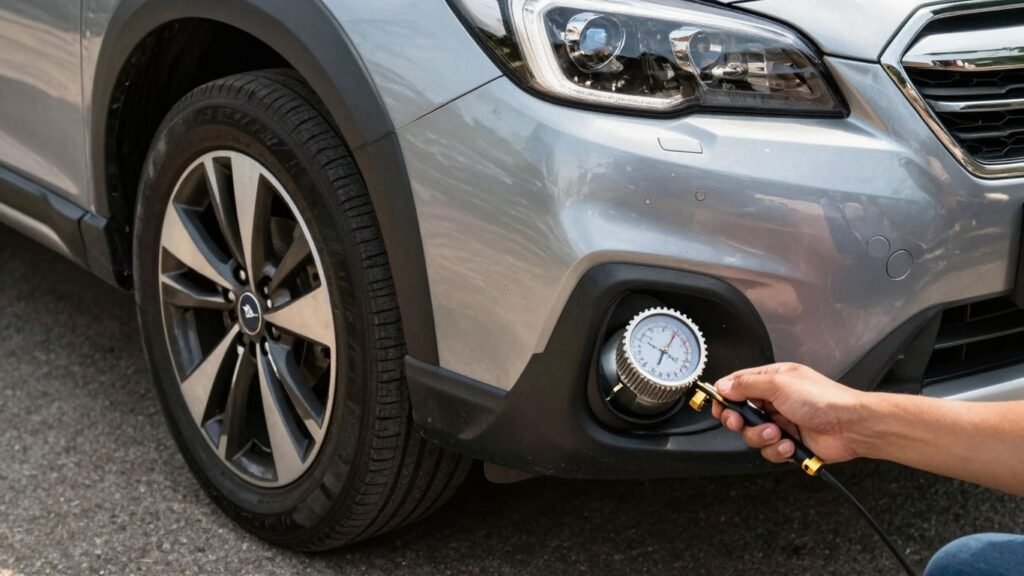
This is one of those simple things that makes a huge difference. Over-inflated tires can lead to a bumpy ride and reduced grip, while under-inflated tires wear out faster, hurt your gas mileage, and can even overheat and blow out. It sounds basic, but checking your tire pressure regularly is super important. You can find the correct pressure for your Subaru on a sticker inside the driver’s side doorjamb or in your owner’s manual. Don’t just guess or use the pressure listed on the tire’s sidewall, as that’s usually the maximum pressure, not the recommended pressure for your specific car. It’s best to check the pressure when the tires are cold, meaning the car hasn’t been driven for a few hours.
Keeping your tires properly inflated and in good condition isn’t just about making your Subaru look good; it’s about making sure it drives safely and efficiently. It’s a small bit of effort that pays off big time.
| Tire Pressure Check Frequency | Recommended Action |
|---|---|
| Weekly | Visual inspection for obvious damage |
| Monthly | Check pressure with a gauge when tires are cold |
| Every 6 months | Inspect tread depth and look for uneven wear |
Mastering Subaru Tire Rotation Techniques
Why Regular Tire Rotation is Crucial
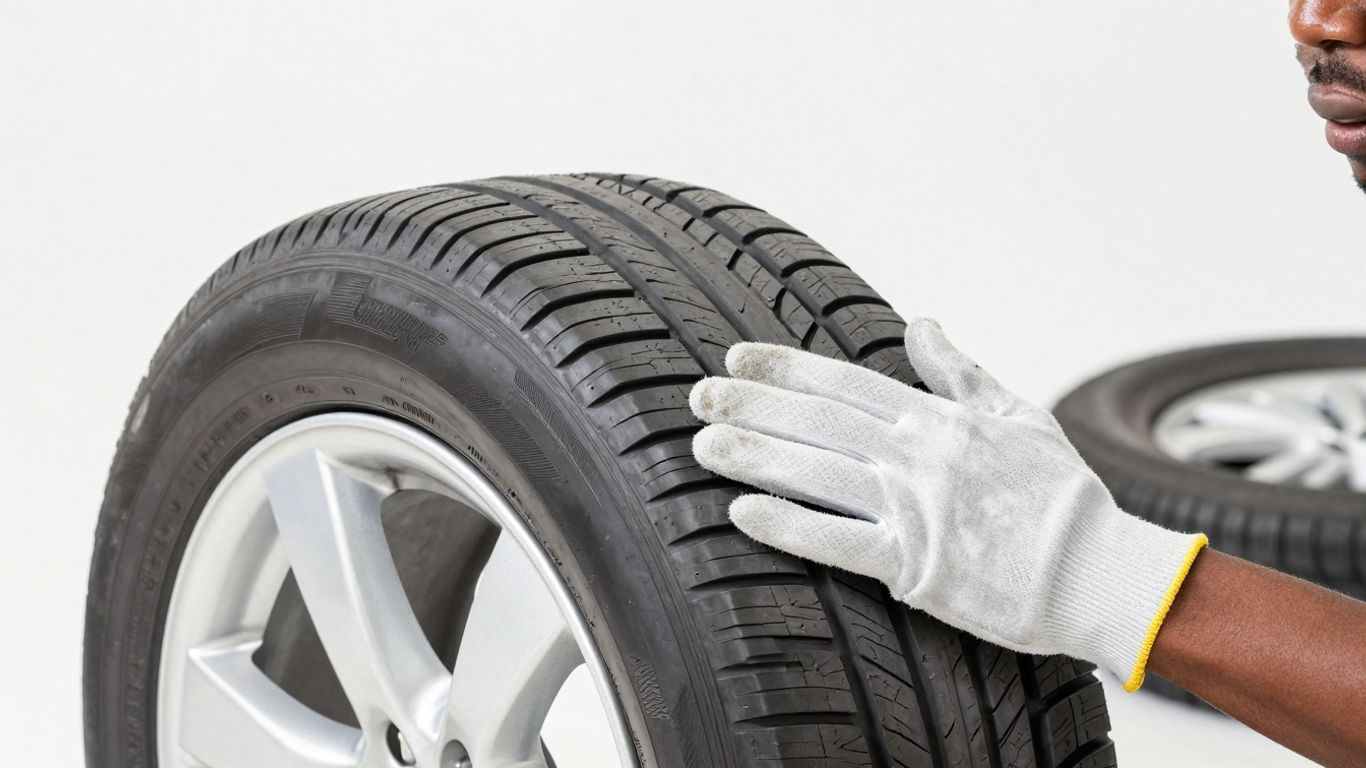
Rotating your tires is one of those maintenance tasks that might seem minor, but it really makes a big difference in how long your tires last and how your Subaru handles. When you drive, the front tires and rear tires wear differently. The front ones often take more of a beating from steering and braking, while the rear ones might wear more evenly. If you don’t swap them around, you’ll end up with uneven wear, meaning some tires will be bald while others still have plenty of tread. This uneven wear not only shortens the life of your tires but can also affect your car’s balance and grip, especially in tricky weather. It’s a simple way to get the most miles out of your tire investment.
Recommended Intervals for Subaru Tire Rotation
So, how often should you be rotating your tires? For most Subaru models, a good rule of thumb is to do it every 5,000 to 7,500 miles. This aligns nicely with many oil change schedules, so you can often get it done at the same time. However, it’s always best to check your owner’s manual for the exact recommendation for your specific Subaru. Driving habits and conditions can also play a role. If you do a lot of highway driving, you might be able to stretch the interval a bit, but if you frequently drive in stop-and-go traffic or on rough roads, you might want to stick to the shorter end of that range.
Here’s a general guideline:
| Driving Condition | Recommended Rotation Interval |
|---|---|
| Normal (mixed highway/city) | 6,000 – 7,500 miles |
| Aggressive/Performance | 5,000 miles |
| Heavy City/Stop-and-Go | 5,000 miles |
How Tire Rotation Extends Tire Lifespan
Think of tire rotation as giving each tire a chance to experience different positions on your Subaru. By moving the front tires to the back and the rear tires to the front, you’re evening out the wear patterns. This means all four tires will wear down more uniformly. Instead of one or two tires wearing out prematurely, you’ll get more even mileage from the entire set. This not only saves you money on buying new tires sooner but also helps maintain consistent traction and handling characteristics across all four wheels. It’s a proactive step that keeps your Subaru performing its best for longer.
Rotating your tires is a straightforward maintenance task that pays off significantly. It helps ensure your Subaru handles predictably, improves fuel efficiency by reducing rolling resistance from uneven wear, and most importantly, maximizes the lifespan of your tires. Don’t skip this simple step; your wallet and your driving experience will thank you.
Addressing Subaru Wheel Alignment Needs
The Importance of Timely Wheel Alignment
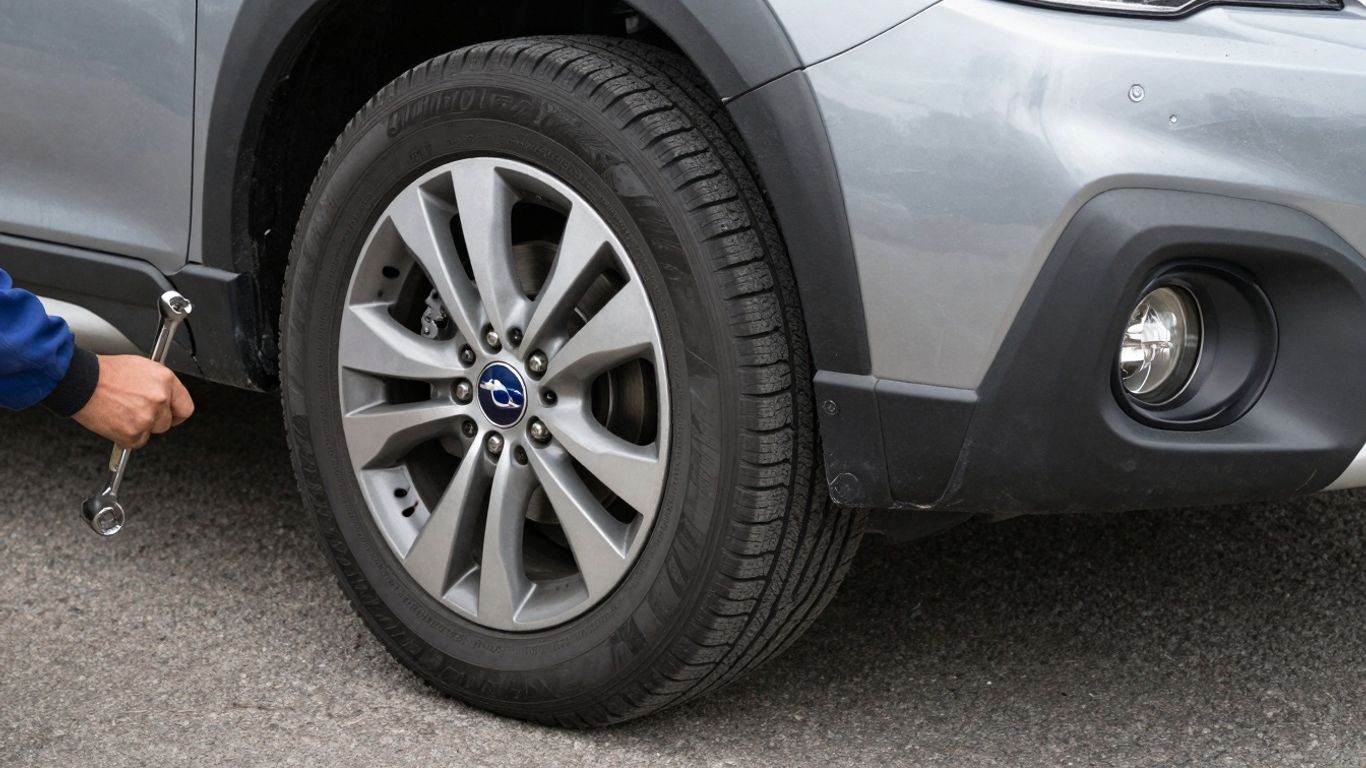
Keeping your Subaru’s wheels aligned properly is more than just a suggestion; it’s a key part of how your car handles and stays safe on the road. When your wheels are pointed in the right direction, your Subaru responds better to your steering inputs, which is super important if you ever need to make a sudden maneuver. Plus, good alignment means your tires make even contact with the pavement. This not only makes for a smoother ride but also stops your tires from wearing out unevenly. Think about it – one side of the tire getting chewed up while the other looks fine? That’s a sign something’s off. Ignoring alignment issues can also put extra strain on your suspension parts over time, leading to repairs that nobody wants to deal with.
Common Symptoms of Misaligned Subaru Wheels
So, how do you know if your Subaru’s alignment is out of whack? There are a few tell-tale signs. The most common one is uneven tire wear. Take a look at your tires; if you see one edge is more worn down than the other, that’s a pretty clear indicator. Another thing to watch for is if your steering wheel isn’t centered when you’re driving straight, or if it vibrates noticeably, especially at higher speeds. You might also notice your Subaru pulling to one side of the road, forcing you to constantly correct the steering. Sometimes, you might even hear your tires squealing when you’re not turning sharply, which can also point to an alignment problem.
| Symptom | Description |
|---|---|
| Uneven Tire Wear | Tread wears down more on one side of the tire than the other. |
| Steering Wheel Vibration | Shaking or wobbling felt in the steering wheel, often at higher speeds. |
| Vehicle Pulling | Car drifts to one side, requiring constant steering correction to go straight. |
| Crooked Steering Wheel | Steering wheel is off-center when driving on a straight, level road. |
| Tire Squealing | Tires make noise during turns or even when driving straight. |
When to Schedule Wheel Alignment Service
It’s a good idea to have your wheel alignment checked at least once a year, or roughly every 12,000 miles, as part of your regular maintenance. However, if you notice any of the symptoms we just talked about, don’t wait for your next scheduled check-up. Get it looked at sooner rather than later. Hitting a big pothole or bumping into a curb can knock your alignment out of place pretty quickly. Addressing these issues promptly can save you money on premature tire replacement and prevent potential damage to other parts of your car.
Sometimes, the simplest checks can prevent bigger headaches down the road. Paying attention to how your car drives and how your tires look can save you a lot of trouble and expense.
Choosing the Right Tires for Your Subaru
Factors to Consider When Selecting Tires
Picking out new tires for your Subaru isn’t just about grabbing the cheapest set you can find. It’s actually a pretty big deal for how your car handles, how safe it is, and even how much gas it uses. Think about it – these are the only things connecting your car to the road. You’ve got to get this right. When you’re looking at new rubber, you’ll want to think about a few things. First off, what kind of weather do you usually drive in? Are you dealing with snow and ice a lot, or is it mostly dry pavement? This will point you towards all-season, winter, or summer tires. Then, consider how you actually drive. Do you mostly cruise on the highway, or do you do a lot of city driving with lots of stops and starts? Maybe you even take your Subaru off the beaten path sometimes. Your driving style matters a lot.
Matching Tires to Climate and Driving Habits
Let’s say you live somewhere with harsh winters. You’ll probably want to look at dedicated winter tires for the colder months. They have special tread patterns and rubber compounds that grip much better on snow and ice. For the rest of the year, you could switch to all-season tires, which offer a decent balance for milder conditions. If you’re in a place that’s pretty much warm all year round, good quality all-season tires might be all you need. But if you’re a performance enthusiast who likes to push their Subaru a bit, you might consider performance tires that offer better grip and handling, though they might wear out a bit faster. It’s all about finding that sweet spot for your specific situation.
Understanding Different Tire Types
There are a few main categories of tires you’ll run into. All-season tires are the most common, designed to work okay in most conditions, but they aren’t the best at anything specific. Winter tires are built for cold, snow, and ice, with deep treads and flexible rubber. Summer tires, on the other hand, are made for warmer weather and offer superior grip on dry and wet roads, but they get stiff and lose traction in the cold. Then you have performance tires, which are all about handling and speed, often with a lower profile and stickier rubber. For those who venture off-road, there are also all-terrain or mud-terrain tires with aggressive treads. Choosing the right type of tire can make a noticeable difference in your Subaru’s performance and safety.
When you’re shopping for tires, don’t just look at the price tag. Check the tire’s sidewall for information like the speed rating and load index. These numbers tell you how much weight the tire can carry and the maximum speed it’s designed for. Making sure these match your Subaru’s requirements is important for safety and proper function.
Proactive Subaru Tire Maintenance Schedule
Key Milestones for Subaru Tire Care
Keeping your Subaru’s tires in good shape isn’t just about waiting for something to go wrong. It’s about having a plan. Think of it like checking the oil in your engine; you don’t wait for the engine to seize up before you top it off, right? The same goes for your tires. A good rule of thumb is to give your tires a good look-over every few months, or roughly every 5,000 miles. This is a good time to check for any obvious damage, make sure the tread depth is still good, and, of course, check the air pressure. This regular check-up can catch small issues before they become big, expensive problems.
Integrating Tire Checks into Routine Maintenance
It’s easy to forget about tire maintenance when you’re busy. The best way to stay on track is to tie it into things you already do. For example, when you get your oil changed, ask the mechanic to give your tires a quick inspection too. They can check the tread wear and look for any nicks or bulges you might have missed. Also, if you’re heading out on a long road trip, that’s a perfect time to do a thorough check of your tires, including the spare if you have one. It just takes a few minutes, but it can save you a lot of hassle on the highway.
| Maintenance Task | Recommended Interval | What to Look For |
|---|---|---|
| Visual Tire Inspection | Every 3 months | Cuts, bulges, embedded objects, uneven wear |
| Tread Depth Check | Every 5,000 miles | Wear bars, minimum legal tread depth (2/32 inch) |
| Tire Pressure Check | Monthly | Manufacturer’s recommended PSI (see driver’s door) |
| Tire Rotation | Every 5,000-7,500 miles | Even wear across all tires |
The Benefits of a Proactive Approach
Being proactive with your Subaru’s tire care really pays off. You’ll get better gas mileage because properly inflated tires roll more easily. Your tires will last longer, meaning you won’t have to buy new ones as often. Plus, and this is a big one, your car will handle better and be safer to drive. It’s a simple habit that makes a noticeable difference in how your Subaru performs and how much money you save over time.
Taking care of your tires means taking care of your car. It’s not complicated, just requires a little bit of attention now and then. Think of it as giving your Subaru the best chance to perform well and keep you safe on the road.
When to Seek Professional Subaru Tire Service
Sometimes, even with the best intentions and regular checks, things come up with your Subaru’s tires that are just beyond a DIY fix. It’s not about admitting defeat; it’s about knowing when to call in the cavalry. If you notice persistent warning lights on your dashboard, hear strange noises coming from your wheels, or feel a significant change in how your car handles, it’s time to stop tinkering and start calling. These aren’t minor issues; they can point to deeper problems that need a trained eye and specialized tools.
For instance, if you’re experiencing a noticeable pull to one side even after checking tire pressure, or if you see uneven wear patterns that don’t make sense, a professional can diagnose if it’s an alignment issue, a suspension problem, or something else entirely. Trying to guess can lead to more damage and, more importantly, compromise your safety on the road. It’s also worth noting that some brake issues can manifest as tire-related problems, like squealing or a spongy pedal, and these absolutely need expert attention.
Some problems are just too complex to figure out in your driveway. Electrical gremlins, intricate suspension noises, or anything that feels fundamentally wrong with how your car is behaving are usually best left to the folks who do this every single day. They have the diagnostic equipment and the experience to pinpoint the exact cause quickly and correctly.
If you’ve tried rotating your tires, checking the pressure, and inspecting for obvious damage, but the problem persists, that’s your cue. Don’t wait for a small issue to become a big, expensive one. Finding a mechanic who knows Subarus well is key. They’ll have the specific knowledge to get your car back to feeling right and performing safely.
Wrapping It Up
So, we’ve gone over how to keep your Subaru’s tires in good shape and why it really matters. Taking care of your tires, like checking the pressure and getting them rotated when you should, isn’t just about making your car look good. It’s about keeping you safe on the road and making sure your Subaru runs its best for a long time. Don’t forget these simple steps; they really do make a big difference in the long run. Happy driving!




