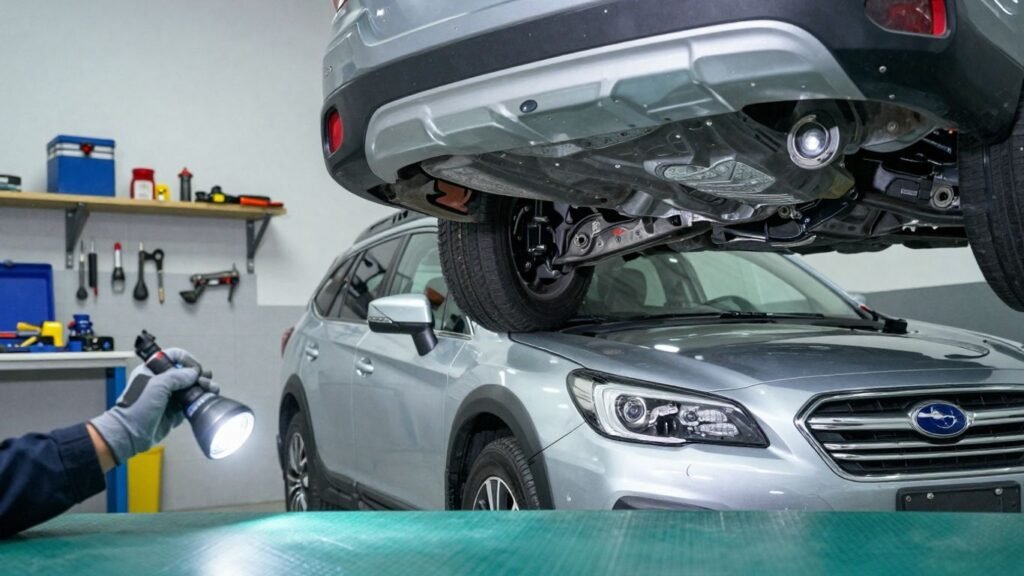
Thinking about hitting the road in your Subaru? Awesome! Before you pack up and go, it’s a good idea to give your car a once-over. You know, just to make sure everything’s running smoothly and safely. It’s not like you need to be a master mechanic or anything, but a quick check can save you a lot of hassle down the line. This Subaru safety inspection checklist will help you cover the basics.
Key Takeaways
- Keep an eye on your fluids – oil, coolant, brake fluid, and washer fluid are all important. Low levels or dirty fluid can cause problems.
- Check your tires. Make sure they have enough tread, the pressure is right, and they aren’t too old. Rotating them helps them wear evenly.
- Your brakes are super important. Look at the pads and rotors, and make sure the brake fluid is okay. Don’t ignore any weird noises or feelings when you brake.
- Test all your lights – headlights, taillights, turn signals. Also, make sure your windshield wipers are in good shape.
- Don’t forget about the battery and any warning lights on your dashboard. If your Subaru has advanced safety tech like EyeSight, make sure its cameras are clean.
Essential Subaru Safety Inspection Checklist: Fluids and Filters
Alright, let’s talk about the gooey stuff and the filters that keep your Subaru running smoothly. These are the basics, the things you can often check yourself without needing a mechanic’s special tools. Think of it as giving your car a drink and making sure it’s breathing clean air.
Engine Oil and Filter Check
This is probably the most talked-about fluid, and for good reason. Your engine oil is like the blood of your engine, lubricating all those moving parts and keeping things from grinding to a halt. Checking your oil level is super simple: pull out the dipstick, wipe it clean, stick it back in, pull it out again, and check where the oil line falls. You want it between the ‘min’ and ‘max’ marks. If it’s low, top it off with the correct type of oil for your Subaru. While you’re at it, take a peek at the oil’s color. If it looks really dark, sludgy, or has bits floating in it, it’s probably time for an oil change and a new filter. This is especially important if you do a lot of stop-and-go driving or live in a hot climate.
Coolant and Brake Fluid Levels
Next up is coolant, which keeps your engine from overheating. You’ll find the reservoir tank, usually a translucent plastic jug, under the hood. Just look for the ‘max’ and ‘min’ lines on the side. Make sure the level is in the right spot when the engine is cool. If it’s low, add a 50/50 mix of Subaru-approved coolant and distilled water. Don’t just use plain water, especially if you live where it gets cold! Brake fluid is another one that’s easy to check. Find the brake fluid reservoir (it’s usually smaller than the coolant one) and check the level against the markings. If it’s low, it could mean your brake pads are worn down, or there might be a leak. Dark or cloudy brake fluid isn’t great either; it means it’s absorbed moisture and might not work as well when you really need it.
Windshield Washer Fluid Reservoir
This one might seem obvious, but you’d be surprised how many people forget it. Having a full reservoir of windshield washer fluid is key for clear visibility, especially when bugs are out in full force or you hit a patch of road grime. It’s usually a blue liquid, and the reservoir is often marked with a windshield and spray symbol. Just pop the cap and fill it up. If you’re heading somewhere dry or dusty, a good quality washer fluid can make a big difference.
Engine Air and Cabin Air Filters
These filters are like your Subaru’s lungs. The engine air filter lets the engine breathe clean air. If it’s clogged with dirt and debris, your engine has to work harder, which can hurt fuel economy and performance. You can usually find it in a black box under the hood. Pull it out and hold it up to a light; if you can’t see light through it, it’s time for a new one. The cabin air filter is for you and your passengers. It cleans the air coming into the car through the vents. A dirty one can make your AC smell musty and reduce airflow. It’s often located behind the glove box. Replacing these filters is pretty straightforward and makes a noticeable difference in how your car runs and how fresh the air inside feels.
Tire Condition and Maintenance for Subaru Safety
Your tires are literally the only thing connecting your Subaru to the road. For an all-wheel-drive vehicle like a Subaru, keeping them in good shape is even more important. It doesn’t just affect how your car rides; it can actually impact the whole drivetrain. So, let’s talk about what to look for.
Tire Pressure Monitoring System (TPMS)
Most Subarus come with a Tire Pressure Monitoring System, or TPMS. It’s that little light on your dashboard that lets you know if one of your tires is running low on air. Keeping your tires properly inflated is a big deal for safety and also helps your car handle better and use less gas. If that light comes on, don’t ignore it. Check the pressure when the tires are cold and add air if needed, or get it checked out if you suspect a leak.
Tread Depth and Tire Age
Beyond just pressure, you need to check the actual condition of your tires. Look at the tread depth – that’s the pattern on the surface. You want to have at least 4/32" of tread for normal driving. If you often drive in rain or snow, aim for 6/32". Also, don’t forget about tire age. Even if a tire looks okay, the rubber can get old and brittle over time. Tires older than six years can start to break down, making them more likely to fail, especially at highway speeds. Check the sidewall for the DOT code, which includes the manufacture date.
Tire Rotation and Balance
To make sure your tires wear out evenly, you should get them rotated regularly. This helps them last longer and keeps your Subaru driving smoothly. If you haven’t had them rotated in about 6,000 to 7,500 miles, it’s probably time. Balancing is also important; it prevents vibrations that can be annoying and wear down your suspension over time. When you get your tires rotated, ask the mechanic to check for any uneven wear patterns, cuts, or bulges on the tire sidewalls. These can be signs of bigger problems.
Keeping an eye on your tires is one of those simple things that makes a huge difference in how safe your Subaru is. It’s not just about comfort; it’s about control, especially when the weather isn’t great or you’re on a long trip.
Brake System and Suspension Integrity
Your Subaru’s ability to stop safely and handle predictably on the road relies heavily on its brakes and suspension. These systems work together to keep you in control, especially when you’re dealing with varying road conditions or carrying passengers and gear. It’s not just about a smooth ride; it’s about being able to react when you need to.
Brake Pad Thickness and Rotor Condition
When you press the brake pedal, it’s the brake pads that clamp down on the rotors to slow your wheels. Over time, both these parts wear down. You’ll want to check how much material is left on your brake pads. If they’re getting thin, they won’t be as effective, and you might start hearing a squealing noise. The rotors, the metal discs your pads grab, can also get worn or damaged. Look for deep grooves, rust buildup, or signs that they’ve become uneven. Worn brake components are a major safety concern and should be addressed promptly.
Brake Fluid Moisture Content
Brake fluid is what transmits the force from your pedal to the brakes. It’s a hydraulic fluid, and like many fluids, it can absorb moisture from the air over time. When brake fluid absorbs too much water, its boiling point drops. This is a problem because braking generates a lot of heat. If the fluid boils, you can get air bubbles in the system, which means your brakes won’t work as well, or worse, they might feel spongy or even fail. Most shops have a simple tool to test how much moisture is in your brake fluid.
Suspension Bushings and Struts
Your suspension system, including things like bushings and struts, is what keeps your tires in contact with the road and absorbs bumps. Bushings are rubber or polyurethane parts that cushion connections between suspension components. When they wear out, you might notice clunking noises, especially over bumps, or feel like the car isn’t handling as sharply as it used to. Struts are part of the shock absorption system. If they’re leaking fluid or have lost their ability to dampen movement, your ride can become bouncy, and the car might feel unstable, particularly when turning or braking hard. This can make your Subaru feel less planted on the road.
Keeping an eye on your brakes and suspension isn’t just about comfort; it’s a direct line to your car’s ability to stop and steer reliably. Regular checks can catch small issues before they become big, potentially dangerous problems.
Electrical System and Battery Health
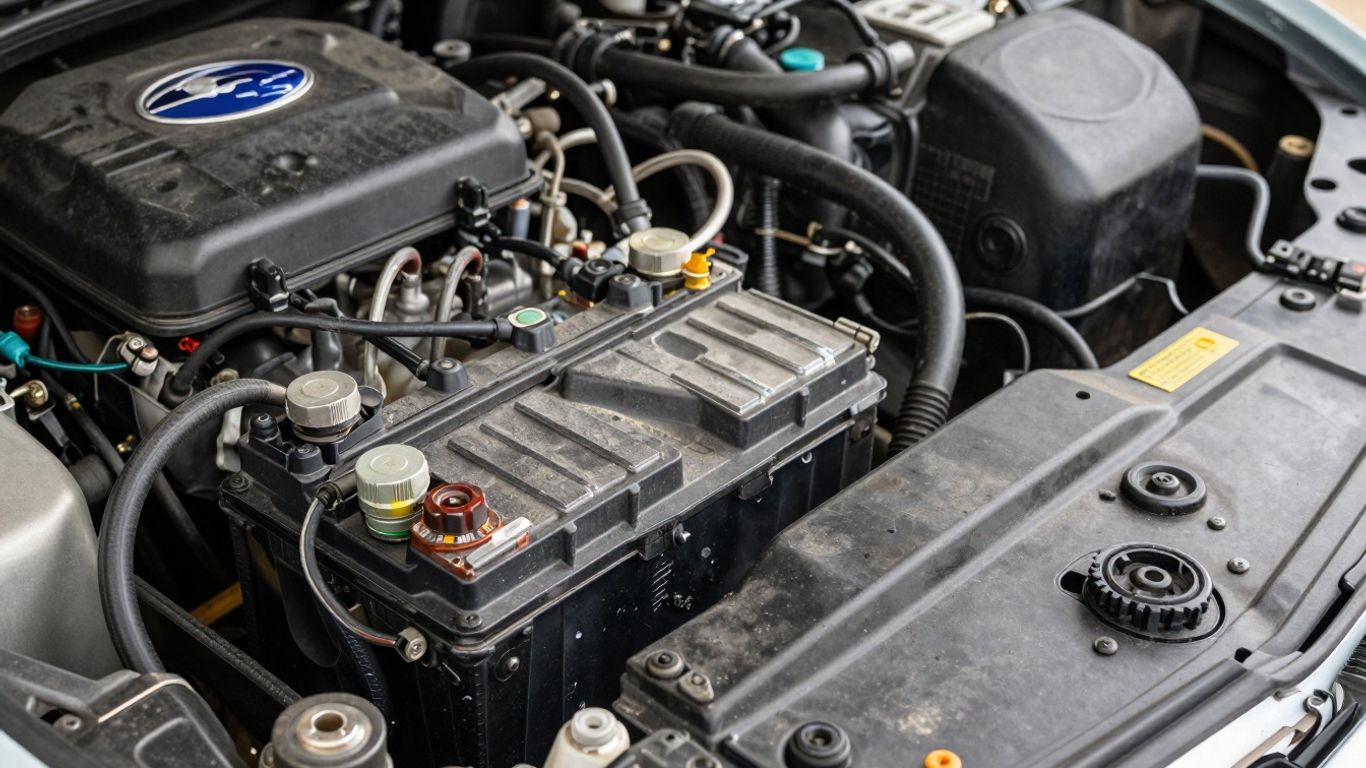
Your Subaru’s electrical system is like its nervous system, powering everything from the headlights to the complex safety tech. Keeping it in good shape means a more reliable ride and fewer surprises.
Battery Load Testing and Terminals
Your battery is the heart of the electrical system. A battery that’s just a little weak might get you to work, but it could leave you stranded somewhere unexpected. It’s a good idea to have your battery load-tested periodically, especially before a long trip. This test checks if the battery can deliver the power needed, not just if it has a charge. Look at the terminals too. Corrosion buildup on the battery terminals can really mess with the connection, making it harder for power to flow. You’ll often see a white or bluish powdery substance. Cleaning these off with a wire brush and a bit of baking soda paste usually does the trick.
| Warning Sign of a Weak Battery |
|---|
| Sluggish engine cranking |
| Dim headlights when idling |
| Flickering interior lights |
| Corroded battery terminals |
Dashboard Warning Lights
Those little lights on your dashboard aren’t just for show. If a warning light pops up, especially one related to the engine, brakes, or airbags, don’t just ignore it. Modern Subarus have sophisticated systems, and a lit warning light often means something needs attention. Sometimes it’s a simple fix, but other times it could point to a more serious issue that affects safety. It’s best to get it checked out sooner rather than later.
Modern Subarus rely heavily on their electrical systems for everything from the EyeSight driver assist to the infotainment screen. Long drives demand consistent voltage to keep all these components running smoothly. Don’t forget to check things like defrosters, seat heaters, and backup cameras, especially if you’re traveling in cold weather or at higher altitudes.
Power Accessories and Charging Systems
Think about all the things you use that run on electricity: your radio, power windows, heated seats, charging ports for your phone. Make sure these are all working as they should. A faulty charging system, like a weak alternator, won’t keep the battery topped up, leading to all sorts of electrical gremlins. Test your power windows, locks, and mirrors. Plug in your phone charger to see if it works. These small checks can save you from minor annoyances or bigger problems down the road.
Visibility and Exterior Lighting Checks
Making sure you can see and be seen is a big part of keeping your Subaru safe on the road. It sounds simple, but it’s easy to overlook these things.
Headlights, Taillights, and Brake Lights
Your headlights are obviously important for driving at night or in bad weather. You’ll want to check that both your low beams and high beams are working correctly. Don’t forget the taillights; they help other drivers see you from behind. And the brake lights? They’re super important for letting people know when you’re slowing down. Have someone stand behind your car while you press the brake pedal to make sure all three lights illuminate. A burnt-out bulb here is an easy fix, but it’s a common reason for failing a safety check.
Turn Signals and Hazard Lights
These are your communication tools on the road. Make sure your front and rear turn signals flash correctly on both sides. The same goes for your hazard lights, which you’ll use if you break down or need to signal a warning. A quick walk-around while activating each one will tell you if everything is good to go.
Windshield Wipers and Washer Fluid
Clear visibility is key, and that means your windshield wipers need to be in good shape. Check the rubber blades for any cracks or tears; if they’re leaving streaks or skipping, it’s time for new ones. Also, top off your windshield washer fluid reservoir. You don’t want to be caught in a downpour with dirty windows and no way to clean them. It’s a small thing, but it makes a huge difference.
Keeping your lights and visibility systems in working order isn’t just about passing an inspection; it’s about preventing accidents. A clear view of the road and clear signals to other drivers are non-negotiable for safe driving, especially when conditions aren’t perfect.
| Component | Check | Action if Faulty |
|---|---|---|
| Headlights | Both low and high beams illuminate | Replace bulb |
| Taillights | Both lights illuminate when headlights are on | Replace bulb |
| Brake Lights | All three lights illuminate when brake pedal is pressed | Replace bulb(s) |
| Turn Signals | Front and rear flash correctly on both sides | Replace bulb |
| Hazard Lights | All turn signals flash simultaneously | Replace bulb(s) |
| Wiper Blades | Clear windshield without streaks | Replace blades |
| Washer Fluid | Reservoir is full | Refill reservoir |
Advanced Subaru Safety Features
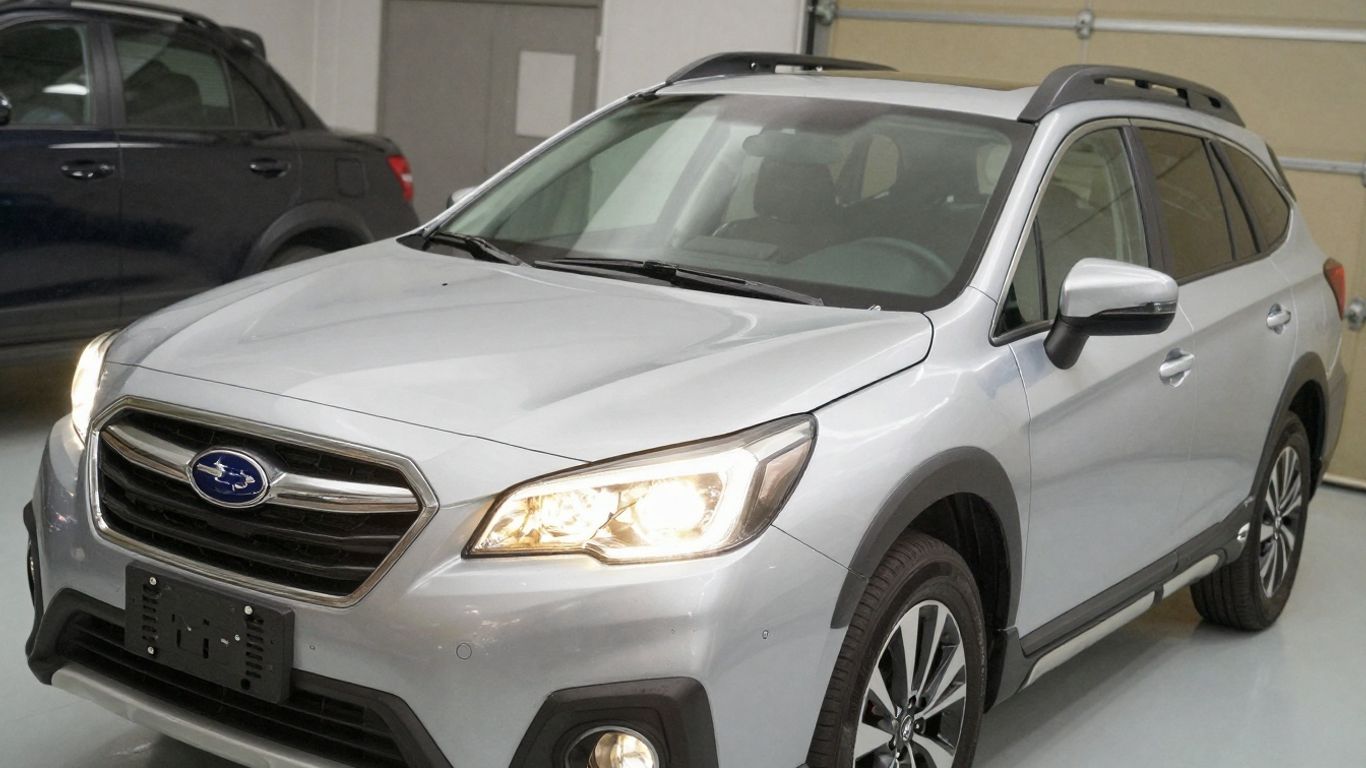
Beyond the basics, Subarus often come with some pretty neat tech designed to keep you safer. It’s worth giving these a quick check before you head out on a long drive.
EyeSight Camera Cleaning
If your Subaru has the EyeSight driver assist system, you’ll see a couple of cameras up near the rearview mirror. These are the eyes of the system, helping with things like adaptive cruise control and automatic emergency braking. Make sure these cameras are clean and free of any dirt, smudges, or ice. Even a little bit of gunk can mess with how well they see the road, and you don’t want those features not working when you actually need them. A quick wipe with a soft cloth should do the trick.
Airbag and Seatbelt Functionality
We all know seatbelts are important, but it’s good to give them a once-over. Check that the belts retract smoothly and aren’t frayed. Also, make sure the buckles click securely. For airbags, there isn’t much you can do yourself besides keeping an eye on the dashboard warning light. If that light stays on after you start the car, it means there’s an issue that needs a mechanic’s attention.
Traction Control and Stability Systems
These systems are designed to help you maintain control if the car starts to slide or lose grip. They work automatically, but you can test them in a safe, empty parking lot. Gently accelerate and then brake a bit harder than usual to feel how the car responds. You might notice a slight pulsing in the brake pedal or hear some whirring sounds as the systems engage. If you don’t feel or hear anything, or if the car behaves unexpectedly, it’s a good idea to have it checked out.
Modern cars have a lot of smart systems working behind the scenes. While they’re generally reliable, a little attention to their cameras, sensors, and basic functions can prevent unexpected issues on your journey. It’s about making sure the technology that’s there to help you is actually ready to do its job.
Keep Rolling Safely
So, there you have it. Going through this checklist might seem like a lot, but honestly, it’s way better than dealing with a breakdown on the side of the road. Taking a little time now to check things like your brakes, tires, and fluids means you can just relax and enjoy the drive. Your Subaru is built tough, but even tough cars need a little attention now and then. A little preventative care goes a long way in keeping you and your passengers safe, and it makes for a much smoother trip. Happy trails!




