
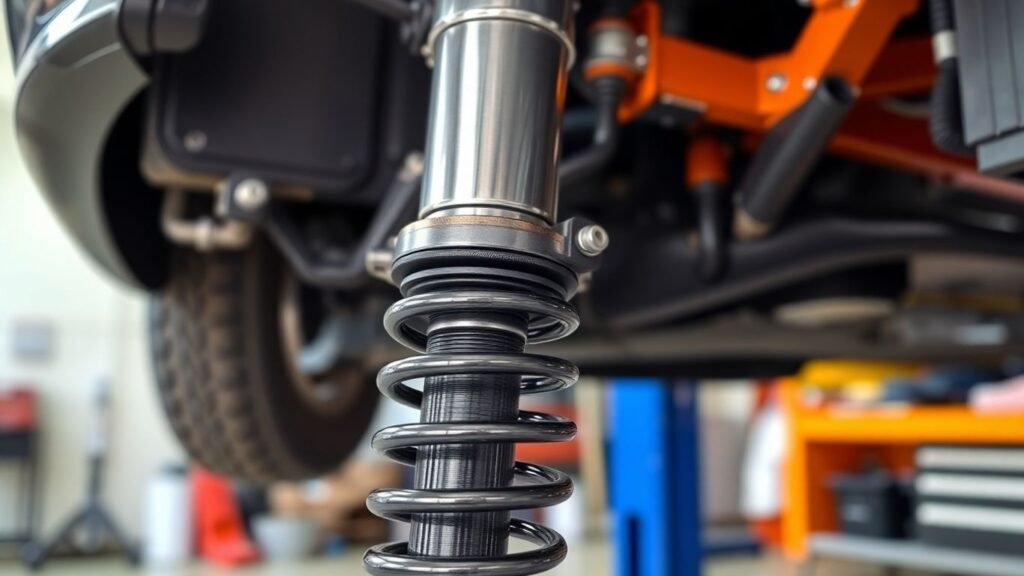
Your Subaru’s suspension is a big deal for how it drives, whether you’re just cruising around town or hitting some rougher roads. Keeping it in good shape means your car will handle better and last longer. It’s not super complicated, but you do need to pay attention to it. We’re going to cover the best way to maintain your Subaru suspension so you can keep enjoying your ride for years to come.
Key Takeaways
- Regularly look over your suspension for any leaks, cracks, or loose parts. This is your first defense against problems.
- Listen for weird noises like clunks or squeaks when you drive, especially over bumps. These can signal an issue.
- Clean your suspension after off-roading or during winter to prevent rust and corrosion from dirt and road salt.
- Check that all bolts are tight periodically and lubricate moving parts like sway bar links.
- Consider professional help for complex installations or if you’re unsure about diagnosing suspension problems.
1. Regular Visual Inspections
Taking a good look at your Subaru’s suspension now and then is a pretty straightforward way to catch problems before they get out of hand. You don’t need to be a master mechanic to do this; just a little bit of your time every few months or after you’ve been off-roading can make a big difference. Start by looking for any wet spots around your shocks or struts, which could mean they’re leaking fluid. Also, check the rubber parts, like bushings, for any cracks or signs of wear. Things like dirt, mud, and road salt can build up and trap moisture, leading to rust and making parts weaker over time. So, after a muddy adventure or during a car wash, give the underside a good rinse. It might seem like a small thing, but keeping things clean makes it easier to spot trouble and helps prevent corrosion that can weaken components.
A clean suspension is easier to inspect, and spotting a small issue early can save you a lot of headaches and money down the road. It’s about keeping your ride safe and performing well.
Don’t forget to check that all the bolts and nuts are still snug. Vibrations from driving can sometimes loosen them up. You can usually find the correct tightness specifications in your owner’s manual or a service guide. Just giving everything a once-over regularly helps you stay ahead of potential issues and keeps your Subaru handling the way it should.
2. Monitor Your Suspension’s Performance
It’s really important to get to know how your Subaru handles and to pay attention when things start feeling different. Your ears and your backside are your best tools here. Listen for any new sounds when you go over bumps – clunks, squeaks, or grinding noises are usually a sign something needs a look. You might also feel it in the steering wheel, like it’s wandering a bit, or notice the car seems to bounce more than usual after hitting a dip. Sometimes, you can even see a difference in how the car sits, maybe one corner looks lower than the others.
| Symptom | Potential Cause |
|---|---|
| Excessive bouncing | Worn shocks or struts |
| Clunking over bumps | Loose components, worn bushings, or bad mounts |
| Pulling to one side | Alignment issues, uneven tire wear, or damaged parts |
| Grinding noises | Severely worn metal components, needs immediate check |
| Sagging ride height | Worn springs or damaged suspension components |
If you start noticing any of these changes, it’s a good idea to check things out sooner rather than later. Ignoring these early warnings can lead to bigger problems down the road, affecting not just your ride comfort but also how safely your car handles. It’s better to catch a small issue before it turns into a major repair.
3. Troubleshoot Common Issues
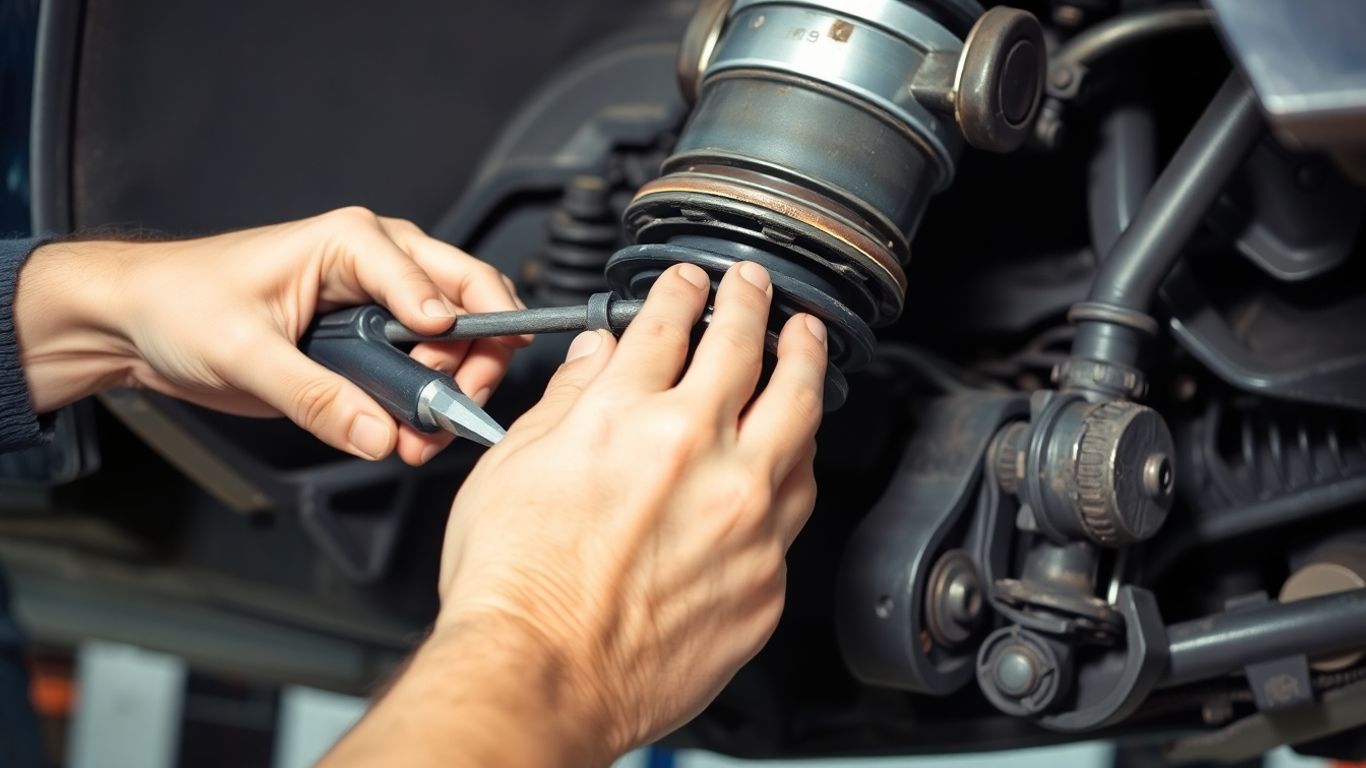
Even with the best care, suspension parts can develop problems. Paying attention to how your Subaru handles and sounds is your best bet for catching issues early.
One common sign is a change in how your car rides. If you start hearing clunks or squeaks when you go over bumps, it might mean a bushing is worn out or a strut mount is loose. Sometimes, you might feel a difference in steering, like the car pulling to one side, or notice the steering wheel vibrating. This could point to alignment problems or issues with components like control arms.
Another thing to watch for is fluid leaks. If you see oily residue on your shocks or struts, it means the seals are failing, and the shock absorber won’t work right anymore. This can lead to a bouncy ride and make handling feel sloppy.
Sometimes, after making changes like adding a lift kit, the suspension geometry can get thrown off. This might mean you need to adjust things like camber or caster. If your tires are wearing unevenly, especially on the edges, that’s a big clue that something isn’t aligned correctly and needs attention.
It’s also worth checking your CV axle boots. If they get torn, dirt and water can get in, ruining the joint. This is more common on lifted Subarus because the angle of the axles changes.
4. Make Seasonal Adjustments
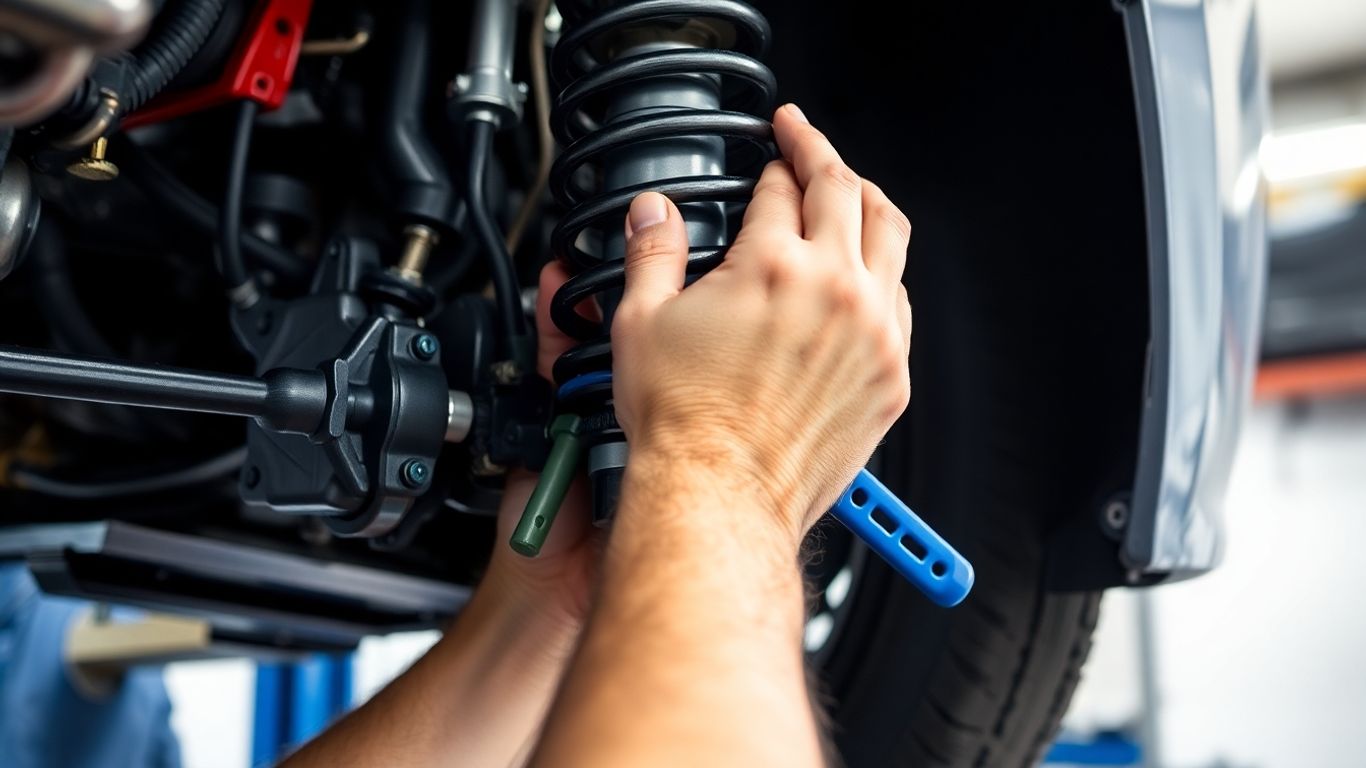
Your Subaru’s suspension doesn’t just sit there; it works hard, and its needs can shift with the weather and how you drive. When the seasons change, it’s a good time to think about your suspension. If you’ve been hitting the trails hard, especially in muddy or dusty conditions, give your suspension a good cleaning. Getting rid of all that gunk is important because it can trap moisture and lead to rust or damage to bushings and joints. This is especially true if you live somewhere that uses road salt in the winter – rinsing your undercarriage regularly helps wash that corrosive stuff away. Taking these simple steps can really help protect your suspension parts from the elements and keep them working right.
Think about how you use your car too. The setup that’s great for carving up mountain roads might not be the best for a long highway cruise. If your suspension has adjustable parts, like coilovers, now’s the time to learn how to tweak them for the current conditions. It’s not just about making big changes; sometimes small adjustments make a noticeable difference in how your car feels and handles.
Keeping your suspension clean and adjusted for the season isn’t just about looks. It’s about making sure your car handles predictably and safely, no matter what the road or trail throws at you. It’s a small bit of effort that pays off in the long run.
5. Practice Preventive Care
Taking care of your Subaru’s suspension before problems pop up is a smart move. It’s like going to the doctor for a check-up instead of waiting until you’re really sick. A little bit of attention now can save you a lot of headaches and cash later on. Think about it – your suspension is working hard all the time, dealing with bumps, turns, and whatever the road throws at it. Giving it some regular TLC is key to making sure it lasts and keeps your ride smooth and safe.
After you’ve been off-roading or hit some rough patches, it’s a good idea to give the underside of your Subaru a good rinse. Mud and dirt can get packed into places they shouldn’t be, and if they hold moisture, they can start to cause rust. This is especially true for the joints and rubber bits. If you live where they use a lot of salt on the roads in winter, rinsing the undercarriage regularly is a must. It washes away that corrosive stuff.
A consistent maintenance routine doesn’t have to be complicated. It’s about building simple habits that protect your vehicle. Regularly looking over your suspension parts, cleaning and greasing anything that moves, and checking that bolts are still tight are all small steps that add up. When parts do start to wear out, swapping them for good quality replacements keeps everything working right.
It’s not just about preventing rust, either. Neglecting your suspension can lead to other issues, like your tires wearing out faster than they should or your car not handling as well as it used to. In the worst case, a part could even fail when you least expect it, which is definitely not good. Spending a bit of time every few months to check things over is a small price to pay for peace of mind and keeping your Subaru performing its best.
6. Professional vs. DIY Installation
So, you’ve got your new suspension parts, and now comes the big question: do you tackle the installation yourself, or do you hand it over to the pros? It really boils down to what you’ve got in your toolbox, how comfortable you are turning wrenches, and just how complicated the parts are. For something like basic strut top spacers, if you’ve got a decent set of tools and a free Saturday, you might find it a pretty rewarding project. It’s a good way to get a feel for how your Subaru’s suspension actually works.
But hey, there’s absolutely no shame in taking it to a shop. Some suspension jobs can get pretty involved, and if things aren’t put back together right, it can mess with how your car handles and, more importantly, your safety. A professional mechanic has the specialized gear and the know-how to get it done correctly, including making sure your alignment is spot on afterward. If you’re on the fence, letting someone who does this every day handle it can give you some serious peace of mind.
If you’re not totally sure about the process, or if you don’t have the right tools like a good torque wrench and jack stands, it’s usually the smarter move to let a professional handle the installation. They’ll have everything needed to ensure it’s done safely and correctly, which is pretty important when you’re talking about your car’s suspension.
For a DIY job, you’ll need more than just your average socket set. Think a solid floor jack, reliable jack stands, a torque wrench (super important for getting bolts to the right tightness), and maybe even spring compressors if you’re dealing with coil springs. You also need to understand how your Subaru’s suspension is put together. It’s not just about swapping parts; it’s about safely taking things apart and putting them back together, paying close attention to those torque specs. And remember, after you’re done, you’ll almost certainly need to get the alignment checked and adjusted. If all that sounds like a bit much, then yeah, a shop is probably your best bet.
7. Alignment Checks
After any work on your suspension, especially after installing new parts or making adjustments, getting an alignment check is super important. Think of it like this: when you change how the wheels sit, you’re messing with how they point and tilt relative to the road. If this isn’t right, your Subaru won’t drive straight, and your tires will wear out way faster than they should.
This is especially true if you’ve lifted your Subaru or changed out suspension components. The angles of your wheels (like camber and toe) get thrown off, and that affects how your car handles and how evenly your tires wear.
Here’s a quick look at what alignment affects:
| Alignment Angle | What it Affects |
|---|---|
| Camber | Tire wear, steering effort |
| Caster | Steering stability, straight-line tracking |
| Toe | Tire wear, steering response |
Driving with bad alignment isn’t just annoying because your car might pull to one side; it’s also a safety concern and will cost you money in premature tire replacement. It’s best to get this checked by a shop that knows its way around Subarus, especially if you’ve modified it. They can get those angles dialed in just right so your car drives true and your tires last.
8. Lubricate Moving Parts
Keeping things moving smoothly is a big part of suspension care. Think about the sway bar links, bushings, and any other bits that pivot or slide. Over time, dirt and grime can get in there, making them stiff and noisy. A little bit of grease can go a long way in preventing premature wear and keeping your ride quiet.
When you’re cleaning up after a muddy trail run or a salty winter road, take a moment to hit these moving parts with the right lubricant. For aftermarket setups, especially those with adjustable coilovers, make sure to clean the threaded collars and apply a suitable lubricant to keep them from seizing up. Some performance bushings, particularly polyurethane ones, might need a specific type of grease to stop them from squeaking. Always check what the manufacturer recommends for your specific parts.
Neglecting lubrication can lead to parts binding, increased stress on other suspension components, and that annoying squeak or clunk that just won’t go away. It’s a simple step that really helps your suspension parts last longer and work better.
9. Re-torque Bolts
After you’ve done some work on your Subaru’s suspension, or even just after a lot of driving, it’s a good idea to go back and check the tightness of all the bolts. Vibrations from the road, especially if you’ve been off-roading, can cause them to loosen up over time. This is super important because loose bolts can lead to all sorts of problems, from weird noises to actual safety issues.
Think about it: your suspension is constantly working, pushing and pulling. If a key bolt isn’t snug, that connection can weaken, affecting how your car handles. It’s not just about performance; it’s about keeping everything securely in place.
You’ll want to use a torque wrench for this. Just guessing how tight a bolt should be is a bad idea. Too loose and it’s a problem, but too tight can also damage the bolt or the part it’s holding. Always check your Subaru’s service manual for the correct torque specifications for each bolt. They’re usually listed in foot-pounds (ft-lbs) or Newton-meters (Nm).
Here’s a quick look at some common torque specs you might encounter, but remember, these can vary by model and year:
| Component | Torque Spec (ft-lbs) |
|---|---|
| Strut Mount Bolts | 30-40 |
| Lower Control Arm Bolts | 70-90 |
| Sway Bar Link Bolts | 20-30 |
Going back over these connections after some driving, maybe after a few hundred miles or after a big trip, can save you a lot of headaches down the road. It’s a simple step that makes a big difference in keeping your Subaru’s suspension working right and keeping you safe.
10. Choose The Right Tires
When you’re thinking about your Subaru’s suspension, don’t forget about the tires. They’re the only part of your car that actually touches the road, and the right ones can make a huge difference in how everything feels and performs. It’s not just about looks, either. The size, tread pattern, and construction of your tires directly impact grip, handling, and how well your suspension can do its job.
Picking tires that match your driving style and the kind of terrain you usually encounter is super important. If you’re mostly on pavement but like to hit a dirt road now and then, you’ll want something different than someone who spends most weekends exploring off-road trails. Tires with a more aggressive tread offer better grip on loose surfaces like mud or gravel, but they can be noisier and wear faster on the highway. On the other hand, smoother, all-season tires are quieter and last longer on pavement but might struggle when things get slippery or uneven.
Here’s a quick look at how different tire types might affect your ride:
| Tire Type | Best For | Potential Downsides |
|---|---|---|
| All-Season | Daily driving, varied pavement conditions | Limited off-road grip, can be less responsive |
| All-Terrain (A/T) | Mixed pavement and light off-road | Louder on highway, faster wear on pavement |
| Mud-Terrain (M/T) | Serious off-roading, mud, rocks | Very noisy on highway, poor on-road handling |
| Performance | High-speed driving, sharp cornering | Minimal off-road capability, rougher ride |
Think about what you actually do with your Subaru most of the time. Trying to make one tire do everything perfectly usually means it won’t do anything exceptionally well. It’s better to find a tire that excels at your primary use case and is acceptable for your secondary uses.
Keep Your Subaru Rolling Smoothly
So, taking care of your Subaru’s suspension isn’t just about making it look cool or handle better on a twisty road. It’s about keeping things running right for the long haul. A little bit of regular checking, cleaning after a muddy adventure, and making sure everything’s tight goes a long way. Think of it like giving your car a good handshake every now and then. By staying on top of it, you’ll get more miles out of your suspension, avoid bigger headaches down the road, and just generally have a more enjoyable time driving your Subaru. It’s really that simple.




