
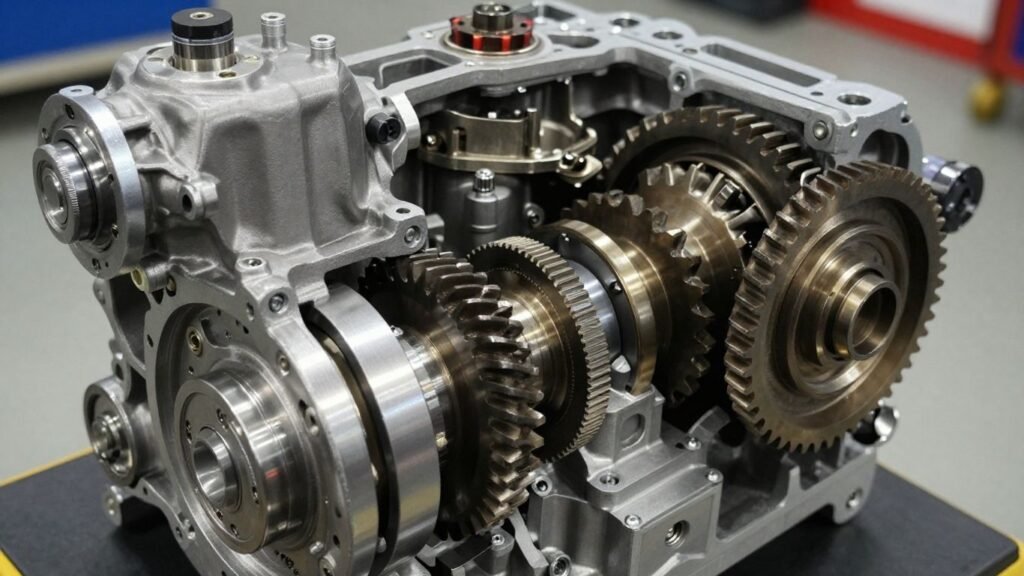
Looking for a Subaru gearbox supplier in South Australia? Whether you’re in Adelaide or Port Augusta, and whether your Subaru needs a CVT or a manual transmission, this guide is for you. We’ll cover the different types of transmissions Subaru offers, how to keep them running smoothly, and where to find the parts you need.
Key Takeaways
- Subaru offers both Continuously Variable Transmissions (CVTs) and manual gearboxes for its vehicles in South Australia.
- Proper and regular maintenance, especially fluid changes, is vital for the longevity of Subaru CVTs.
- Common CVT issues include valve body solenoid failures and front differential bearing problems, which can often be prevented with timely servicing.
- Manual transmission options, like the 6-speed gearbox, are available for certain Subaru models.
- When sourcing a Subaru gearbox in South Australia, consider specialist suppliers in areas like Adelaide and Port Augusta for both CVT and manual transmissions.
Subaru Automatic Gearbox Options In South Australia
When it comes to keeping your Subaru moving smoothly on South Australian roads, automatic transmissions are the most common choice. Subaru has primarily relied on Continuously Variable Transmissions (CVTs) for its automatic models for quite some time now. These aren’t your typical geared automatics; they use belts and pulleys to provide an infinite range of gear ratios. This setup is designed to keep the engine in its most efficient operating range, which can help with fuel economy.
Subaru CVT Transmissions: A Deep Dive
Subaru’s CVT technology has evolved over the years. Early versions might have felt a bit different to drive compared to traditional automatics, sometimes leading to a "rubber band" sensation. However, newer generations are much more refined. They often simulate "steps" like a regular automatic to provide a more familiar driving feel. The primary goal is always to match engine speed to vehicle speed as efficiently as possible. This means you might notice the engine revs staying relatively constant during acceleration, which is a hallmark of CVT operation.
Understanding Subaru’s Continuously Variable Transmission
So, how does a CVT actually work? Instead of fixed gears, it uses two variable-diameter pulleys connected by a belt or chain. One pulley is connected to the engine, and the other to the wheels. By changing the diameter of these pulleys, the transmission can alter the gear ratio continuously. This allows the engine to operate at its optimal RPM for whatever driving condition you’re in, whether it’s cruising on the highway or accelerating from a stop. It’s a clever system aimed at improving both performance and efficiency.
While CVTs offer benefits like fuel efficiency and a smooth driving experience, they do require specific maintenance. Ignoring these needs can lead to premature wear and costly repairs down the line. Regular fluid checks and changes are not just recommended; they’re vital for the long-term health of the transmission.
CVT Maintenance for Longevity
To get the most out of your Subaru’s CVT, regular maintenance is key. The transmission fluid is the lifeblood of the system, and it needs to be kept clean. Subaru recommends specific CVT fluid, and using the wrong type can cause damage. It’s also important to stick to the recommended service intervals for fluid changes. Some drivers opt for more frequent changes, especially if they do a lot of towing or drive in harsh conditions. Checking for leaks and listening for any unusual noises are also good habits to develop.
Manual Transmission Availability For Subaru Vehicles
Exploring 6-Speed Manual Gearboxes
While Subaru has leaned heavily into CVT technology for many of its newer models, the allure of a manual transmission hasn’t completely faded, especially for enthusiasts. For a while, Subaru offered a robust 6-speed manual gearbox in several of its performance-oriented vehicles. These transmissions provided a more engaging driving experience, allowing drivers to feel more connected to the road and the car’s mechanics. If you’re looking for that classic stick-shift feel, finding a Subaru with a 6-speed manual might mean looking at slightly older models or specific performance trims that prioritized driver involvement.
Manual Transmission Options for Subaru Models
When it comes to manual transmissions in Subarus available in South Australia, the options have become more limited over the years. Historically, models like the WRX and STI were synonymous with manual gearboxes, offering them as standard. However, even these performance icons have seen CVT variants introduced. For other models, like the Impreza or Forester, manual transmissions were often available on lower trims or specific generations.
It’s worth noting that finding a brand-new Subaru with a manual transmission can be a challenge today. Most manufacturers are phasing them out in favor of automatics and CVTs. If a manual is a must-have, you’ll likely be exploring the used market.
The availability of manual transmissions in Subaru vehicles has shifted significantly. While once a common feature, especially in performance models, they are now a rarer find. This means that for those seeking a manual gearbox, the pre-owned market is often the primary hunting ground.
Here’s a look at some manual transmission examples you might encounter:
| Model Year Range | Transmission Type | Engine | Notes |
|---|---|---|---|
| 2004–2005 | 6-Speed Manual | 3.0L H6 (EZ30) | Often found in Legacy models |
| Various | 5-Speed Manual | 2.5L EJ25 | Common in older Impreza, Forester, and Outback models |
Finding A Subaru Gearbox Supplier In South Australia
Subaru Transmission Specialists
When your Subaru needs a new transmission, whether it’s a CVT or a manual, finding a reliable supplier in South Australia is key. You don’t want just anyone working on such a complex part of your car. Look for shops that specifically mention Subaru transmissions in their services. These specialists often have a better understanding of the common issues and the specific parts needed for models like the Forester, Outback, or XV Crosstrek. They might also have access to better quality replacement parts, sometimes even direct from Japan (JDM), which can be a good option for older or less common models.
Sourcing Transmissions for Adelaide and Port Augusta
If you’re in Adelaide or Port Augusta, you’ve got a few avenues to explore. Online retailers are a big source for transmissions, often listing specific models and their compatibility. For example, you might find a 2012-2015 Forester CVT automatic transmission for around $1,149, or a 2012-2017 XV Crosstrek CVT AWD transmission for about $1,049. Older models, like a 2004-2005 Legacy 6-speed manual, could run closer to $1,799. It’s always a good idea to compare prices and check warranty information before making a purchase. Don’t forget to factor in shipping costs if you’re ordering from outside your immediate area.
Getting the right transmission is more than just picking a part number. It’s about ensuring it fits your specific vehicle year and model, and that it’s from a source you can trust. A little research now can save a lot of headaches later.
Here’s a quick look at some transmission types you might find:
| Vehicle Model | Transmission Type | Years | Approx. Price | Engine Size | Notes |
|---|---|---|---|---|---|
| Subaru Forester | CVT Automatic | 2012-2015 | $1,149 | 2.5L FB25 | JDM |
| Subaru XV Crosstrek | CVT AWD | 2012-2017 | $1,049 | 2.0L FB20 | JDM |
| Subaru Outback/Legacy | CVT Automatic | 2012-2016 | $1,400 | 2.5L FB25 | JDM |
| Subaru Legacy | 6-Speed Manual | 2004-2005 | $1,799 | 3.0L EZ30 H6 | JDM |
Specific Subaru Transmission Models And Fitment
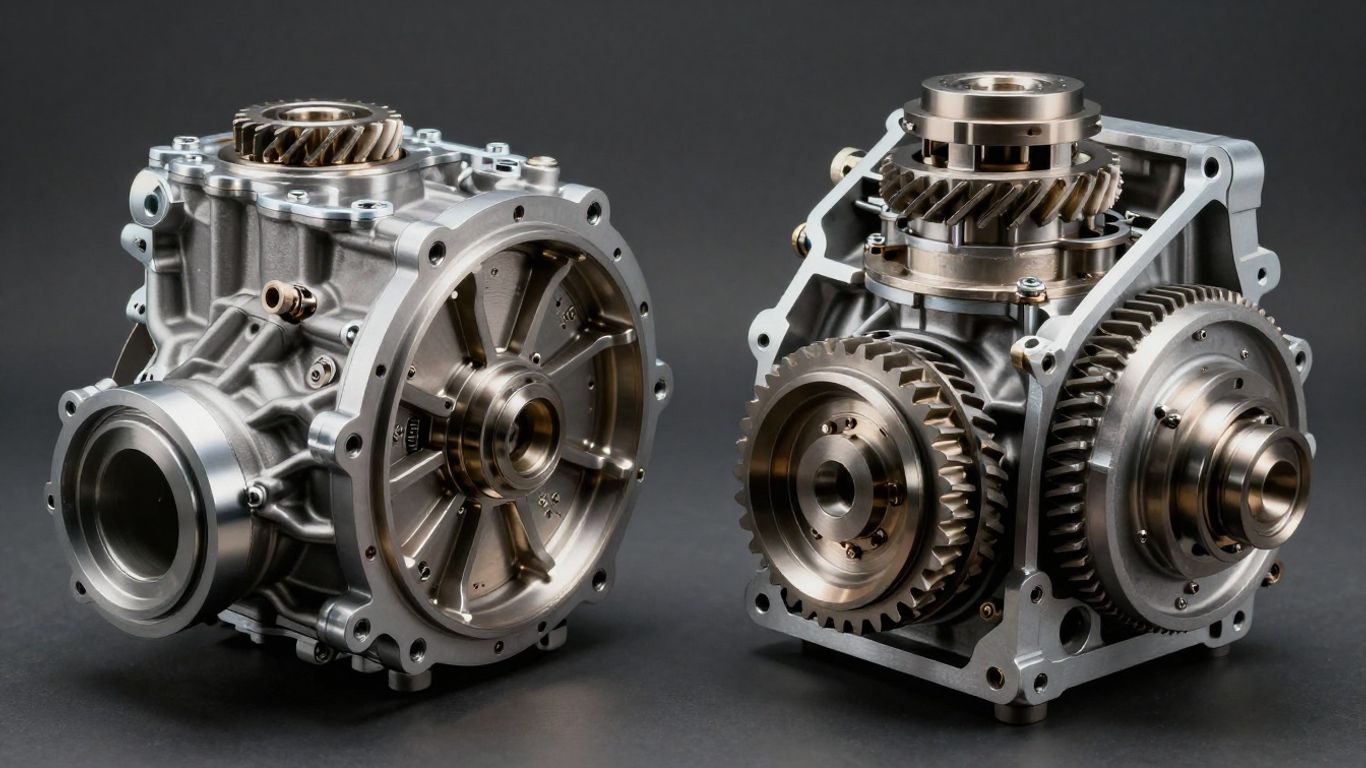
Forester CVT Automatic Transmission (2012-2015)
When you’re looking for a CVT for your 2012-2015 Subaru Forester, especially those with the 2.5L FB25 engine, you’ll find specific units designed for this generation. These transmissions are built to handle the demands of the Forester’s all-wheel-drive system and its typical use cases, which often involve a bit more than just city driving. Finding the right transmission means matching the model year and engine size precisely.
| Model Year Range | Engine Size | Transmission Type | Notes |
|---|---|---|---|
| 2012-2015 | 2.5L FB25 | CVT Automatic | Often referred to as JDM (Japanese Domestic Market) units for certain imports. |
It’s always a good idea to double-check the transmission’s identification numbers against your vehicle’s VIN to avoid any compatibility issues. Sometimes, even within the same model year, there can be slight variations.
XV Crosstrek CVT AWD Transmission (2012-2017)
For the Subaru XV Crosstrek models produced between 2012 and 2017, particularly those equipped with the 2.0L FB20 engine, the CVT transmissions are tailored for this crossover’s specific needs. These units are designed to work with the AWD system and provide that smooth, gearless acceleration the Crosstrek is known for. Compatibility here also hinges on the exact model year and engine.
| Model Year Range | Engine Size | Transmission Type | Notes |
|---|---|---|---|
| 2012-2017 | 2.0L FB20 | CVT AWD Automatic | JDM units are common for imported vehicles. |
Outback/Legacy CVT Automatic Transmission (2012-2016)
Subaru’s Outback and Legacy models from 2012 to 2016, especially those with the 2.5L FB25 engine, utilize specific CVT automatic transmissions. These transmissions are engineered to provide a comfortable ride and efficient performance suitable for both daily commuting and longer journeys. Ensuring the correct fitment is key to maintaining the vehicle’s performance and reliability.
| Model Year Range | Engine Size | Transmission Type | Notes |
|---|---|---|---|
| 2012-2016 | 2.5L FB25 | CVT Automatic | Look for units specified for Outback or Legacy models of these years. |
If you’re dealing with an older Subaru, like a 2004-2005 Legacy with the EZ30 3.0L H6 engine, you might be looking for a 6-speed manual transmission. These are less common now but were available for performance-oriented models of that era.
Common Subaru Transmission Issues And Solutions
Addressing Valve Body Solenoid Failures
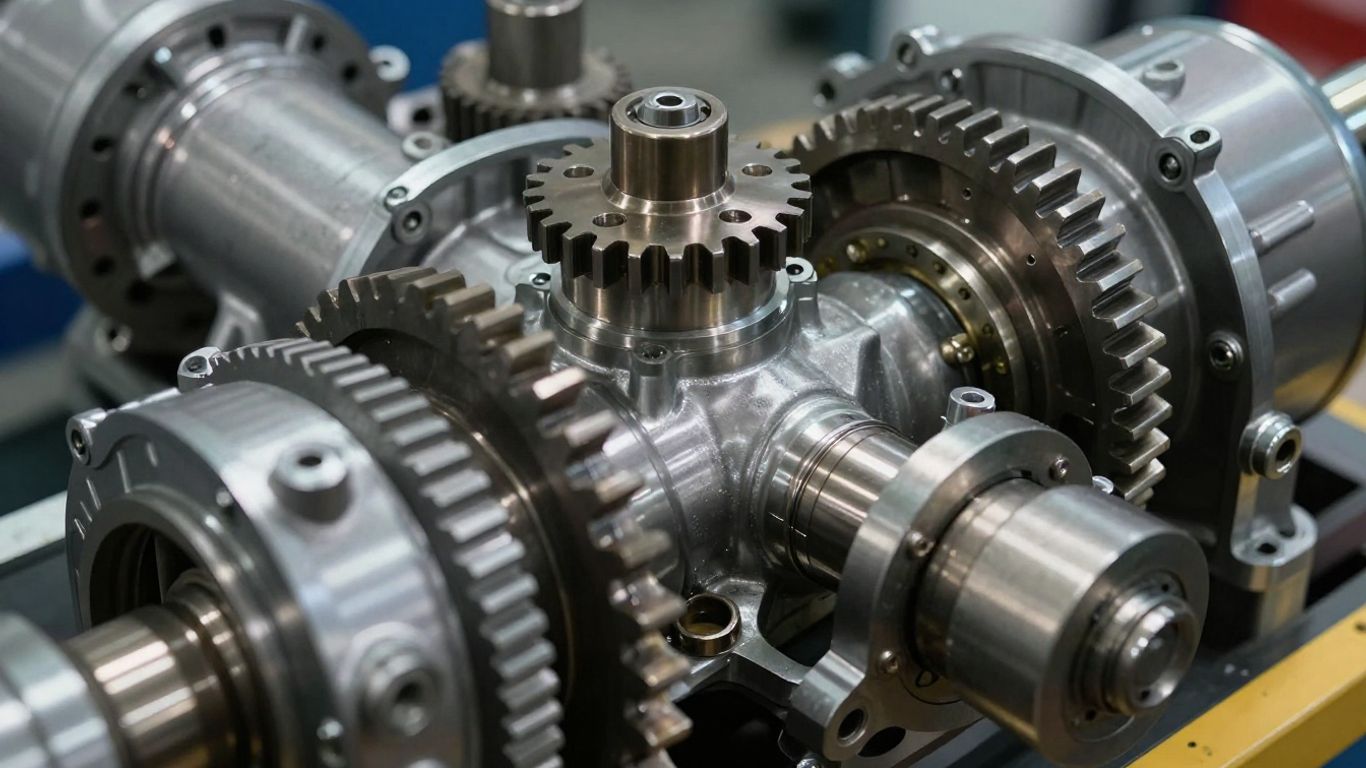
Subaru’s Continuously Variable Transmissions (CVTs) are generally pretty solid, but like any complex piece of machinery, they can run into problems. One issue that pops up is with the valve body solenoids. These little guys control the flow of transmission fluid, and when they start acting up, it can cause all sorts of shifting problems. Often, a failing solenoid means the whole valve body needs replacing. It’s not a cheap fix, but it’s usually less than a full transmission replacement. Getting this sorted quickly can save the rest of the transmission from further damage.
Preventing Front Differential Bearing Issues
Another thing to watch out for, though it’s less common, is the front differential bearings. In Subaru CVTs, the front differential is built right into the transmission housing. It uses its own gear oil, which is separate from the CVT fluid. The tricky part is that this gear oil often gets overlooked because there’s no dipstick to check it easily. Many people think it’s a sealed unit and never needs attention. However, neglecting this gear oil can lead to bearing failure. If this happens, the entire transmission needs to come apart to get to those bearings. At that point, it’s often more cost-effective to replace the whole transmission unit rather than trying to rebuild it. To help avoid this, it’s a good idea to have that differential gear oil changed out every 60,000 miles or so.
The Importance of Regular Fluid Changes
When Subaru first started using CVTs, they didn’t really have a recommended service interval for the fluid, calling it ‘lifetime’ fluid. Well, as it turns out, there’s no such thing as lifetime fluid. This lack of maintenance led to a lot of transmission failures back in the day. While Subaru now suggests checking the fluid every 30,000 miles, many mechanics recommend a full fluid exchange somewhere between 60,000 and 90,000 miles. Once transmission fluid gets past 100,000 miles, it can get burnt and start carrying debris. This gunk can clog up the valve body, messing with how the transmission shifts and operates.
Keeping up with fluid changes, both for the CVT fluid and the separate front differential gear oil, is probably the single best thing you can do to keep your Subaru’s transmission running smoothly for a long time. It might seem like a small thing, but it makes a big difference.
Wrapping It Up
So, whether you’re looking for a brand-new CVT or a solid manual gearbox for your Subaru, it’s clear there are options out there. We’ve seen how important regular maintenance is, especially for those CVTs, to keep them running smoothly for a long time. Don’t forget about the gear oil for the front differential, either. Taking care of these parts means your Subaru will keep performing the way it should. It’s all about giving your car the attention it needs to last.




