
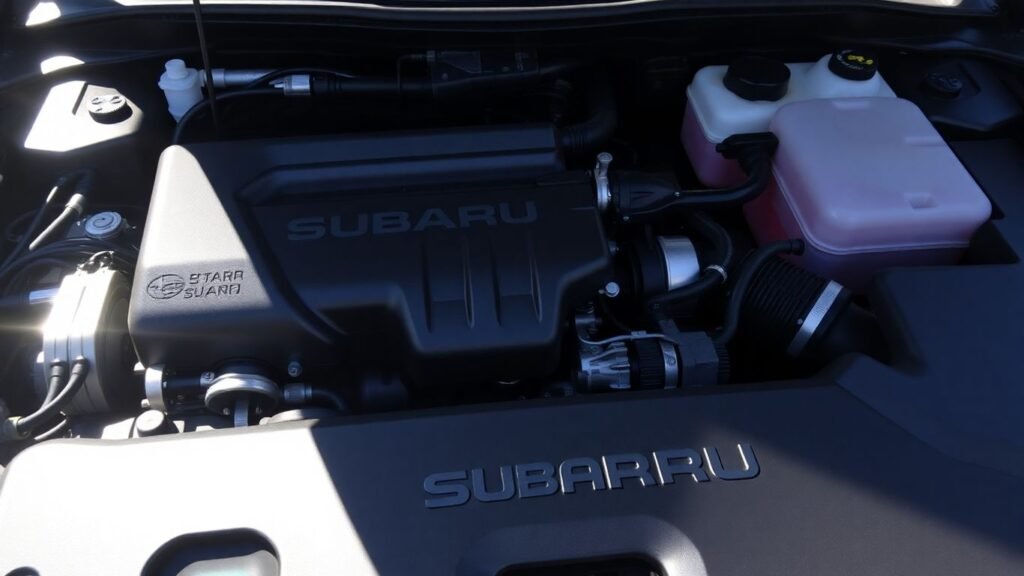
So, you’ve got a Subaru and you want to know how to extend Subaru engine life. It’s a solid car, right? Built tough for all sorts of adventures. But like anything, it needs a little TLC to keep running well for years. Whether you’re hitting the trails or just commuting, a few smart moves can make a big difference. Let’s talk about what really keeps these engines ticking.
Key Takeaways
- Sticking to your Subaru’s maintenance schedule, especially regular oil changes and fluid checks, is the number one way to keep the engine healthy.
- Driving gently – think smooth acceleration and braking – puts less stress on the engine and other parts, helping them last longer.
- Using genuine Subaru parts when you need repairs or replacements means they’ll fit right and work as intended, avoiding potential engine issues.
- Paying attention to fluid services like transmission and differential fluid changes is super important, especially as your Subaru gets older.
- Don’t ignore warning lights on your dashboard; they’re your car’s way of telling you something needs attention before it becomes a major engine problem.
Adhering To Your Subaru’s Maintenance Schedule
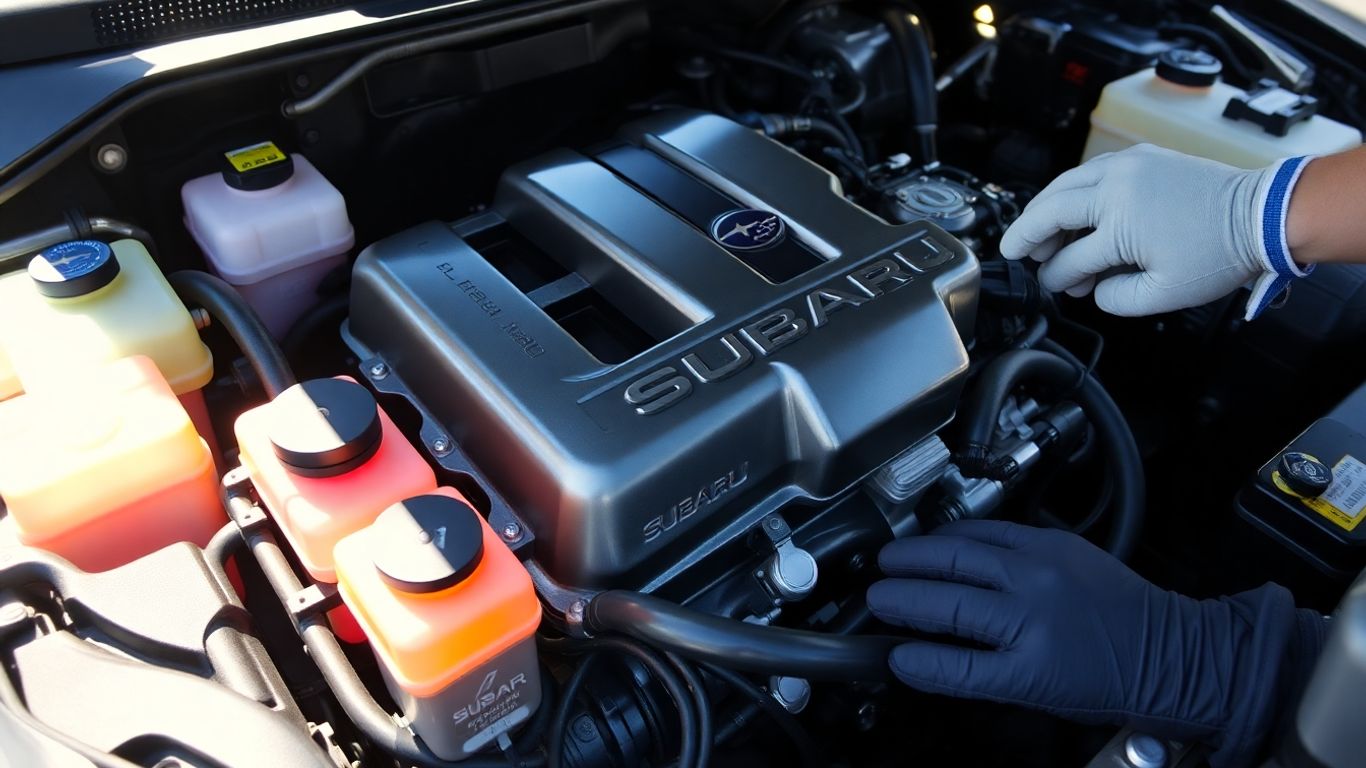
Think of your Subaru’s maintenance schedule like a doctor’s appointment for your car. It’s not just about fixing things when they break; it’s about keeping everything running smoothly and catching little problems before they turn into big, expensive headaches. Subaru puts these schedules in place for a reason, and following them is probably the single best thing you can do to keep your engine healthy for the long haul.
Routine Oil and Filter Changes
This is the bread and butter of car maintenance. Your engine oil does a lot – it lubricates moving parts, cleans out gunk, and helps with cooling. Over time, though, that oil gets dirty and breaks down. Changing it and the oil filter regularly, usually every 6,000 miles or six months, is super important. It keeps your engine parts from grinding against each other and helps prevent sludge buildup. Clean oil means a happier engine.
Fluid Top-Offs and Replacements
Your Subaru uses a bunch of different fluids, and they all have jobs to do. We’re talking about coolant to keep the engine from overheating, brake fluid for stopping power, power steering fluid for easy steering, and transmission fluid for smooth gear changes. These fluids can get old, dirty, or just low. Checking them regularly and topping them off or replacing them as needed, according to your owner’s manual, keeps all these systems working right. Ignoring them can lead to some serious issues, like a transmission that starts acting up or an engine that overheats on a hot day.
Timing Belt and Chain Inspections
This one is a bit more serious. Most Subarus use a timing belt or a timing chain to keep the engine’s valves and pistons in sync. If a timing belt snaps, it can cause catastrophic engine damage – think thousands of dollars in repairs. Subaru recommends inspecting or replacing the timing belt at specific mileage intervals, often around 100,000 miles, though it varies by model. Timing chains generally last longer but still need checking. It’s a job you don’t want to skip.
Skipping scheduled maintenance might seem like you’re saving money in the short term, but it almost always leads to more costly repairs down the road. Think of it as an investment in your car’s future.
Driving Habits That Preserve Your Subaru
Gentle Acceleration and Braking
How you handle the pedals makes a big difference over time. When you start your Subaru, especially when it’s cold, give the engine a little time to warm up before you really push it. Slamming on the gas right away puts a lot of stress on the engine and drivetrain. It’s better to ease into it. Think of it like waking up in the morning – you don’t jump out of bed and sprint a marathon, right? Your car’s engine is similar. Smooth, gradual acceleration helps everything get up to temperature and lubricated properly before it has to work hard.
Similarly, when you’re slowing down, try to anticipate stops. Instead of waiting until the last second and mashing the brakes, ease off the gas and let the car slow down naturally. This reduces wear on your brake pads and rotors. It also puts less strain on the transmission and other components. Consistent, gentle driving is the name of the game for a long-lasting Subaru.
The way you drive directly impacts how long your engine and other parts last. Being mindful of your pedal inputs can save you a lot of money on repairs down the road.
Avoiding Road Hazards
We all know that potholes and rough roads can be a pain. Hitting one hard can do more than just jolt you; it can damage your tires, wheels, suspension, and even the exhaust system. When you see a pothole or a rough patch ahead, try to steer around it if it’s safe to do so. If you can’t avoid it, try to slow down as much as possible before you hit it. This lessens the impact. It’s not just about comfort; it’s about protecting your Subaru from unnecessary wear and tear. Think about those times you’ve heard a loud thud after hitting something – that’s your car taking a hit.
Consistent, Smooth Operation
Beyond just acceleration and braking, the overall way you operate your vehicle matters. Try to avoid excessive speeding, especially for long periods. High speeds mean the engine is working harder and generating more heat, which can lead to faster wear. Also, try not to lug the engine by staying in too high a gear at low speeds. This makes the engine work harder than it needs to. Keeping your RPMs in a reasonable range, generally between 2,000 and 4,000 for most driving, is a good practice. This allows the engine to operate efficiently without being overly stressed. It’s about finding that sweet spot where the car is moving along nicely without feeling strained.
The Importance of Genuine Subaru Parts
Ensuring Proper Fit and Reliability
When it comes to keeping your Subaru running the way it was designed, using genuine Subaru parts is a really big deal. Think about it – these are the exact same components that went into your car when it was first built. They’re made to fit perfectly and work together with all the other systems in your Subaru. Using aftermarket parts, even if they seem similar, can sometimes lead to fitment issues or not performing quite right. This can put extra stress on other parts of your engine or drivetrain, potentially leading to more problems down the road. Sticking with genuine parts means you’re trusting the engineers who designed your car to know what’s best for it.
Maintaining Vehicle Warranty and Resale Value
This one’s pretty straightforward. If your Subaru is still under warranty, using anything other than genuine Subaru parts for repairs could actually void certain parts of that warranty. That’s a risk nobody wants to take. Beyond that, when it comes time to sell your Subaru, a history of using genuine parts can be a real selling point. It shows you’ve taken good care of the vehicle and used quality components, which can make it more attractive to potential buyers and help you get a better price.
Performance as Intended by Engineers
Subaru engineers spend a lot of time figuring out how all the pieces of your car should work together. They select specific materials, tolerances, and designs for each part to achieve a certain level of performance, efficiency, and durability. When you replace a part with a genuine Subaru component, you’re putting back exactly what they intended. This helps your car maintain that signature Subaru handling, engine responsiveness, and overall driving feel that you probably bought it for in the first place. It’s about keeping your Subaru performing exactly as it was meant to, mile after mile.
Addressing High-Mileage Subaru Concerns
So, your Subaru has seen some miles. Maybe it’s crossed the 100,000 mark, or perhaps you’re pushing towards 200,000. That’s fantastic! High-mileage Subarus are known for their staying power, but reaching those big numbers means a shift in how you care for your vehicle. It’s not about fixing problems as they arise anymore; it’s about being smart and proactive to keep things running smoothly.
Understanding the 100,000-Mile Service Milestones
Once your Subaru hits six figures, certain components that were once considered "lifetime" start needing attention. Think of it like this: your engine and transmission have worked hard, and now some seals might start to get a little tired. This is the time to really pay attention to things like the timing belt or chain, spark plugs, and ignition coils. If your model has a timing belt, replacing it around the 100,000-mile mark is non-negotiable. Ignoring it can lead to catastrophic engine failure, which is way more expensive than a belt replacement. For models with a timing chain, regular inspections are still key.
Proactive Maintenance for Aging Components
As your Subaru racks up the miles, you might notice a few things changing. Some older Subarus can start to consume a bit more oil between changes. A quart every 1,000 to 1,500 miles isn’t necessarily a red flag for engines with over 150,000 miles, but it’s something to monitor. Keep a quart of oil in your trunk just in case. If consumption jumps significantly, it’s worth getting it checked out. Also, keep an ear out for your exhaust system. Rust can become an issue, especially if you live in an area with road salt. Listen for any ticking or hissing sounds, which could mean leaks. A failing catalytic converter can also cause power loss and trigger a check engine light.
Taking care of your high-mileage Subaru is an investment. You’ve already paid off the car, so spending a bit on preventive maintenance now is far cheaper than dealing with major breakdowns or buying a new car. It’s about keeping your reliable companion on the road for many more adventures.
The Value of Investing in Preventive Care
When you’re dealing with a car that has a lot of miles on it, the question often comes up: repair or replace? For a Subaru that’s been well-maintained, investing in repairs often makes a lot of sense. If the rest of the car is in good shape and you’ve kept up with regular service, fixing a worn-out part is usually much more economical than taking on a new car payment. It’s about looking at the overall condition of your vehicle and the cost of the repair versus the remaining lifespan you can expect from it with proper care. Don’t forget about suspension components either; replacing worn parts can make your Subaru feel like new again.
Key Fluid Services for Longevity
Think of all the fluids in your Subaru like its lifeblood. They keep things moving smoothly, prevent parts from grinding against each other, and help manage heat. Over time, though, these fluids get dirty, lose their effectiveness, and can even start to cause problems if they’re not changed out.
Transmission Fluid Changes for Smooth Shifting
Your Subaru’s transmission, whether it’s a traditional automatic or a Continuously Variable Transmission (CVT), relies heavily on clean fluid. This fluid lubricates gears, cools components, and helps with shifting. Subaru used to say some fluids were ‘lifetime,’ but most mechanics now agree that changing the transmission fluid is a good idea, especially as the miles add up. For CVTs, Subaru has updated recommendations, often suggesting a change around every 60,000 miles for normal driving, and sooner if you do a lot of stop-and-go driving or towing. Ignoring transmission fluid can lead to rough shifting, delays, or even costly transmission failure.
Differential Fluid Maintenance
Your Subaru has front and rear differentials that help your wheels turn at different speeds, especially when you’re cornering. These also need their own special fluid. This fluid can get worn out from heat and friction, particularly if you drive on rough roads or in heavy traffic. Changing this fluid every 30,000 to 60,000 miles helps keep these parts working right and can prevent noises like whining or howling. It’s a service that’s often skipped, but it’s pretty important for the drivetrain.
Coolant System Flushes for Optimal Temperature
Keeping your engine at the right temperature is job number one for the cooling system, and that means fresh coolant. Over time, coolant can become acidic and lose its ability to stop rust and corrosion inside your radiator, water pump, and other parts. A coolant flush, usually done every 60,000 miles or so, replaces the old, tired fluid with a fresh batch. This helps prevent overheating and protects the cooling system components from damage. Make sure to use the specific type of coolant your Subaru needs – they aren’t all the same.
Keeping up with these fluid services might seem like just another item on a long list, but they are genuinely important for preventing bigger, more expensive problems down the road. Fresh fluids mean less wear and tear on critical components, helping your Subaru run better for longer.
Protecting Your Subaru from Environmental Factors
Your Subaru is built tough, ready for adventure, but even the most resilient machine can be worn down by the elements. Think about the salt sprayed on roads in winter, the intense sun beating down in summer, or even just the general grime that accumulates. These things can really take a toll if you’re not careful.
Rust Prevention and Undercarriage Care
Salt, whether from winter roads or coastal air, is a major enemy of metal. It eats away at your car’s undercarriage, suspension parts, and exhaust system. It’s a good idea to wash your Subaru regularly, and don’t forget to get underneath it, especially after driving in salty conditions. Look for any signs of rust, particularly on those metal bits that are always exposed to the road. If you catch a bit of surface rust, don’t panic. Sometimes a good cleaning is all it needs. For more persistent rust, consider getting an undercoating or rustproofing treatment. It’s way cheaper to deal with it early than to let it turn into a big structural problem down the road.
Keeping the underside of your Subaru clean and treated can add years to its life, preventing costly repairs down the line.
Weather-Resistant Tire Choices
While not directly an engine component, your tires are your Subaru’s connection to the road, and their condition matters. For areas with varied weather, all-season tires are a decent compromise. However, if you deal with significant snow or ice, dedicated winter tires make a huge difference in safety and can reduce wear and tear on your drivetrain by providing better grip. Conversely, in very hot climates, ensuring your tires are properly inflated and in good condition helps manage heat buildup. Always check your tire pressure regularly; it affects everything from fuel economy to handling.
Washing Off Road Salt
This one is pretty straightforward but often overlooked. If you live in a place that uses road salt during the winter months, washing your car frequently is non-negotiable. The salt doesn’t just sit on the paint; it gets into every nook and cranny, especially under the car. A quick rinse at a car wash that includes an undercarriage spray can do wonders. If you can’t get to a car wash, even a good hose-down in your driveway helps. The goal is to remove that corrosive salt as soon as possible to stop it from causing damage. It might seem like a small thing, but it really adds up over time.
Recognizing and Responding to Warning Signs
Your Subaru is pretty smart these days, packed with systems that monitor its health. When something’s not quite right, it’ll usually let you know. The trick is to pay attention and not just hope the problem goes away on its own. Ignoring a small issue can turn into a really big, expensive headache down the road.
Don’t Ignore Dashboard Indicator Lights
That little light on your dashboard isn’t just for decoration. Whether it’s the dreaded ‘Check Engine’ light, a low oil pressure warning, or something else entirely, it’s your car’s way of saying, "Hey, I need attention!" The sooner you get it checked out, the better your chances of avoiding major damage. Sometimes it’s a simple fix, like a loose gas cap, but other times it could signal something more serious that needs immediate attention. Don’t guess; get it diagnosed.
Diagnosing Exhaust System Issues
Your exhaust system does more than just quiet down engine noise; it also helps manage emissions. If you start hearing unusual noises like rattling, hissing, or a louder-than-normal rumble, it’s worth investigating. These sounds could point to leaks, a failing catalytic converter, or other problems. You might also notice a change in your car’s performance or a decrease in fuel economy. Sometimes, you can even smell exhaust fumes inside the cabin, which is a definite sign something’s wrong and needs looking at right away.
Monitoring Oil Consumption
It’s normal for engines to use a little bit of oil over time, but if you notice you’re having to add oil much more frequently than before, it’s a warning sign. This could mean there’s an internal engine issue, like worn piston rings or seals, or perhaps an oil leak. Keep an eye on your oil level between changes, and if you’re topping it off constantly, it’s time to have a mechanic take a look. Ignoring excessive oil consumption can lead to serious engine damage from lack of lubrication.
Paying attention to these signals isn’t about being paranoid; it’s about being a smart car owner. A little bit of vigilance can save you a lot of money and keep your Subaru running reliably for many more miles.
Keep Your Subaru Rolling for Miles to Come
So, there you have it. Taking care of your Subaru, especially as it racks up the miles, isn’t some big mystery. It really just boils down to paying attention. Sticking to the maintenance schedule, being mindful of how you drive, and not putting off those little fixes when a warning light pops up – these are the things that make a real difference. Think of it like this: a little effort now saves you a lot of headaches and cash down the road. Your Subaru is a tough car, built for adventure, but even the toughest need a bit of TLC to keep going strong. Keep up with the basics, and you’ll be enjoying your Subaru for many more years and countless miles.




