
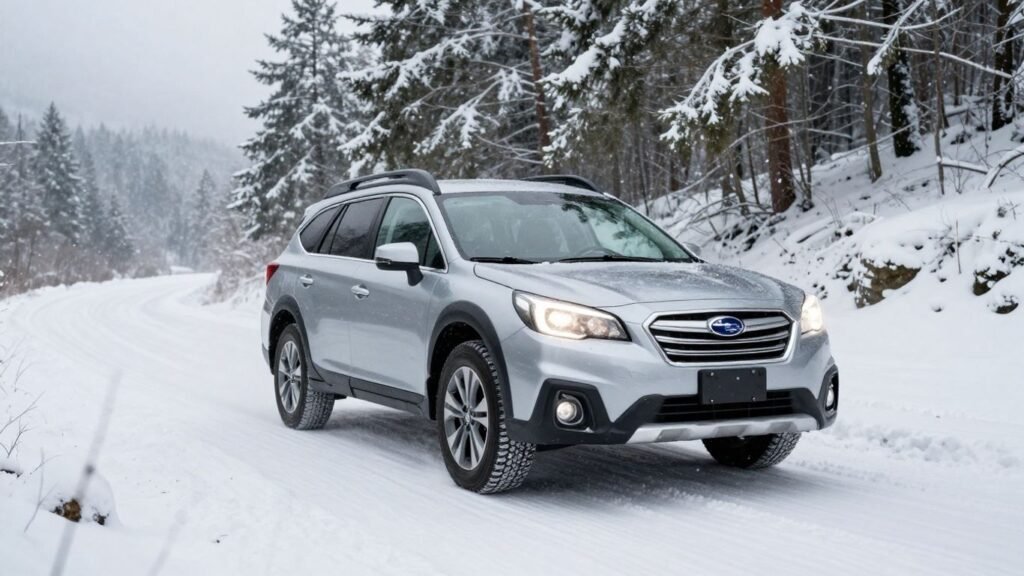
Winter driving in your Subaru can be a breeze if you know a few tricks. It’s not just about having all-wheel drive, though that certainly helps. This article is packed with Subaru winter driving and maintenance tips to help you stay safe and keep your car running smoothly when the snow starts falling. We’ll cover everything from how to handle slippery roads to what you should have in your car, just in case.
Key Takeaways
- When driving on snow or ice, keep your speed low, usually under 45 mph, and avoid sudden acceleration or braking. Gentle inputs are key.
- Understand how your Subaru handles understeer (front tires lose grip) and oversteer (rear tires lose grip) by easing off the gas and steering smoothly.
- Before hitting the road, make sure your Subaru is prepped for winter with checks on tires, fluids, and the cooling system. Following the 30-60-90 day maintenance rule can help.
- Pack a winter emergency kit with essentials like blankets, food, water, a first-aid kit, jumper cables, and a flashlight. Also, pack smart using the 54321 rule for clothes.
- Subaru’s Symmetrical All-Wheel Drive is great for Missouri winters, offering better traction than many 4WD systems for everyday snowy conditions.
Essential Subaru Winter Driving Techniques
Driving your Subaru in the snow can feel pretty different from a sunny day, even with its all-wheel-drive system. It’s all about adjusting how you handle the car.
Mastering Speed and Control on Snowy Roads
First things first, slow down. Seriously. On icy roads, you shouldn’t be going faster than 45 mph, and often, much slower is better. This gives you more time to react if you hit a slick spot. When you accelerate or brake, do it gently. Slamming on the brakes or flooring the gas can make your tires spin, and that’s how you lose control. Subaru’s Anti-lock Braking System (ABS) is there to help, but it works best when you apply steady pressure, not sudden jabs. Start braking earlier than you think you need to, especially before turns. It’s a small change, but it makes a big difference.
Black ice is sneaky. It looks like a wet road but it’s actually a thin layer of ice. You’ll often find it in shady spots or on bridges. If you hit it, don’t panic. Keep your steering smooth and try to steer gently in the direction you’re sliding. Avoid any jerky movements.
Understanding and Reacting to Understeer and Oversteer
Sometimes, your car might not turn the way you want it to. That’s understeer – the front tires lose grip, and your car wants to go straight even though you’re turning the wheel. If this happens, ease off the gas and ease up on the steering a bit. The opposite is oversteer, where the back end of your car slides out. For this, you want to keep your steering steady and avoid messing with the gas pedal too much. Subaru’s all-wheel drive helps a lot with both of these, but knowing what’s happening can help you correct it faster.
Safe Techniques for Getting Unstuck
If you do get stuck in the snow, don’t just keep spinning your wheels. That can make things worse and even overheat your engine. Try rocking the car. Turn your steering wheel left and right to clear snow from the front tires. Then, gently shift between reverse and drive, applying a little gas each time to build up a bit of momentum. It’s like a gentle push-and-pull. If your car has an Electronic Stability Control (ESC) system, it’s a good idea to turn it off before you try this. If rocking doesn’t work after a few tries, it’s probably time to call for a tow. No sense in risking damage to your Subaru.
Preparing Your Subaru for Winter Conditions
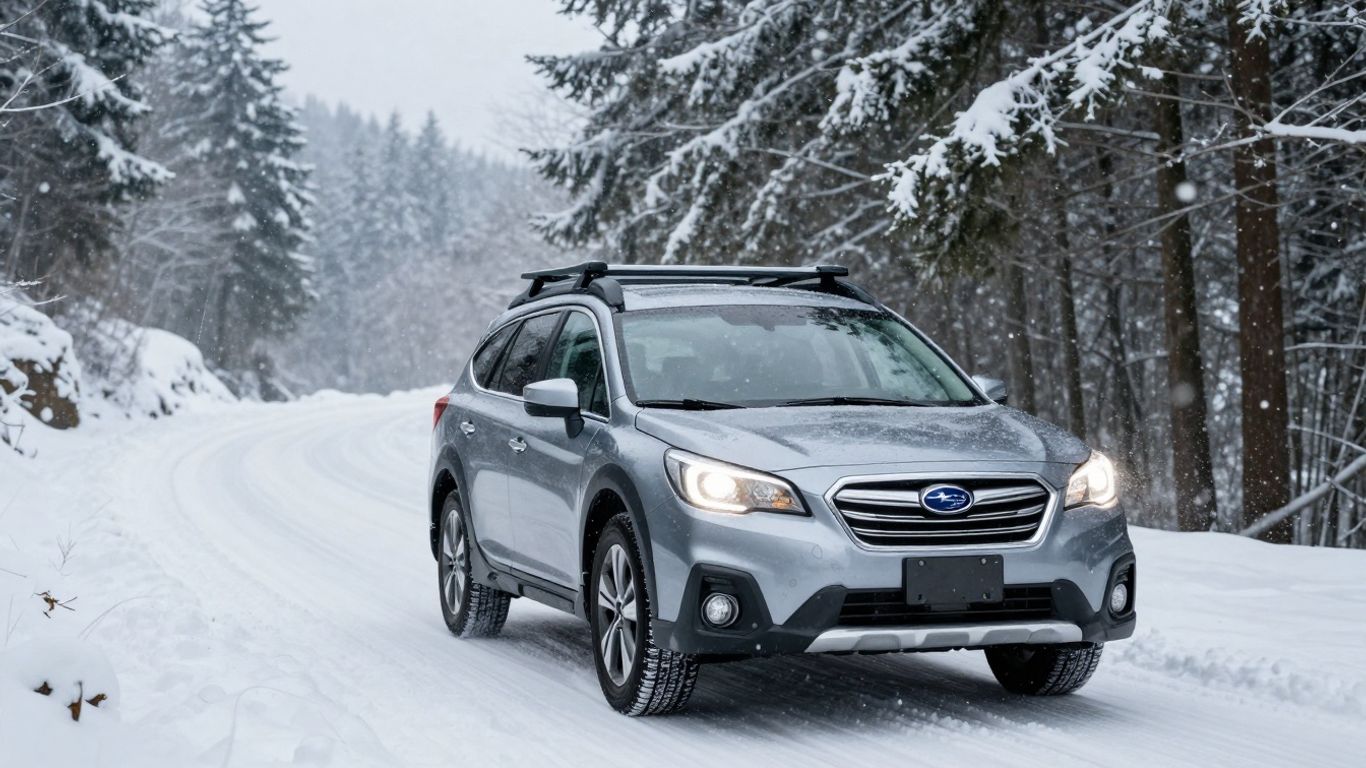
Getting your Subaru ready for winter isn’t just about throwing on some snow tires. It’s a good idea to think about a few key maintenance points before the real cold hits. This helps make sure your car runs smoothly and safely when the temperatures drop and the roads get slick.
Key Maintenance Milestones: The 30-60-90 Rule
Think of the 30-60-90 rule as a helpful guide for keeping up with your Subaru’s needs. It breaks down important service checks based on mileage, which is super useful for winter prep. Around the 30,000-mile mark, you’ll want to make sure your oil and filters are fresh, tires are rotated, and all your fluids are topped off. This keeps the engine running well and your tires gripping the road. As you get closer to 60,000 miles, it’s time for a more thorough look at things like your brakes, transmission fluid, and coolant. Replacing spark plugs and checking belts and hoses are also smart moves here. These services help your Subaru handle the extra strain that winter weather puts on it.
Ensuring Optimal Cooling System Performance
Your cooling system does more than just keep your engine from overheating in the summer. In the winter, it’s just as important for preventing your engine block from freezing. You need to check your coolant level and make sure it’s the right type for cold weather – one that won’t freeze up. A coolant flush might be in order if it’s been a while, as old coolant can lose its protective properties. A properly working cooling system means your engine stays at the right temperature, no matter how cold it gets outside.
Checking Tire Tread and Fluid Levels
This might seem obvious, but it’s worth repeating. Your tires are your Subaru’s only contact with the road, so good tread is non-negotiable in winter. Look for at least 4/32nds of an inch of tread depth. If it’s looking a bit worn, it’s time for new tires. Also, don’t forget your fluids. Windshield washer fluid needs to be rated for freezing temperatures so you can actually clear your view. Antifreeze, as mentioned, is key for the cooling system. Checking these simple things can make a big difference when you’re out on the road.
Winter driving can be unpredictable. Having your Subaru properly maintained before the season starts means you’re less likely to run into unexpected problems when you’re far from home or stuck in bad weather.
Packing and Safety for Winter Road Trips
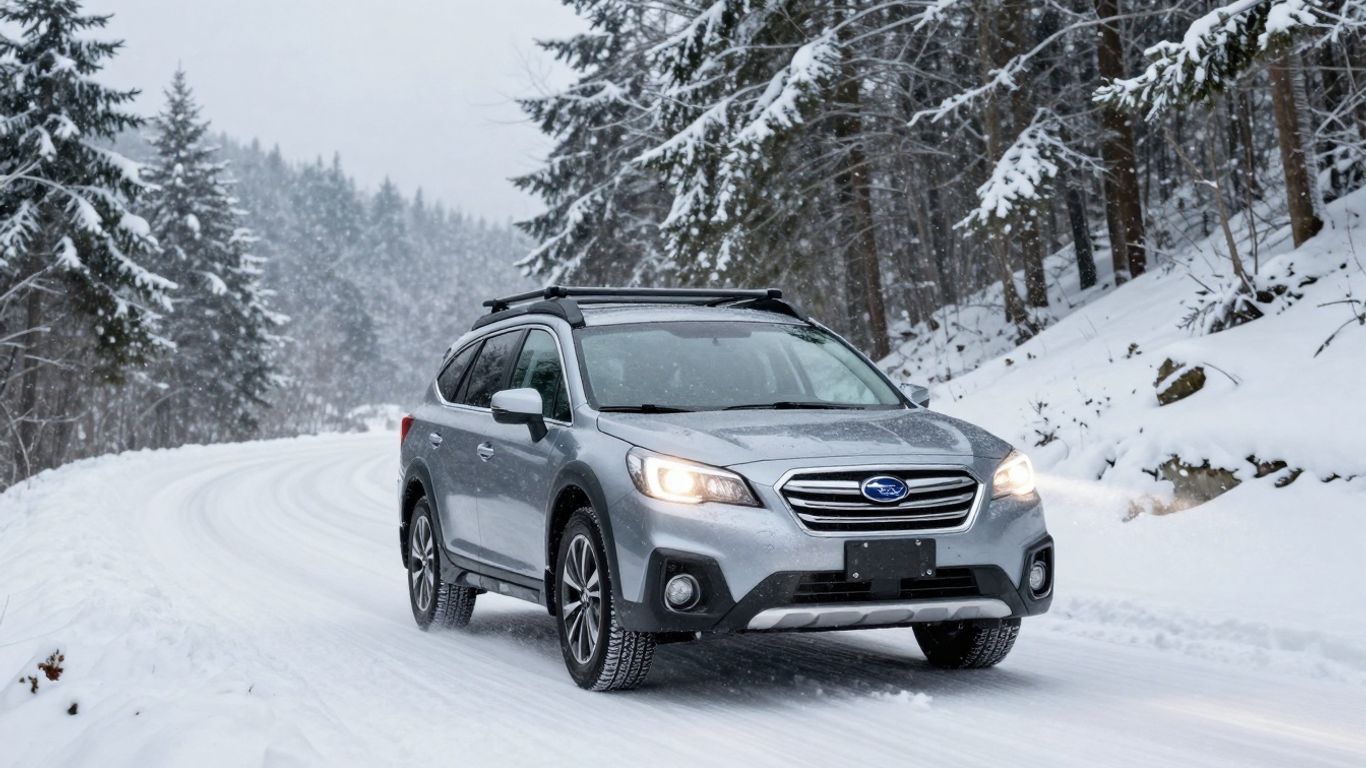
Getting ready for a winter road trip in your Subaru means thinking beyond just packing your suitcase. It’s about making sure you and your vehicle are prepared for whatever the weather throws at you. Being prepared can turn a potential disaster into a minor inconvenience.
The 5 P’s of Winter Weather Preparedness
When you’re heading out, it’s not just about you and your car. You need to consider a few other things to stay safe and sound. Think about protecting people, of course – make sure everyone has warm clothes and the car’s heater is working. If you bring pets, they need blankets and water too, and never leave them alone in a cold car. Don’t forget about plants; cover them up or bring them inside if they’re sensitive to the cold. If you’re gone for a while, check that your home’s pipes are insulated so they don’t freeze. Lastly, practice fire safety; carry a small extinguisher and avoid open flames where you shouldn’t.
Being ready for winter travel involves more than just your vehicle. It’s about safeguarding all parts of your surroundings and your companions. This means checking that everyone has warm gear, pets are looked after, and your home is protected from the cold.
Efficient Packing with the 54321 Rule
Packing smart can make a big difference, especially when space is tight. The 54321 rule is a simple way to organize your gear. It suggests packing five sets of clothing items, four pieces of footwear, three accessories, two books or entertainment items, and one essential bag. This method helps you avoid overpacking while still having what you need.
Assembling Your Winter Emergency Kit
Your emergency kit is your lifeline if you get stuck. Make sure it includes jumper cables, a flashlight with extra batteries, and warning devices like flares. A well-stocked first-aid kit is a must. Don’t forget warm blankets and extra clothing, even if you think you won’t need them. A charged cell phone and a portable charger are vital for communication. Pack some non-perishable food and water, and definitely include a shovel and an ice scraper. Having these items readily accessible in your Subaru can make a world of difference.
Understanding Subaru’s Drivetrain for Winter
When winter hits, knowing what’s happening under your Subaru can make a big difference. Most Subarus come standard with Symmetrical All-Wheel Drive (AWD). This system is pretty smart, sending power to all four wheels all the time. It’s designed to adjust power distribution automatically, which is great for slippery roads because it helps keep you moving forward without you having to do much. It’s not like some older 4WD systems that you have to manually engage or that only send power to two wheels most of the time.
AWD vs. 4WD: Which is Best for Missouri Winters?
For most driving around Missouri during winter, Subaru’s AWD is the way to go. It handles typical snowy streets and highways really well. It’s always on, always working to give you grip. Traditional 4WD systems, often found in bigger trucks or SUVs, are usually better for really deep snow or off-roading. They can be less fuel-efficient and sometimes require you to switch them on and off. For everyday commuting or trips to the grocery store, AWD is generally more practical and just as capable on slick roads.
| Drivetrain Type | Best For |
|---|---|
| Subaru AWD | Everyday snow, ice, wet roads, highways |
| Traditional 4WD | Deep snow, off-road, extreme conditions |
Leveraging Subaru’s Symmetrical All-Wheel Drive
Subaru’s Symmetrical AWD is a big part of why these cars handle winter so well. The ‘symmetrical’ part means the layout of the drivetrain is balanced, with the engine and transmission mounted in a way that keeps things centered. This balance, combined with power going to all wheels, helps with stability. When a wheel starts to slip, the system can send more power to the wheels that still have grip. It’s not about brute force; it’s about smart power distribution. This system works hand-in-hand with features like traction control to keep you on track.
While AWD is a huge help, remember that it’s not magic. Your tires are still the only thing connecting you to the road. Good winter tires make a massive difference, even with AWD.
Some Subaru models also have X-Mode. This is a special setting that further optimizes the AWD system, engine, and transmission for low-traction situations like snow or mud. It’s like giving your Subaru an extra boost of confidence when things get really slick. You can usually find a button for it on the center console. It’s worth trying out if you find yourself on less-traveled, snow-covered roads.
Enhancing Visibility and Comfort in Winter
Utilizing Headlights and Visibility Features
Driving in winter means dealing with less daylight and often, poor weather conditions like snow or fog. Making sure you can see and be seen is a big deal. Your Subaru has a few things to help with this. First off, know your headlights. High beams are great for empty roads, but remember to switch to low beams when you see oncoming traffic or are following someone. This isn’t just about being polite; it stops you from blinding other drivers. Many Subarus also have fog lights. These are mounted lower on the car and shine a wide, flat beam that cuts under fog and mist, helping you see the road surface better. Use them when visibility is really bad, but turn them off when it clears up so you don’t bother others.
Ensuring Optimal Heating and Passenger Comfort
Nobody likes being cold, especially when you’re stuck in traffic or on a long drive. Your Subaru’s heating system is your best friend in winter. Make sure it’s working right before the cold really hits. Test the defroster to make sure it blows warm air onto the windshield and side windows quickly. This is super important for clearing fog that builds up inside the car. That fog happens because the warm, moist air inside your car hits the cold glass. The air conditioning system actually helps with defrosting by drying out the air. So, even when you’re using heat, engaging the AC briefly can help clear the windows faster. Keep your cabin clean, too. Dust and grime on the inside of your windows can make fogging worse. A quick wipe-down with a glass cleaner can make a surprising difference.
Keeping your windshield clean, both inside and out, is more than just about looking good. It’s about safety. Smudges and grime can catch light in ways that make it hard to see, especially when dealing with glare from snow or other cars. A clean windshield means a clearer view of the road ahead, which is what you need when conditions are tough.
| Feature | Recommendation |
|———————-|——————————————————————————–|——————————————————————————–|
| Wiper Blades | Install winter-specific blades; they have a rubber boot to prevent freezing. |
| Washer Fluid | Use fluid rated for at least -20°F; fill the reservoir completely. |
| Windshield Condition | Repair chips and cracks before winter; they can spread quickly in the cold. |
| Defrost System | Test that it blows hot air effectively and that the AC engages with it. |
| Interior Glass | Clean regularly to prevent fogging caused by interior moisture and residue. |
Ready for Winter’s Grip
So, there you have it. Getting your Subaru ready for winter isn’t just about throwing on some snow tires and hoping for the best. It’s about taking a little time to check things over, understand how your car handles when things get slick, and making sure you’ve got the right stuff packed just in case. Whether you’re heading out for a quick trip to the store or a longer adventure, a little preparation goes a long way. Stay safe out there, keep an eye on the road, and enjoy the ride, no matter what the weather throws at you.




