
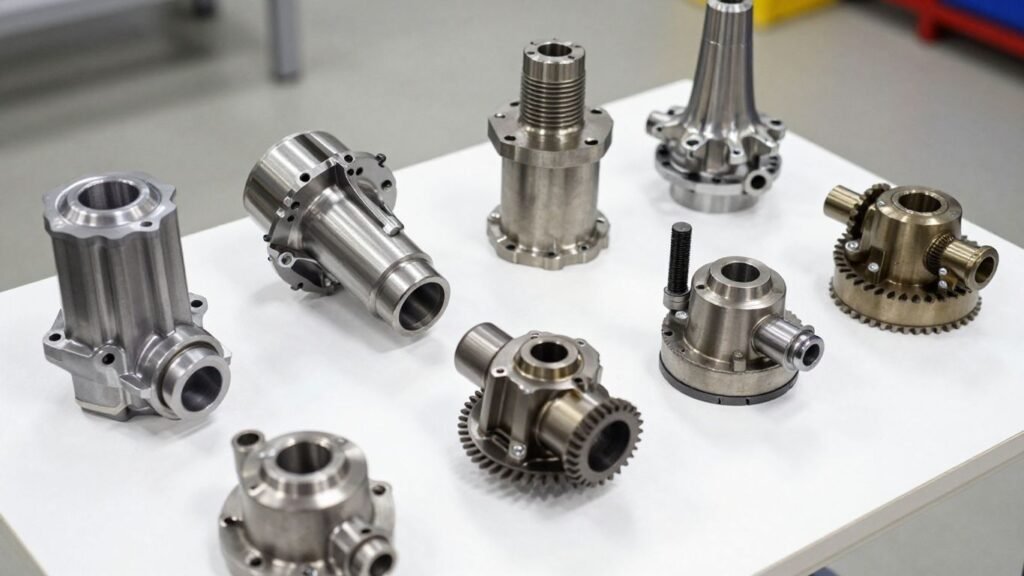
If you’re looking for used Subaru differentials in Blacktown, you’re definitely not alone. Plenty of Subaru owners around here want to keep their cars running without breaking the bank. Whether your differential is making weird noises or you just want a spare, finding a solid used part can save you a lot of money compared to buying new. Blacktown has a bunch of options, from local dealers to online sellers, and knowing where to look—and what to look for—can make the whole process a lot less stressful.
Key Takeaways
- Used Subaru differentials in Blacktown can be found through local dealers, specialist Subaru suppliers, and online marketplaces.
- Checking the condition, mileage, and service history of a used differential is important before buying.
- Prices for used Subaru differentials in Blacktown depend on the model, year, and the part’s overall condition.
- Professional installation by an experienced Subaru mechanic is recommended for best results.
- Regular maintenance and fluid checks can help your Subaru’s differential last longer and perform better.
Finding Used Subaru Differentials in Blacktown
Why Choose Used Subaru Differentials?
When your Subaru’s differential needs attention, you’ve got a few paths to consider. Buying a brand-new part can often come with a hefty price tag, which isn’t always ideal, especially if you’re working with a tighter budget. That’s where opting for a used differential really shines. You can often find a perfectly good, pre-owned differential for a fraction of the cost of a new one. This makes it a smart choice for keeping your Subaru running smoothly without breaking the bank. It’s not just about saving money, though. Many used parts come from vehicles that were retired for reasons unrelated to their drivetrain, meaning the differential itself might have plenty of life left in it.
Benefits of Sourcing Locally in Blacktown
Looking for parts close to home in Blacktown has its perks. For starters, it cuts down on shipping times and costs. If you need your Subaru back on the road quickly, picking up a part from a local supplier means less waiting around. Plus, dealing with local businesses often means you can build a relationship with them. You might even be able to see the part in person before you buy it, which is always a good idea when you’re buying something as important as a differential. It’s just easier to sort things out if there’s a problem when the seller is just down the road.
Understanding Differential Types for Your Subaru
Subarus are known for their all-wheel-drive systems, and understanding the type of differential your specific model uses is pretty important. Most Subarus come with a symmetrical all-wheel-drive system, but the way the power is distributed can vary. You might have an open differential, a limited-slip differential (LSD), or even a locking differential, depending on the model and trim. For example, performance-oriented models or certain off-road trims might feature an LSD for better traction. Knowing whether you need a front, rear, or center differential, and what type it is, will help you find the right replacement part. It’s worth checking your owner’s manual or doing a quick online search for your Subaru’s exact specifications before you start looking.
Where to Source Quality Used Subaru Differentials
Reputable Dealers in the Blacktown Area
The best place to start is often the local dealerships around Blacktown that specialize in Subaru vehicles. You’ll find these dealers are pretty competitive with pricing, and you can actually check out the parts or even talk with someone face-to-face. Dealers usually offer some sort of quality guarantee, which takes a lot of the gamble out of buying used. If you’re hoping for something more specific, like a limited slip differential for a turbocharged Subaru, these places are more likely to have the correct options on hand.
| Dealer | Distance from Blacktown (km) | Warranty Included | Specialist Subaru Focus |
|---|---|---|---|
| Dealer A | 3 | Yes | Yes |
| Dealer B | 12 | On Request | No |
| Dealer C | 15 | Yes | Yes |
Choosing a local dealer lets you look over the parts before buying, and gives you better recourse if things aren’t right.
Specialist Subaru Parts Suppliers
Blacktown area actually has a handful of shops and independent workshops that do nothing but Subaru stuff. These places are gold for hard-to-find differentials, especially if you need a part for an older Impreza or something like that. People who run these shops genuinely know their Subarus and can often give advice about compatibility or even suggest upgrades.
Online Marketplaces for Used Parts
If you’re willing to wait for shipping and maybe take on a little more risk, online marketplaces like Gumtree, eBay, or specialty Subaru forums have plenty of listings for used differentials. Prices will definitely be all over the place, and you won’t always know exactly what you’re getting. It pays to ask for photos, part numbers, and even service history before sending any money.
| Platform | Buyer Protection | Typical Delivery Time | Price Range (AUD) |
|---|---|---|---|
| eBay | Yes | 3-7 Days | $350 – $1,200 |
| Gumtree | No | Local Pickup | $200 – $900 |
While buying online gives you more choices, it can’t beat the peace of mind you get from a face-to-face deal with a Subaru specialist.
Inspecting Your Used Subaru Differential
Key Components to Check
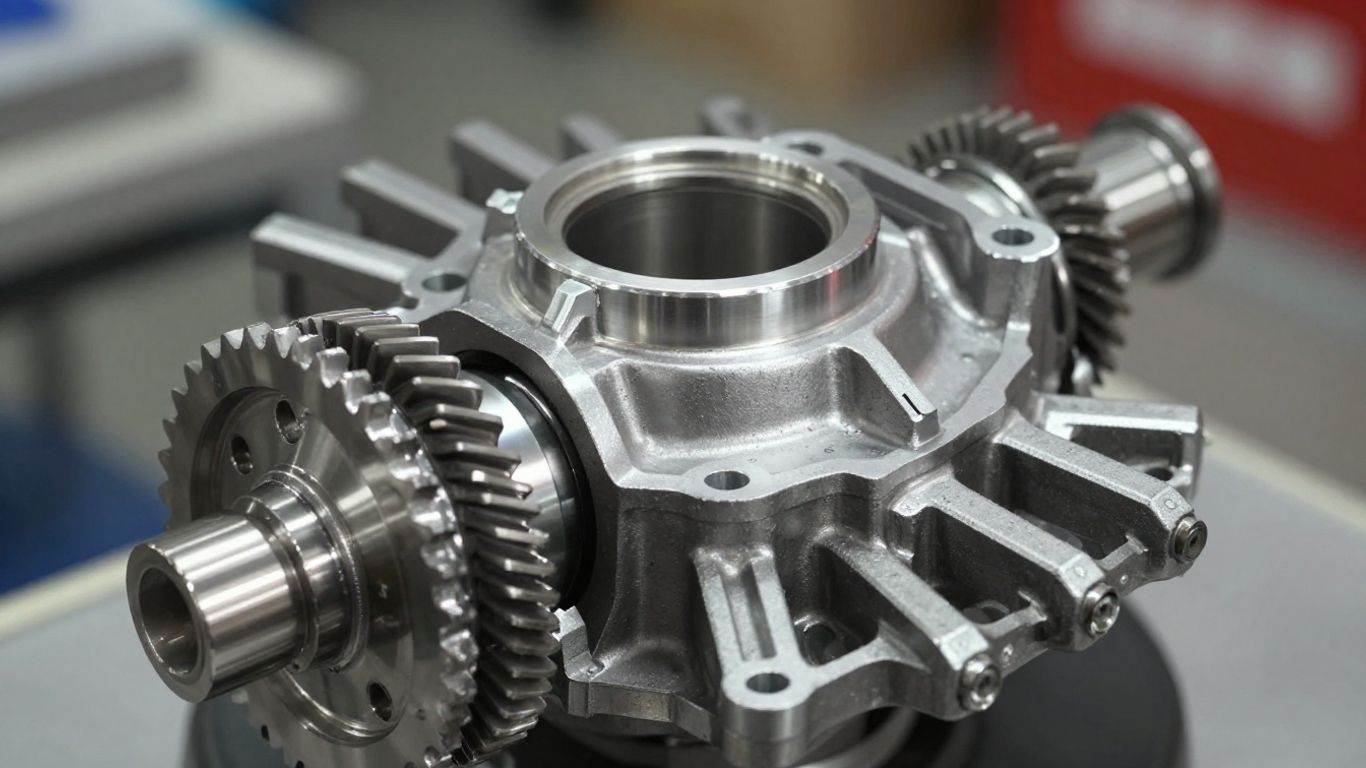
When you’ve got a used Subaru differential in front of you, there are a few things you don’t want to skip. Start by turning the input flange and feeling for any resistance or roughness—it should spin freely, not catch. If it grinds or feels jumpy, something’s up inside. You’ll want to check that the casing has no leaks or cracks along the seams, and peek inside to see if the gears are pitted or chipped. Bearings should look tidy, not rusted or loose.
| Component | What to Look/Feel For |
|---|---|
| Input/Output Flanges | Free, smooth movement |
| Gear Teeth | No visible chips or pitting |
| Bearings | Tight, no play or noise |
| Housing | No leaks, cracks, or dents |
Signs of Wear and Tear
A used diff is going to show its age somehow. If you spot brown or black gear oil, or see metal shavings in the oil, it’s a warning sign. Worn bearings might grumble when you spin them by hand. A tired diff often smells burnt, the oil looks sludgy, and if you notice gears with rounded edges or odd patterns on their surfaces, that’s a giveaway. Any odd noises—like grinding, humming, or clicking—are big red flags.
Be honest with yourself: If something doesn’t sound right or the differential seems sluggish, don’t take chances—those minor issues can turn major and expensive down the road.
Importance of Service History
Having a log or service booklet makes things a lot simpler. You’ll know if the diff was ever rebuilt, serviced, or just ignored. A strong service record not only gives peace of mind but can also help you spot recurring issues that may mean the part isn’t worth your money. A well-documented service history usually means the previous owner took proper care, which means fewer surprises for you later.
Keeping an eye out for receipts or stamps can sometimes feel tedious, but it beats being stuck with unexpected repairs after you’ve already handed over your cash.
Factors Affecting Used Differential Pricing
Condition and Mileage
When you’re looking at used Subaru differentials, the price can really swing based on how much life it’s got left in it. A differential that’s come from a car with really low mileage, say under 50,000 kilometers, is going to cost more than one that’s been driven for 200,000 kilometers. It just makes sense, right? The lower the mileage, the less wear and tear the internal gears and bearings have likely experienced. You’ll want to ask about the specific mileage of the donor vehicle.
Model Year and Specific Subaru Model
Subaru has made a lot of different models over the years, and the differential used in a 2020 Outback isn’t going to be the same as the one in a 2005 WRX. Newer models, or those with more complex all-wheel-drive systems, often have more advanced or specialized differentials. These can command a higher price. Also, performance models like WRXs or STIs might have differentials that are in higher demand, pushing up the cost. It’s not a one-size-fits-all situation.
Warranty and Guarantees Offered
This is a big one. If a seller offers a warranty, even a short one like 30 or 90 days, it can add a good chunk to the price. It shows they stand behind the part and are willing to cover you if something goes wrong shortly after you buy it. A differential sold with no warranty is usually cheaper, but it comes with more risk. You’re basically buying it ‘as is’.
Always ask about any return policy or warranty before you hand over your cash. It could save you a lot of headaches down the road if the part isn’t quite right.
Here’s a quick look at how these factors might influence price:
| Factor | Price Impact (General) | Notes |
|---|---|---|
| Low Mileage | Higher | Less wear, longer potential lifespan |
| High Mileage | Lower | More wear, potential for future issues |
| Newer Model Year | Higher | Often more advanced or in demand |
| Performance Model | Higher | Higher demand, specialized components |
| With Warranty | Higher | Seller confidence, buyer protection |
| No Warranty (‘As Is’) | Lower | Higher risk for the buyer |
Professional Installation Services
Finding Experienced Subaru Mechanics
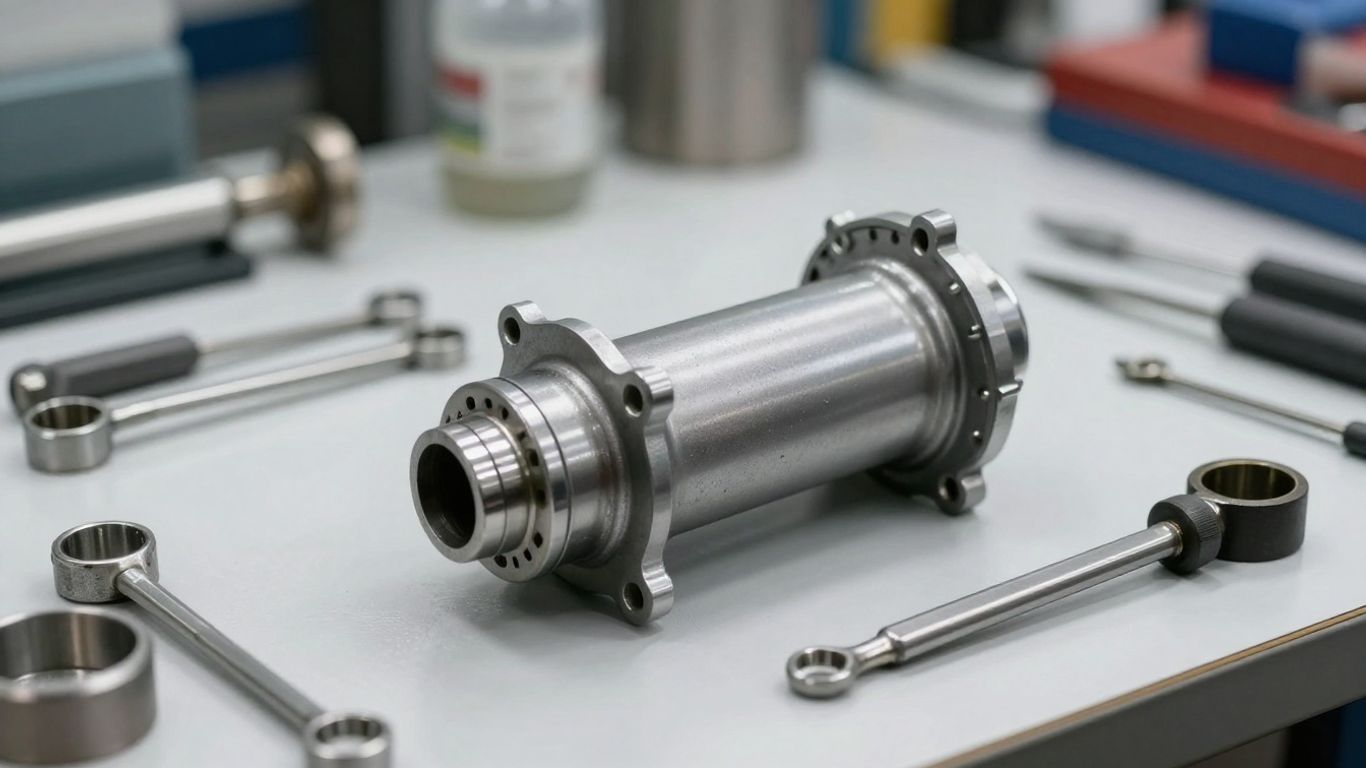
It’s always best to trust your used Subaru differential install to someone who knows these cars inside and out. Subarus aren’t built quite like other cars—even a minor mistake during the installation can lead to some very annoying problems, like strange noises or shuddering from the back of your car. In Blacktown, there are several independent garages, but you’ll get the smoothest result if you choose one with real Subaru experience. People who work on these cars every day know all the little quirks—the weird bolt placements, how to align the axles, even which fluids actually work best with Subaru’s all-wheel-drive system. Sometimes going the specialist route costs a bit more, but it’s often worth it.
If you’ve ever tried to bolt in a used part on your own, you probably know it’s not as easy as it looks. You think everything will line up the first time; reality is usually some cursing and a lot of scraped knuckles.
Differential Repair vs. Replacement
There’s a world of difference between fixing up your original diff and swapping it out for another unit. Repairs work for issues like worn bearings, minor leaks, or replacing a bent axle stub. But if the case is cracked or the gears are mauled, replacement is safer. Subaru mechanics will usually inspect the part closely and tell you which route makes sense for your car and budget. You might save cash by doing repairs, but it can turn into a money pit if more damage turns up mid-job. Sometimes, switching in a quality used differential is the way to go—it’s often faster, and you get back on the road sooner.
| Service Type | Average Cost Range (AUD) | Typical Timeframe |
|---|---|---|
| Differential Repair | $450 – $900 | 1-3 Days |
| Full Replacement | $900 – $1600 | 1-2 Days |
Ensuring Proper Fitment and Functionality
This last bit really matters: it’s not just about sticking a used diff into your Subaru and being done. Subaru differentials come in a heap of ratios and types—if you drop in the wrong one, everything from your speedometer to your all-wheel-drive can go wrong. Mechanics will double-check ratios, swap matching axle stubs if needed, and make sure the electronic sensors (if your Subaru has them) all connect up right. A good shop always test-drives the car after install to catch any whining or clunks before they hand it back.
Handing the job to someone who does this kind of work every week just means you won’t have to deal with any surprises later on. If you want the car to drive quietly and confidently, professional installation is usually the smart move.
Maintaining Your Subaru’s Drivetrain
Keeping your Subaru running smoothly means paying attention to more than just the engine. The drivetrain, which includes your differential, is a pretty important part of how your car moves. Neglecting it can lead to some serious headaches down the road, and nobody wants that.
Regular Fluid Checks
Think of the fluid in your differential like oil for your engine. It keeps things lubricated and cool, preventing all those metal parts from grinding against each other. Over time, this fluid can get dirty or even leak out. Checking and changing your differential fluid according to your Subaru’s service schedule is one of the simplest yet most effective ways to keep it healthy. For many Subaru models, especially those with turbochargers or diesel engines, the fluid requirements can be quite specific. Using the wrong type of fluid, or not changing it often enough, can really shorten the lifespan of your differential. It’s not a bad idea to keep a little log of when you last had it done.
| Service Interval (Approx.) | Fluid Type Recommendation | Notes |
|---|---|---|
| Every 30,000 – 50,000 km | Specific Subaru Gear Oil (e.g., 75W-90) | Consult owner’s manual for exact type and capacity. |
| Annually | Visual Inspection for Leaks | Check for any drips or wet spots around the differential housing. |
Signs of Differential Issues
Sometimes, your car will tell you when something’s not right. With a differential, you might start hearing some weird noises, especially when you’re turning. A whining or humming sound that gets louder as you speed up is a common indicator. You might also notice some clunking noises when you shift gears or accelerate. Another thing to watch out for is any kind of vibration coming from the rear of the car that wasn’t there before. And of course, if you see any fluid leaks under your car, that’s a definite sign something needs attention.
Ignoring these sounds or leaks is a gamble. A small problem can quickly turn into a major repair bill if you don’t address it early. It’s always better to get it checked out by a professional, even if you’re just unsure about what you’re hearing or seeing.
Preventative Maintenance Tips
Beyond just changing the fluid, there are a few other things you can do. When you get your Subaru serviced, ask the mechanic to give the differential a quick look-over. They can check for any obvious damage or leaks. If you do a lot of towing or drive in rough conditions, you might want to consider more frequent fluid changes. Also, if you’ve recently had a used differential installed, make sure you know its service history or get it serviced soon after installation. Keeping up with regular maintenance, even the small stuff, really adds up and helps prevent bigger problems later on.
Conclusion
Finding a good used Subaru differential in Blacktown doesn’t have to be a headache. There are plenty of options around, from specialist Subaru workshops to local wreckers and used parts dealers. It’s worth taking your time to check out reviews, ask about service history, and maybe even chat with a mechanic who knows Subarus well. Remember, not every shop will have the right part or the right know-how, so don’t be afraid to shop around or ask questions. Whether you’re fixing up your daily driver or working on a project car, a bit of patience and research can save you money and hassle in the long run. Good luck with your search, and here’s hoping your Subaru is back on the road soon.




