
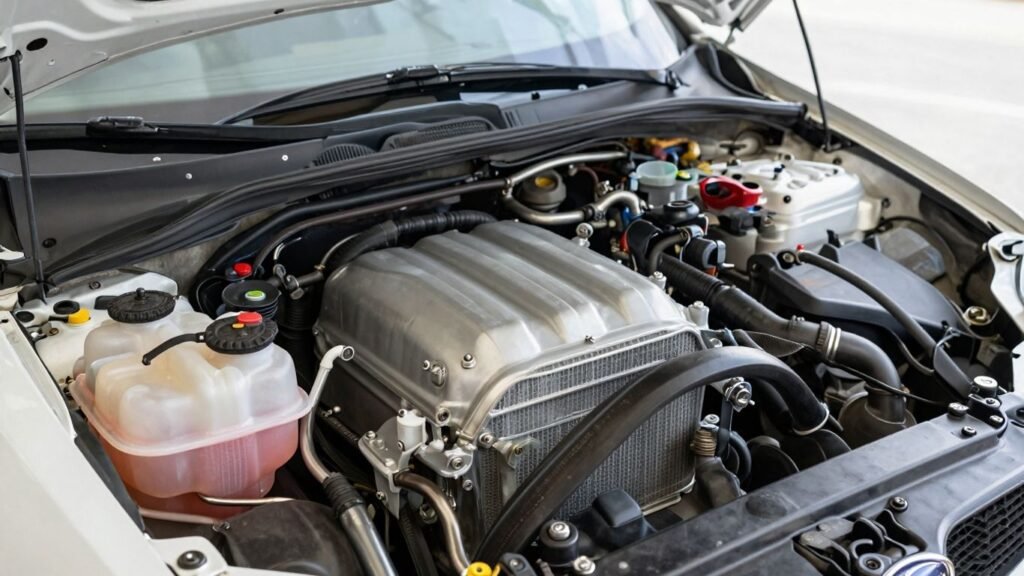
Keeping your Subaru running cool is a big deal, especially when you’re out on the road. Your engine works hard, and the cooling system is what keeps it from getting too hot. Think of it like your car’s personal air conditioner for the engine. Regular Subaru radiator and cooling system care isn’t just about preventing a breakdown; it’s about making sure your car stays reliable whether you’re heading to work or on a weekend adventure. Let’s talk about how to keep that engine temp just right.
Key Takeaways
- Your Subaru’s cooling system, including the radiator, works year-round to keep the engine at the right temperature, not just in the summer heat.
- Regularly check your coolant level and condition. Always use the specific type of coolant recommended for your Subaru, and avoid diluting it with plain water.
- Inspect hoses for cracks or leaks and keep the radiator clear of debris to allow for proper airflow and heat dissipation.
- Watch for warning signs like a rising temperature gauge or sweet smells, which can indicate leaks or other issues that need prompt attention.
- While some checks are easy to do yourself, professional Subaru-certified technicians can perform thorough diagnostics and maintenance to prevent bigger, more expensive problems down the road.
Understanding Your Subaru’s Cooling System
The Role of the Cooling System
Your Subaru’s engine generates a lot of heat when it’s running. Think of it like a tiny, controlled explosion happening thousands of times a minute. If all that heat just stayed put, your engine would quickly overheat and suffer serious damage. That’s where the cooling system comes in. Its main job is to keep the engine temperature within a safe operating range. This prevents parts from expanding too much, warping, or seizing up, which could lead to a breakdown. It’s not just about avoiding overheating in the summer, either; the cooling system also helps the engine warm up to its ideal temperature efficiently when you first start it, especially on a cold day.
Key Components of Subaru Cooling Systems
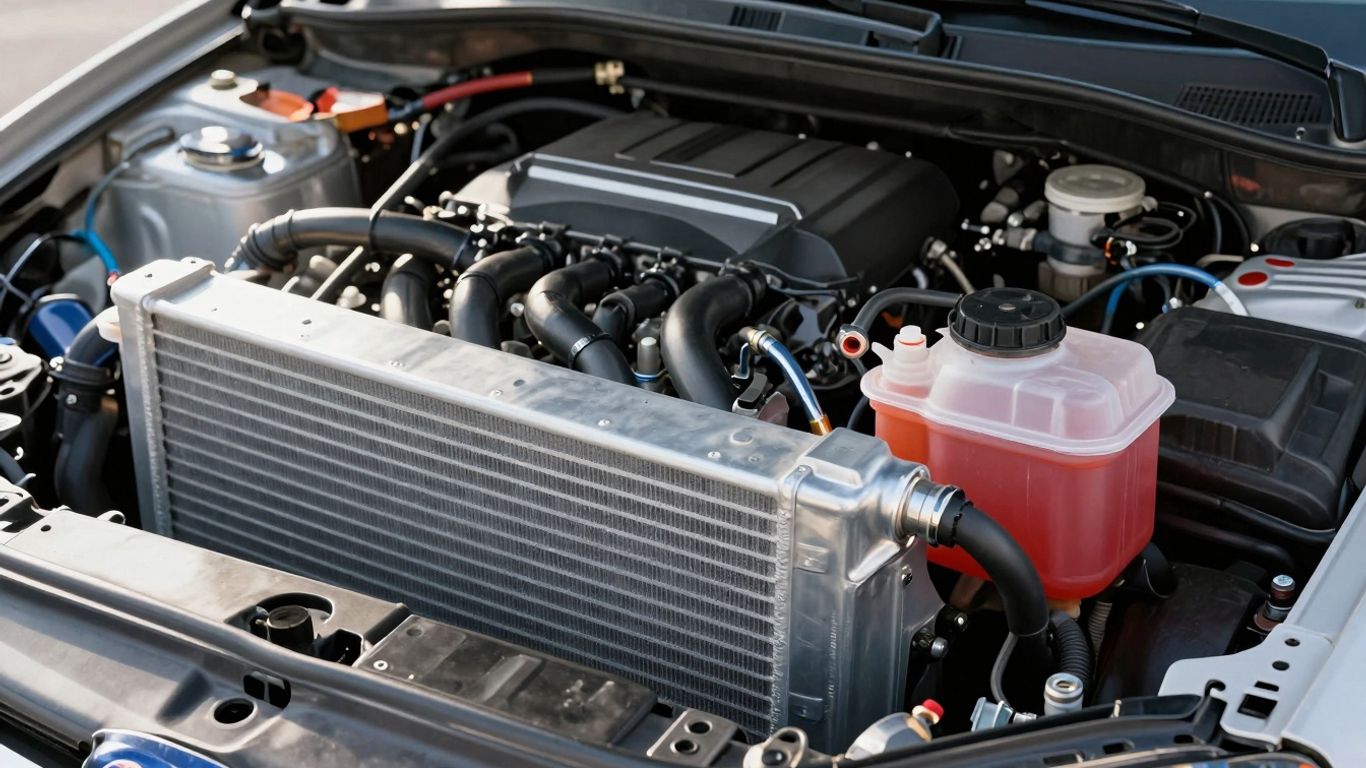
Subaru’s cooling system is a network of parts working together. You’ve got the radiator, which is like a heat exchanger – hot coolant flows through it, and air passing over the fins cools it down. Then there’s the water pump, which circulates the coolant throughout the engine and back to the radiator. The thermostat acts like a gatekeeper, controlling when coolant flows to the radiator based on the engine’s temperature. The coolant reservoir holds extra coolant and allows for expansion. Finally, a bunch of hoses connect everything, carrying the coolant from one place to another. Each piece has to do its job for the whole system to work right.
Year-Round Cooling System Demands
It’s easy to think about your cooling system only when the temperature gauge starts creeping up in July. But your Subaru’s cooling system is working hard all year long. In the winter, it helps the engine reach its optimal operating temperature faster, which is better for performance and fuel economy. Even on a chilly morning, the engine still produces heat, and the cooling system manages it. Driving in stop-and-go traffic, climbing hills, or towing something puts extra strain on the system, no matter the season. So, while summer heat is a big test, your cooling system faces demands every single day of the year.
Essential Subaru Radiator and Cooling System Care
Regular Coolant Level Checks
Keeping an eye on your Subaru’s coolant level is probably the simplest, yet most important, thing you can do. Think of coolant as the engine’s personal air conditioner. If it’s low, the whole system struggles to keep things from getting too hot. You’ll want to check this regularly, maybe every couple of fuel fill-ups. Just pop the hood and find the translucent reservoir tank – it usually has "Min" and "Max" lines marked on it. Never open the radiator cap when the engine is hot; that’s a recipe for a nasty burn. If the level is below the "Min" line, you’ll need to add the correct type of coolant. It’s usually a mix of antifreeze and distilled water, but always check your owner’s manual to be sure you’re using the right stuff for your specific Subaru model.
Inspecting Hoses and Connections
Your Subaru’s cooling system has a network of rubber hoses that carry that vital coolant around. Over time, these hoses can get brittle, crack, or develop soft spots. Give them a squeeze when the engine is cool. If they feel hard as a rock, mushy, or you see any little cracks, it’s time to think about replacing them. Also, check all the clamps and connections where the hoses meet the engine or radiator. Sometimes a loose clamp is all it takes for a slow leak to start, and those can sneak up on you. You might see little dried coolant stains around a connection if it’s been weeping.
Radiator Maintenance and Cleaning
The radiator is where the magic happens – it’s what actually cools the hot coolant down before it goes back into the engine. Over time, dirt, bugs, and road grime can get stuck in the fins of the radiator, blocking airflow. You can gently clean these fins with a soft brush or a blast of compressed air. Just be careful not to bend them. If you notice any bent fins, you can try to straighten them out carefully with a fin comb, but don’t go crazy. A radiator that’s clogged up inside with gunk is a different story, and that usually requires a professional flush.
A cooling system works hard all year round, not just when it’s hot outside. Cold weather can actually cause different problems, like freezing if the coolant isn’t mixed correctly. So, don’t skip checks just because it’s chilly.
Water Pump Functionality
The water pump is what circulates the coolant through the engine and radiator. It’s a pretty important piece. If it starts to go bad, you might hear a whining noise coming from the front of the engine, or you might see coolant leaking from the pump itself, often from a "weep hole" designed to let you know the seals are failing. Overheating is also a big sign that the water pump might not be doing its job. If you suspect any issues with the water pump, it’s best to get it checked out by a mechanic sooner rather than later, as a failed water pump can quickly lead to serious engine damage.
Addressing Subaru Overheating Issues
Recognizing Warning Signs of Overheating
So, your Subaru’s temperature gauge is creeping up, or maybe you’ve seen steam coming from under the hood. Those are pretty clear signals that something’s not right. Don’t ignore them! Other signs include a strange sweet smell (that’s often leaking coolant), reduced engine power, or even warning lights on your dashboard. Sometimes, you might notice puddles of coolant under your car, which is a dead giveaway for a leak. Paying attention to these early indicators can save you a lot of trouble down the road.
The Importance of Prompt Leak Repairs
If you spot any coolant leaks, no matter how small, get them fixed right away. A tiny drip now could turn into a major coolant loss later, leading to serious engine damage. Leaks can happen anywhere in the system – from hoses and the radiator to the water pump or even the head gasket. Fixing a leak early is usually much cheaper than dealing with the fallout from a completely overheated engine. It’s like finding a small hole in your roof; you patch it up before the whole ceiling caves in.
A cooling system is designed to keep your engine at a specific operating temperature. When it can’t do that, either because it’s losing coolant or not circulating it properly, the engine starts to get too hot. This excess heat can warp metal parts, blow gaskets, and generally cause a cascade of expensive problems. Think of it as a fever for your car – it needs to be brought down quickly.
When to Replace a Faulty Thermostat
The thermostat is a small but mighty part of your cooling system. It acts like a gatekeeper, controlling when coolant flows to the radiator. If it gets stuck closed, coolant can’t get cooled, and your engine will overheat. If it gets stuck open, your engine might take a long time to warm up, which isn’t ideal either, but overheating is the bigger concern. If your temperature gauge spikes quickly or stays pegged at hot, a bad thermostat is a prime suspect. Mechanics can test them, but often, given their low cost and the potential for failure, replacing it is the most straightforward solution when you’re having overheating issues.
Coolant: The Lifeblood of Your Subaru’s Engine
Choosing the Correct Coolant Formulation
Think of coolant as the engine’s personal climate control. It’s not just antifreeze; it’s a complex mix designed to keep your Subaru’s engine happy in both freezing cold and scorching heat. Modern Subarus, especially those with the distinctive orange coolant, use a specific type of long-life formula. This isn’t just for show; it’s engineered to work with the specific metals and seals in your Subaru’s cooling system. Using the wrong kind, or a generic one, can lead to all sorts of problems down the road, from corrosion to reduced cooling efficiency. Always check your owner’s manual or consult a Subaru specialist to confirm the exact type of coolant your vehicle needs.
The Dangers of Diluting Coolant with Water
It might seem like a simple fix to top off your coolant with plain water when the level is low, especially on a hot day. But here’s the thing: coolant is precisely mixed for a reason. Water dilutes the protective additives and lowers the boiling point and raises the freezing point of the mixture. This means your engine is more vulnerable to overheating in the summer and freezing in the winter. Plus, tap water can contain minerals that can cause scale buildup and corrosion inside your cooling system. Stick to the recommended coolant or a 50/50 mix of the correct coolant and distilled water if you absolutely must top it off between services.
Coolant loses its protective qualities over time, even if it still looks clean. The additives that prevent corrosion and maintain the right pH level get used up. When this happens, the coolant can become acidic, which is bad news for all the metal parts in your engine and cooling system. It’s like driving around with weak armor – eventually, something’s going to get damaged.
The Necessity of Complete Coolant Flushes
Just topping off your coolant isn’t enough. Over time, the coolant degrades, and contaminants can build up. A complete coolant flush is more than just draining the old stuff and pouring in new. It involves removing as much of the old fluid and any sediment or rust as possible from the entire system – the radiator, engine block, and heater core. This process ensures that fresh coolant can circulate freely and do its job effectively. Skipping this service can lead to reduced cooling performance and internal corrosion, potentially causing leaks and component failures. It’s a preventative measure that saves you money and headaches in the long run.
Professional Subaru Cooling System Service
Benefits of Subaru-Certified Technicians
Look, sometimes you just need to let the pros handle it, right? When it comes to your Subaru’s cooling system, taking it to someone who really knows their stuff makes a big difference. Subaru-certified technicians have gone through specific training for these cars. They know the ins and outs of your particular model, what kind of coolant it likes, and what common issues pop up. They’ve got the right tools and the genuine Subaru parts to get the job done properly. It’s not just about fixing a leak; it’s about making sure everything is working together like it should, preventing future headaches.
Comprehensive System Diagnostics
When you bring your Subaru in for service, they don’t just glance at the coolant level. They’re doing a full check. This means pressure testing the whole system to find tiny leaks you might not even see. They’ll inspect hoses for any signs of cracking or swelling, check the radiator for blockages, and make sure the water pump is doing its job without any funny noises. They’re looking at the whole picture, not just one part. This kind of detailed check can catch problems before they turn into a roadside emergency.
Here’s a quick look at what a diagnostic might involve:
| Component | What’s Checked |
|---|---|
| Coolant | Level, condition, and correct type |
| Radiator | Leaks, corrosion, fin condition, airflow |
| Hoses & Clamps | Cracks, swelling, leaks, secure connections |
| Water Pump | Leaks, bearing noise, proper circulation |
| Thermostat | Proper opening and closing temperatures |
| Pressure Cap | Seal integrity and pressure holding capability |
Preventing Costly Repairs Through Proactive Service
It’s easy to think of cooling system maintenance as something you only need to worry about when it’s scorching hot outside. But honestly, that’s not the case, especially around here with our temperature swings. Ignoring small issues now, like a slow leak or a hose that’s starting to look a bit worn, can lead to much bigger, more expensive problems down the road. We’re talking about potential engine damage that could cost you thousands. Getting regular check-ups and following the recommended service schedule is like buying insurance for your car. It keeps things running smoothly and saves you a ton of money and stress in the long run.
Taking your Subaru to a place that specializes in them means they understand the specific needs of your vehicle. They know the right coolant to use, which is important because using the wrong kind can cause damage. They can spot issues early, like a weak hose or a radiator that’s starting to clog, before they become major problems that leave you stranded and facing a big repair bill. It’s all about staying ahead of the game.
Protecting Your Subaru in Extreme Climates
Cooling System Stress in Varied Temperatures
It’s easy to think about your Subaru’s cooling system only when the summer sun is beating down, but extreme temperatures, both hot and cold, put a strain on things year-round. Even in milder climates, like parts of Southern California, big temperature swings can be tough. Think about driving up a mountain pass where the air gets cooler, then back down where it’s warmer. Your engine’s cooling system has to work overtime to keep everything stable. This constant expansion and contraction from temperature changes can wear out hoses, seals, and gaskets faster than you might expect. It’s not just about preventing a boil-over on a scorching day; it’s about making sure the system can handle the pressure when it’s 45 degrees in the morning and 75 by the afternoon.
Preventing Interior Damage from Heat
When it’s really hot outside, your car’s interior can become an oven. Parking in the shade whenever possible is your first line of defense. If shade isn’t an option, a good reflective sunshade for your windshield makes a huge difference in keeping the cabin cooler. Window tinting, if it’s legal where you are, also helps block out a lot of that intense sun. You might also consider seat covers or dash covers made with UV-resistant material. These can stop your dashboard from cracking and your seats from fading over time. Even just cracking your windows a tiny bit, if it’s safe to do so, can let some of that super-hot air escape.
The sun’s rays can do a number on your car’s interior over time. Think about how quickly things can fade or crack when left out in the sun. Protecting your dashboard and seats with covers or shades isn’t just about looks; it’s about preserving the materials and keeping your car comfortable for longer.
Maintaining Air Conditioning Performance
Your air conditioning system is a lifesaver in extreme heat, but it needs a little attention too. Make sure your refrigerant levels are good; if they’re low, the A/C won’t blow as cold as it should. Don’t forget about the cabin air filter – replacing it regularly, usually every 12,000 to 15,000 miles, helps your A/C system breathe easier and keeps the air inside your Subaru cleaner. It’s a good habit to run your A/C for a few minutes every week, even during colder months. This helps keep the seals inside the system lubricated, preventing leaks down the road.
Keep Your Subaru Cool and Ready for Anything
So, taking care of your Subaru’s cooling system isn’t just about avoiding a breakdown on a hot day, though that’s a big part of it. It’s really about making sure your car runs right, all the time, no matter what you throw at it. Think of it like this: regular check-ups and using the right stuff for your car means fewer headaches down the road and more money in your pocket. Plus, you get that peace of mind knowing your Subaru is ready for that spontaneous road trip or just the daily commute without any drama. Keep an eye on those coolant levels, listen for weird noises, and don’t skip those recommended services. Your Subaru will thank you for it, mile after mile.




