
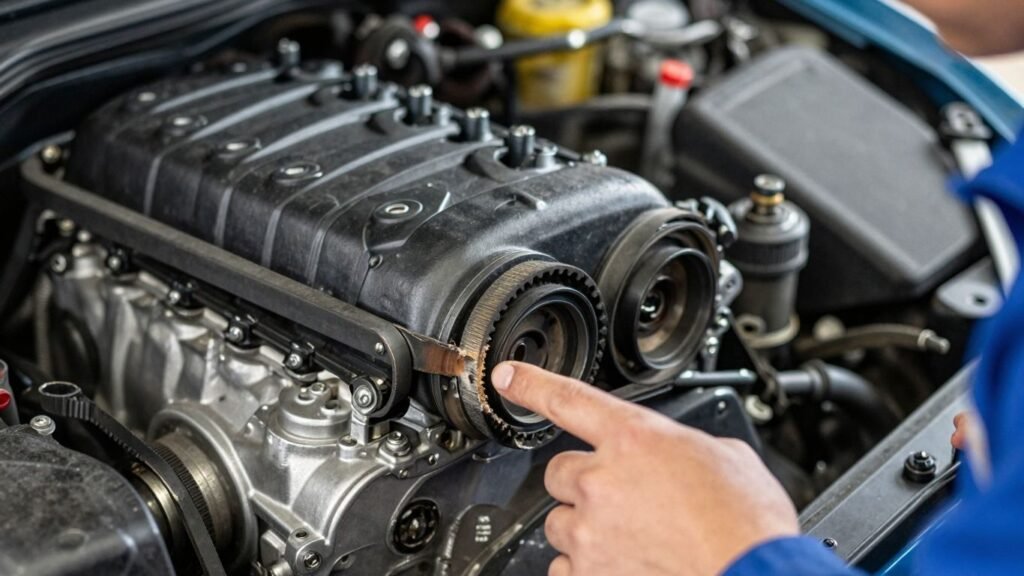
So, you’ve got a Subaru, huh? They’re great cars, really. But like anything mechanical, they need a little attention now and then. One of those things you absolutely can’t forget about is the timing belt. It’s kind of a big deal for your engine’s health. If you’ve been driving for a while, you might start noticing some odd things. Ignoring these Subaru timing belt replacement warning signs could lead to some seriously expensive headaches down the road. Let’s talk about what to look out for.
Key Takeaways
- Listen for strange noises from your engine, like ticking or whining, as these can signal timing belt issues.
- Keep an eye out for visible wear on the belt itself, such as cracks, fraying, or missing teeth.
- Pay attention to how your engine is running; misfires, rough idling, or sudden stalls are important indicators.
- Understand that related parts like tensioners and water pumps can also fail, affecting the timing belt.
- Always follow your Subaru’s recommended replacement schedule for the timing belt to prevent major damage.
Listen For Unusual Engine Noises
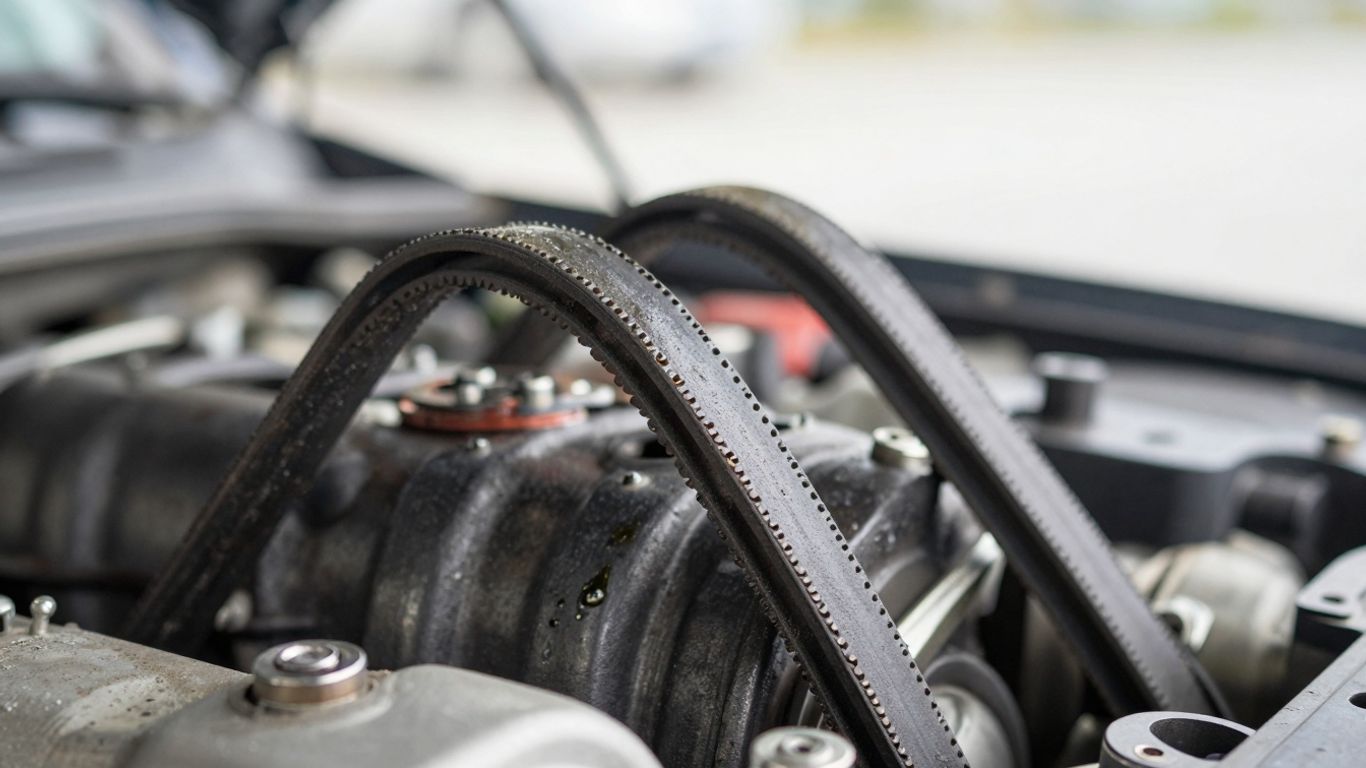
Your Subaru’s engine is usually pretty quiet when it’s running right. But if you start hearing strange sounds, it’s time to pay attention. These noises aren’t just annoying; they can be your car’s way of telling you something’s not quite right, especially with the timing belt.
High-Pitched Squeaking or Ticking
Sometimes, a worn timing belt can start to make a high-pitched squealing or ticking sound. This often happens when the belt is starting to slip or isn’t quite aligned correctly. It might be more noticeable when you first start the car or when you accelerate. Don’t just turn up the radio to drown it out. This sound is a clear signal that the belt might be loose or damaged, and it needs a look.
Whining Sounds from the Engine Bay
A whining noise, especially one that changes pitch with your engine speed, can also point to timing belt trouble. This could mean the belt is rubbing against other parts it shouldn’t be, or perhaps a related component like a tensioner or idler pulley is starting to fail. It’s like a little alarm bell going off from under the hood.
The Importance of Prompt Diagnosis
Any unusual noise coming from your engine should be investigated. While it might be something simple, it could also be an early warning of a serious issue like a failing timing belt. Getting it checked out quickly can save you a lot of headaches and money down the road.
When you hear these sounds, it’s best to get your Subaru to a mechanic as soon as possible. They can properly diagnose the source of the noise. Ignoring it could lead to the belt breaking, which is a much bigger and more expensive problem to fix.
Observe Visible Signs of Wear
Cracks and Fraying on the Belt
Sometimes, you can actually see the damage on the timing belt itself. If you pop the hood and take a good look, you might notice little cracks running across the surface of the belt. Think of it like old rubber getting brittle. You might also see some fraying, where the edges look like they’re starting to come apart. These are clear indicators that the belt is degrading and won’t last much longer. It’s not something you want to put off checking.
Stripped or Damaged Teeth
Look closely at the teeth on the timing belt. These are what grip the pulleys to keep everything in sync. If you see that some of these teeth are worn down, rounded off, or even missing entirely, that’s a big problem. The belt could start slipping, which throws off your engine’s timing. It’s kind of like a gear missing a tooth – it just won’t work right.
General Deterioration of the Material
Beyond just cracks or missing teeth, the whole belt might just look… old. The rubber could be getting hard and shiny, or maybe it feels unusually stiff. Sometimes, you might even see bits of rubber flaking off. It’s basically the belt telling you it’s reached the end of its useful life. It’s not just about how many miles are on it; time and heat take their toll too.
Even if your Subaru hasn’t been driven a lot, the rubber in the timing belt can still break down over time. Extreme temperatures, whether hot or cold, can make the material brittle and prone to cracking. So, don’t just rely on the odometer; consider the age of the belt too.
| Component | Potential Issue |
|---|---|
| Timing Belt | Cracks, fraying, missing teeth, hardened material |
| Pulleys/Idlers | Worn bearings, seized rotation, wobbling |
| Tensioner | Leaking fluid, weak spring, noisy operation |
Recognize Engine Performance Issues
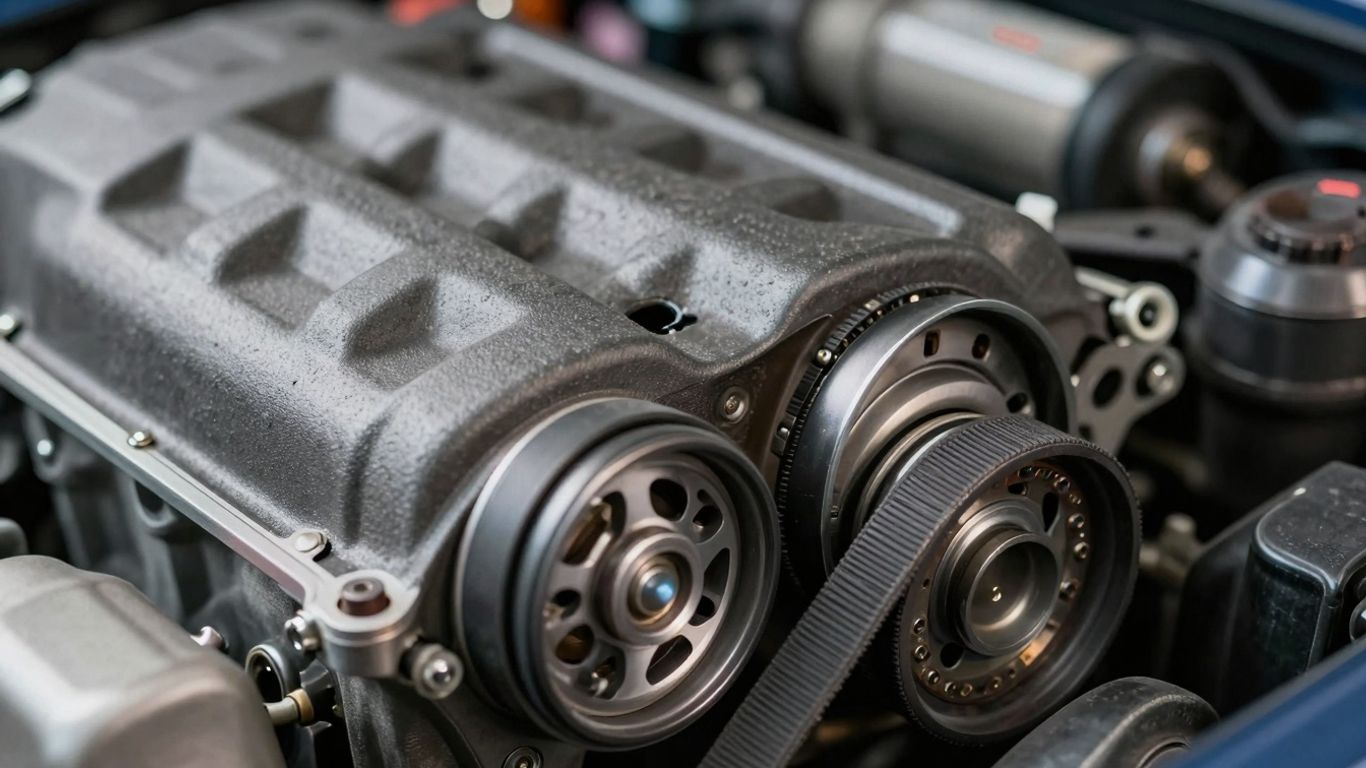
Sometimes, your Subaru’s engine will start acting up in ways that are hard to ignore. These aren’t just little quirks; they’re signals that something’s not right under the hood, and often, the timing belt is the culprit. If you notice your engine sputtering or feeling like it’s skipping a beat, that’s a big red flag.
Engine Misfires and Rough Idling
When the timing belt starts to go, it can mess with the precise timing of your engine’s internal parts. This means the fuel and air mixture might not ignite when it’s supposed to. You’ll feel this as a rough idle, where the engine shakes or vibrates more than usual when you’re stopped. It might also feel like the engine is hesitating or stumbling when you try to accelerate. These performance hiccups are your engine telling you it’s out of sync and needs attention.
Sudden Engine Stalls While Driving
This is a scary one. If the timing belt is severely worn or has jumped a tooth, it can cause the engine to suddenly shut off while you’re driving. Imagine cruising down the road and then, poof, everything goes dead. It’s not just inconvenient; it can be dangerous, especially if you’re on a busy highway. This kind of stall is a serious indicator that the belt is failing and could break completely.
Loss of Engine Power
Another sign is a noticeable drop in your car’s power. You might feel like your Subaru isn’t accelerating as quickly as it used to, or it struggles to maintain speed, especially going uphill. It feels sluggish, like it’s not getting enough oomph. This can happen because the timing belt isn’t keeping the engine’s components working together efficiently, leading to less power being produced.
Don’t just turn up the radio to drown out strange engine behavior. Those rough idles, hesitations, and power losses are your car’s way of communicating a problem. Ignoring them is like ignoring a persistent cough – it might seem minor at first, but it could be a sign of something more serious brewing.
| Symptom | What It Might Mean for Your Timing Belt |
|---|---|
| Rough Idle/Engine Shaking | Belt has slipped or is worn |
| Hesitation on Acceleration | Incorrect engine timing |
| Sudden Engine Stalling | Belt is severely damaged or broken |
| Noticeable Loss of Power | Inefficient engine operation |
Understand Related Component Failures
Sometimes, the timing belt isn’t the only part that’s having a rough time. Other components in the engine can go bad, and when they do, they can put a lot of stress on your timing belt, or even cause it to fail prematurely. It’s like a domino effect in there.
Timing Belt Tensioner Problems
The tensioner’s job is pretty straightforward: it keeps the timing belt snug. If the tensioner starts to wear out, it might not hold the belt tight enough. This can cause the belt to slip, which messes up the engine’s timing. You might hear a flapping or slapping sound, or sometimes a whining noise. A loose belt can jump teeth or even come off completely, leading to serious engine damage.
Worn Pulleys and Idlers
Your timing belt rides on a few other parts, like pulleys and idlers. These are basically smooth-running wheels that guide the belt. If these start to get worn, they can develop flat spots or start to seize up. This can cause the belt to fray, squeal, or even break. It’s a good idea to have these checked whenever you’re doing the timing belt, because if one of these fails, it can take the belt with it.
Water Pump Issues
Many Subarus have their water pump driven by the timing belt. If the water pump starts to leak or its bearings go bad, coolant can get onto the timing belt. Coolant is really bad for rubber belts; it makes them degrade faster, get soft, and eventually fail. Plus, a failing water pump means your engine can overheat, which is a whole other problem. Because of this, it’s super common and highly recommended to replace the water pump at the same time you replace the timing belt. It saves you a lot of labor down the road.
When you’re getting the timing belt replaced, it’s often smart to swap out the tensioner, pulleys, and the water pump too. They’re all in the same area, and the extra labor to do them all at once is usually pretty minimal compared to doing them separately later. Think of it as a package deal for peace of mind.
Heed Manufacturer Recommendations
Your Subaru’s owner’s manual isn’t just a book of random facts; it’s got some pretty important info, especially about when to swap out that timing belt. Think of it as your car’s personal health guide. Sticking to what the folks who built your car say is usually the smartest move.
Adhering to Mileage Intervals
Subaru, like most car makers, gives you a mileage number for timing belt replacement. For many models, this is often around 60,000 to 100,000 miles. It’s not just a random guess; it’s based on how long they expect the belt material to hold up under normal driving. Ignoring this mileage marker is like playing Russian roulette with your engine. It’s a good idea to check your specific model’s manual, as it can vary a bit.
| Subaru Model (Example) | Recommended Interval (Miles) |
|---|---|
| Impreza | 75,000 – 105,000 |
| Outback | 70,000 – 100,000 |
| Forester | 70,000 – 100,000 |
| Legacy | 75,000 – 105,000 |
Considering Age and Driving Conditions
Mileage isn’t the only thing that matters. Time also plays a big role. Rubber, even tough stuff, gets old and brittle. So, even if you don’t drive a lot, a belt that’s, say, 10 years old might be just as risky as one with 100,000 miles on it. Plus, how you drive makes a difference. Lots of stop-and-go traffic, extreme temperatures, or towing heavy loads can put more stress on the belt, making it wear out faster than the miles suggest. If you do a lot of short trips or drive in dusty, harsh environments, you might want to think about replacing it a bit sooner than the manual says.
The timing belt is hidden away, so it’s easy to forget about. But it’s working hard every second your engine is running. Regular checks during other services, like oil changes or brake jobs, can help catch issues early. Just asking your mechanic to give it a quick look can save you a lot of headaches later.
The Risks of Neglecting Preventive Replacement
So, what happens if you just… don’t replace it? Well, the belt can snap. When that happens in a Subaru, especially one with an interference engine (which many are), the pistons can slam into the open valves. This isn’t a minor hiccup; it’s a catastrophic event that can bend valves, damage pistons, and even ruin the entire engine. The cost to fix that kind of damage? We’re talking thousands, often more than the car is worth. Replacing the belt proactively, even if it looks okay, is a small price to pay compared to a full engine rebuild or replacement. It’s just good sense to follow the schedule and keep your Subaru running smoothly for years to come.
Be Aware of Potential Engine Damage
Ignoring a worn timing belt isn’t just about a potential inconvenience; it can lead to some seriously bad news for your Subaru’s engine. When that belt finally gives out, the internal parts of your engine can go haywire. Think of it like a perfectly choreographed dance where one dancer suddenly trips – everything else gets messed up too.
Bent Valves and Damaged Pistons
This is where things get really expensive. If the timing belt snaps or jumps a tooth, the pistons and valves can collide. This isn’t a gentle tap; it’s a forceful impact that can bend valves, crack piston tops, and even damage the cylinder head. The internal harmony of your engine is completely destroyed. It’s a cascade of destruction that happens in milliseconds.
Complete Engine Failure
In the worst-case scenario, the damage from a failed timing belt can be so extensive that the entire engine is ruined. We’re talking about a situation where the cost of repairing the internal damage far outweighs the value of the car. It’s the ultimate "too late" moment, leaving you with a non-running vehicle and a massive repair bill, or worse, the need for a completely new engine.
Expensive Repair Costs
Let’s talk numbers. A proactive timing belt replacement, while not cheap, is a fraction of the cost of fixing the damage caused by a belt failure. If you’re looking at bent valves, damaged pistons, and potential cylinder head work, you could easily be looking at repair bills well into the thousands of dollars. Sometimes, it’s more than the car is even worth.
The difference between a few hundred dollars for a preventive replacement and thousands for major engine repair is a stark reminder of why maintenance schedules exist. It’s about avoiding a much larger financial headache down the road.
| Component Damaged | Estimated Repair Cost Range |
|---|---|
| Timing Belt Only | $500 – $1,500 |
| Valves & Pistons | $2,000 – $5,000+ |
| Complete Engine | $5,000 – $10,000+ |
Don’t Wait for Disaster: Keep Your Subaru Humming
Look, nobody likes spending money on car repairs, especially when things seem to be running okay. But with your Subaru’s timing belt, ignoring the warning signs is just asking for trouble. Those little noises, the rough running – they’re not just quirks, they’re your car telling you it needs attention. Replacing the timing belt, along with related parts like the tensioner and water pump, might seem like a big job, but it’s way cheaper than fixing major engine damage down the road. So, if you’ve heard any odd sounds or are just getting close to that 100,000-mile mark, do yourself and your Subaru a favor. Get it checked out by a trusted mechanic. It’s a small price to pay for peace of mind and keeping your ride reliable for years to come.




