

Seeing the check engine light pop on in your Subaru can be a bit nerve-wracking. It’s that little symbol on your dashboard that lets you know the car’s computer has noticed something’s up. Sometimes it’s something simple, like forgetting to screw your gas cap on tight. Other times, it could point to a more involved issue under the hood. This guide will walk you through some of the most common Subaru check engine light causes, helping you figure out what might be going on and what to do next.
Key Takeaways
- A loose or missing gas cap is a frequent culprit for the Subaru check engine light, often causing an EVAP system code.
- Oxygen sensors and mass airflow sensors monitor emissions and air-fuel mixture; their failure can impact fuel economy and performance.
- Issues with spark plugs, ignition coils, or fuel injectors can lead to engine misfires, rough idling, and potential damage to other components.
- A flashing check engine light often signals a serious engine misfire that could quickly damage the catalytic converter, requiring immediate attention.
- While the check engine light indicates a problem, a diagnostic scan is needed to pinpoint the exact cause and determine the necessary repairs.
Loose Gas Cap
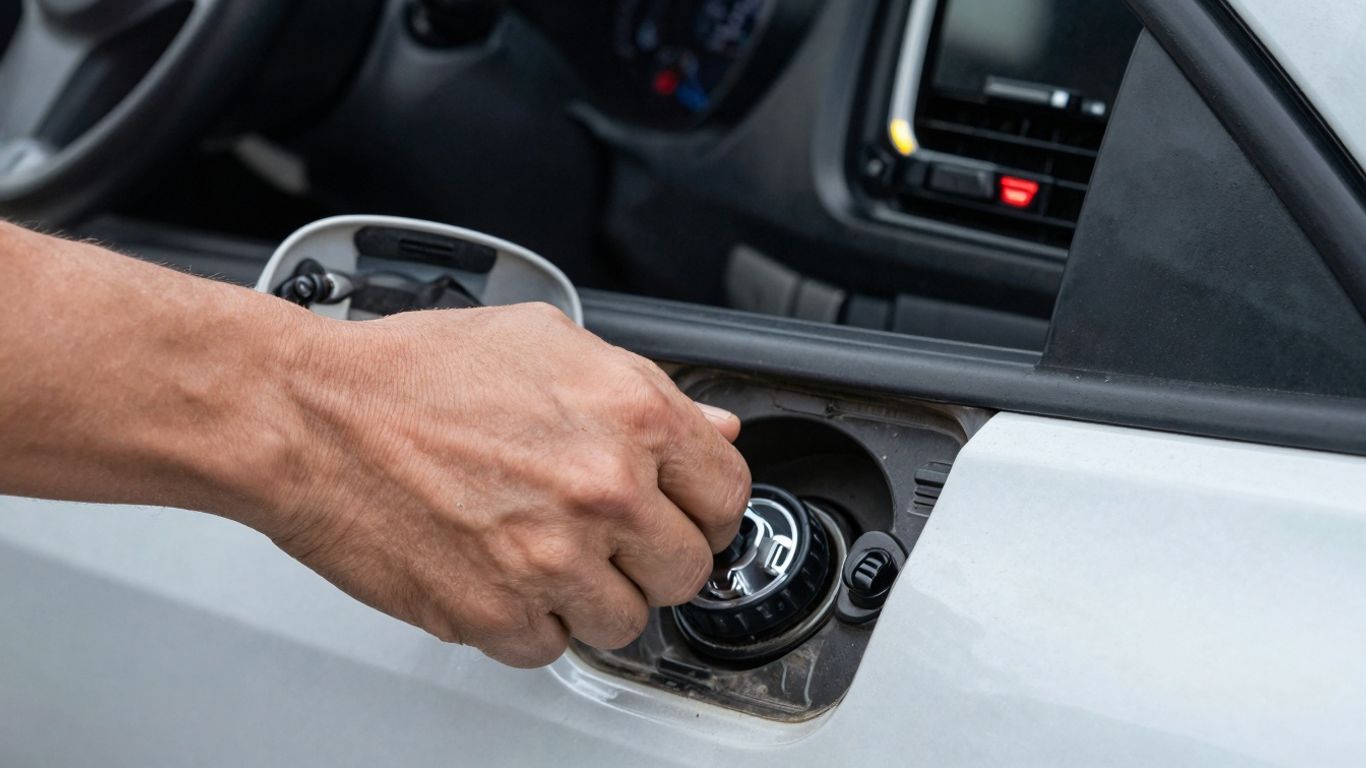
Okay, so you see that little check engine light pop on your Subaru’s dashboard. Before you start picturing a blown engine or a transmission on its last legs, take a deep breath and do the simplest thing first: check your gas cap. Seriously. It sounds almost too easy, but a loose, damaged, or even missing gas cap is one of the most common culprits for that light to come on.
Your gas cap does more than just keep the gasoline from sloshing out. It’s actually a key part of your Subaru’s evaporative emission control system, often called the EVAP system. This system is designed to capture fuel vapors that would otherwise escape into the atmosphere and send them back into the engine to be burned. When the cap isn’t sealing properly, these vapors can leak out. The car’s computer detects this leak, and bam – check engine light.
It’s not just about emissions, either. A bad seal can also affect the pressure inside your fuel tank. This can mess with how the fuel system operates, potentially leading to a slight drop in fuel economy and, over time, making your Subaru work a bit harder than it needs to.
So, what do you do? First, just give your gas cap a good twist. You should hear it click a few times. If it doesn’t click, or if it feels loose even after tightening, the seal might be worn out or cracked. Replacing a gas cap is usually pretty inexpensive, and you can often do it yourself in just a couple of minutes. Just make sure you get the right one for your specific Subaru model. After you tighten or replace it, drive your car for a bit – sometimes it takes a few miles or a few drive cycles for the car’s computer to recognize the fix and turn the light off. If the light stays on after a day or two, then it’s probably time to look into other possibilities.
Oxygen Sensor Failure
Your Subaru has at least one oxygen sensor, often called an O2 sensor, tucked away in the exhaust system. Its main job is to measure how much unburned oxygen is in your exhaust gases. This information is super important because it helps your car’s computer figure out the perfect mix of air and fuel to send into the engine for combustion. When an oxygen sensor starts to go bad, it can’t send accurate readings, and that throws off the air-fuel ratio.
If the computer gets bad data, it might dump too much fuel into the engine, which isn’t great for your wallet or the environment. You might notice a drop in your gas mileage, or your Subaru could start running rough. On the flip side, if it doesn’t get enough fuel, the engine can run too lean, which can lead to overheating and potentially serious damage over time. It’s a pretty critical component for keeping your engine running smoothly and efficiently.
A failing oxygen sensor can also cause your catalytic converter to work overtime and potentially get damaged, leading to an even more expensive repair down the road. It’s one of those parts that seems small but has a big impact.
Here’s a quick look at what can happen:
| Symptom | Potential Cause |
|---|---|
| Reduced Fuel Economy | Faulty O2 Sensor |
| Rough Idling | Faulty O2 Sensor |
| Failed Emissions Test | Faulty O2 Sensor |
| Catalytic Converter Damage | Faulty O2 Sensor (indirect) |
Mass Airflow Sensor Malfunction
The Mass Airflow (MAF) sensor is a pretty important little gadget in your Subaru. Basically, it measures how much air is actually getting into the engine. This information is super helpful for the car’s computer, which then figures out exactly how much fuel to spray in to get the best mix. Think of it like a chef needing to know how much flour to add to a recipe based on how much liquid is already there.
When this sensor gets dirty or starts acting up, it can’t accurately tell the computer about the airflow. This throws off that perfect air-fuel balance. A common symptom of a failing MAF sensor is a noticeable drop in performance, like sluggish acceleration or the engine feeling weak. You might also notice your Subaru idling rough, or the engine could even stall unexpectedly, especially when you first start it up or come to a stop. Sometimes, you’ll see a check engine light pop on, and it might be accompanied by a bit of sputtering or hesitation when you press the gas pedal.
If your MAF sensor isn’t working right, the engine might get too much or too little fuel. Too much fuel can lead to poor gas mileage and even black smoke from the exhaust. Too little fuel, on the other hand, can cause the engine to run hot and potentially damage other parts over time. It’s a delicate balance that the MAF sensor helps maintain.
Here’s a quick look at what might happen:
| Symptom | Potential Cause |
|---|---|
| Poor acceleration | MAF sensor issue |
| Rough idling | MAF sensor issue |
| Engine stalling | MAF sensor issue |
| Reduced fuel economy | MAF sensor issue |
| Check Engine Light | MAF sensor issue |
Spark Plug Issues
Alright, let’s talk about spark plugs. These little guys are pretty important. They’re basically responsible for creating that spark that ignites the fuel and air mix in your engine’s cylinders. Without that spark, your engine just isn’t going to run, plain and simple.
Over time, spark plugs can get worn out, fouled with gunk, or just generally stop doing their job effectively. When that happens, you might notice your Subaru running a bit rough, maybe hesitating when you accelerate, or just not getting the same gas mileage it used to. A bad spark plug can definitely cause your check engine light to come on, and if it’s really bad, it can even lead to engine misfires.
If a spark plug is really struggling, it can cause unburned fuel to get dumped into your exhaust system. This is bad news because that fuel can overheat your catalytic converter, and those things are not cheap to replace. So, if you’re having spark plug issues, it’s a good idea to get them checked out sooner rather than later. It’s usually not a super complicated fix, and it can save you from bigger headaches down the road.
Sometimes, it’s not just the spark plug itself, but also the wires that connect it to the ignition coil. These wires can degrade over time, crack, or get damaged, preventing the spark from reaching the plug properly. So, when a mechanic looks at spark plug issues, they’ll often check the wires too.
Here’s a quick look at what can go wrong:
| Issue Type | Potential Symptoms |
|---|---|
| Worn Spark Plugs | Rough idling, poor acceleration, reduced fuel economy |
| Fouled Spark Plugs | Misfires, engine hesitation, difficulty starting |
| Damaged Spark Plug Wires | Intermittent misfires, loss of power, check engine light |
| Cracked Spark Plug Insulator | Misfires, engine running poorly, potential for further damage |
Ignition Coil Problems
Ignition coils are pretty important. They’re basically small transformers that take the 12-volt power from your battery and crank it up to thousands of volts. This high-voltage jolt is what gets sent to the spark plugs, making them fire and ignite the fuel-air mix in your engine. Without a properly working ignition coil, that spark just doesn’t happen, or it’s too weak to do the job.
When an ignition coil starts to go bad, you might notice your Subaru running a bit rough. Things like a shaky idle, hesitation when you accelerate, or a general loss of power are common signs. Sometimes, the check engine light will come on as a steady glow, but if it starts flashing, that’s usually a sign of a more serious misfire that could be dumping unburned fuel into your exhaust. This is bad news because it can quickly overheat and damage your catalytic converter, which is a pretty expensive part to replace.
A failing ignition coil can lead to engine misfires. If left unaddressed, these misfires can cause raw fuel to enter the exhaust system, potentially damaging the catalytic converter and leading to costly repairs. It’s best to get this checked out sooner rather than later.
Diagnosing an ignition coil issue often involves checking for specific trouble codes related to misfires in individual cylinders. While replacing a single coil is usually straightforward, a persistent problem might indicate a need to inspect other ignition system components like spark plugs and wires, as they all work together.
Catalytic Converter Failure
The catalytic converter is a pretty important piece of your Subaru’s exhaust system. Its main job is to take the nasty stuff your engine produces, like carbon monoxide, and turn it into less harmful gases, like carbon dioxide. Think of it as a filter for your exhaust. Over time, especially on older cars or those that haven’t had regular maintenance, this converter can get clogged up. This happens when bits of material build up inside it.
A clogged or failing catalytic converter can really mess with how your car runs. You might notice a big drop in your gas mileage, and the engine might feel sluggish or just not have its usual pep. Sometimes, the car might even run hotter than it should, which can lead to other problems down the road. If your check engine light is on because of this, your Subaru probably won’t pass an emissions test, which is a problem if you need to renew your registration.
If your check engine light comes on and you suspect it might be the catalytic converter, it’s best to get it checked out sooner rather than later. Ignoring it can lead to more expensive repairs, and sometimes, a flashing check engine light can mean raw fuel is getting into the exhaust, which can quickly damage the converter to the point of needing a costly replacement.
Here’s a general idea of what might happen if your catalytic converter is failing:
| Symptom | Potential Impact |
|---|---|
| Reduced Fuel Economy | You’ll be stopping at the gas station more often. |
| Sluggish Performance | The car won’t accelerate as quickly. |
| Overheating Engine | Can cause damage to other engine components. |
| Failed Emissions Test | You won’t be able to register your vehicle. |
Engine Misfires
An engine misfire is basically when one or more of your engine’s cylinders isn’t firing correctly, or at all. Think of it like a runner in a race stumbling – it throws off the whole rhythm. This can really mess with how your Subaru runs, making it feel rough, lose power, or even stall.
When a cylinder misfires, it means the air-fuel mixture isn’t igniting properly. This can happen for a bunch of reasons, like bad spark plugs, faulty ignition coils, dirty fuel injectors, or even more serious issues like a failing head gasket. If you notice your Subaru sputtering, shaking more than usual, or if the check engine light starts blinking (which is a big warning sign!), a misfire could be the culprit.
Ignoring an engine misfire is a bad idea. Unburned fuel can get pushed into your exhaust system, and that can quickly overheat and damage your catalytic converter. Replacing that part is not cheap, and it’s also important for keeping your car’s emissions clean.
Sometimes, a misfire might just mean it’s time for new spark plugs or wires. Other times, it points to a deeper problem that needs a mechanic’s attention. It’s one of those things you don’t want to put off, because it can lead to more expensive repairs down the road.
Fuel Injector Problems
Your Subaru’s fuel injectors are like tiny spray nozzles, precisely squirting gasoline into the engine’s cylinders. When these little guys get clogged or start acting up, your engine just doesn’t get the right amount of fuel it needs to run smoothly. This can lead to all sorts of issues, from a rough idle to a noticeable loss of power. You might even notice your fuel economy taking a nosedive, which is never fun.
A dirty or failing fuel injector can throw off the delicate air-fuel balance, making your engine run poorly and potentially causing other parts, like the catalytic converter, to suffer.
Sometimes, the problem isn’t a complete failure but a gradual clogging. Over time, deposits from fuel can build up inside the injector, restricting the spray pattern. This means less fuel gets in, or it’s not atomized properly, leading to incomplete combustion. On the flip side, an injector could also leak, dumping too much fuel into the cylinder. Either way, the engine’s computer sees something’s wrong and lights up that check engine light.
Diagnosing fuel injector issues often involves checking for consistent fuel pressure and looking at the spray pattern of each injector. Sometimes, a good cleaning can do wonders, but other times, replacement is the only way to get your Subaru running right again.
Head Gasket Issues
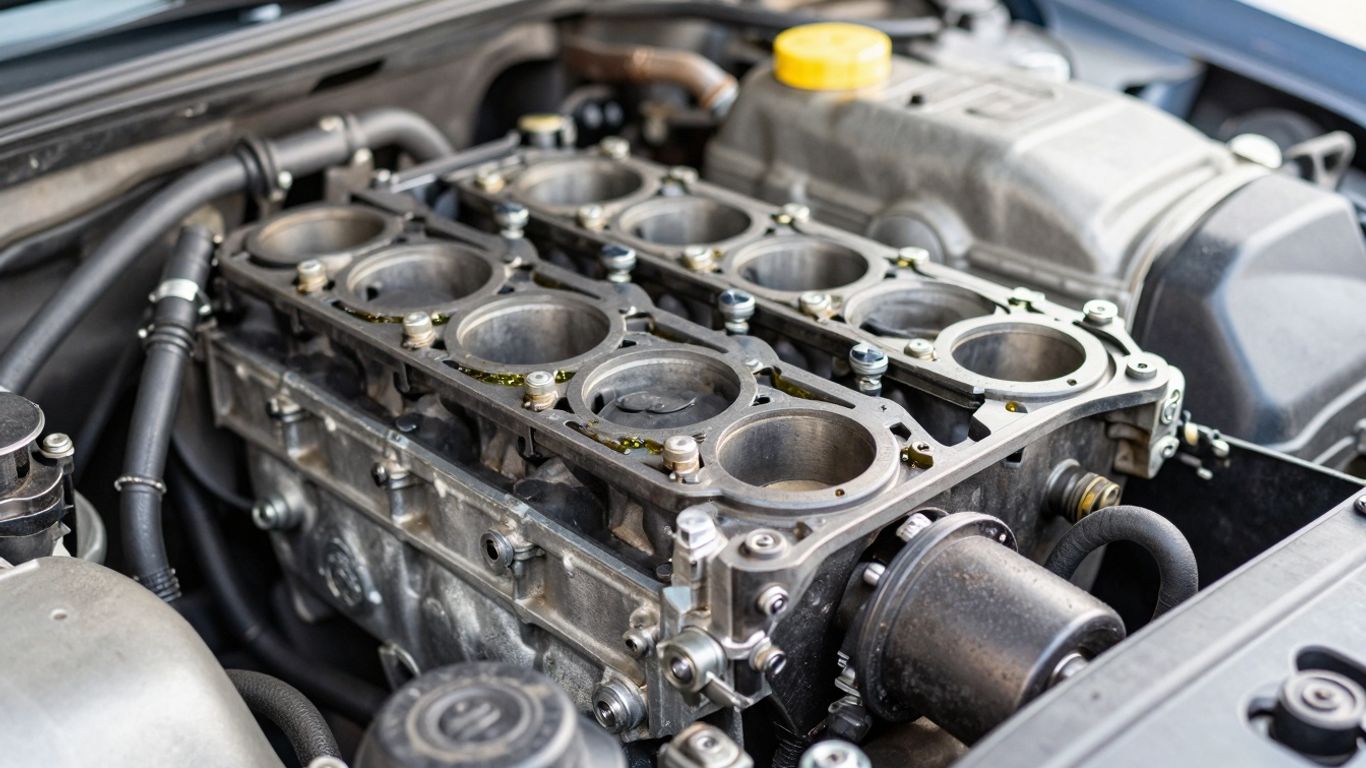
Alright, let’s talk about head gasket issues in Subarus. This is one of those problems that can really make you sweat. The head gasket is basically a seal between the engine block and the cylinder head. It’s pretty important for keeping coolant and oil from mixing with the combustion gases, and also for keeping those gases separate from each other.
When a head gasket starts to fail, you might notice a few things. A common symptom is your Subaru overheating, even when you haven’t been driving it hard. You might also see white smoke coming from your exhaust pipe, which is often coolant burning inside the engine. Sometimes, you’ll find a milky, frothy substance on your oil cap or dipstick – that’s coolant mixing with your oil. It’s not a good sign.
Here’s a quick look at what can happen:
| Symptom | Potential Cause |
|---|---|
| Overheating | Blown Head Gasket |
| White Exhaust Smoke | Coolant Leak |
| Milky Oil Substance | Coolant/Oil Mixing |
| Loss of Coolant | Internal Coolant Leak |
| Engine Misfires | Coolant in Cylinder |
If you suspect your head gasket is going bad, don’t put off getting it checked out. Driving with a blown head gasket can lead to much more serious and expensive engine damage. It’s definitely a repair that needs professional attention.
Ignoring a head gasket problem can turn a bad situation into a catastrophic one for your engine. The internal damage can spread quickly, leading to a complete engine failure that’s far more costly to fix than the original gasket replacement.
Emissions Control System Faults
Your Subaru has a whole system dedicated to keeping pollutants from getting into the air. When something goes wrong with this emissions control system, your check engine light is likely to come on. This system includes parts like the evaporative emission control system (EVAP), which deals with fuel vapors, and the catalytic converter, which cleans up exhaust gases.
Problems with the EVAP system, often triggered by something as simple as a loose or damaged gas cap, can allow fuel vapors to escape, reducing fuel economy and increasing emissions. Other components within the emissions control system can also fail over time. These systems are pretty complex, and when a part malfunctions, the car’s computer registers it as a fault.
A malfunctioning emissions control system doesn’t just mean your car is polluting more. It can also lead to a noticeable drop in performance and fuel efficiency. Plus, if your car needs to pass an emissions test for registration, a fault here will almost certainly cause it to fail.
Sometimes, the issue might be a clogged or failing catalytic converter. This part is pretty important for turning harmful exhaust gases into less harmful ones. If it gets clogged up, especially in older or higher-mileage vehicles, it can really choke your engine’s performance and hurt your gas mileage. It’s not a cheap part to replace, so catching issues early is key.
Don’t Let the Light Win
So, that little engine light on your Subaru dashboard can mean a bunch of different things, from something super simple like a loose gas cap to something that needs a mechanic’s attention right away. The main thing is, don’t just ignore it. Even if your car seems to be running okay, that light is your car’s way of telling you something’s up. Getting it checked out sooner rather than later can save you a headache and a lot of cash down the road. Think of it as your Subaru looking out for itself, and you should too.




