
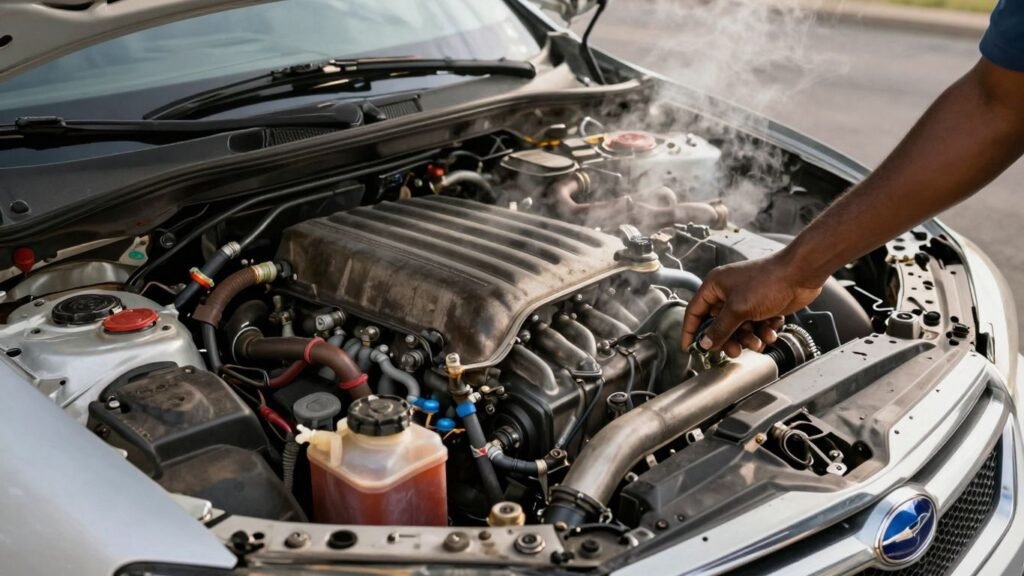
It can be pretty unnerving when your Subaru starts acting up and the temperature gauge starts climbing. Subaru overheating issues explained can seem complicated, but often, the reasons are pretty straightforward. Whether it’s a faulty thermostat, a problem with the cooling system, or something else entirely, understanding the common causes and what to look for can help you get your car back in shape. Let’s break down what might be going on.
Key Takeaways
- Overheating in Subarus often stems from issues within the cooling system, like low coolant levels, leaks, or a malfunctioning water pump.
- Pay attention to warning signs like a rising temperature gauge, steam from the engine, or a sweet smell, which can indicate Subaru overheating issues.
- Thermostats are critical; using genuine Subaru parts is often recommended, as aftermarket ones might not perform as reliably.
- Air trapped in the cooling system can cause overheating, making proper bleeding techniques important after any service.
- OBD-II codes, such as P0483, can point to specific problems like fan control issues, helping to diagnose Subaru overheating problems.
Understanding Subaru Overheating Issues Explained
Common Causes of Subaru Overheating
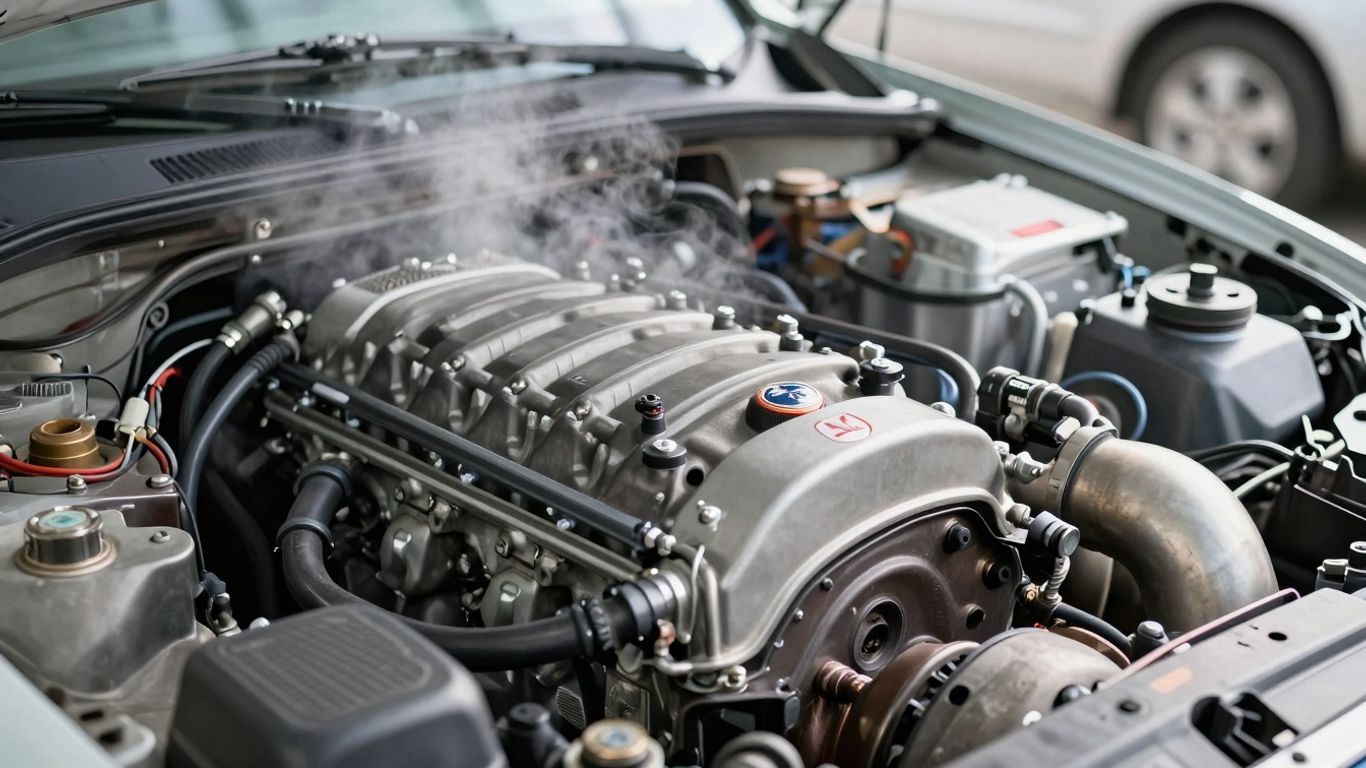
When your Subaru starts running hotter than it should, it’s easy to panic. But usually, there’s a pretty straightforward reason behind it. One of the most common culprits is a problem with the cooling system itself. Think of it like your car’s personal air conditioner. If that’s not working right, things get uncomfortable fast. This could be anything from a simple coolant leak to a more complex issue with the radiator or water pump. Sometimes, it’s just low coolant levels, which is an easy fix if caught early.
Symptoms to Watch For
So, how do you know if your Subaru is running too hot? The most obvious sign is the temperature gauge on your dashboard creeping up into the red zone. You might also notice a sweet, syrupy smell coming from under the hood, which often indicates a coolant leak. Sometimes, you’ll see steam or even smoke billowing from the engine bay. If you see coolant puddles under your car, that’s another big red flag. Don’t ignore these signs; they’re your car’s way of telling you something’s wrong.
The Role of the Cooling System
The cooling system is basically a network of hoses, a radiator, a water pump, and coolant. Its job is to keep the engine at its optimal operating temperature. Coolant circulates through the engine, picking up heat, and then flows to the radiator where it’s cooled by air passing through. The fans help with this process, especially when the car is moving slowly or stopped. If any part of this system fails, like a leaky hose or a clogged radiator, the engine can’t cool down properly, leading to overheating.
A properly functioning cooling system is vital for engine longevity. When it falters, the engine can suffer serious damage, making regular checks and prompt repairs a smart move for any Subaru owner.
Thermostat Malfunctions and Subaru Overheating
Okay, so let’s talk about the thermostat. It’s a pretty small part, but it plays a big role in keeping your Subaru’s engine temperature just right. Think of it like a gatekeeper for coolant. When the engine is cold, it stays closed, letting the engine warm up faster. Once it reaches a certain temperature, it opens up, allowing coolant to flow through the radiator and cool things down. If this little guy gets stuck, either open or closed, you’re going to have problems, and overheating is a common one.
The Importance of Genuine Subaru Thermostats
When it comes to thermostats, especially in a Subaru, sticking with genuine parts is usually the way to go. I’ve seen folks try to save a few bucks with aftermarket ones, and sometimes it works out fine. But other times, those cheaper thermostats just don’t last as long or don’t open at the exact temperature the Subaru’s computer expects. This can lead to all sorts of weird temperature readings and, you guessed it, overheating. The genuine Subaru thermostats are designed to work perfectly with your specific engine and cooling system. They’re built to handle the job reliably.
Signs of a Faulty Thermostat
So, how do you know if your thermostat is the culprit? Well, there are a few tell-tale signs. The most obvious is the temperature gauge on your dash acting weird. If it’s climbing into the red zone way too quickly, or if it’s stuck on cold even after you’ve been driving for a while, the thermostat could be the issue. Sometimes, you might notice your heater isn’t blowing as hot as it used to, especially when the engine is supposed to be at operating temperature. This can happen if the thermostat is stuck open and the coolant isn’t getting hot enough.
Here’s a quick rundown of what to look for:
| Symptom | Potential Thermostat Issue |
|---|---|
| Engine overheating | Stuck closed |
| Temp gauge stays on cold | Stuck open |
| Heater blows cool air | Stuck open |
| Slow engine warm-up | Stuck open |
| Rapid temp gauge rise | Stuck closed |
Thermostat Replacement Procedures
Replacing a thermostat isn’t usually a super complicated job, but it does require some care. You’ll need to drain some of the coolant first, then unbolt the thermostat housing. It’s usually located where the upper radiator hose connects to the engine. Make sure you get the new thermostat in the right orientation – there’s often a small jiggle valve that needs to be positioned correctly. After bolting it back up, you’ll need to refill the coolant and, importantly, bleed any air out of the system. Air pockets can cause their own set of cooling problems, so this step is really important.
Always make sure to use the correct type of coolant for your Subaru. Mixing different types can cause corrosion and gunk up your cooling system, leading to bigger problems down the road. Check your owner’s manual for the specific type recommended.
After the new thermostat is in and the system is refilled, it’s a good idea to run the engine for a bit with the heater on high. Keep an eye on that temperature gauge and check for any leaks around the housing. A test drive, maybe including some hills, is a good way to confirm everything is working as it should.
Coolant Temperature Sensors and Fan Control
Your Subaru’s cooling system relies on a few key players to keep things from getting too hot, and the coolant temperature sensor is a big one. This little gadget tells your car’s computer, the ECM, what the engine’s temperature is. Based on that reading, the ECM decides when to kick on the radiator fans. If the sensor isn’t sending accurate information, the fans might not come on when they should, or they might run all the time.
There are usually two sensors involved. One is for your dashboard temperature gauge, so you can see what’s happening. The other is specifically for the ECM, and it handles things like fuel delivery and, importantly, fan operation. These sensors are typically found in the water crossover pipe. When the coolant reaches a certain temperature, usually around 200-210°F, the ECM gets the signal and activates the fans to pull air through the radiator and cool the engine down.
How Coolant Sensors Impact Fan Operation
The engine control module (ECM) uses the signal from the coolant temperature sensor to manage the radiator fans. It’s a pretty straightforward system: when the coolant gets hot enough, the sensor tells the ECM, and the ECM turns on the fans. If the sensor is faulty, it might send a signal that the coolant is hotter than it actually is, causing the fans to run constantly, even when you’re just cruising. On the flip side, a bad sensor could also fail to signal the ECM that the engine is overheating, leaving the fans off when they’re desperately needed. This can lead to the P0483 code, which basically means the system thinks the fans aren’t doing their job correctly because the temperature isn’t dropping as expected when they’re supposed to be on.
Diagnosing Sensor Issues
Figuring out if your coolant temperature sensor is the culprit can be a bit tricky. Sometimes, the fans might seem to come on at the right temperature according to a scan tool, but the sensor could still be off. A common way to check is by measuring the sensor’s resistance at different known temperatures and comparing it to the manufacturer’s specs. Unfortunately, these specs can be hard to find for specific Subaru models. Another clue is if your dashboard temperature gauge is acting weird, but sometimes the gauge sensor and the ECM sensor are separate, so one can be bad while the other works fine.
When diagnosing, it’s helpful to have a scan tool that can read live data from the ECM. You can see what temperature the ECM thinks the coolant is and compare that to readings from an infrared thermometer pointed at the engine block or thermostat housing. If there’s a big difference, it points towards a sensor problem.
Ensuring Proper Fan Engagement
Making sure your radiator fans are working correctly is pretty important for preventing overheating. If you suspect a problem, checking the fan operation is a good first step. Do they turn on when the engine gets hot? Do they shut off when the engine cools down? If they’re running constantly, or not coming on at all, it’s time to investigate. Sometimes, it’s as simple as a faulty sensor, but it could also be a wiring issue or a problem with the fan relay or motor itself. A P0483 code, "Fan Rationality Check," often pops up when the ECM expects the temperature to drop after turning the fans on, but it doesn’t. This suggests the fans might be running, but not effectively cooling, or the sensor is giving bad readings.
Addressing Air Pockets and System Bleeding
So, you’ve been dealing with your Subaru overheating, and maybe you’ve heard whispers about air pockets in the cooling system. It’s a real thing, and it can mess with your engine’s temperature big time. Think of it like this: coolant needs to flow freely to do its job, carrying heat away from the engine. If there’s a bubble of air stuck somewhere, that spot isn’t getting cooled, and it can create hot spots that lead to overheating. This is especially true after coolant system work, like replacing a thermostat or hoses, where air can easily get introduced.
The Impact of Air in the Cooling System
Air in the cooling system isn’t just a minor inconvenience; it actively prevents proper heat transfer. The coolant temperature sensor might read a normal temperature because the bulk of the coolant is okay, but a trapped air pocket can cause localized overheating. This can lead to premature wear on engine components, and in severe cases, can even cause damage. You might notice your temperature gauge fluctuating more than usual, or the cooling fans kicking on and off erratically. Sometimes, you might even get a P0483 code, which is a fan rationality check, indicating the system isn’t behaving as expected, often due to temperature sensor readings being inconsistent because of air.
Proper Bleeding Techniques for Subarus
Bleeding the air out of a Subaru cooling system is a pretty important step, and it’s not always as simple as just running the engine with the radiator cap off. Many Subarus have specific bleed screws or procedures. A common method involves warming the engine up with the heater set to high and the radiator cap off, allowing air to escape. Some folks find success by slightly raising the idle speed, which can help push air through the system. You might need to do this for a good 20 minutes or more, watching for bubbles to stop coming out. It’s also a good idea to have a shop manual handy, as the exact procedure can vary a bit between models and years.
It’s really about getting all that trapped air out so the coolant can circulate properly. If you don’t get it all, you’ll likely be back to square one with overheating issues pretty quickly.
Preventing Future Air Intrusion
Once you’ve got the system properly bled, you want to keep it that way. Always use the correct type and amount of coolant specified for your Subaru. When topping off or refilling the system, do it slowly and methodically. Make sure any clamps on hoses are tight and that there are no visible leaks. Regularly checking your coolant level is also a good habit. If you notice the level dropping consistently, it’s a sign of a potential leak somewhere, and addressing that leak before it becomes a bigger problem can help prevent air from getting into the system in the first place.
OBD-II Codes Related to Subaru Overheating
On a Subaru, that check engine light can mean just about anything, but when you’re dealing with overheating, OBD-II codes (those P-codes you pull from a scan tool) are like secret messages straight from your car’s brain. Reading and understanding these codes is often the first real step toward figuring out why your Subaru is getting too hot.
Decoding P0483: Fan Rationality Check
Sometimes you’ll see a code like P0483 pop up. This code gets triggered when the engine’s control module thinks something’s off about how the radiator fan is working. Basically, the computer expects the fan to turn on at certain temperatures, and if it doesn’t—or turns on when it shouldn’t—it raises a flag. The reasons can range from a faulty relay to a bad fan motor or even wiring issues. This code is Subaru-speak for "the engine is hotter than it should be, and the fan isn’t doing its job."
| Code | Description | Usual Suspects |
|---|---|---|
| P0483 | Fan Rationality Check | Bad relay, faulty fan, wiring |
| P0117 | Coolant Temp Sensor Low | Failing sensor, short to ground |
| P0118 | Coolant Temp Sensor High | Sensor issue, open circuit |
| P0217 | Engine Overtemp Condition | Low coolant, stuck thermostat |
If you run into any of these codes while overheating, don’t just clear it and roll on—these warnings are the car’s way of begging for help before something really expensive breaks.
Other Relevant Diagnostic Trouble Codes
It’s not all about fans, either. Some codes point you to sensors, wiring, or engine temperature problems. P0117 and P0118 have to do with the coolant temp sensor acting weird—too low or too high voltage. If you’re seeing P0217, that’s as clear as it gets: your Subaru is running way too hot. Ignoring that one is a shortcut to a blown head gasket. Other codes, like P0128, can also hint at thermostat issues where the engine isn’t warming up fast enough or is running too cool, throwing things off balance.
Using Scanners for Diagnosis
Scanners are how most folks find these codes. Plug it in (usually under the left side of your dashboard), turn your key to ON, and watch what pops up on the screen. Some basic scanners just spit out the code, but more advanced ones give you live temperature readings and let you monitor when the fans turn on, or spot patterns that only happen when the car gets hot. The right scan tool makes it way easier to figure out if this is a glitch or a real overheating problem.
A scanner won’t fix your car, but it takes a whole lot of guesswork out of the process. If you’re not sure what your code means, write it down before clearing and take it to someone who works on Subarus regularly.
Advanced Subaru Overheating Considerations
Head Gasket Issues and Overheating
Sometimes, when your Subaru starts running hotter than it should, it’s not just a simple coolant issue. A blown head gasket can be the culprit. This happens when the seal between the engine block and the cylinder head fails. When this seal breaks, hot exhaust gases can leak into the cooling system, or coolant can leak into the combustion chambers. This contamination messes with the coolant’s ability to do its job, leading to overheating. You might also notice white smoke from the exhaust, a milky appearance in the oil, or coolant loss without any visible leaks. Fixing a head gasket is a big job and usually requires professional attention.
Variable Valve Timing System Impact
Subaru’s Variable Valve Timing (VVT) system is pretty neat, helping your engine run efficiently. However, if the VVT system isn’t getting the right oil pressure or if there are issues with its solenoids, it can indirectly affect engine temperature. While not a direct cause of overheating like a bad thermostat, a malfunctioning VVT system can sometimes lead to the engine working harder than it needs to, which can contribute to higher temperatures, especially under load. It’s another layer to consider when diagnosing persistent heat problems.
Mass Airflow Sensor and Related Codes
While the Mass Airflow (MAF) sensor’s primary job is to measure the air entering the engine for the fuel mixture, a faulty MAF sensor can sometimes play a role in overheating scenarios. If the MAF sensor is giving incorrect readings, the engine’s air-fuel ratio can be thrown off. This can cause the engine to run lean, meaning there’s too much air and not enough fuel. A lean condition makes the engine run hotter. You might also see related OBD-II codes like P0101 or P0102. It’s less common than cooling system parts failing, but it’s worth keeping in mind if other causes have been ruled out.
Diagnosing overheating can sometimes feel like a puzzle. It’s easy to focus only on the radiator and coolant, but remember that other engine systems can influence temperature. Checking for related codes and understanding how different components interact is key to finding the real problem.
Wrapping It Up
So, if your Subaru is running hotter than a July sidewalk, don’t panic. We’ve gone over a bunch of reasons why this might be happening, from simple stuff like low coolant or a bad thermostat to more complex issues with sensors or even the engine itself. Keeping up with regular maintenance, like checking your coolant levels and using the right parts, can really help avoid a lot of these headaches. If you’re not comfortable poking around under the hood, or if the problem seems a bit beyond a quick fix, it’s always best to get it checked out by a mechanic who knows Subarus. They’ve got the tools and the know-how to figure out what’s going on and get you back on the road safely.




