Key Takeaways
Finding a suitable replacement engine requires careful planning and research to ensure technical compatibility with your specific vehicle. These points summarize the essential steps for sourcing a reliable unit in the South Australian market.
- Identify your engine exactly by the VIN and production code.
- Understand the distinction between basic and forced-induction variants.
- Inspect physical components and service records before making any commitment.
- Negotiate warranty terms early to establish clear protection for your investment.
- Prioritize local recyclers with experience in specialized Boxer engine systems.
Understanding Subaru Outback engine compatibility
Transitioning to a replacement engine in your vehicle starts with identifying the exact technical specifications of your current unit. Because manufacturers often update components throughout a production cycle, making an assumption based on the model year alone can lead to significant installation mismatches.
Identifying your specific engine code and generation
To find your engine code, locate the compliance plate usually found in the engine bay or on the door pillar. This character string provides the definitive guide for engineers and parts suppliers, ensuring you do not purchase a block that lacks necessary mounting points or sensor ports. Taking a photo of this plate remains the most reliable method when discussing inventory with wreckers.
Differentiating between naturally aspirated and turbocharged variants
Distinguishing between these engine types is crucial because they utilize different cooling systems and internal reinforcements to handle varying compression levels. While they may share external geometry, forcing a turbo-spec engine into a non-turbo vehicle often results in immediate electronic communication failures. Focusing on your specific requirements prevents the common mistake of buying an incompatible performance short-block.
Assessing compatibility across model years and trims
Even within the same generation, minor revisions to the Subaru engine architecture can affect how accessories like the alternator, air conditioning pump, and steering rack attach to the block. Always cross-reference your specific chassis number with the inventory database of any supplier. This preventative research step saves immense frustration during the physical labor phase of your project.
Best places to find used engines in Adelaide
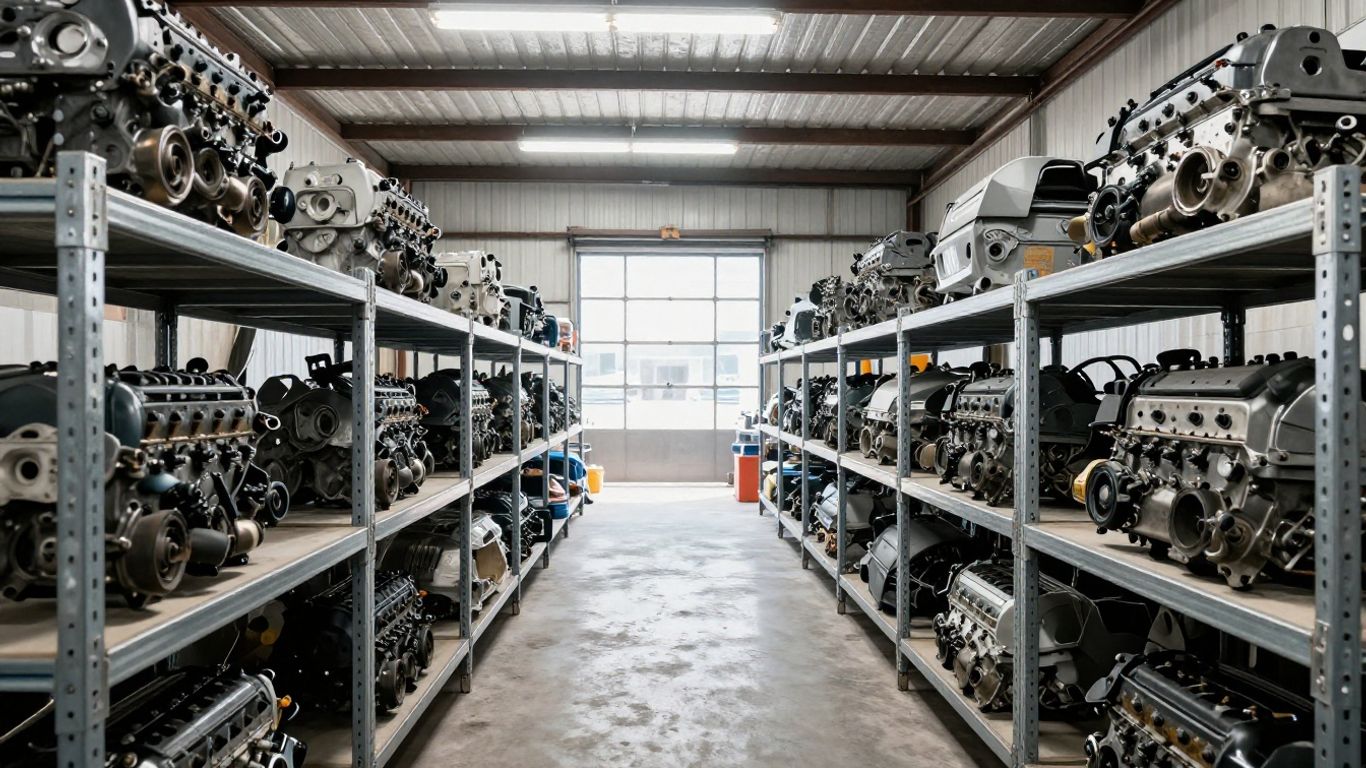
Locating high-quality second-hand components involves scouting various automotive salvage networks throughout the local area. By keeping your search focused on Adelaide, you reduce shipping costs and allow for easier in-person inspections. Reliable suppliers often keep documented histories for the vehicles they dismantle, which adds a layer of assurance to your purchase.
Navigating local automotive wrecking yards
Local yards in regions like Wingfield or Lonsdale frequently process various accident-damaged vehicles that still possess functional powertrains. When visiting in person, prioritize identifying cars that have clearly been maintained in an upright and relatively clean condition. These sites are often the most cost-effective solution for sourcing major assemblies.
Utilizing online marketplaces and specialized classifieds
Digital platforms allow you to compare prices across a wider inventory than a single physical site could offer. While convenient, rely on platforms that allow for direct communication where you can request detailed images of the engine serial number and condition. Never finalize a purchase via an online ad without verifying the seller’s business reputation first.
Working with dedicated Subaru recyclers in South Australia
Specialized recyclers differ from general salvage yards because they possess the specific tools to test individual Boxer engines before they enter the inventory pile. The table below illustrates the typical service differences encountered when dealing with professional recyclers versus general dealers.
| Feature | General Wrecker | Dedicated Subaru Recycler |
|---|---|---|
| Parts Testing | Limited visual inspection | Comprehensive mechanical test |
| Technical Support | Minimal advice provided | Expert compatibility guidance |
| Inventory Accuracy | Varied and broad | Specialized Subaru focus |
Selecting a specialist who focuses on the brand ensures that the engine you receive has been correctly removed and stored according to professional standards.
Inspecting a second-hand engine before purchase
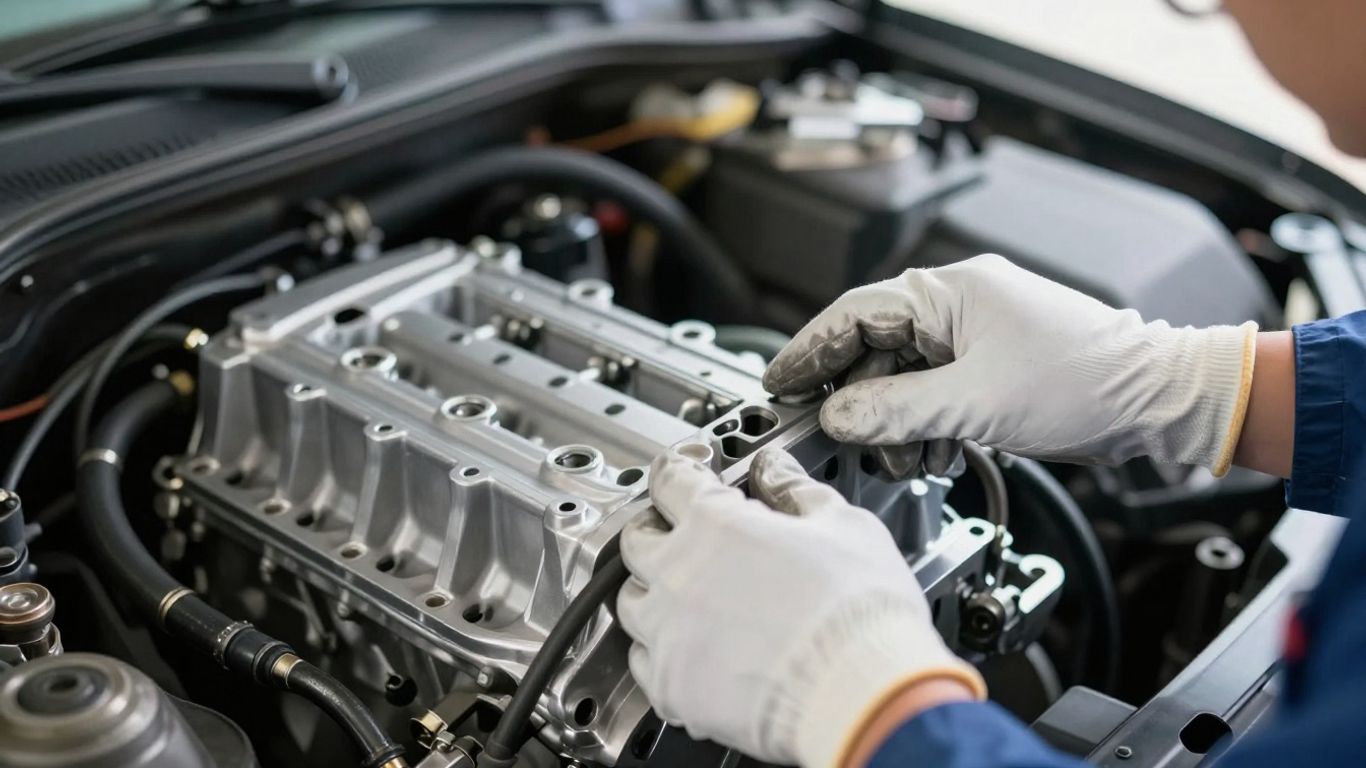
An engine is a complex assembly of moving parts, and its exterior look can sometimes be misleading if you do not understand what to examine. Taking the time to perform a structured assessment protects you from inheriting someone else’s neglected maintenance. Always inquire about the donor vehicle’s mileage and the circumstances under which it was decommissioned.
Analyzing service history and maintenance logs
Requesting the original service logbook is the best way to verify that the timing chain or belt was changed at the appropriate interval. If this documentation exists, it acts as a strong indicator that the vehicle was treated with care. Engines that show gaps in their oil change history carry a higher risk of bearing wear.
Conducting a thorough physical exterior assessment
Look for signs of fluid leaks around the valve covers and oil pan, which may indicate worn seals that require attention before installation. Check that the plastic connectors and rubber hoses remain supple rather than brittle. Fresh oil residue can suggest recent heavy use that might warrant deeper investigative steps.
Performing compression and leak-down tests
These diagnostic procedures provide the most accurate quantitative data regarding the health of the cylinders and internal seals. By conducting these tests, you gain confidence that the combustion chamber maintains the required integrity for reliable operation.
A successful compression test confirms that the rings and valves sustain proper pressure. When paired with a leak-down reading, you obtain a clear picture of internal engine health that surpasses simple visual observation.
Following these technical diagnostic steps effectively separates functional, long-lasting assemblies from those requiring a complete teardown and rebuild.
Checking for internal sludge and signs of overheating
Checking for hardened oil residue beneath the oil filler cap helps identify poor maintenance habits consistent with engine sludge. Simultaneously, inspect the cooling ports for evidence of corrosion or mineral buildup that might signal a history of significant overheating issues.
Evaluating warranty and refund policies
Understanding the legal and practical limits of an engine purchase is just as important as the mechanical assessment. Most professional wrecking facilities provide a short-term warranty to cover mechanical defects that emerge after the initial install. Clarity here prevents disputes later if the unit arrives with undisclosed faults.
Defining standards for parts and labor warranties
Clarify whether the warranty covers only the physical engine block or if it extends to included ancillaries like sensors or pulleys. A robust policy often allows for a replacement unit to be supplied if the initial engine fails to meet stated performance markers within the defined period. Always ensure these terms are written clearly on your purchase invoice.
Understanding return windows for non-functional units
Establish the timeline for when an engine must be installed and tested following delivery. Most suppliers allow a 30-day window to confirm that the unit functions correctly once the vehicle is put into service. Prompt installation allows you to report any issues within these timeframes to secure your refund or exchange.
Negotiating terms with private sellers versus professional wreckers
When buying from a private seller, you usually sacrifice formal warranty protection in exchange for a lower price point. Conversely, professional recyclers and wreckers build the cost of that safety net into their pricing. Balancing this choice requires weighing how much time you are willing to risk on potential repairs versus the initial lower cost.
Logistics and installation considerations
Moving an engine involves more than just a hoist, as you must also navigate the requirements of modern electronic management systems. Ensuring all peripheral components are replaced simultaneously helps avoid a situation where a simple coolant hose failure causes the entire engine to overheat shortly after the swap. Planning this phase minimizes downtime for your daily driver.
Arranging safe transport within the Adelaide metropolitan area
Secure a transport vehicle capable of handling both the weight and the specific mounting requirements of a balanced Boxer engine. Ensure the unit is bolted down firmly to prevent it from shifting during transit. Using a pallet allows for stability and easier manipulation when moving the engine into your garage.
Preparing the vehicle bay for the engine swap
Clear all necessary wiring looms and peripheral hardware before attempting to lift the engine out of the chassis. Documenting the location of each harness helps during the reinstallation phase. A clean environment free of loose debris or oil spills is essential for a safe working space when performing complex swaps.
Identifying essential components to replace during install
While the engine rests outside the bay, it is the most efficient time to perform preventative maintenance tasks. Replace items like the water pump, spark plugs, and main drive belts, which are significantly easier to reach before the engine connects to the transmission. Investing in these new components ensures longevity for your updated Subaru powertrain.
Managing ECU pairing and software requirements post-installation
Modern vehicles often require the engine control unit to recognize the specific identification numbers of the new components to function correctly. Ensure your workshop or technician has the right software to perform these digital handshakes after physical installation. Improper electronic configuration can prevent the engine from starting or cause limp-mode operation despite a healthy mechanical build.
Conclusion
Sourcing a reliable engine for your Subaru Outback in Adelaide requires careful alignment of mechanical verification, logistical planning, and clear communication with suppliers. By following these steps and focusing on your vehicle’s exact requirements, you can achieve a successful installation that keeps your car running effectively for many years to come.




