
Key Takeaways
A little preparation can make buying a second-hand Subaru part more straightforward. Check fit, condition, warranty terms, and the full cost before you commit.
- Confirm the Subaru’s year, trim, engine, and part number before requesting a quote.
- Compare used parts with new or aftermarket options using the same criteria.
- Ask what the warranty covers, when it begins, and how claims are handled.
- Request clear details about the donor vehicle and the part’s condition.
- Get the full price, return terms, and installation responsibilities in writing.
Why choose a Subaru wrecker in Frankston
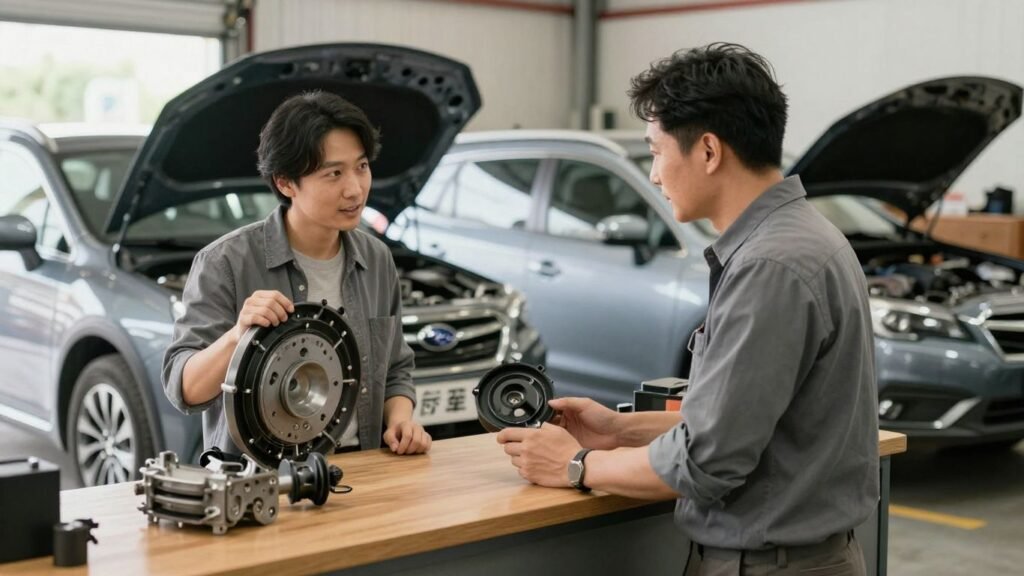
A Subaru wrecker in Frankston may be a practical place to begin when you need a replacement part and want to consider second-hand options. Availability, condition, and warranty terms can vary, so it pays to ask specific questions rather than assume every part is alike. The phrase Subaru wreckers Frankston – second hand parts with warranty describes a search, not a promise that every item comes with the same coverage. Use the first conversation to explain what you need and establish what the seller can confirm.
Get access to parts from dismantled Subaru vehicles
A dismantled vehicle can provide a source for parts that are no longer needed on the original car. Ask the seller whether the exact component is available, and request its condition and identification details before arranging a purchase. If you are unsure of the name of the part, a photo or a description from your repairer can help you explain what you are looking for.
Compare used parts with new and aftermarket options
A used part is one option among several, and the best comparison depends on the repair, the part’s condition, and the terms offered. Instead of comparing prices alone, check what is included and what you would need to arrange separately. This simple breakdown can help keep the decision grounded in the actual job.
| Option | Details to compare | Useful question |
|---|---|---|
| Second-hand part | Condition, fit, and warranty terms | What is known about this specific item? |
| New part | Price, availability, and supply details | Does the quote include everything required? |
| Aftermarket part | Compatibility and seller terms | Which vehicle details confirm the fit? |
The table is a starting point, not a ranking: the right choice depends on your Subaru and the repair. Ask for comparable details from each seller so you can assess the total cost and the support available if there is a problem.
Consider local pickup and delivery availability
Before placing an order, ask whether pickup is available and whether delivery can be arranged to your location. Confirm any delivery charge, estimated timing, and how the part will be packaged, especially if it is large or delicate. These details can change the real cost of a purchase, so include them when comparing quotes.
Find the right part for your Subaru
Finding a part that looks right is not enough to establish that it will fit your vehicle. Subaru model names can cover different years and configurations, so share as much identifying information as you can when making an inquiry. Check fit before payment and ask the seller to confirm compatibility using the details for your specific car.
Confirm the model year, trim, and engine
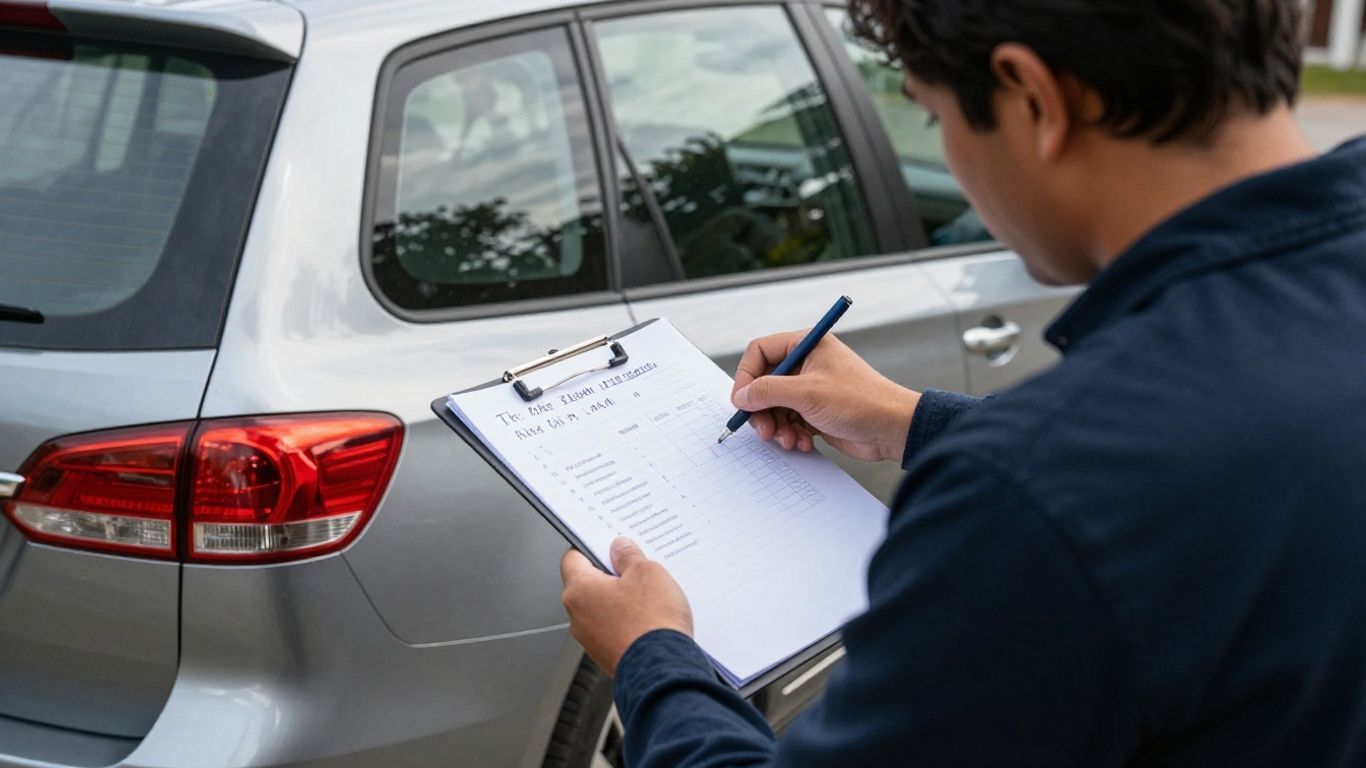
Write down the model year, trim, and engine information before contacting a seller. If you are uncertain about any of these details, check your vehicle documents or ask a repairer to help identify them. Giving complete information early can make it easier for the seller to check the requested part against your vehicle.
Match part numbers and vehicle identification details
When available, provide the part number from the component you are replacing and the vehicle identification details requested by the seller. A part number can help distinguish components that appear similar, while vehicle details give the seller another way to check fit. If numbers do not match, ask for an explanation and confirmation before buying rather than relying on appearance alone.
Check whether the part fits related Subaru models
A seller may be able to advise whether a part is suitable for another model or year, but do not treat a shared name or similar appearance as confirmation. Ask which exact versions the seller has checked and whether any differences affect installation or function. When the fit remains uncertain, have a qualified repairer verify it before you order.
Understand what a parts warranty covers
A warranty can offer recourse if a part has a problem, but the word alone does not tell you what protection is included. Terms may differ by seller and by part, so request the conditions that apply to the specific item you are considering. Read them before payment, and keep a copy where you can find it later.
Check the warranty period and start date
Ask how long the warranty lasts and what event starts the coverage period, such as purchase or installation. Check whether the stated period applies to the exact part being sold, rather than assuming all items share one policy. Make a note of the dates and keep the written terms with your receipt.
Review exclusions for wear, installation, and misuse
Exclusions can be just as important as the coverage itself. Ask whether the terms address pre-existing wear, installation, or misuse, and whether particular installation steps are required. A clear answer now can prevent confusion if you later need support.
A warranty is easiest to rely on when its limits and claim steps are clear before purchase.
If the wording is unclear, ask the seller to explain it in plain language and confirm the answer in writing. This is especially useful when you will have a workshop install the part or when the item’s condition needs careful interpretation.
Ask how to make a claim or arrange a replacement
Find out who to contact if the part fails, arrives damaged, or turns out not to fit as confirmed. Ask what evidence may be needed, whether the part must be returned, and how the seller handles a replacement or other remedy. Knowing the process in advance makes it easier to act promptly if a concern arises.
Assess a second-hand part before buying
A second-hand part can have a history that is not obvious from a brief listing or photograph. Request details about its source and condition, and take time to review what the seller can verify. If inspection is possible, check the item in person or ask a repairer to assess it before you make a decision.
Request details about the donor vehicle
Ask which vehicle the part came from and what information is available about that car, including its model year and configuration. You can also ask why it was dismantled, if the seller knows, and whether the part’s identity has been recorded. Treat details that cannot be confirmed as unknown rather than filling in the gaps yourself.
Ask about condition, testing, and refurbishment
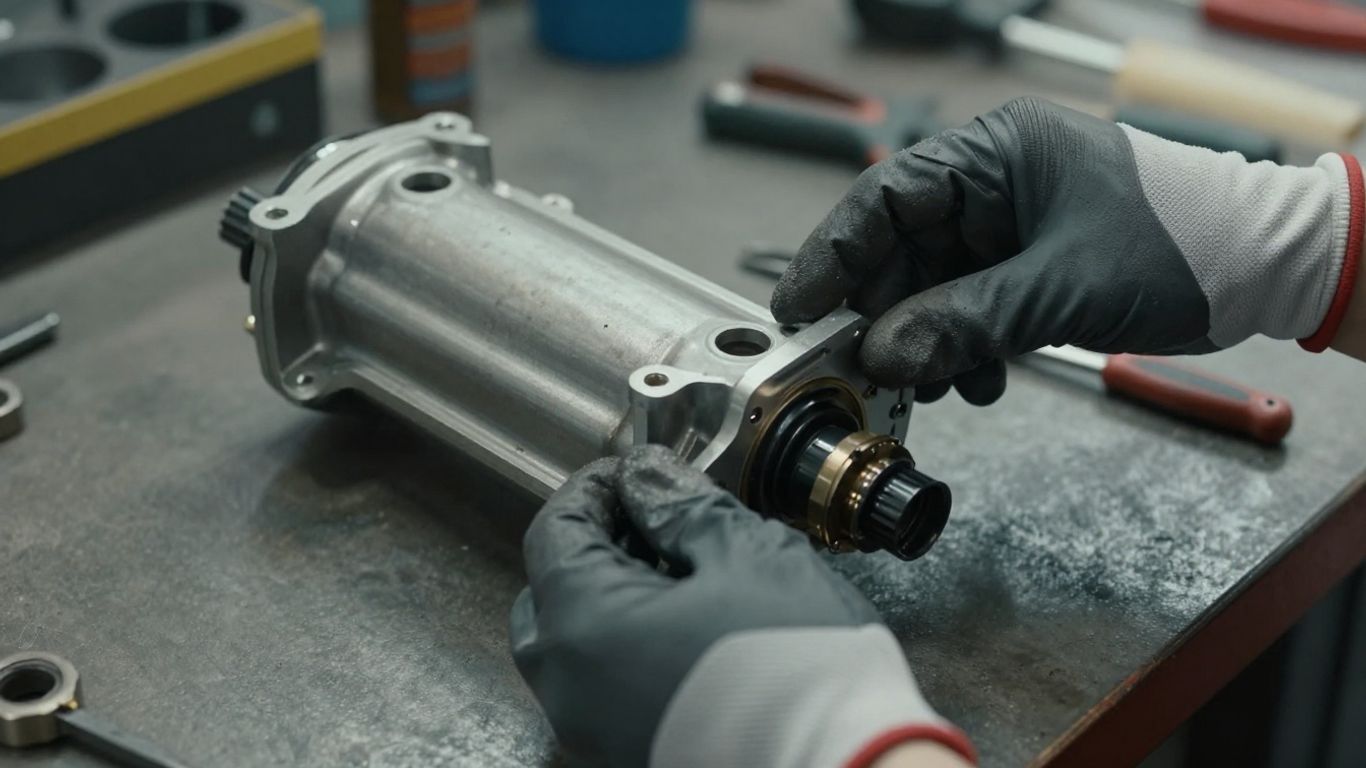
Ask the seller to describe the part’s condition and explain whether it has been tested, repaired, or refurbished. The answer may depend on the type of component, so request details that relate to the item in front of you rather than a general assurance. If a test or refurbishment is claimed, ask what was done and whether any records are available.
Look for damage, corrosion, or signs of excessive wear
When you can inspect the item, look for cracks, bent sections, corrosion, missing fittings, and wear that could affect installation or use. Photos can help you check visible details before travelling, but they may not show every surface or issue. If something concerns you, ask for a closer image or have a repairer review the part before agreeing to buy.
Compare quotes and buying terms
A low quoted price does not always reflect the full amount you will pay or the terms attached to the sale. Ask each seller for a clear description of the part, its condition, and the costs or services included. Comparing like with like helps you decide whether an apparent saving suits your repair.
Compare the total cost, including shipping and installation
Ask whether the quote includes delivery, packaging, taxes, or any other charges that apply to the transaction. Installation may be separate, so check what your workshop will charge and whether additional items are needed to complete the repair. A written total makes it easier to compare offers without overlooking costs that arise later.
Confirm return, exchange, and refund conditions
Before paying, ask what happens if the part does not fit, arrives in a different condition than described, or is no longer needed. Clarify any time limits, return shipping responsibilities, and whether an exchange or refund may be available. Do not assume that a warranty automatically sets the seller’s return conditions; ask about each separately.
Get the part description and warranty terms in writing
Keep a written record of the component being sold, including any part number, stated condition, confirmed fit details, price, and warranty terms. A message or invoice can give both sides a clear reference if questions come up later. Check that the written description matches what you discussed before completing the order.
Plan installation and after-sales support
A suitable part still needs to be installed correctly and checked as part of the repair. Before buying, consider who will fit it and whether that person needs to inspect the item first. Planning the handover, paperwork, and follow-up contact can make the process less stressful if the part needs attention after installation.
Decide whether professional installation is needed
Some repairs call for experience, tools, or diagnostic checks that are best handled by a qualified repairer. Ask your workshop whether they can confirm the part’s fit before installation and whether they have any specific requirements. If the repairer advises against using a component, clarify the reason before proceeding.
Keep receipts and installation records
Save the invoice, warranty terms, seller correspondence, and any documentation related to installation. Record the date the work was completed and who carried it out. Keeping these details together can help you explain the issue clearly if you need to contact the seller later.
Confirm who to contact if the part fails or does not fit
Before the purchase is final, make sure you know whether the seller, installer, or another contact handles questions about a fault or fit issue. Confirm the preferred contact method and what information to provide, such as the invoice, part number, and installation details. A clear route for follow-up completes the purchase decision, rather than leaving you to work it out under pressure.
Conclusion
Buying a second-hand Subaru part is easier to manage when you verify fit, inspect condition, compare the full cost, and understand the written warranty and return terms. Take time to ask direct questions and keep the answers with your purchase records, so you can choose an option that suits both the vehicle and the repair.




