Key Takeaways
A careful search can make a used Subaru part a practical repair option, but fitment and condition deserve close attention. Confirm the details before arranging a purchase.
- Match the part to the vehicle’s year, generation, trim, and mechanical setup.
- Use the VIN and part number to help confirm compatibility.
- Ask about condition, included components, warranty, and return terms.
- Check pickup or delivery arrangements before committing to a purchase.
- Compare the total repair cost with the risks and benefits of a new part.
What Subaru wreckers do
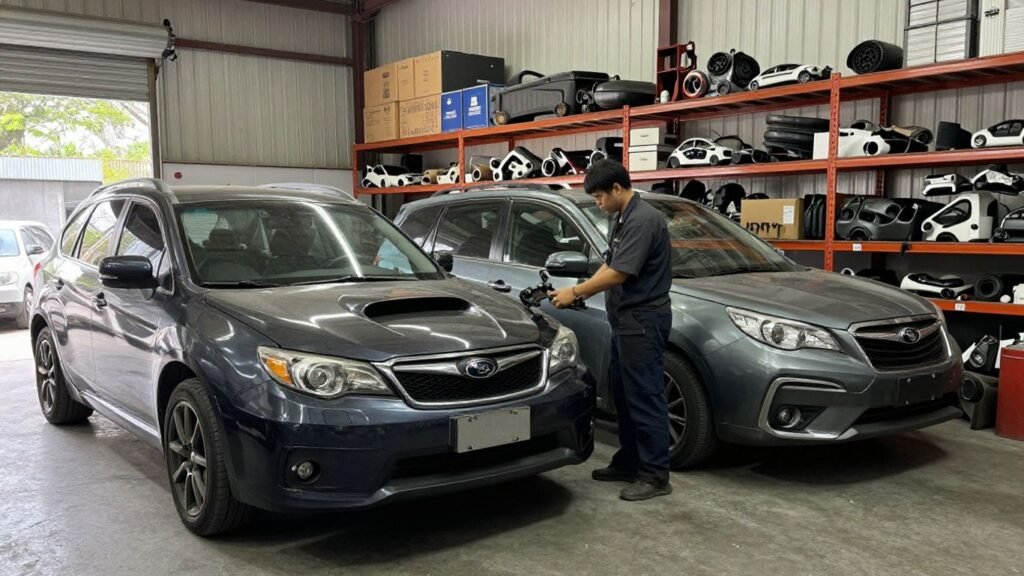
Subaru wreckers dismantle vehicles and make usable components available for reuse. Their stock can change as vehicles arrive and parts are assessed, so availability is rarely something to assume from a model name alone. A useful conversation starts with the exact vehicle and the part you need. It also helps to understand how the part was described and what that description does, and does not, tell you.
How vehicles are dismantled and parts are cataloged
A vehicle may be assessed before selected components are removed, identified, and recorded for later reference. Catalog details can include the model, year, part description, and a stock or part number, though the level of detail varies. When you contact a wrecker, ask how the part is labeled and whether its identification has been checked against the vehicle it came from. Clear catalog information makes it easier to compare a possible match with your own vehicle.
When a used Subaru part may be a practical choice
A used component may suit a repair when its condition is acceptable, compatibility is confirmed, and the cost makes sense for the job. Cosmetic marks may matter little on some components, while wear or damage can be critical on others. Consider the part’s role, the labor needed to install it, and what happens if it does not work as expected. The total repair cost is more useful than the part price by itself.
Which components are commonly available
Stock depends on the vehicles a wrecker has received and the parts that have been assessed for reuse. You might ask about body panels, mirrors, interior pieces, lighting, wheels, or mechanical components, but no particular item should be treated as guaranteed inventory. The following examples can help make an inquiry specific.
| Part category | Details to confirm |
|---|---|
| Body and exterior | Side, position, color, and mounting points |
| Interior | Trim, connector type, and included fittings |
| Lighting and electrical | Part number, plugs, and tested status |
| Mechanical | Engine or transmission code and condition |
Use the table as a prompt for questions, not as a promise that any part is available. A wrecker can confirm whether a suitable item is in stock and what identifying details it can provide.
How wreckers handle end-of-life vehicles
Vehicles at the end of their useful road life may still contain components that can be assessed for reuse. Other materials need to be handled or processed separately, and procedures can vary between businesses. If you are arranging disposal as well as looking for a part, ask what services are available and what information or paperwork is required. Keep separate any questions about buying a component from questions about a vehicle’s disposal.
Finding compatible WRX and Forester parts
A WRX or Forester badge is a starting point, not a fitment guarantee. Model year, generation, trim, market specification, and mechanical configuration can all affect whether a part matches. Before paying, gather the information from your vehicle and compare it with the part details supplied by the wrecker. That small step can prevent a return or a repair delay.
Match parts by year, generation, and trim
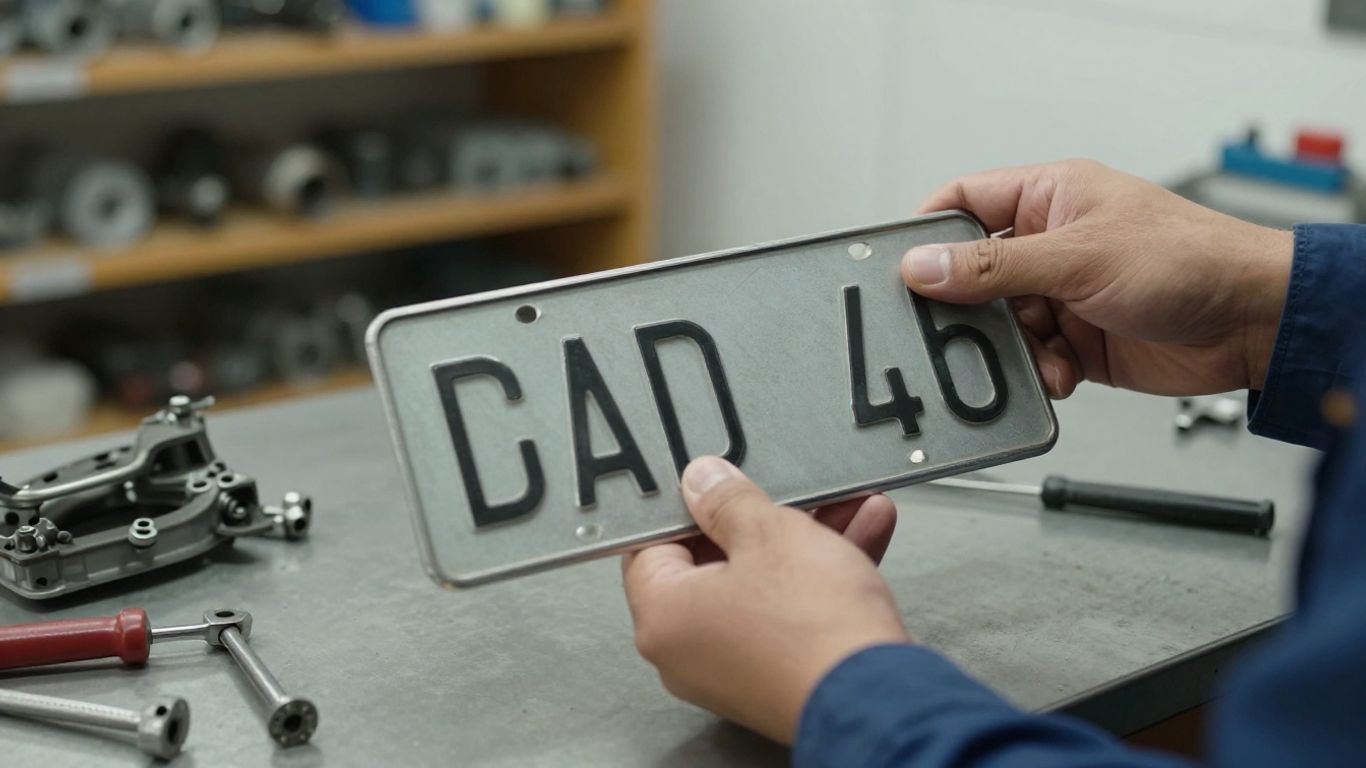
Begin with the vehicle’s model year and generation, then note its trim or variant if you know it. Similar-looking components can change between updates, and a part that fits one version may not fit another. Share these details when asking about stock, rather than relying on a broad description such as “Forester part.” If you are unsure of the generation, the vehicle documents or a parts professional may help identify it.
Use the VIN to confirm fitment
The vehicle identification number can help distinguish your exact vehicle when model names and years leave room for uncertainty. Provide the VIN to the wrecker and ask whether it can be used to check the proposed part. A VIN is useful supporting information, but it does not replace confirming the part number, configuration, and any relevant variations. If you prefer not to send it in an open message, ask about a suitable way to share it.
Check engine, transmission, and drivetrain differences
Mechanical components may depend on the engine, transmission, or drivetrain configuration, so confirm those details before treating a part as interchangeable. WRX and Forester versions can differ, and changes within a model range may matter too. Check the codes or specifications shown on your vehicle or existing component, then compare them with the donor part information. When details are unclear, have the installer or a knowledgeable parts professional review the match.
Verify interchangeability before buying
A shared shape or familiar part description does not prove that two components will work together. Ask the wrecker to confirm the part number or other fitment information and explain any known limitations. Save the response, especially if you will rely on it when arranging installation or discussing a return.
Confirm the exact application before treating a similar-looking part as a match.
That check is particularly worthwhile when the part is costly, difficult to install, or tied to a vehicle’s mechanical setup. If fitment remains uncertain, pause the purchase until the relevant details are resolved.
Buying used parts from a local Subaru wrecker
A focused inquiry makes it easier for a local wrecker to understand what you need and check what may be available. Include the vehicle details, part description, and any numbers you can read from the old component. Then clarify condition, what is included, and how the part can reach you in Campbelltown. A clear exchange up front leaves less room for assumptions later.
Share your vehicle details and the part number
Tell the seller the year, model, generation, trim, and engine or transmission information where relevant. Include the part number from the original component if you can access it, along with a concise description of the problem or repair. Photos of the existing part can help explain the request, but do not use them as the sole fitment check. Ask the wrecker to confirm which details it needs before searching its stock.
Ask for photos and condition information
Request current photos of the actual part when appearance or visible damage matters. Ask what has been inspected, whether the part has been tested, and whether any faults or missing pieces are known. A photo can show surface condition, but it may not reveal internal wear or confirm operation. Use it alongside a clear written description rather than as a substitute for one.
Confirm what is included with the part
A component may be sold on its own or with some attached hardware, trim, or fittings. Ask exactly what will be included and whether anything shown in a photo is excluded from the sale. This is especially useful if installation depends on a bracket, connector, or related piece. Confirming the contents beforehand helps you avoid discovering that an additional item is needed after the part arrives.
Check pickup and delivery options in Campbelltown
Before committing, ask where the part can be collected, whether delivery to Campbelltown is available, and what the expected arrangements and costs are. Large or fragile components may need different handling from small items. If you plan to collect it, confirm opening times and whether payment or identification requirements apply. Get the practical details in writing so collection or delivery can be planned around the repair.
Assessing part condition, warranty, and returns
Used parts are not all described in the same way, and a short condition label can leave important questions unanswered. Ask what checks were actually completed and what remains unknown. Before purchase, also clarify warranty coverage and the process for a return if the part is faulty or does not fit. These terms can vary, so rely on the seller’s stated conditions rather than assumptions.
Understand tested, inspected, and untested descriptions
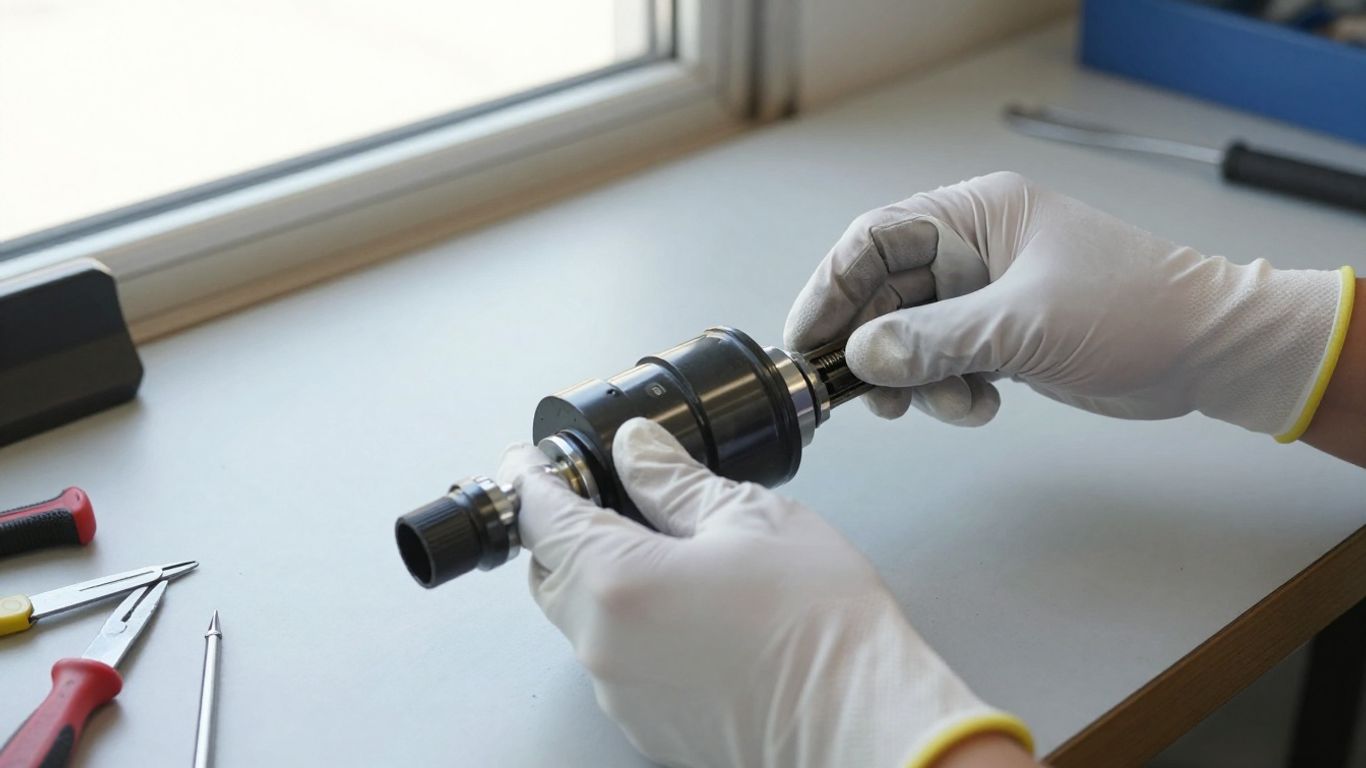
“Tested,” “inspected,” and “untested” can describe different levels of assessment. Ask what the seller did, when the check took place, and what the result covers. For an untested part, find out whether it is being sold with limited assurances or on another stated basis. A specific explanation is more useful than a label alone, particularly when operation cannot be checked after installation.
Ask about warranty coverage and exclusions
Ask whether a warranty is offered, how long it lasts, and which failures or circumstances it covers. Clarify whether installation must be carried out by a qualified repairer, and whether the warranty excludes labor, wear, or damage caused during fitting. Do not assume every used part has the same protection. Keep a copy of the terms before you purchase so there is a clear reference if a problem arises.
Confirm the return period and restocking terms
Check how soon a return must be requested, what condition the part must be in, and whether a restocking fee or other charge applies. Ask how the seller handles a confirmed fitment mismatch compared with a change of mind. Also clarify who pays return shipping, if relevant. Knowing these details beforehand makes it easier to judge the risk of buying a part whose compatibility is not fully certain.
Keep invoices and written fitment confirmations
Save the invoice, the part description, and any messages that confirm the intended vehicle application. If a seller identifies a part as suitable for your vehicle, keep that response with the purchase records. Take note of any serial or stock number shown on the component when it arrives. Good records make it simpler to explain a concern and refer back to the agreed terms.
Choosing a WRX and Forester specialist
A specialist’s value is not just the size of a stock list; it is also how clearly the seller can discuss fitment and condition. Ask questions that test whether the person understands the differences relevant to your vehicle, without assuming that every seller handles every component. Compare the information you receive as carefully as the quoted price. Clear, specific answers are a useful sign of a well-managed purchase conversation.
Look for Subaru-specific knowledge
Ask how the seller distinguishes parts across WRX and Forester years, generations, and configurations. A useful response should address the details that affect your particular request rather than relying only on the model badge. You can also ask what information would help verify fitment. If the seller cannot establish a match, an honest explanation of the uncertainty is better than an unsupported assurance.
Compare availability, pricing, and communication
Availability can change, so confirm that the quoted part is currently on hand and matches the description given. Compare the full cost, including delivery or other stated charges, and check what support is offered if a fitment concern appears. Pay attention to how promptly and clearly questions are answered. Practical communication matters when a repair depends on getting the correct component in time.
Ask how performance or modified parts are assessed
If you are sourcing a performance-related or modified component, ask whether it is original, altered, or supplied with other changes. Request details about its condition, compatibility, and any known limitations. Modifications can affect fitment and use, so a standard model description may not tell the whole story. If the seller cannot confirm an important detail, consult the installer before purchasing.
Check reviews and business details
Read recent customer feedback for patterns in communication, accuracy, and how concerns were handled. Reviews are individual experiences, not a guarantee of what will happen in your case. Confirm the seller’s business details and make sure the invoice and purchase terms identify the business clearly. A little checking can help you make a more informed decision without treating online ratings as the only evidence.
Making a more sustainable Subaru repair
Choosing a suitable used part can keep a serviceable component in use rather than requiring a new replacement in every case. That does not make every used component the right choice, and condition still comes first. Consider the repair as a whole, including safety, labor, and likely service life. A thoughtful decision can balance resource use with what the vehicle actually needs.
Reuse serviceable parts where appropriate
When a used component is compatible and its condition suits the repair, reuse may be a reasonable option. Ask how it was assessed and whether its expected role matches the demands of the vehicle. For safety-critical or heavily worn items, seek advice from a qualified repairer before deciding. The point is not to reuse at any cost, but to reuse where the part can serve the repair appropriately.
Recycle fluids, batteries, and scrap materials responsibly
Vehicle fluids, batteries, and scrap materials should be handled through appropriate recycling or disposal channels rather than discarded casually. If you are arranging work yourself, ask the repairer or local waste service how those materials should be managed. If a vehicle is being dismantled, check what the service provider does with materials that cannot be reused. Responsible handling is part of the repair or disposal decision, not an afterthought.
Balance used-part savings against installation costs
A lower purchase price may not mean a lower final bill if the part needs extra checks, fitting time, or related components. Compare the quoted price with delivery, installation, and any likely follow-up work. Consider how difficult the component would be to remove again if it proves unsuitable. A used part is most compelling when its fit, condition, and total cost make sense together.
Know when a new part is the safer option
A new part may be preferable when the used item’s history is unclear, the component is safety-critical, or no reliable fitment match can be confirmed. Your mechanic can help weigh the part’s role, condition, and replacement options. For some repairs, the certainty of a new component may justify the added expense. Choose based on the demands of the job rather than on price alone.
Conclusion
Finding a suitable used WRX or Forester part comes down to confirming the details and understanding the terms before purchase. Share accurate vehicle information, ask specific questions about condition and fitment, and compare the full repair cost. With those checks in place, a local Subaru wrecker can be one option to consider when planning a repair in Campbelltown.




