
Key Takeaways
A used transmission can be a sensible way to restore a Subaru without paying for a brand-new assembly, but the match must be exact. Careful identification, inspection, and installation matter as much as the advertised price.
- Confirm the model, year, engine, drivetrain, and transmission identification number before buying.
- Compare the complete cost, including freight, removal, installation, fluids, seals, and possible extra parts.
- Treat slipping, delayed engagement, unusual noises, leaks, and warning lights as reasons for proper diagnosis.
- Ask for testing details, mileage, service history, warranty terms, and a clear return process.
- Have the replacement fitted and checked by a qualified mechanic, then follow a sensible maintenance routine.
Understanding used Subaru transmissions
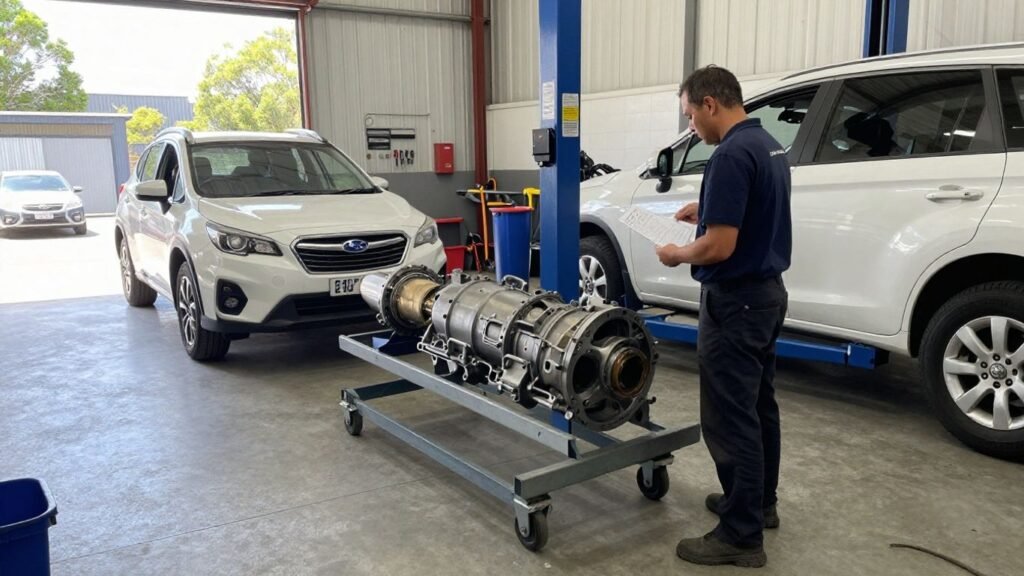
A used transmission is more than a low-cost replacement pulled from another vehicle. Its condition, mileage, included components, and compatibility with the rest of the drivetrain all affect whether it is a practical purchase. Before comparing Used Subaru transmissions Mount Gambier – competitive prices, it helps to understand what you are actually buying. That makes it easier to separate a genuine value option from an assembly that may create more work later.
What a used transmission includes
The central item is the transmission assembly, but the exact contents of a sale can vary. Some sellers provide a complete unit with attached sensors, brackets, or transfer-case components, while others sell a more basic housing and internal assembly. Ask for a written description of what is included rather than assuming every visible part will arrive with it.
The vehicle may also need new seals, fluid, filters, mounts, or related hardware during installation. These items are not always part of the advertised transmission price. The complete purchase cost is therefore more useful than the headline figure when comparing options.
Common Subaru transmission types
Subaru vehicles may be fitted with manual transmissions, conventional automatic transmissions, or continuously variable transmissions, depending on the model, year, engine, and drivetrain specification. The name of the vehicle alone does not identify the correct unit. Even two vehicles with similar badges can use different assemblies.
A transmission may also differ in its ratios, electronic controls, mounting points, or relationship with the all-wheel-drive system. Those details affect fitment and operation. A seller who can provide the donor vehicle details and transmission code gives you a stronger starting point than one offering only a broad model description.
Manual versus automatic options
Manual and automatic transmissions have different operating systems, service needs, and installation considerations. A manual replacement may involve checking the clutch, pressure plate, release bearing, and flywheel at the same time. An automatic or continuously variable transmission may require attention to fluid specification, electronic control systems, cooling, and calibration.
Do not treat one type as a universal substitute for another. A unit that physically resembles the original can still be unsuitable if its controls, gearing, or drivetrain connection differ. The original transmission type should be verified from the vehicle records and the existing unit.
Why transmission compatibility matters
Compatibility protects more than the ability to bolt the part into place. The transmission must work with the engine output, driveshafts, differentials, electronic systems, and the vehicle’s control modules. An incorrect match can lead to poor shifting, drivetrain strain, warning lights, or an installation that cannot be completed as planned.
A mechanic can often identify important differences before the old unit is removed. That early check is worthwhile because returning a heavy transmission after delivery can be costly and inconvenient. It also helps you judge whether a cheaper listing is actually suitable or simply less complete.
Finding the right transmission for your Subaru
Finding the right replacement begins with the vehicle, not with the cheapest online or local listing. Gather the identification details before contacting suppliers, and keep photographs of the existing unit if access allows. In Mount Gambier, local pickup may simplify inspection and freight, but location does not replace the need to verify fitment. A careful comparison should leave you with a documented match rather than a hopeful guess.
Matching the model and model year
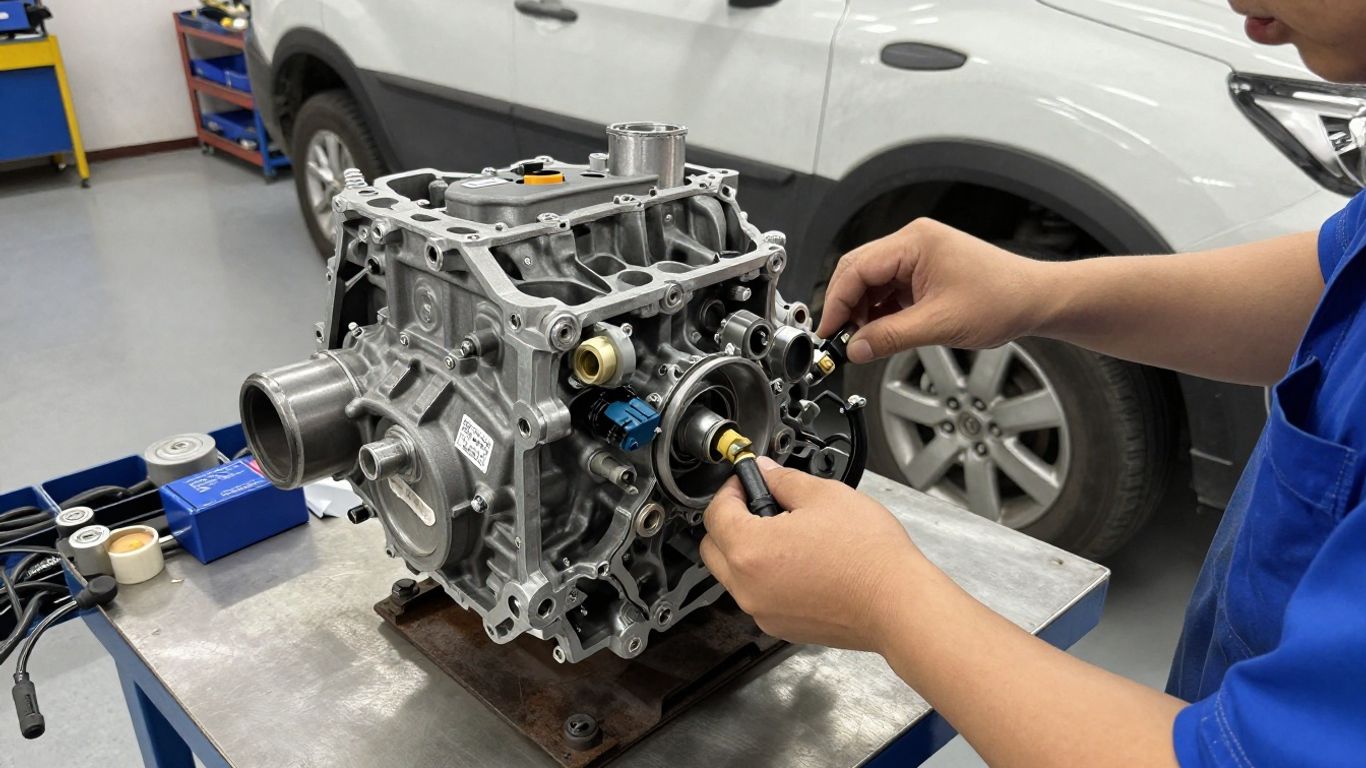
Start with the exact model, model year, body style, and trim where relevant. A name such as Impreza, Forester, Outback, or WRX can cover several specifications over time, so a broad model label is rarely enough by itself. Registration or vehicle identification records can help confirm the year and variant.
Tell the seller whether the vehicle has been modified, especially if the engine, drivetrain, or control systems have changed. A standard replacement may not be appropriate for a substantially altered vehicle. The more precise the information supplied at the beginning, the less likely you are to pay for an avoidable mismatch.
Checking the engine and drivetrain
The engine specification and drivetrain layout are central to transmission selection. Check the engine code where available, confirm whether the vehicle uses the expected all-wheel-drive arrangement, and record any relevant differential or transfer-case information. These details can distinguish units that look alike from the outside.
It is also useful to compare the original unit’s mounting points, output locations, connectors, and driveshaft arrangement with photographs from the seller. Visual comparison is not a substitute for code verification, but it can reveal obvious differences early. Keep the original transmission available for reference until the replacement has been confirmed.
Comparing transmission identification numbers
Transmission identification numbers, casting marks, and label information are usually more reliable than a listing title. Ask for clear photographs of every number and compare them with the markings on the removed or existing unit. If a number is partly obscured, ask the seller to clean the area or provide a closer image.
Record the numbers in your notes and send them to the supplier and mechanic together with the vehicle details. This creates a traceable conversation and reduces confusion when several units are being discussed. It is much safer than relying on phrases such as “should fit” or “same year.”
Confirming compatibility with your mechanic
Before paying, send the transmission details to the mechanic who will install it. They can check the unit against the vehicle’s engine, drivetrain, electronics, and likely installation requirements. Their advice may also identify parts worth replacing while the transmission is accessible.
A mechanic’s confirmation is especially valuable where the listing lacks a full donor vehicle history. Ask what evidence they used to approve the match and whether they want additional photographs or numbers. That short exchange can prevent a long delay after the transmission arrives.
Common signs that your transmission needs replacement
Transmission symptoms can point to serious wear, but they do not automatically prove that the whole unit needs replacing. Low fluid, damaged mounts, electrical faults, clutch wear, and differential problems can produce similar sensations. A proper diagnosis should come before ordering a used assembly. This is particularly important when a replacement represents a substantial share of the vehicle’s value.
Slipping gears and delayed engagement
Slipping may feel like the engine speed rises without a matching increase in road speed. Delayed engagement can appear when selecting drive or reverse, with the vehicle responding slowly or harshly. In a manual vehicle, clutch wear can create a similar feeling, so the symptom needs to be assessed in context.
Note when the problem occurs, whether the vehicle is warm or cold, and whether it affects one gear or several. Those observations help a mechanic distinguish internal wear from a fluid, control, or clutch issue. Continuing to drive while the transmission is slipping can increase heat and wear.
Grinding, whining, or clunking noises
A grinding noise during gear changes may indicate clutch or synchroniser trouble in a manual transmission, while a whine that changes with speed can suggest bearing, gear, or fluid concerns. Clunks may come from mounts, driveshafts, differentials, or play elsewhere in the drivetrain. The location and timing of the sound matter.
Record the noise safely rather than repeatedly provoking it on the road. Tell the mechanic whether it occurs under acceleration, during deceleration, while turning, or only in a particular gear. A transmission replacement should be based on a diagnosis, not on noise alone.
Fluid leaks and burning smells
Transmission fluid underneath the vehicle deserves prompt attention. The leak may come from a seal, pan, cooler line, case joint, or another nearby component, and the fluid’s colour and smell can provide useful clues. A burning smell may indicate overheated fluid or friction material, although oil from another part of the vehicle can create a similar odour.
Check the ground after parking and look for fresh residue around accessible areas without placing yourself under an unsupported vehicle. Avoid topping up with an assumed fluid type. The correct fluid and level depend on the transmission design, and an incorrect choice can worsen the problem.
Warning lights and transmission fault codes
A warning light can indicate a sensor, solenoid, control-module, wiring, or internal transmission problem. Reading the stored fault codes is a useful diagnostic step, but the code itself is not always a direct instruction to replace the transmission. It should be interpreted alongside symptoms, fluid condition, and inspection results.
Ask for the codes in writing and find out whether they were cleared before the vehicle was tested. A mechanic may need to carry out live-data checks or electrical testing before deciding on a replacement. That process gives you a better chance of fixing the original fault rather than swapping parts unnecessarily.
Comparing used transmission prices in Mount Gambier
Price comparisons are most useful when every supplier is quoting the same kind of unit and the same level of support. A tested assembly with a warranty may cost more than an untested one, yet still be the lower-risk choice. Local availability can reduce waiting time, while freight from outside Mount Gambier may change the final figure. Write down each cost so the comparison remains fair.
Factors that affect the total cost
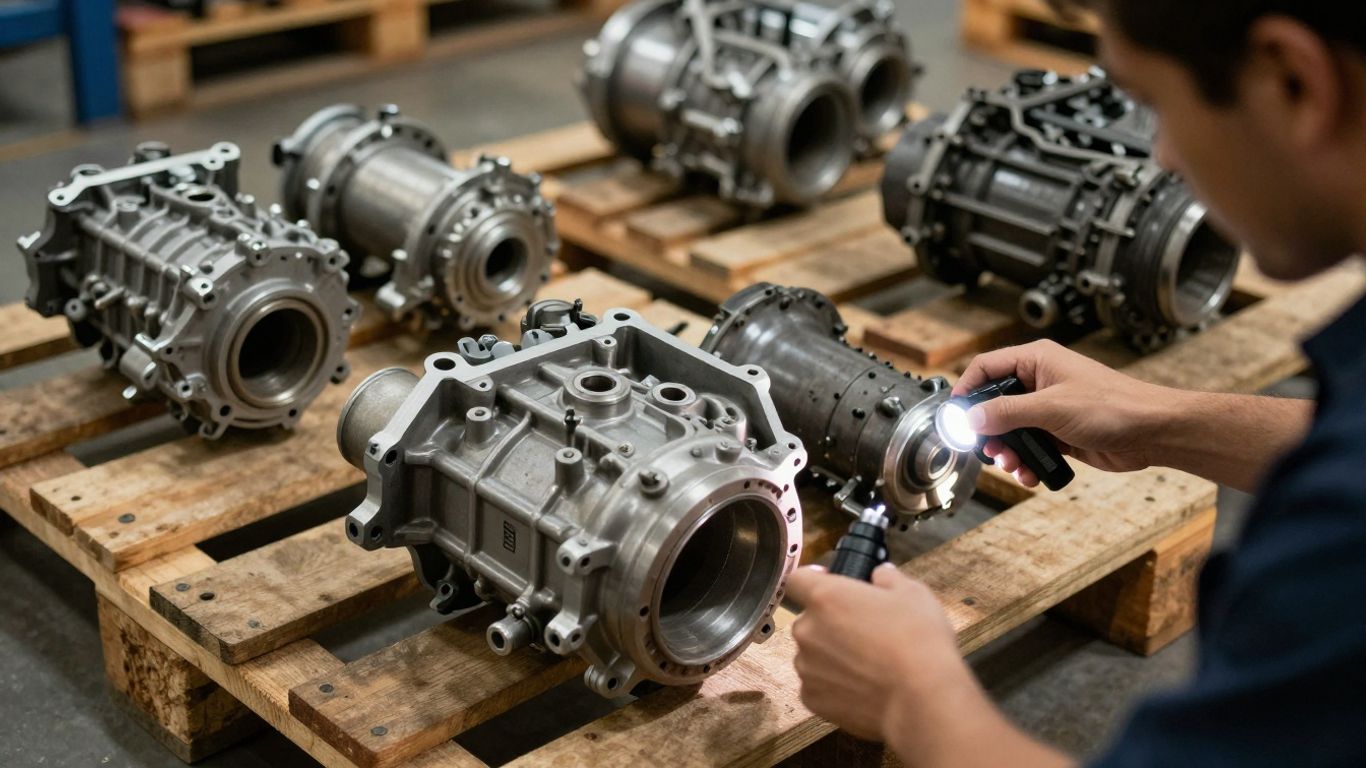
The final price can reflect mileage, testing, warranty length, donor vehicle information, condition, included components, and availability. It may also change according to whether the unit is manual, automatic, or continuously variable. A transmission with documented testing is not equivalent to one sold only as an unverified used part.
Ask suppliers to separate the unit price from freight and any included accessories. Then ask the mechanic for likely installation consumables and labour. This gives you a realistic budget instead of a figure that looks attractive only because several necessary costs are missing.
Comparing salvage yard and specialist suppliers
Different suppliers may describe condition in different ways, so compare the evidence behind the description. A salvage yard may provide donor vehicle details and a removal date, while a specialist supplier may offer testing information or a defined exchange process. Neither label alone guarantees suitability or condition.
Use the same questions for each source: What vehicle did the unit come from? What mileage was recorded? Was it tested? What is included? What warranty applies? Consistent questions make the comparison more about risk and value than about presentation.
Evaluating mileage and service history
Mileage is a useful indicator, but it is not a complete condition report. A high-mileage unit with maintenance records may be a more informed purchase than a low-mileage unit with no history. Look for evidence of fluid servicing, storage conditions, and whether the donor vehicle was involved in a collision that could have affected the drivetrain.
Ask whether the mileage is recorded from the donor vehicle or estimated from incomplete information. The answer should appear on the invoice or warranty paperwork if it is being used to support the price. Keep realistic expectations: a used transmission carries more history than a new one, even when it appears clean.
Including removal, installation, and freight charges
Removal and installation can involve more than unbolting one assembly. Access, seized hardware, damaged mounts, fluid disposal, electrical checks, and post-installation testing may all affect labour. Freight can also be significant because transmissions are heavy and need suitable packaging.
Build the comparison around the delivered and fitted cost. If one supplier is local and another is interstate, include delivery time, collection requirements, and the practical cost of returning a faulty unit. A slightly higher local price may be reasonable if it reduces transport risk and makes an exchange easier.
Inspecting a used Subaru transmission before purchase
Inspection is a process of gathering evidence, not simply looking for a clean casing. Ask for photographs, donor details, test results, and written terms before committing money. If the unit is available locally, arrange a safe visual inspection and bring the mechanic’s questions with you. These steps are especially helpful when the price is competitive but the description is brief.
Questions to ask the seller
Ask for the donor vehicle’s model, year, engine, drivetrain, mileage, and reason for dismantling. Confirm the transmission type, identification numbers, included parts, storage history, and whether the unit was removed from a running vehicle. If the seller cannot answer every question, ask what information is documented and what is unknown.
Also ask how the unit will be packaged, when it can be dispatched, and who pays for return freight if it is faulty. Clear answers are useful in themselves. They show whether the seller has a consistent process and whether the purchase can be managed if something does not go to plan.
Reviewing testing and warranty coverage
A seller may describe a transmission as tested, inspected, or guaranteed, but those words should be explained. Find out what testing was performed, whether it was done before removal, and what the warranty actually covers. A warranty may exclude labour, fluids, seals, shipping, or faults caused by incorrect installation.
Read the warranty period and claim requirements before purchase. Keep the invoice, photographs, identification numbers, and mechanic’s installation records together. That paperwork can make a legitimate claim much easier if a problem appears after fitting.
Checking for leaks and visible damage
Look over the casing for cracks, impact marks, broken mounting points, damaged connectors, missing sensors, and signs of fluid leakage. Surface grime is not necessarily a fault, while fresh wetness around a seal or case joint deserves a direct question. Check that the identification markings are present and match the supplied paperwork.
Do not rotate shafts or operate components aggressively without knowing what the seller permits. A visual inspection has limits, particularly when internal wear cannot be seen. The aim is to identify inconsistencies and obvious damage, then combine those observations with testing and warranty evidence.
Understanding return and exchange policies
A return policy should explain the time limit, approval process, packaging expectations, and responsibility for transport. It should also state whether the seller offers a refund, replacement, or exchange when the unit is incompatible or faulty. Ask what happens if the mechanic identifies a mismatch before installation.
Never assume that a return is free or automatic. Some policies require the part to remain uninstalled, while others require an inspection before approval. Understanding these conditions before purchase helps you decide whether a lower price is worth the additional practical risk.
Installing and maintaining a replacement transmission
The replacement is only one stage of the repair. Correct installation, fluid selection, adjustment, and testing influence how the unit performs after it is fitted. A careful workshop will compare the replacement with the original before installation and investigate any discrepancy. Planning these steps in advance also reduces the chance of a vehicle sitting idle while missing parts are sourced.
Why professional installation is recommended
Transmission work involves heavy components, confined access, alignment, fluid handling, and connections that must be secured correctly. A qualified mechanic has the equipment to support and position the unit safely and the experience to identify related faults while the vehicle is apart. Professional installation may also be required by the supplier’s warranty terms.
Ask for a written estimate that separates labour, consumables, diagnosis, and post-installation checks. The mechanic should be told about the replacement unit’s history and any warranty conditions. That information helps them follow the required process rather than treating the installation as a simple swap.
Replacing seals, fluids, and related components
Accessible seals, gaskets, filters, and fluid should be assessed during installation. It may also be sensible to inspect mounts, cooler lines, driveshaft components, clutch parts, or other related items, depending on the transmission type. Reusing every old service item can undermine the value of fitting a replacement unit.
Use the specification recommended for the vehicle and confirm the correct fill procedure. Automatic and continuously variable transmissions can be particularly sensitive to fluid type and level. The mechanic should record what was installed and retain receipts for future servicing and warranty needs.
Completing post-installation checks
After fitting, the workshop should check fluid level, leaks, connectors, mounts, driveshafts, and gear selection before a road test. The vehicle can then be tested at different temperatures and speeds, with attention to engagement, shifting, noise, and warning lights. Any unusual behaviour should be investigated promptly rather than dismissed as normal bedding-in.
Ask for the initial test results and the recommended follow-up interval. A short recheck can reveal a small leak or adjustment issue before it becomes a larger repair. It also provides useful documentation if the replacement is covered by a warranty.
Extending the life of the replacement transmission
Good maintenance begins with using the correct fluid and observing the service schedule for the vehicle. Pay attention to new leaks, changes in shift quality, unusual noises, or delayed engagement, and arrange an inspection early. Avoid carrying loads or driving conditions that exceed the vehicle’s design without understanding the extra strain involved.
Keep records of fluid services, repairs, mileage, and any warning codes. Those records help identify changes over time and support future resale or warranty discussions. A used transmission cannot have its past erased, but sensible maintenance can give it the best chance of providing dependable service.
Conclusion
Buying a used Subaru transmission in Mount Gambier is safest when compatibility, condition, warranty, delivered cost, and installation are considered together. Verify the numbers, ask direct questions, have a mechanic confirm the match, and treat professional fitting as part of the purchase rather than an afterthought. That approach makes a competitive price more meaningful and reduces the chance of an expensive mismatch.




