Key Takeaways
Finding the right components for your vehicle requires a mix of technical knowledge and careful local scouting in the Brisbane area. This approach ensures you maintain performance while adhering to your budget constraints.
- Identify wreckers that specialize in turbocharged performance platforms rather than just general automotive recycling centers.
- Verify the condition of mechanical parts by examining mileage history and looking for signs of aftermarket interference.
- Use community networks to locate rare components that do not appear in standard inventory databases.
- Prioritize yards that offer clear, transparent warranty policies for major electrical and mechanical assemblies.
- Always consult with a professional technician before finalizing the installation of complex recycled drivetrains.
Identifying reliable Subaru Impreza WRX parts recyclers in Brisbane
Selecting a recycler for a turbocharged vehicle demands a higher standard than shopping for standard runabouts. Brisbane offers various options, but locating a shop that understands the specific nuances of the platform is essential for long-term reliability.
Differentiating between general car wreckers and performance specialists
Many general wreckers process high volumes of vehicles without considering the specific maintenance history or performance health of the drivetrain components. A specialized wreckers, such as Q1 Auto Parts, often keeps a more detailed log of the vehicles they dismantle, which is helpful when you need parts like limited-slip differentials or specific exhaust manifolds. You should prioritize these specialists because they tend to focus on the unique pressure points of boxer engines.
Assessing inventory levels for specific WRX generations
Inventory fluctuation is common in the used parts market, so keeping track of which yards supply which specific generations is a smart move. Some yards concentrate on the older GC8 models, while others cater to the newer turbocharged platforms that require specialized electronic sensors. Tracking these trends helps you avoid wasting time calling facilities that have historically low stock for your particular year.
Leveraging local online scrap networks
Digital scrap networks are becoming the primary tool for enthusiasts to track down parts across the region. By monitoring public listings, you can often secure high-demand items like interior trim or upgraded piping before they hit the physical retail floor. These platforms allow you to quickly cross-reference availability without needing to drive to multiple locations across the city.
Verifying the recycling facility’s certification
Legitimate business operations typically hold trade certifications that demonstrate their commitment to proper environmental and safety standards. Always confirm that the facility follows established disposal protocols, as this often correlates with the overall organization of their inventory system. A professional shop is far more likely to provide accurate descriptions of the items you are purchasing.
Evaluating the condition of recycled performance parts
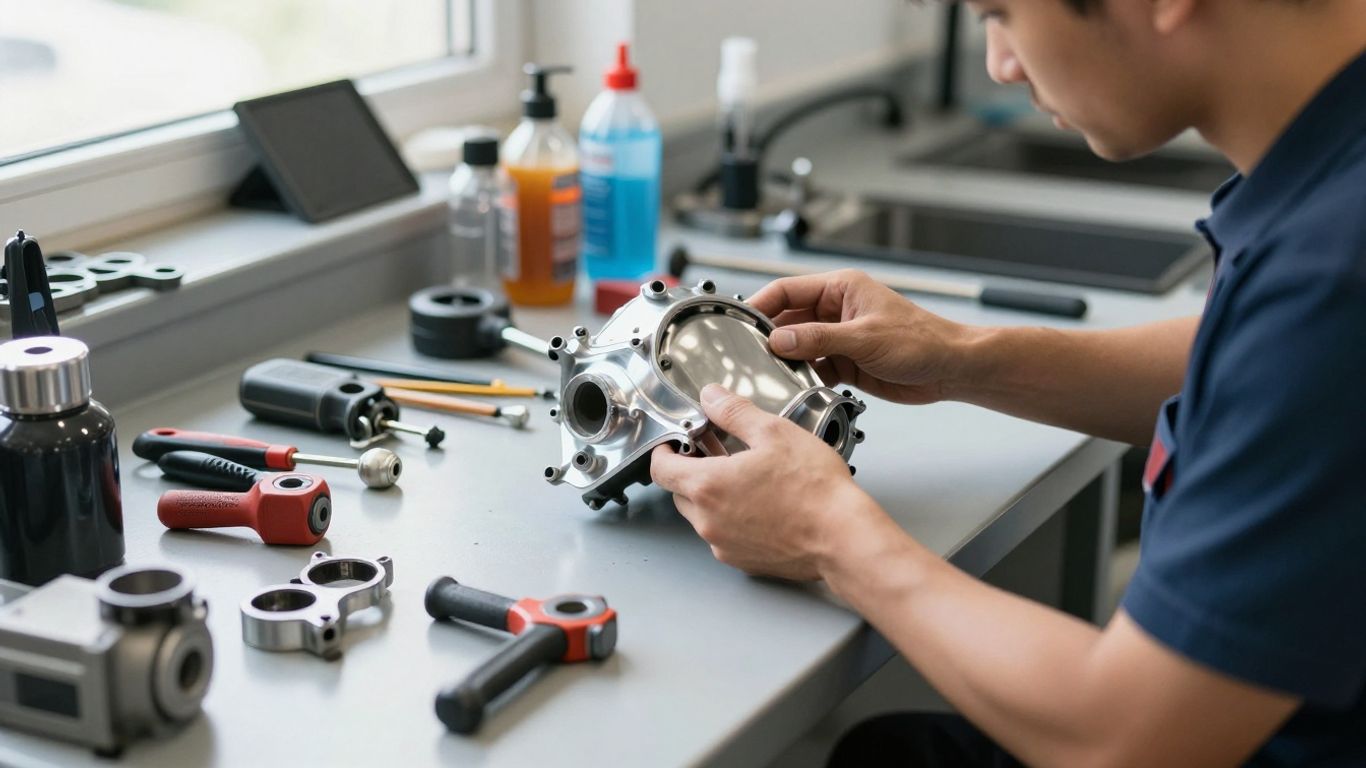
Assessing the true health of a second-hand engine or transmission involves more than just looking at the outward appearance of the unit. You need to investigate the history of the donor vehicle to determine whether the components were treated with proper maintenance or subjected to neglect.
Interpreting mileage reports from donor vehicles
Reviewing the odometer reading is just the starting point when you are evaluating a potential purchase. You must compare the mileage against the service records provided by the wrecker to ensure the timing belt and water pump were serviced at the required intervals. Taking this step helps you understand the actual remaining service life of the engine before you commit to the purchase.
Inspecting engine components for signs of performance tuning abuse
Evidence of aggressive modifications or makeshift wiring usually indicates that the car was pushed beyond its factory design limits. Look for traces of non-standard boost controllers, heat-damaged hardware, or modified electronic harnesses that suggest the internals might be structurally fatigued. If the engine bay looks chaotic or modified, you should proceed with extreme caution.
Evaluating suspension and drivetrain part wear
When buying suspension components or drivetrain parts, you should look for specific indicators of failure like cracked bushings, leaking seals, or excessive play in the splines. The following table provides a general guide for what to look for when inspecting common wear items.
| Component | Visual Indicator | Mechanical Status |
|---|---|---|
| Control Arms | Cracks in rubber bushings | Failed alignment risk |
| Driveshafts | Torn grease boots | Contamination likely |
| Struts | Evidence of oil weeping | Damping loss present |
Using this table will help you identify whether a part is ready for immediate installation or requires a full rebuild. It is useful to bring a checklist so you remain objective during the physical inspection of the donor vehicle’s suspension.
Understanding the difference between OEM and aftermarket recycled parts
Directly comparing original factory components to salvaged aftermarket gear is key to staying within your performance goals. Authentic Subaru parts are designed to meet exact factory tolerances, which may differ from the aggressive specs of third-party alternatives. When choosing between these, consider whether you are looking to retain a factory-smooth power delivery or if you want to integrate salvaged high-performance upgrades.
Strategies for sourcing rare or discontinued WRX components
Tracking down specific, hard-to-find components often requires more persistence than checking a single website. You may need to cultivate relationships with local operators who keep a "hidden" inventory of unique parts not yet listed on public platforms like eBay.
Placing bulk inventory requests with local yards
If you are searching for several difficult items at once, providing a list to your preferred local wrecker can yield better results than single inquiries. Yards prefer customers who are clear about their needs because it streamlines their retrieval process and makes your business more predictable for their staff. This strategy helps you secure a bundle of parts, which can save on individual shipping costs and overall search time.
Utilizing national parts locator databases
When local options have been exhausted, national databases provide access to a broader network of wrecks across the country. These services aggregate listings from various professional recyclers, allowing you to filter by specific part numbers or component revisions. While this approach sometimes carries a higher transport price, it is often the most effective way to source major components like specialized gearboxes or ECU modules.
Networking within Brisbane Subaru enthusiast communities
Connecting with local car clubs or online enthusiast groups is a highly effective way to find parts that are currently being pulled from project cars. Often, members know about upcoming car builds or parting-out projects well before they reach the commercial market. Participating in these circles provides you with insider information on the condition and provenance of rare components.
Considering cross-referencing options for JDM imported models
Japanese domestic market components often feature different wiring configurations or internal gear ratios that require careful research to match with local vehicles. Checking technical manuals and enthusiast forums allows you to see if a JDM part is compatible with your Australian-delivered chassis. This requires patience, but it opens up a massive catalog of high-quality components that were never originally sold locally.
Verifying the reputation and credibility of wreckers
Before spending your money, conduct a thorough background check to ensure you are working with a company that values its trade reputation over short-term sales. A reliable partner will maintain a clean site and provide clear communication throughout the negotiation.
Analyzing consumer reviews and community forum feedback
Look for consistent patterns in reviews that highlight how a business handles customer concerns when a part does not function correctly. A company that actively discusses installation problems and offers solutions is usually a safer bet than one with hidden, anonymous complaints. It is useful to keep this philosophy in mind:
Trustworthy parts suppliers treat every transaction as a long-term relationship, prioritizing the accuracy of the description over the speed of the sale.
This principle helps you weed out vendors who are merely focused on moving inventory rather than ensuring the part is correct for your specific repair needs. If a shop shows minimal interest in your project goals, it is likely they lack the expertise to help you succeed.
Checking industry longevity and experience in the Brisbane market
A wrecking business that has remained operational for over a decade in the Brisbane area likely has the logistical infrastructure needed to manage complex parts removals safely. Experience translates to better storage methods, which preserves components like electronics from moisture and environmental damage. Longevity is a strong signal of professional stability.
Assessing the professionalism of yard communication and parts grading
Pay close attention to how the staff responds to technical questions regarding sensor compatibility or part revision codes. A representative who can explain why a specific version of a component fits a particular production window is far more valuable than one who simply says it will work without proof. Professional communication is the best indicator of how they handle the grading of their stock.
Reviewing the quality of digital inventory systems
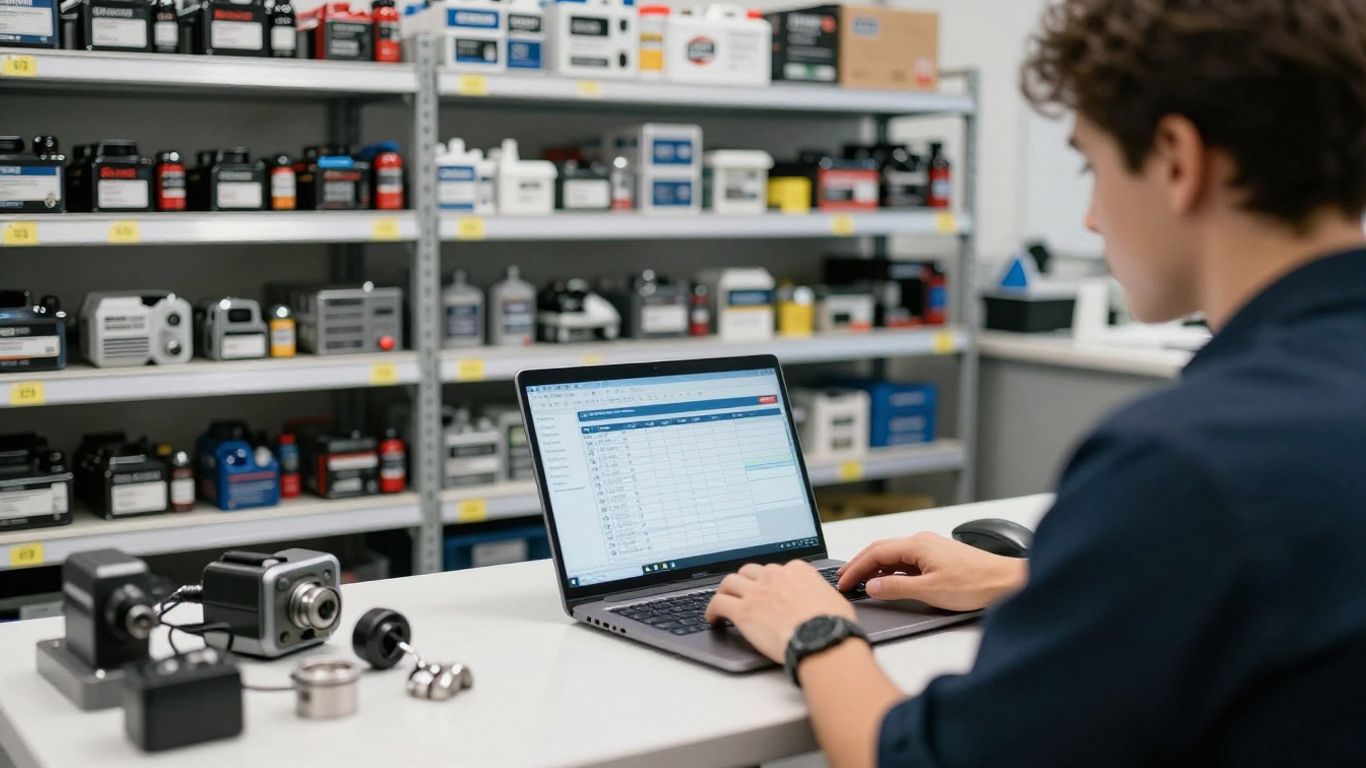
Modern recycling facilities use software to track the exact bin location and donor history of every item in their catalog. You should ask about their inventory management, as a well-organized database minimizes the potential for picking errors or shipping the wrong part. A shop that invests in these systems typically provides higher service standards.
Navigating warranty and return policies for used car parts
Understanding your protection as a buyer is a critical step before finalizing any payment on used mechanical parts. You should always ask for clarity on the timeline and scope of the guarantee, especially for items that involve hours of labor to install.
Distinguishing between standard mechanical parts and performance electronics
Standard parts like a suspension link are usually straightforward to verify, but electrical components like control units have unique failure modes that are often excluded from standard warranties. Ask specifically if your ECU or sensor module includes a "dead on arrival" guarantee or if you are solely responsible for diagnostic costs if the part is faulty. Knowing this distinction prevents disputes after the part has been bolted into the car.
Negotiating warranty terms for labor-intensive installations
When a part requires major mechanical work to install, discuss whether the warranty covers part replacement in the event of an internal defect. While most sellers will not cover third-party labor costs, they may offer a longer duration replacement policy for high-value gearboxes or engines. Securing these terms in writing provides peace of mind before the work begins.
Documenting parts condition upon arrival or local pickup
Always capture photographic evidence of the condition of the part the moment it is removed from its packaging. This creates an objective record of wear patterns or damage indicators that you can refer back to if the component fails during testing. Having this documentation is helpful if you need to demonstrate that the part was supplied in a different state than described.
Understanding consumer rights regarding used parts under local trade laws
Familiarize yourself with standard trade guarantees applicable to second-hand goods in your local jurisdiction. While "sold as is" language is common in the industry, it does not always override your fundamental consumer rights as defined by law. A reputable seller will be aware of these obligations and clearly outline how they manage legitimate product failures.
Best practices for safe installation of recycled parts
Successfully integrating used components requires cleaning, verification, and often secondary diagnostic steps. Do not rush the process, as proper preparation is the difference between a reliable vehicle and a return to the repair shop.
Cleaning and preparing used components before final fitment
Before attaching any recycled part, carefully wipe down mounting surfaces, check for debris inside fluid ports, and replace any seals or gaskets that have aged. This extra effort prevents leaks and installation errors that can immediately compromise a fresh component. A clean part allows for a proper seal and ensures you do not introduce dirt into your existing systems.
Consulting with specialist independent Subaru workshops for advice
If you are uncertain about the integration of a specific part, talk to an independent specialist mechanic before you bring the car in for work. They often have the necessary diagnostic tools to confirm the compatibility of sensitive assemblies and can provide an expert perspective on whether the used part is in good working order. Their professional input is invaluable when you are dealing with complex performance upgrades.
Validating compatibility of updated part revisions and production codes
Different model years often use subtle variations in parts that look identical but differ in specific hardware dimensions or electronic pin-outs. Always perform a final confirmation of part numbers and production codes against the manufacturer’s official schematics before final assembly. Ensuring the revision code matches your vehicle prevents unnecessary hardware conflicts and performance issues.
Managing diagnostic requirements after sensor or control unit replacement
Electronics in modern vehicles sometimes require a computer reset or sensor calibration once a new part is connected. You might need to use a diagnostic tool to clear old error codes or perform a "learning" procedure so the main management unit acknowledges the new hardware. Failing to complete this step can lead to a car that feels unrefined or consistently logs errors despite the replacement part being perfectly healthy.
Conclusion
Successfully sourcing parts for your vehicle is a rewarding project that bridges the gap between smart budgeting and maintaining high performance. By carefully evaluating each potential recycler, inspecting the history of the donor vehicle, and verifying compatibility with professional advice, you can extend the life of your car while keeping costs manageable. Stick to these fundamental practices, stay connected with the local community, and prioritize component health to keep your car operating in top condition for years to come.




