Key Takeaways
Selling an old vehicle can be a straightforward process when you understand the local industry standards for vehicle disposal. This guide highlights the essential steps for homeowners looking for efficient ways to manage their end-of-life cars.
- Professional wreckers conduct valuations based on make, model, and current parts demand.
- Legal transfers require proof of ownership and valid identification documents.
- Reputable businesses prioritize ethical recycling of automotive fluids and metals.
- Proper preparation of your vehicle helps speed up the scheduling process.
- Gold Coast residents should confirm pickup logistics prior to finalizing any sales agreement.
Understanding the cash-for-cars process
Professional wrecking services offer a viable method for disposing of older vehicles that are no longer roadworthy. By engaging with firms that specialize in Subaru wreckers that buy unwanted Subarus Gold Coast, owners can recover costs and clear space on their property. This process serves as a reliable alternative to private sales, especially for vehicles requiring significant mechanical attention.
How professional wreckers calculate vehicle value
Appraisers typically evaluate the condition of major components and the total weight of the vehicle to arrive at a fair offer. They look for functional systems that can be refurbished or sold as second-hand components to keep other cars running effectively.
Essential documentation required for a legal transfer
To ensure a smooth transaction, owners must present valid identification and proof of vehicle ownership. This paperwork confirms that the seller has the legal authority to authorize the disposal or wrecking of the asset, protecting both parties against claims of improper acquisition.
Distinguishing between scrap value and parts value
Valuation models differ based on whether the car represents a source of functional components or simply raw material. The table below outlines how these two valuations typically categorize your vehicle during the initial assessment.
| Assessment Factor | Parts Value Focus | Scrap Value Focus |
|---|---|---|
| Mechanical Condition | Functioning secondary systems | Non-operational or damaged |
| Component Demand | High demand for internal parts | Low demand for salvaged items |
| Material Content | Focus on intact subsystems | Focus on total metal weight |
Discerning between these categories allows sellers to set realistic expectations before contacting potential buyers.
Evaluating reputable Subaru wreckers in your area
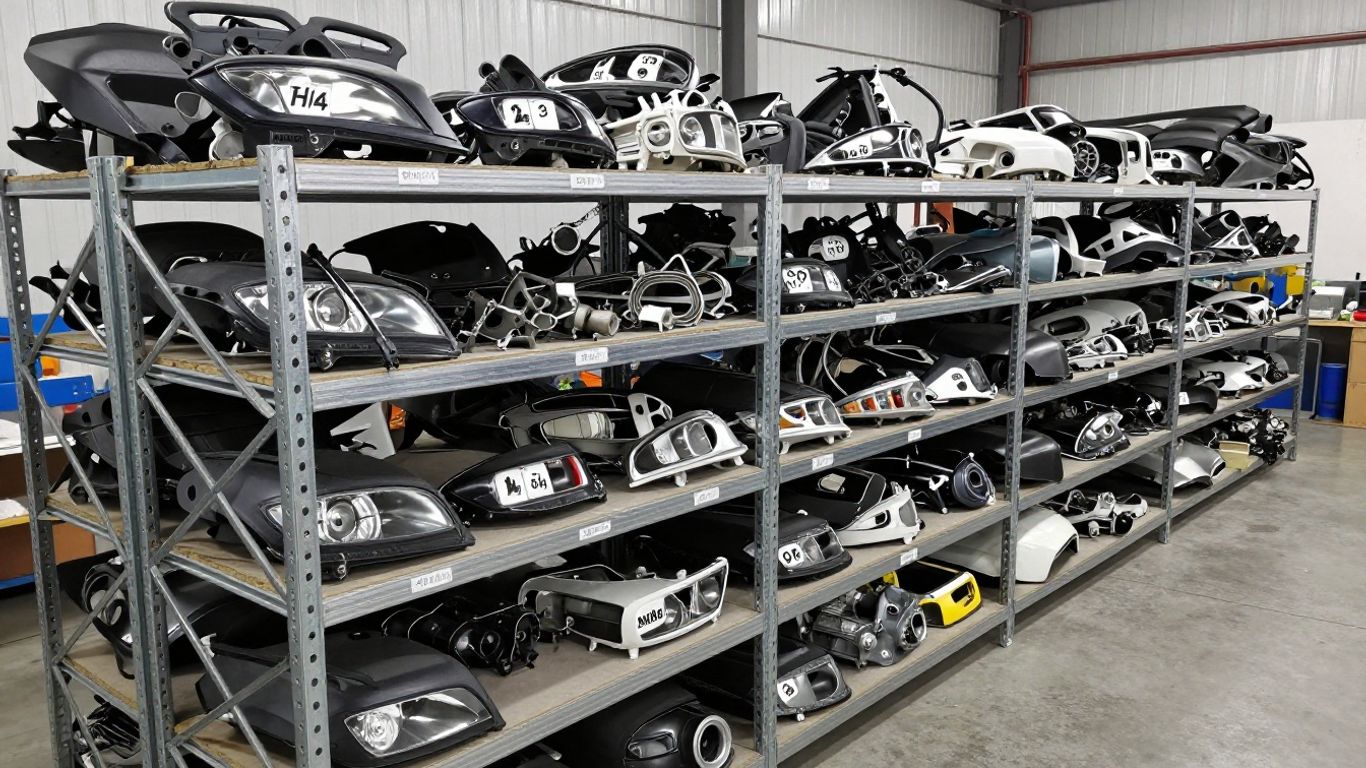
Finding a trustworthy service provider involves looking beyond simple advertisements to see who maintains consistent operational standards. Local owners benefit from selecting firms with deep expertise in specific models, as these companies often have more efficient ways to handle the unique engineering of vehicles like a Subaru Forester or Impreza.
Checking for valid business licenses and certifications
Verifying that a business holds necessary local environmental and trade permits ensures that they operate within legal boundaries. Licensed operators are held to higher standards, which directly impacts the safety and reliability of the service provided during the pickup.
Assessing industry reputation through online reviews
Reading through feedback from former clients provides insight into the reliability of the towing and payment processes. Consistent positive reports regarding clear communication and fair dealing frequently highlight the best practitioners within the industry.
Identifying transparent pricing and payment policies
Reliable operators provide clear explanations about their payment terms and timelines. By asking for an itemized breakdown of the offer, vendors demonstrate accountability throughout the entire transaction chain.
Preparing your unwanted Subaru for removal
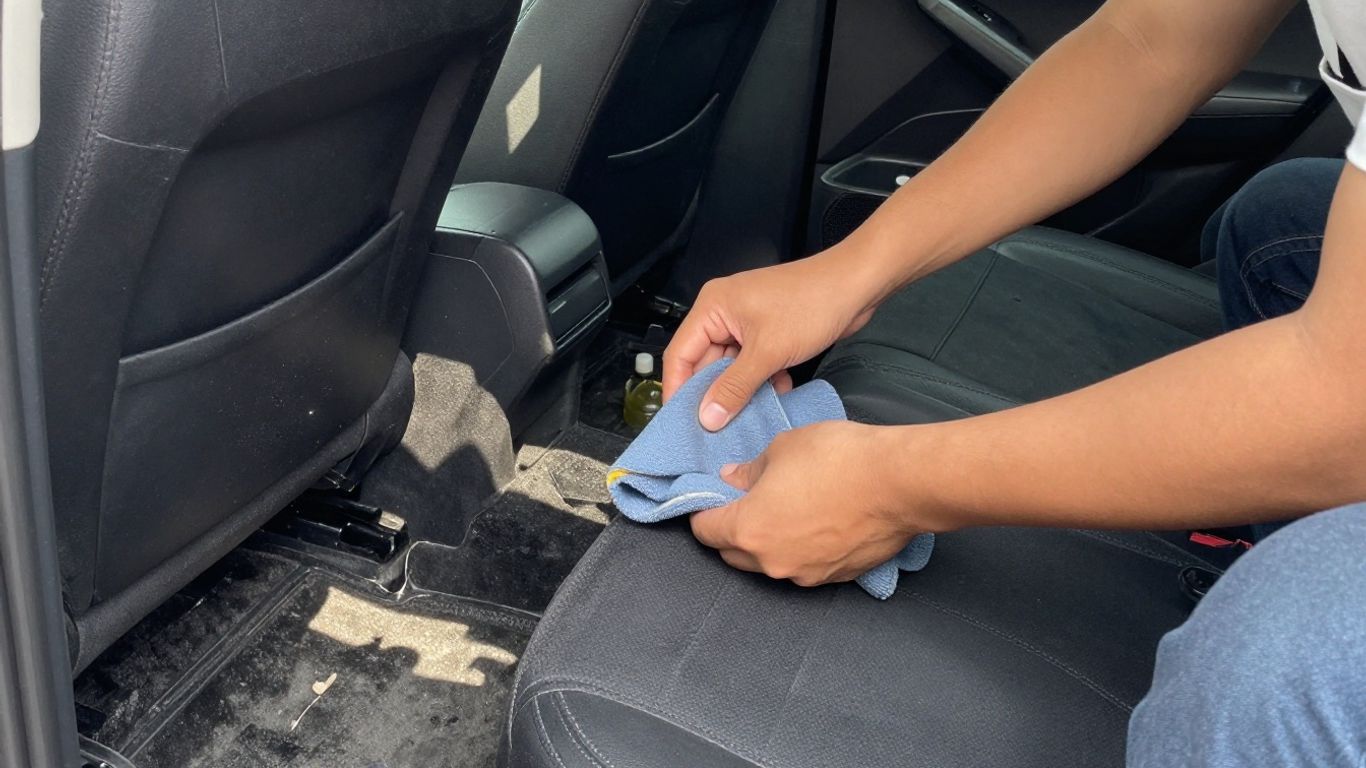
Getting your car ready for removal involves more than just finding the keys; it is about securing your personal security and finalizing legal obligations to prevent future liability. A little effort goes a long way in ensuring that the collection process remains quick and completely stress-free for everyone involved.
Clearing personal belongings and sensitive navigation data
Before the vehicle leaves your driveway, thoroughly inspect the glove box, boot, and door pockets for stray items. Furthermore, wipe all personal destination history and paired device information from the onboard navigation systems to protect your privacy.
The importance of cancelling registration and insurance
Drivers should notify their transport authority to cancel registration and contact insurance providers to end coverage. This action prevents the accidental accrual of taxes or fees once the vehicle is no longer in the owner’s possession.
Inspecting the car for removable high-value components
While most wrecking services purchase cars in as-is condition, owners might sometimes choose to remove aftermarket high-value accessories. Removing these items early allows for a cleaner handover and prevents damage to parts that might have resale value elsewhere.
Taking these steps confirms that the vehicle is ready for the wreckers to arrive and begin their work.
The environmental impact of responsible wrecking
Responsible automotive wrecking plays a major role in keeping toxic substances away from public soil and waterways. Professional centers follow strict protocols to ensure that every machine is handled safely.
Safe removal and disposal of hazardous automotive fluids
Every vehicle contains fluids such as coolant, engine oil, and brake fluid that pose a high risk to the environment. Skilled technicians at professional facilities safely drain these contaminants into secure storage containers for later refinement or specialized disposal.
Recycling protocols for scrap metal and chassis parts
Once fluid extraction is complete, the remaining shell is often processed to recover ferrous and non-ferrous metals. This commitment to recycling ensures that raw materials remain in circulation for future manufacturing needs, reducing the need for raw mining.
Reducing landfill waste through circular spare parts supply
By reclaiming functional parts like alternators or sensors, wreckers create a circular spare parts supply that helps local mechanics maintain older vehicles without relying on brand-new stock shipments. This helps lower the overall carbon footprint of vehicle ownership across the region.
Logistics of scheduling your car pickup
Coordinating the physical removal of a car requires clear communication between the seller and the towing team. Understanding how these logistics function for the Gold Coast area ensures there are no surprises on the scheduled day.
Coordinating towing services for inoperable vehicles
Most junk car buyers provide towing as an integrated service, utilizing specialized flatbed recovery equipment for cars that cannot be moved under their own power. Ensure the towing driver is informed about the specific location of the vehicle to avoid any potential navigation delays.
Understanding same-day versus scheduled collection windows
While many companies offer rapid service, it is often best to schedule your pickup at least a few days in advance. This avoids the peaks in demand and allows the removal team to plan the most efficient route for their daily operations.
Communicating access requirements for the Gold Coast region
Clear communication regarding narrow lanes, steep driveways, or gate codes is vital for the driver’s success. Providing these details early prevents unnecessary obstacles and keeps the collection window on track for a smooth experience.
Conclusion
Choosing the right partner for vehicle disposal ensures that you receive fair compensation while keeping local environmental standards protected. By carefully selecting verified operators and preparing your vehicle correctly, you simplify what could otherwise be a difficult task and contribute to an efficient, circular automotive industry.




