
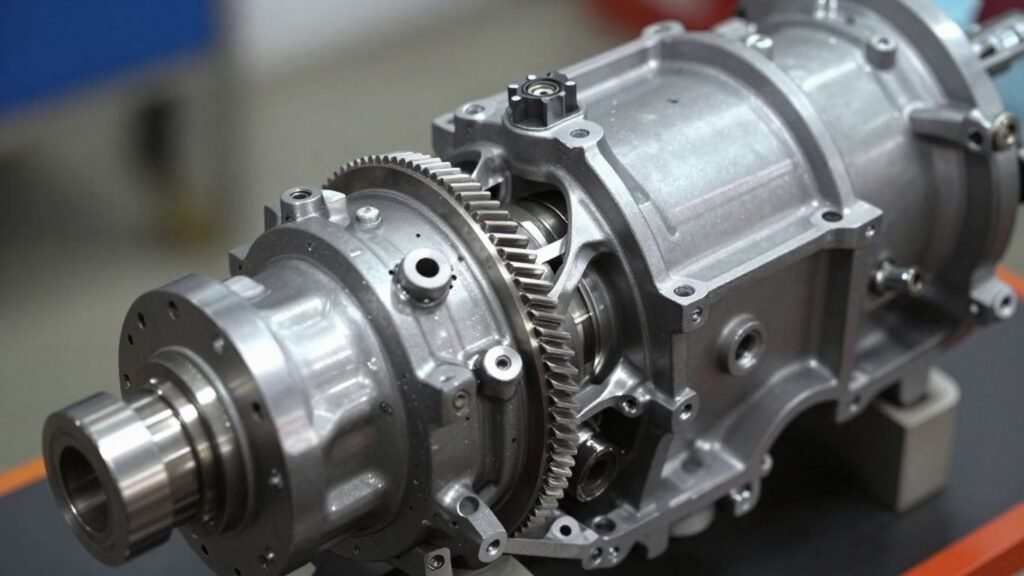
Looking for a Subaru gearbox supplier in the Northern Territory? Whether you need a Subaru automatic gearbox in Darwin, a Subaru CVT in the NT, or a manual transmission, finding the right part can be a bit of a hunt. This guide is here to help you figure out where to look and what to expect when you’re trying to get your hands on a Subaru transmission for your vehicle. We’ll cover the basics to make the process a little easier.
Key Takeaways
- When you need a Subaru gearbox supplier NT, think about local specialists for both automatic and manual transmissions. If you’re in Darwin, finding a Subaru automatic gearbox is your first step.
- Subaru CVTs are common for Northern Territory drivers, so knowing where to source these specific transmissions is important for a smooth ride.
- When buying a Subaru gearbox, always check that it fits your specific car model and year. Getting the wrong one can cause big problems.
- Look for information about warranties before you buy. Most used parts come with some coverage, but it’s usually limited, so read the details.
- Don’t hesitate to ask for advice from mechanics or parts suppliers who know Subarus well. They can help you find the right transmission and avoid costly mistakes.
Subaru Gearbox Suppliers In The Northern Territory
Finding Subaru Automatic Gearboxes In Darwin
If you’re in Darwin and your Subaru’s automatic transmission is giving you trouble, finding a replacement can feel like a bit of a chore. You’re not just looking for any old gearbox; you need one that’s compatible with your specific Subaru model and year. Many local mechanics and specialized auto parts dealers in Darwin can help source these. They often have connections to larger suppliers or can even find reconditioned units. It’s always a good idea to have your Subaru’s VIN handy when you start looking, as this helps immensely in pinpointing the exact automatic transmission you need.
Sourcing Subaru CVTs For Northern Territory Drivers
Subaru’s Continuously Variable Transmissions (CVTs) are pretty common these days, offering a smooth driving experience. For drivers across the Northern Territory, sourcing a replacement CVT can sometimes be a challenge, especially if you’re outside the main urban centers. Specialists who focus on transmissions, particularly those familiar with Subaru’s CVT technology, are your best bet. They understand the unique requirements of these gearboxes and can advise on whether a repair is possible or if a full replacement is the way to go. Sometimes, these units come with specific mileage or condition requirements, so asking about the history of a used CVT is smart.
Locating Manual Subaru Transmissions Locally
For those who prefer the engagement of a manual gearbox in their Subaru, finding a suitable replacement in the Northern Territory is also achievable. While perhaps less common than automatics in newer models, manual transmissions are still sought after by many Subaru enthusiasts. Local wreckers and transmission specialists are the go-to places. They might have a good used manual gearbox from a dismantled Subaru or can help you track one down. When looking for a manual, pay attention to the gear ratios, as different models and performance variants can have different setups, which affects how your car drives.
Understanding Subaru Transmission Types
Subaru Automatic Transmission Options
Subaru offers a few different kinds of automatic transmissions, and they all do things a bit differently. You’ve got your traditional automatics, which use a torque converter and planetary gearsets to shift through gears. These are generally pretty reliable and familiar to most drivers. Then there are the Continuously Variable Transmissions, or CVTs, which Subaru has been using a lot in recent years. CVTs don’t have fixed gears like a regular automatic. Instead, they use a system of belts and pulleys to create an infinite range of gear ratios. This makes for a really smooth ride and can help with fuel economy because the engine can stay in its most efficient speed range more often. The key thing to remember with any automatic is compatibility; you need to make sure the transmission’s electronics and physical connections match your specific Subaru model and year.
The Role Of Subaru CVTs
Subaru’s Continuously Variable Transmissions (CVTs) have become a pretty common sight in their lineup, especially in models aimed at everyday driving and fuel efficiency. Unlike a traditional automatic with a set number of gears, a CVT uses a system of pulleys and a belt or chain to provide a seamless, stepless range of gear ratios. This means the engine can operate at its most efficient RPM for a given speed, which often translates to better gas mileage. It also results in a very smooth acceleration, without the noticeable "shifts" you feel in other transmissions. However, because they operate differently, CVTs can require specialized knowledge and fluid when it comes to maintenance and repair.
When looking at a CVT, it’s important to understand that they are designed for a specific driving experience and often prioritize fuel economy and smoothness over outright performance. While they offer a unique driving feel, they also have specific maintenance needs that differ from traditional automatic or manual gearboxes.
Manual Subaru Gearbox Characteristics
For those who enjoy a more connected driving experience, Subaru’s manual transmissions are a popular choice. These gearboxes offer direct control over gear selection, allowing drivers to engage with the car’s performance more actively. Manuals typically consist of a clutch, flywheel, and a set of gears housed in a casing. The gear ratios within a manual transmission significantly impact the car’s acceleration and highway cruising capabilities. For instance, a manual WRX might come with a 5-speed transmission featuring a 4.44 gear ratio, which is great for quick acceleration off the line. On the other hand, a lower ratio might be better for fuel efficiency on longer drives. Choosing the right manual transmission often comes down to balancing performance needs with everyday usability.
| Transmission Type | Typical Use Case | Key Feature |
|---|---|---|
| 5-Speed Manual | Performance/Enthusiast Driving | Direct driver control, engaging feel |
| 6-Speed Manual | Performance/Heavy Duty | More gear options for wider power band |
| CVT Automatic | Fuel Efficiency/Smooth Ride | Stepless gear changes, optimal engine RPMs |
| Traditional Automatic | General Driving/Older Models | Familiar shifting, robust design |
Key Considerations For Subaru Gearbox Purchases
Ensuring Correct Gearbox Fitment
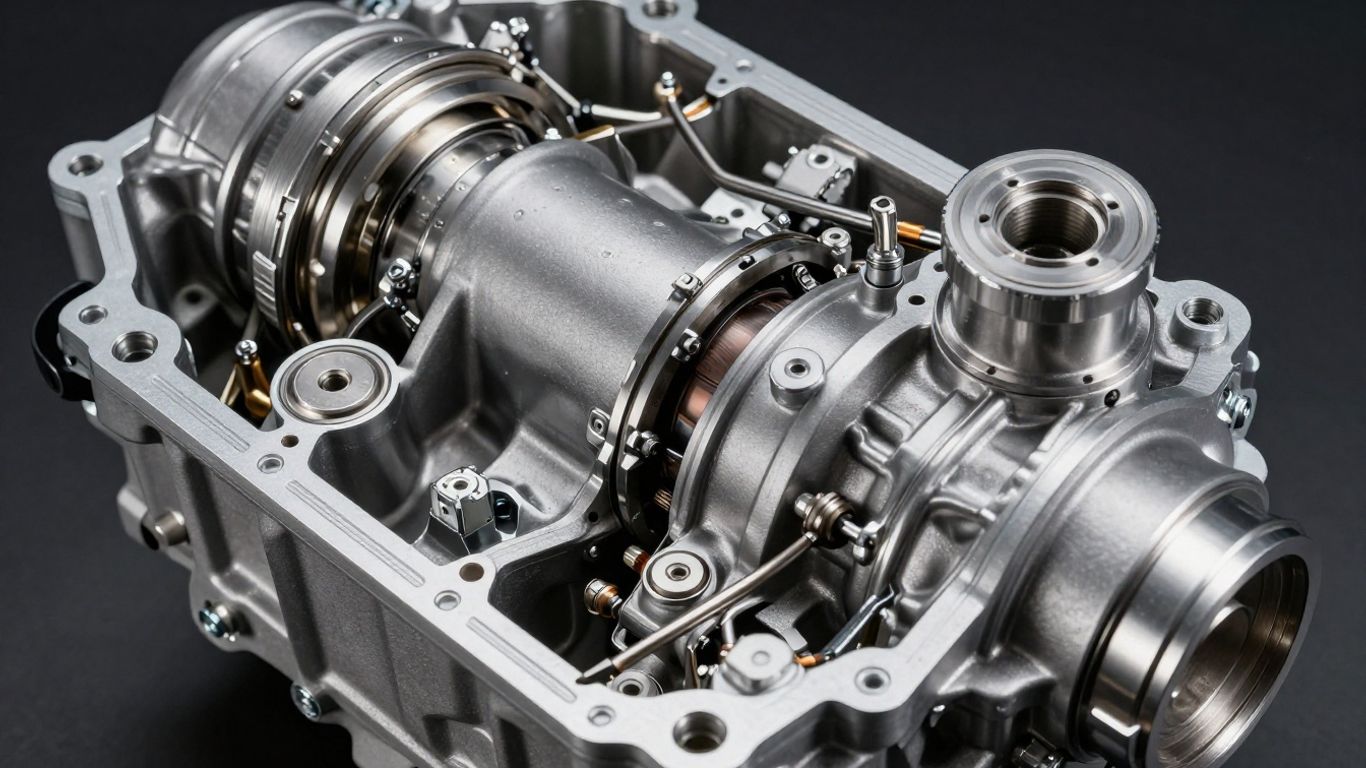
So, you’re looking for a new gearbox for your Subaru, huh? The first thing you absolutely have to get right is making sure it actually fits your car. This isn’t just about whether it’ll physically bolt up, though that’s part of it. It’s about making sure all the electronic bits can talk to each other and that the whole system works together like it’s supposed to. A transmission that doesn’t quite match up can cause all sorts of weird issues, from your car feeling sluggish to, well, much bigger problems down the road. Always, always double-check the compatibility for your specific Subaru model and year before you hand over any cash. It’s worth spending a bit of time on this to avoid a massive headache later.
The Importance Of Warranty Information
When you’re buying a used or even a reconditioned gearbox, the warranty is a big deal. You don’t want to get stuck with a lemon, right? Most places will offer some kind of warranty, but you need to read the fine print. Some are super short, like 30 or 90 days, and they might only cover the actual internal parts. Things like labor costs if it breaks soon after you install it? Usually, that’s not included. It’s pretty standard for performance parts to have shorter warranties than regular ones. Just make sure you know exactly what’s covered and for how long before you commit.
Buying a major component like a transmission is a significant investment. Understanding the warranty terms upfront can save you a lot of stress and unexpected expenses if something doesn’t go as planned.
Seeking Expert Advice For Your Subaru
Honestly, figuring out the right gearbox for your Subaru can feel like trying to solve a puzzle, especially with all the different models and years Subaru has put out. That’s where talking to someone who really knows their stuff comes in handy. A good mechanic or a specialist who deals with Subarus regularly can give you the lowdown on which transmissions are known for being tough, which ones might be a better match for your driving style, and what potential issues to watch out for. Think of it as getting a shortcut from someone who’s already been down this road. Don’t be shy about asking questions; that’s what they’re there for.
Navigating Subaru Transmission Services
When your Subaru’s gearbox starts acting up, you need reliable service. Whether you’re dealing with a finicky automatic, a worn-out manual, or a complex CVT, there are shops ready to help. Finding the right place for repairs or replacements is key to getting your Subaru back on the road smoothly.
Subaru Transmission Repair Specialists
Sometimes, a transmission doesn’t need a full replacement. A good mechanic can often diagnose and fix internal issues, leaks, or problems with how the gears are shifting. It’s always worth getting a professional opinion before deciding on a new gearbox. They have the tools and know-how to figure out what’s really going on.
Options For Subaru Transmission Replacement
If a repair isn’t possible or cost-effective, you’ll need a replacement. This could mean a brand-new unit, a professionally rebuilt one, or a lower-mileage used gearbox. The choice often comes down to your budget and how long you plan to keep the car. A rebuilt unit can offer a good balance of cost and reliability.
| Service Type | Typical Focus |
|---|---|
| Transmission Repair | Diagnosing and fixing internal issues, leaks, or shifting problems. |
| Transmission Replacement | Swapping out old units for new, rebuilt, or low-mileage used gearboxes. |
Specialized CVT Service For Subarus
Subaru’s Continuously Variable Transmissions (CVTs) are known for a smooth ride and good fuel economy. However, they can be a bit more complicated to service than traditional automatics. Finding a shop that specifically understands CVT systems is important. They often require special diagnostic tools and fluid types. Getting the right maintenance on your CVT can help prevent bigger problems down the line.
Taking care of your Subaru’s transmission, whatever type it may be, means finding mechanics who know these cars well. They can help you figure out if a repair is possible or if it’s time for a new unit, saving you time and money in the long run.
Finding Quality Subaru Parts
When you’re on the hunt for a replacement gearbox for your Subaru, it’s easy to get overwhelmed. There are so many options out there, and you want to make sure you’re getting something that’s going to last without costing an arm and a leg. It really pays to do your homework before you hand over any cash.
Affordable Subaru Transmission Pricing
Let’s face it, a transmission isn’t a cheap part. You’re looking for a good deal, but you don’t want to end up with a dud. Sometimes, looking at used or JDM (Japanese Domestic Market) transmissions can save you a good chunk of money. These can be a solid choice if they’ve been checked out and come with some kind of guarantee. It’s worth shopping around a bit to compare prices between different suppliers. You might be surprised at the savings you can find, especially if you’re willing to look at options beyond brand new parts. Getting a quality transmission at a fair price makes a big difference.
Sourcing JDM Subaru Gearboxes
If you’re after something a bit more specific, like a particular manual gearbox from a WRX or an older Impreza model, JDM suppliers are often the way to go. These parts are imported directly from Japan, and they often have lower mileage compared to what you might find locally. For example, you might find a 2008-2014 Subaru WRX 5-speed AWD transmission with a 4.44 gear ratio. Availability can change, though, so keep an eye on stock. It’s not uncommon to see parts listed as ‘Sold Out.’
When you’re looking at JDM parts, pay close attention to the product details. Make sure the transmission is listed for your exact year and model. Sometimes, they might include extra bits like the rear differential, especially with manual gearboxes, which can be handy.
Evaluating Used Subaru Transmissions
When you’re considering a used transmission, mileage is a big factor. Finding a unit with low mileage, say around 44,000 miles, can make a significant difference in its lifespan and how it performs. Always check what the warranty covers. Most places offer some kind of warranty, but it’s good to know what’s actually included. Some warranties are pretty short, maybe 30 or 90 days, and they often only cover the internal parts. Labor costs if something goes wrong? Usually not included. It’s always a good idea to read the fine print before you buy, just so there are no surprises down the road.
Subaru Drivetrain Specifics
All-Wheel Drive Subaru Gearbox Requirements
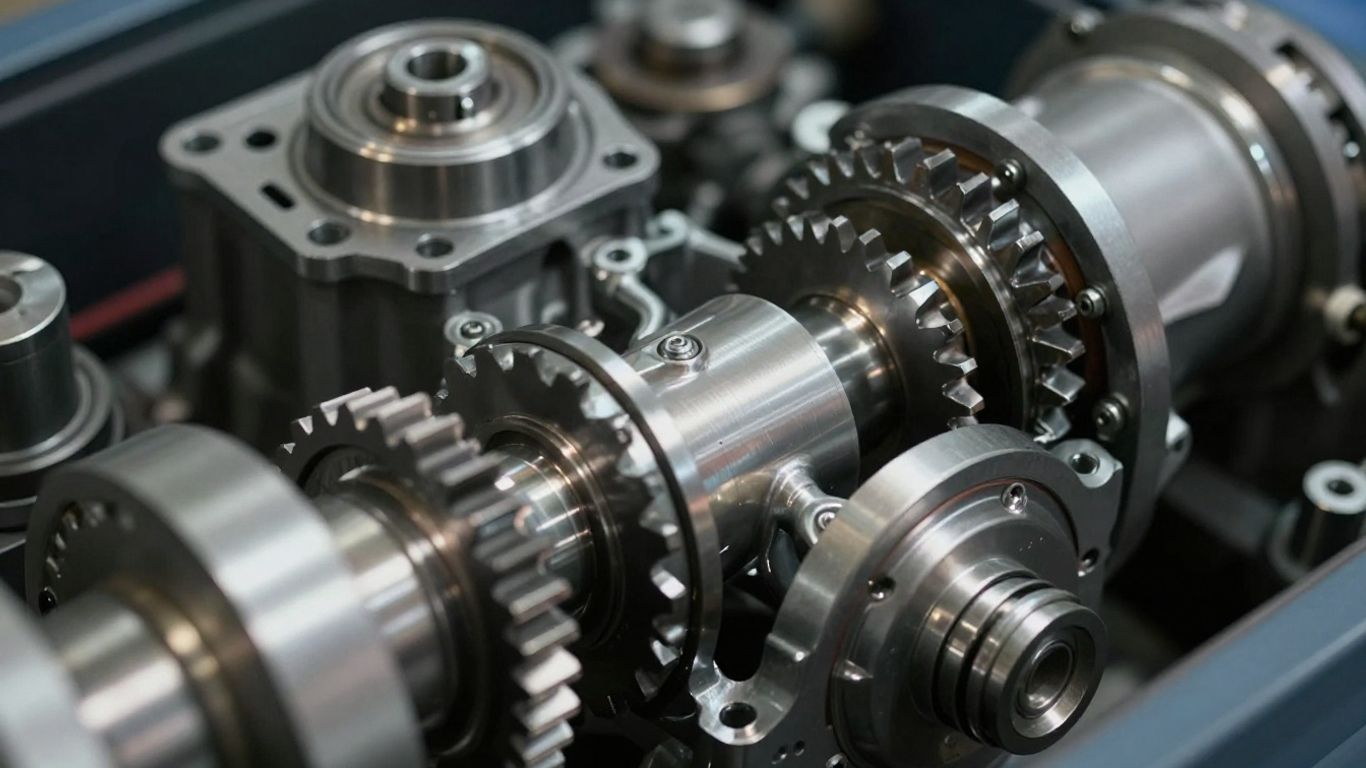
Subaru is pretty famous for its all-wheel-drive (AWD) system, and that means the gearbox has to be built to handle it. Whether you’ve got a manual or an automatic, the AWD gearbox is designed to send power to all four wheels. This is a big part of what makes a Subaru handle so well, especially when the weather gets a bit rough. When you’re looking to replace an AWD gearbox, you absolutely need to make sure the new one is also designed for AWD and has the correct differential setup. You don’t want to mess this up if you want to keep that Subaru traction going strong.
Manual Transmission Gear Ratios Explained
When you’re looking for a manual gearbox for your Subaru, the gear ratios are a pretty big deal. They really change how your car drives. A higher ratio, like 4.44, means your car will accelerate faster from a stop, which is great for city driving or if you just like that quick punch off the line. On the flip side, a lower ratio, maybe something like 3.90, will let your engine run at lower RPMs on the highway, which can save you some gas. It’s all about what you want your Subaru to do.
| Model | Transmission Type | Common Gear Ratio | Notes |
|---|---|---|---|
| Subaru WRX | 5-Speed Manual | 4.44 | Often AWD, good for performance |
| Subaru Impreza | 5-Speed Manual | Varies | Can be AWD or FWD |
Automatic Transmission Compatibility Checks
Figuring out if an automatic transmission will fit your Subaru can be a bit tricky. Subaru uses different transmissions depending on the model and year, and sometimes even the engine. You’ve got to make sure the bolt patterns match up, and that the electronics can communicate with each other. It’s not just about bolting it in; the car’s computer needs to know what’s going on. Sometimes, you might need to swap out some sensors or even reprogram the ECU. Always double-check the compatibility list for your specific Subaru model before you buy.
Getting the right gearbox fitment is super important. It’s not just about making sure it physically bolts up; it’s about making sure all the parts work together correctly. A mismatch can lead to all sorts of problems, from poor performance to serious damage down the line. Always do your homework and confirm compatibility before making a purchase.
Wrapping Up Your Subaru Gearbox Search
So, if your Subaru needs a new gearbox, whether it’s an automatic or a manual, you’ve got options. We’ve talked about finding specialists, especially for things like CVT transmissions in Perth or manual gearboxes in Geraldton. Remember to check out places that know their Subarus, like JDM importers for specific parts or local WA shops that can help source what you need. Always ask about warranties – they can be short, so read the fine print. Getting the right transmission is key to keeping your Subaru running right, so take your time and find a reliable supplier. It’s totally doable to get your car back on the road with a solid transmission.




