
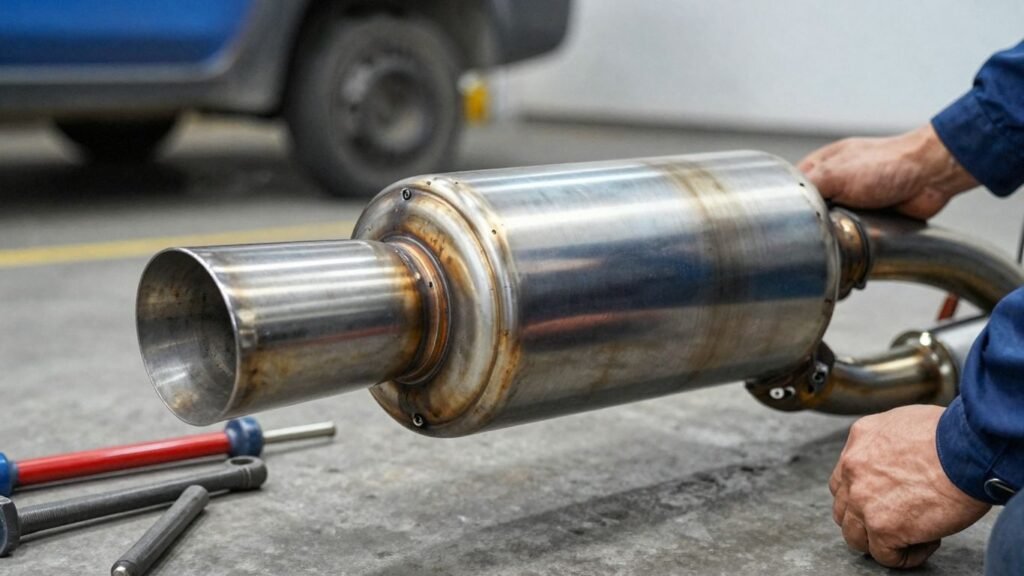
So, you’ve got a Subaru and you’re thinking about its exhaust system, huh? Maybe you’re hearing some weird noises, or perhaps you’re just curious about keeping things running smoothly. Subaru exhaust system troubleshooting isn’t always straightforward, especially with those unique boxer engines. This guide is here to break down some of the common hiccups folks run into and give you some ideas on how to deal with them. We’ll go over the signs to look for, some typical problems, and what you can do to keep your Subaru purring like it should. It’s not rocket science, but knowing what to listen for and what to check can save you a lot of headaches and money down the road.
Key Takeaways
- Pay attention to your Subaru’s exhaust for any new sounds or smells; these are often the first signs of trouble.
- Head gasket issues are common in some Subaru models and can lead to coolant loss and overheating if not addressed.
- Excessive oil consumption can be managed with upgrades like an Air/Oil Separator (AOS) to keep your engine healthy.
- Regularly scheduled maintenance, especially for the timing belt and water pump, is vital to prevent major engine damage.
- Keeping detailed service records helps in diagnosing problems and maintaining your Subaru’s value.
Understanding Common Subaru Exhaust System Issues
Alright, let’s talk about what can go wrong with your Subaru’s exhaust system. It’s not just about that cool rumble; it’s a pretty important part of how your engine runs. Ignoring little problems can turn into big headaches, and nobody wants that.
Recognizing Early Warning Signs of Engine Trouble
Your Subaru usually gives you a heads-up when something’s not quite right. You just have to know what to listen and look for. Strange noises are a big one – maybe a persistent ticking or a knocking sound. That could mean something’s up with the pistons or bearings. And that sweet smell coming from your exhaust, especially with white smoke? That’s often a sign the head gasket is on its way out. Keep an eye on your oil levels too. If you’re constantly adding oil, that’s a red flag.
Paying attention to your car’s sounds and smells is like having a direct line to its health. Don’t dismiss those little changes; they’re often the first whispers of a bigger issue brewing.
The Significance of Boxer Engine Design
Subaru’s boxer engine is pretty unique. Instead of pistons going straight up and down, they move side-to-side, like boxers throwing punches. This flat design gives the car a lower center of gravity, which is great for handling and keeping things stable when you’re taking corners. It also means the engine is naturally more balanced, leading to smoother power delivery. While this design is awesome for performance, it also means certain components, like the head gaskets, can be a bit more exposed to heat and pressure, especially in turbocharged models like the EJ25.
Common EJ25 Engine Weaknesses
The EJ25 engine, found in many popular Subarus, has a few known weak spots. It’s a high-strung, turbocharged engine, and when you start pushing it, especially with modifications, those weaknesses can show up. Head gasket failures are probably the most talked-about issue. Overheating, high mileage, or just increased cylinder pressure can all contribute to them failing. Another common problem is oil consumption. This often happens because of oil blow-by, where oil vapor gets pushed into the intake system. This can lower your oil level and gunk up your intercooler. The stock pistons can also be a weak point under high boost. Understanding these common issues is the first step to keeping your EJ25 running strong.
Addressing Notorious Head Gasket Failures
Symptoms of Head Gasket Breach
If you’ve owned a Subaru with the EJ25 engine for any length of time, you’ve probably heard the whispers, or maybe even experienced it firsthand: the dreaded head gasket failure. It’s a common issue, and when it happens, it’s usually pretty obvious. The most common sign is coolant loss that you just can’t account for. You’ll find yourself topping off the reservoir more often than you’d like, and the engine temperature gauge might start creeping up more than usual. Sometimes, you’ll notice a sweet, syrupy smell coming from the exhaust, and if you look closely, you might see a bit of white smoke, especially on startup. This usually means coolant is getting into the combustion chamber. It’s not a good sign, and it needs attention right away.
Preventative Measures and Upgrades
While head gasket failures can seem inevitable, there are ways to make your Subaru’s engine more resilient. The factory gaskets can be a weak point, especially if you plan on pushing your engine a bit harder. A really solid upgrade is to switch to multi-layer steel (MLS) head gaskets. These are much tougher than the stock ones. Along with that, using upgraded head studs, like ARP studs, is a smart move. They provide a much stronger clamping force, which helps keep everything sealed up tight, even under increased pressure. This combination is a popular choice for a reason – it significantly boosts reliability. It’s not just about fixing a problem; it’s about preventing it from happening again, especially if you’ve modified your car.
Coolant Loss and Overheating Indicators
Keeping an eye on your cooling system is super important for preventing head gasket issues. If your temperature gauge starts climbing higher than normal, don’t ignore it. That’s your engine telling you something’s wrong. It could be a simple fix like a bad thermostat or a leaky hose, but it could also be an early sign that the head gasket is starting to fail. You might also notice the coolant level dropping without any visible leaks under the car. Sometimes, you’ll see bubbles in the coolant reservoir, which can indicate exhaust gases are getting into the cooling system. It’s a good idea to check your coolant level regularly, especially before any long trips, and to keep an eye on that temperature gauge. A little bit of attention here can save you a lot of headaches later on.
Tackling Excessive Oil Consumption
So, you’ve noticed your Subaru seems to be sipping more oil than usual between changes. It’s a pretty common thing folks run into, especially with the EJ25 engine. This isn’t just about topping off your oil; it can actually point to some deeper issues happening inside your engine.
What’s usually going on is something called oil blow-by. Basically, when your engine is running, especially under boost, some oil vapor from the crankcase can get pushed into the intake system. Think of it like a little bit of oil mist sneaking where it shouldn’t be. This not only means your oil level drops, but that oily gunk can coat your intercooler and valves. That’s not good for performance, and it can even mess with your fuel’s octane rating, making your engine run less efficiently.
The most common fix for this is installing an Air/Oil Separator, or AOS. This gadget acts like a filter for those oily vapors. It catches the oil, sends it back to the crankcase where it belongs, and lets the clean air keep moving through the intake. It’s a pretty straightforward upgrade that makes a big difference in keeping your oil where it should be and protecting your engine.
Monitoring your oil level is pretty simple. Just check it regularly, maybe every time you fill up with gas. If you’re consistently having to add more than a quart between oil changes, it’s definitely time to look into an AOS or have a mechanic check things out. It’s way better to catch this early than to deal with bigger problems down the road.
Preventing Piston and Ringland Failure
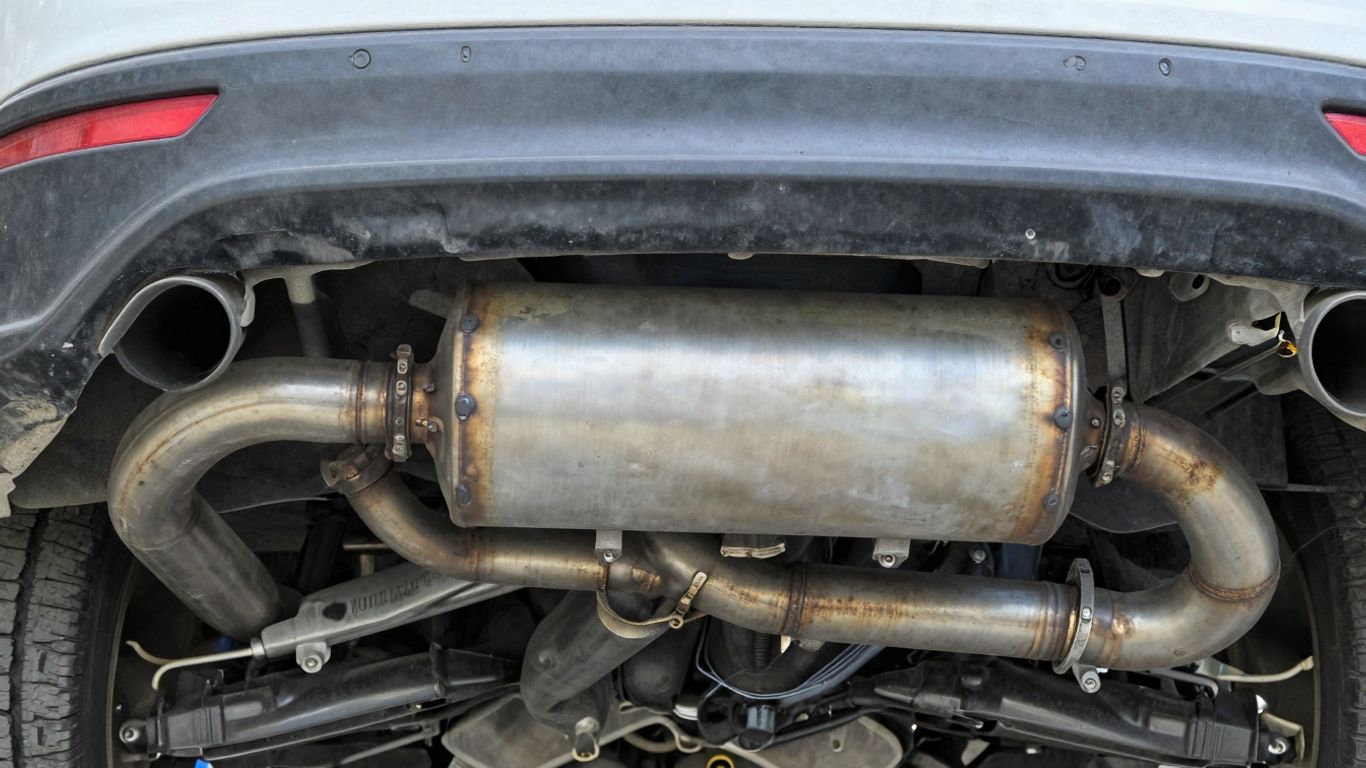
The stock pistons in turbocharged EJ25 engines are a known weak point, especially when you start increasing boost and power. Ringland failure happens when the small sections of the piston that hold the rings crack or break. This is a pretty serious issue that leads to a big drop in compression, a knocking sound, and a noticeable loss of power. Often, this means the engine needs a full rebuild.
Weaknesses in Stock Pistons
Subaru’s factory pistons are typically cast, which is fine for normal driving. But when you add more boost or tune the engine for extra power, these cast pistons can’t handle the extra stress. Detonation, or engine knock, puts a lot of pressure on the pistons, and the stock ones can crack or break under that kind of strain. This is why, if you’re planning on making more power, upgrading is pretty much a must.
The Benefits of Forged Internals
Upgrading to forged pistons and connecting rods is one of the best ways to build a strong foundation for your EJ25 engine. Forged components are made from a solid piece of metal that’s heated and hammered into shape, making them much stronger and more durable than cast parts. They can handle higher temperatures, more pressure, and the general abuse that comes with increased performance. Think of it as giving your engine a much tougher skeleton.
Recognizing Piston Slap and Ticking Noises
Sometimes, you might hear a ticking or knocking sound coming from the engine, especially when it’s cold. This can sometimes be a sign of piston slap, where the piston rocks slightly in the cylinder. While not always a direct sign of imminent ringland failure, it can indicate excessive wear or improper clearances. If you hear unusual noises, it’s always best to get it checked out by a mechanic. Ignoring these sounds could lead to more significant problems down the line.
When you start adding power, you expose the limits of the stock engine components. The factory pistons, rods, and bearings were designed for a specific output, and pushing far beyond that invites failure. Investing in superior parts is crucial for reliability.
| Component | Stock Type | Forged Type | Strength Advantage | Notes |
|---|---|---|---|---|
| Pistons | Cast | Forged | High | Handles more boost and heat |
| Connecting Rods | Cast | Forged | High | Resists bending and breaking under stress |
| Piston Rings | Cast | Forged | Medium | More durable, better sealing |
The Importance of Timing Belt and Water Pump Maintenance
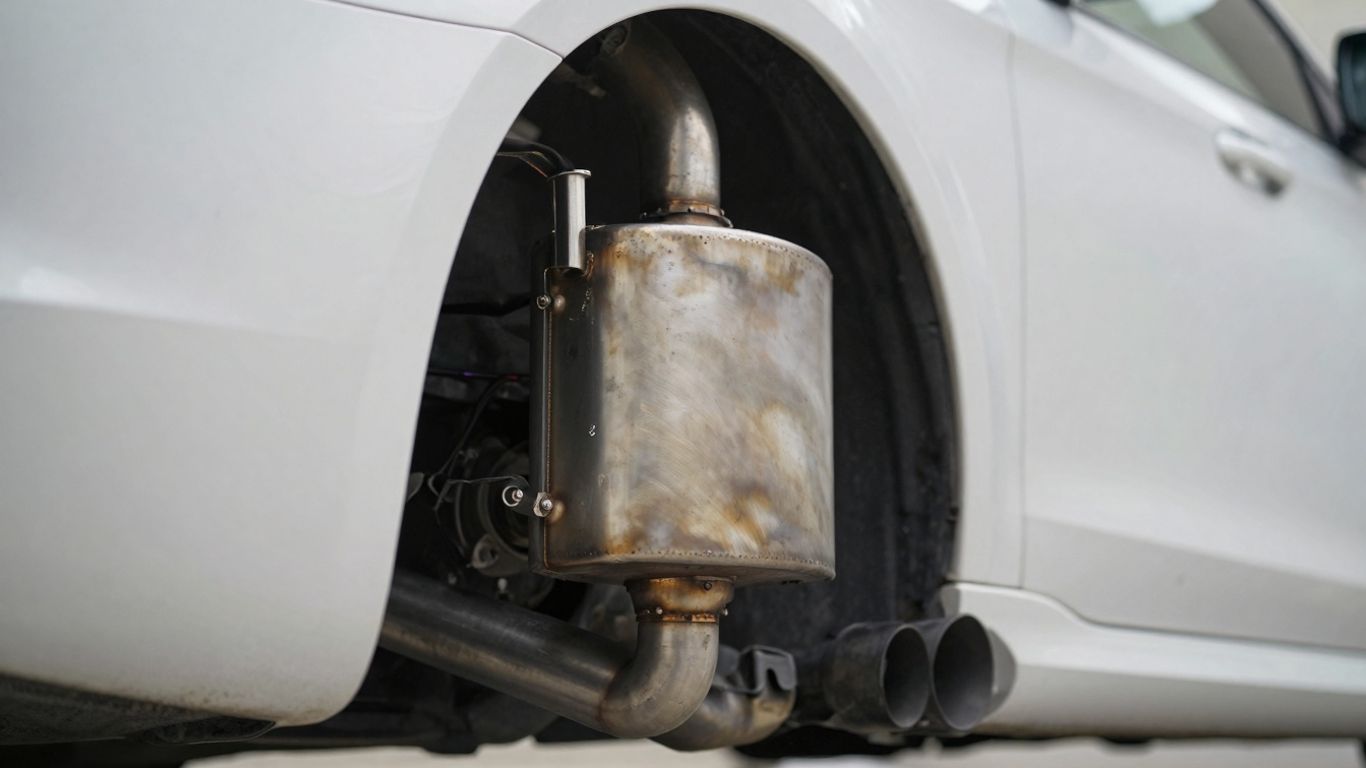
Okay, so let’s talk about the timing belt and water pump on your Subaru. These aren’t parts you want to mess around with, honestly. The timing belt is this rubbery thing with teeth that keeps your engine’s valves and pistons moving in sync. If it snaps – and they can snap – it’s usually game over for your engine. We’re talking pistons hitting valves, and that’s a really expensive fix, like, thousands of dollars. Subaru usually says to change it around every 100,000 miles, but don’t push it. Think of that as a hard deadline, not a suggestion. When you’re getting the timing belt done, it’s pretty standard to swap out the water pump and the tensioners too. The water pump circulates coolant, and if it starts leaking or stops working, your engine can overheat, which, as we’ve talked about, is bad news for head gaskets.
Critical Timing Belt Service Intervals
Seriously, don’t ignore the timing belt. It’s a rubber belt, and rubber degrades over time, especially with the heat cycles in an engine bay. The manufacturer’s recommended interval, often around 100,000 miles or a certain number of years, is there for a reason. Missing this service is one of the quickest ways to cause catastrophic engine damage. When that belt breaks, the camshafts stop turning, and if the pistons are still moving, they’ll collide with the open valves. This bends valves, can damage pistons, and sometimes even crack the cylinder head. It’s a mess.
Preventative Water Pump Replacement
Since the timing belt is located behind a cover that needs to be removed to access it, it makes a lot of sense to replace the water pump at the same time. Water pumps have a seal and bearings that can wear out. If the pump starts leaking coolant, you’ll have an overheating issue. If the bearing seizes, it can put extra strain on the timing belt or even cause the belt to jump a tooth. Replacing it during a timing belt service is just smart preventative maintenance. It saves you labor costs down the line because the same parts of the engine are already exposed. It’s a two-birds-one-stone kind of deal that keeps your cooling system in good shape.
Consequences of Timing Belt Failure
Let’s be blunt: timing belt failure is usually an engine-ending event for most Subaru EJ25s. The interference design means that if the belt breaks or slips, the internal components will collide. This isn’t a minor issue; it’s a major internal engine failure. You’ll likely be looking at a complete engine rebuild or replacement. The symptoms leading up to it aren’t always obvious, which is why sticking to the service schedule is so important. Sometimes you might hear a slight squealing noise if the belt is starting to fray or if a tensioner is going bad, but often, it just goes without much warning.
Ignoring the timing belt and water pump is like playing Russian roulette with your engine. The cost of preventative maintenance is a tiny fraction of the cost of repairing the damage caused by failure.
Here’s a quick look at what’s typically involved:
| Component Replaced | Typical Mileage Interval | Why It’s Important |
|---|---|---|
| Timing Belt | ~100,000 miles | Prevents catastrophic engine damage from belt snap. |
| Water Pump | ~100,000 miles (with timing belt) | Prevents overheating and potential belt strain from bearing failure. |
| Tensioners & Idlers | ~100,000 miles (with timing belt) | Ensures proper belt tension and prevents premature wear. |
| Coolant Hoses | Inspect regularly, replace as needed | Prevents leaks and overheating. |
Troubleshooting EGR System Malfunctions
Understanding the P1496 Code
If your Subaru’s check engine light comes on and a scan tool spits out a P1496 code, it’s pointing to a problem with the Exhaust Gas Recirculation (EGR) system. This code usually means there’s a circuit malfunction, like a short or an open circuit, in the EGR solenoid or valve. For Subaru, it often shows up as "EGR Solenoid Signal #3 Circuit Low Voltage." Basically, the car’s computer isn’t getting the right electrical signal from the EGR valve, which messes with how it controls exhaust gas flow. This can lead to rough idling, poor acceleration, and generally make your car feel sluggish. Don’t ignore this code; it affects both performance and emissions.
The Function of the EGR System
The EGR system is there to help reduce nitrogen oxide (NOx) emissions. It does this by taking a small amount of exhaust gas and sending it back into the engine’s cylinders. This extra exhaust gas displaces some of the fresh air-fuel mixture, which lowers the combustion temperature. Lower temperatures mean less NOx is produced. The system has a cooler to manage the exhaust gas temperature and a valve to control how much gas gets recirculated. When everything works right, it’s a pretty neat way to keep the air cleaner. But when it goes wrong, like with a P1496 code, the engine’s computer can’t control this process properly.
Impact of EGR Issues on Performance
When the EGR system isn’t working right because of a P1496 code, you’ll likely notice a difference in how your Subaru drives. The engine might hesitate when you accelerate, or it could idle unevenly, sometimes feeling like it’s about to stall. Fuel economy can also take a hit because the engine management system is trying to compensate for the incorrect exhaust gas flow. In some cases, the engine might even overheat because the combustion temperatures are higher than they should be. It’s not just about a warning light; it’s about your car running the way it’s supposed to.
Here’s a look at common causes for the P1496 code:
| Cause | Description | Frequency |
|---|---|---|
| Faulty EGR Solenoid/Valve | Internal electrical issues or carbon buildup jamming the valve, preventing proper exhaust gas flow control. | 50% of cases |
| Damaged Wiring or Shorts | Wires can get chafed, corroded, or shorted, disrupting the electrical signal to the EGR valve. | 30% of cases |
| Sensor or ECU Issues | Problems with related sensors or the Engine Control Unit itself can cause false readings or signals. | 15% of cases |
| Cooler Leaks or Blockages | Issues with the EGR cooler can affect gas flow and temperature, leading to system malfunctions. | 5% of cases |
Fixing a P1496 code requires more than just clearing the error. You need to find the root cause, whether it’s a bad valve, damaged wiring, or a software glitch. Simply disconnecting the battery won’t solve the problem and can cause other issues with your car’s computer memory.
Proactive Maintenance and Record Keeping
Establishing a Proactive Maintenance Schedule
Look, nobody wants their Subaru to suddenly decide it’s had enough, especially when you’re in the middle of something important. The best way to keep that from happening is to get ahead of the game. Think of it like this: you wouldn’t wait for your teeth to hurt before going to the dentist, right? Same idea with your car. Setting up a regular check-up plan, and actually sticking to it, is the smartest move you can make. It’s not just about following what the manual says; it’s about tailoring it to how you drive. If you push your car hard or have made some upgrades, you’ll want to pay closer attention to certain things more often.
The Value of Detailed Service Records
Keeping track of what you’ve done to your car is super important. Every oil change, every part you swap out, every little noise you noticed – write it down. Having a logbook with dates, mileage, and what was done makes a huge difference. It helps you and your mechanic see the car’s history at a glance. This way, if something weird starts happening, you can look back and maybe spot a pattern. Plus, if you ever decide to sell your Subaru, a well-documented service history shows you’ve taken good care of it, which can really help with the sale.
A consistent maintenance schedule, combined with meticulous record-keeping, acts as your car’s personal health journal. It’s the difference between guessing what might be wrong and knowing exactly what’s been done and when. This proactive approach not only prevents costly breakdowns but also helps maintain the car’s overall performance and longevity.
Key Inspection Points for EJ25 Engines
When you’re looking under the hood or just listening to your engine, there are a few specific things on the EJ25 that deserve extra attention. You’ll want to keep an eye out for any signs of leaks around the head gaskets, as that’s a known weak spot. Listen for any odd sounds, especially when the engine is cold, as that could point to issues with the piston rings. And don’t forget to check your oil level regularly – if it’s dropping faster than it should between changes, that’s a big red flag that needs looking into right away. Making these checks a habit can save you a lot of headaches down the road.
Wrapping It Up
So, there you have it. Dealing with your Subaru’s exhaust system, or really any part of its engine, can seem like a lot at first. We’ve gone over some of the more common headaches, like those tricky head gaskets and oil consumption issues, and talked about how to fix them, or better yet, how to stop them from happening in the first place. Remember, keeping up with regular maintenance, like oil changes and checking your timing belt, is way cheaper than a big repair bill down the road. And don’t forget to listen to your car – those weird noises or smells are usually its way of telling you something’s up. By staying on top of things and knowing what to look for, you can keep your Subaru running strong for a long time. It’s all about being a bit proactive and understanding what makes your car tick.




