
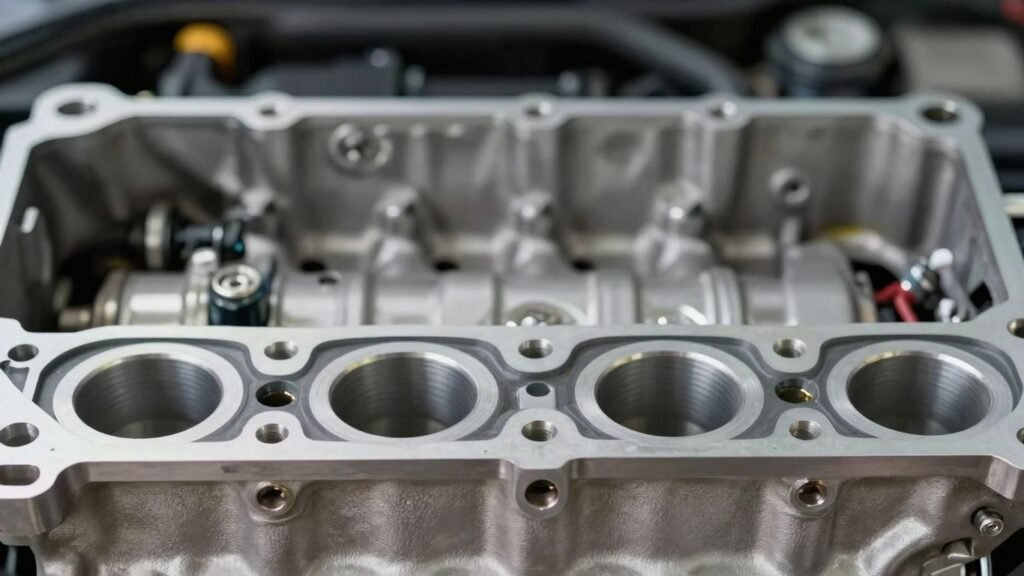
Subaru head gasket failure prevention is something many owners worry about. These cars have a unique engine design, and over time, some models have had issues with their head gaskets. It’s not a fun problem to deal with, and it can get expensive fast. But the good news is, there are ways to help keep your Subaru’s engine running smoothly and avoid these headaches. This article will walk you through what you need to know.
Key Takeaways
- Regular maintenance, like sticking to oil change schedules and using good oil, really helps prevent Subaru head gasket failure.
- Keeping your Subaru’s cooling system in check is super important. Watch the temperature gauge and fix overheating issues right away.
- Always use the right coolant type and mix for your Subaru. Fresh coolant prevents corrosion and keeps things cool.
- Learn the signs of a failing head gasket, like coolant leaks or milky oil. Catching it early saves you money and trouble.
- Find a mechanic who knows Subarus well. They can spot problems early and do the job right if you need repairs.
Understanding Subaru Head Gasket Failure Prevention
The Boxer Engine’s Unique Demands
Subaru’s signature boxer engine, with its horizontally opposed cylinders, has a distinct design. This layout means the head gaskets have to seal combustion chambers that are laid out flat. While this design offers benefits like a lower center of gravity, it also puts unique stresses on the head gaskets. They have to handle the pressure and heat from two cylinders firing on each side, all while being exposed to the elements and engine vibrations. It’s a tough job, and over time, these gaskets can start to wear down.
Impact of Heat Cycles on Gaskets
Think about how often your engine heats up and cools down. Every time you start your car, the engine gets hot, and when you turn it off, it cools. This constant cycle of expansion and contraction puts a lot of strain on the head gasket material. Over thousands of these cycles, the gasket can become brittle or lose its sealing ability. This repeated thermal stress is a major contributor to gasket failure over the life of the vehicle.
The Role of Electrolysis in Cooling System Corrosion
It might sound a bit technical, but electrolysis can play a sneaky role in head gasket problems. Basically, it’s an electrochemical process that can occur in your cooling system. If there are stray electrical currents or impurities in the coolant, it can cause corrosion. This corrosion can eat away at metal components, including parts of the head gasket itself, weakening it over time and making it more prone to leaks. Keeping your cooling system clean and using the right coolant helps prevent this.
Proactive Maintenance for Head Gasket Longevity
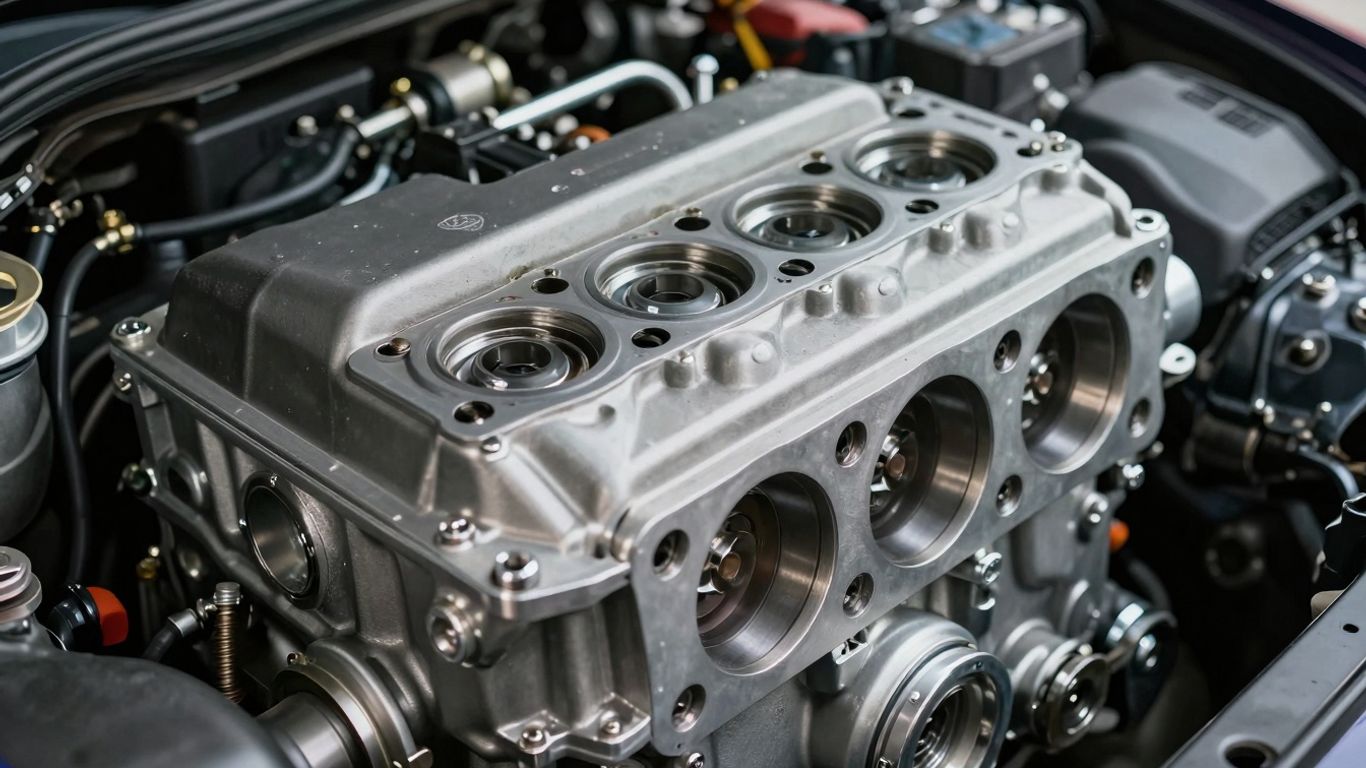
Keeping your Subaru’s head gaskets in good shape really comes down to being on top of your regular maintenance. It’s not just about oil changes, though those are super important. Think of it as a whole system approach to keeping that boxer engine happy.
Adhering to Recommended Maintenance Schedules
Your owner’s manual isn’t just a suggestion; it’s your best friend when it comes to keeping your Subaru running right. Following Subaru’s suggested service intervals for things like oil changes, filter replacements, and general inspections means you’re catching potential problems before they get big. It’s like going to the doctor for regular check-ups – you find out if something’s off early.
The Importance of Quality Engine Oil
Don’t skimp on the oil. Using the right kind of high-quality engine oil, the one your Subaru calls for, is a big deal. It keeps all those moving parts inside your engine well-lubricated, which means less friction and less stress on everything, including the head gaskets. Think of it as giving your engine a good, clean bath.
Regular Coolant Flushes and Refills
Your cooling system is directly linked to head gasket health. Over time, coolant can break down, lose its protective properties, and even get contaminated. Scheduling regular coolant flushes and refills with the correct type of coolant keeps the system working efficiently and prevents overheating, a major enemy of head gaskets. It’s a good idea to check the coolant level and condition between these services too.
Keeping your cooling system in top shape is one of the most direct ways to protect your head gaskets. Fresh coolant and a properly functioning system mean less heat stress, which is exactly what those gaskets need to last.
| Maintenance Item | Recommended Interval (Example) | Notes |
|---|---|---|
| Oil Change | 5,000 – 7,500 miles | Use manufacturer-recommended oil type |
| Coolant Flush & Refill | 30,000 – 60,000 miles | Use Subaru-specific or compatible coolant |
| Inspection | Per owner’s manual | Check hoses, belts, and fluid levels |
Keeping Your Subaru’s Cooling System Optimal
Your Subaru’s cooling system is like its personal thermostat, and keeping it in good shape is a big deal for the head gaskets. These engines can get pretty warm, and if that heat isn’t managed right, the gaskets can start to give up the ghost.
Monitoring Engine Temperature Closely
It sounds simple, but really watching that temperature gauge is important. Most of the time, it sits steady in the middle. If you see it start creeping up, especially towards the red zone, that’s your cue to pay attention. Don’t just keep driving hoping it’ll go back down. Pull over safely as soon as you can. A little bit of extra heat might not seem like much, but over time, it really stresses out those head gaskets.
Addressing Overheating Incidents Promptly
So, you saw the temp gauge climb. What now? First, turn off the engine. Let it cool down completely. Then, you can check the coolant level, but be careful, it might be hot. If it’s low, you’ll need to add more, but you should also try to figure out why it got low. Is there a visible leak? Is the fan working? Sometimes, a quick fix is all that’s needed, but if you’re not sure, it’s best to get it checked out by someone who knows Subarus. Ignoring an overheating event is a fast track to bigger problems, including that dreaded head gasket failure.
Using the Correct Coolant Type and Ratio
This is another one where the owner’s manual is your best friend. Subaru specifies a particular type of coolant for a reason. Using the wrong kind, or mixing different types, can cause corrosion inside your cooling system. That corrosion can lead to leaks and, you guessed it, put more strain on the head gaskets. You also need the right mix of coolant and water – usually 50/50. Too much water and it won’t protect against freezing or boiling as well. Too much pure coolant and it might not transfer heat as efficiently. Getting this mix right helps the whole system work as it should.
The cooling system is designed to keep the engine at a specific operating temperature. When it gets too hot, components expand, and seals like the head gasket can be compromised. Regular checks and prompt attention to any temperature fluctuations are key to preventing this.
Recognizing Early Warning Signs of Failure
Catching a head gasket problem early on can save you a lot of headaches and money down the road. It’s like noticing a small leak in your roof before it causes major water damage. Your Subaru will often give you hints that something isn’t quite right, and paying attention to these can make a big difference.
Observing for External Coolant Leaks
Sometimes, you’ll notice coolant seeping from the outside of the engine, right around where the cylinder head meets the engine block. It might not be a big gushing leak, but more of a slow weep. You might catch a faint, sweet smell of coolant after you’ve been driving, especially when you park. Over time, you might find yourself topping off the coolant more often than you used to, even if you can’t see a puddle under the car. Sometimes, you’ll see a dried, crusty residue on the engine block where the coolant has evaporated.
Detecting Internal Coolant Contamination
This is where things can get a bit more serious. If coolant is getting into the oil, your oil can start to look like a milky milkshake on the dipstick. It’s a pretty clear sign that something’s not right internally. On the flip side, if oil or coolant is getting into the combustion chamber, you might notice thick white smoke coming from your exhaust pipe, especially after the engine has warmed up. This isn’t just normal exhaust steam; it’s usually a lot thicker and more persistent.
Noticing Unusual Engine Noises and Performance Changes
Your engine might start making noises it didn’t before. A persistent ticking or knocking sound could be a sign that combustion isn’t happening quite right due to a gasket issue. You might also notice that your Subaru doesn’t feel as peppy as it used to. Acceleration could be sluggish, and you might find yourself stopping at the gas station more often because your fuel economy has dropped. The temperature gauge is also a big one; if it starts creeping up into the red zone more than usual, that’s a definite warning.
Don’t ignore subtle changes in how your car runs or smells. These early indicators are your Subaru’s way of telling you it needs attention before a small issue becomes a major repair.
| Symptom | What to Look For |
|---|---|
| Coolant Smell | Sweet odor after driving, especially when parked |
| Visible Coolant Residue | Dried, crusty deposits on the engine block |
| Oil Appearance | Milky or foamy consistency on the dipstick |
| Exhaust Smoke | Thick, persistent white smoke |
| Engine Performance | Sluggish acceleration, reduced fuel efficiency |
| Engine Temperature Gauge | Consistently running hotter than normal, into the red |
| Unusual Engine Sounds | Ticking or knocking noises |
Choosing the Right Expertise for Subaru Repairs
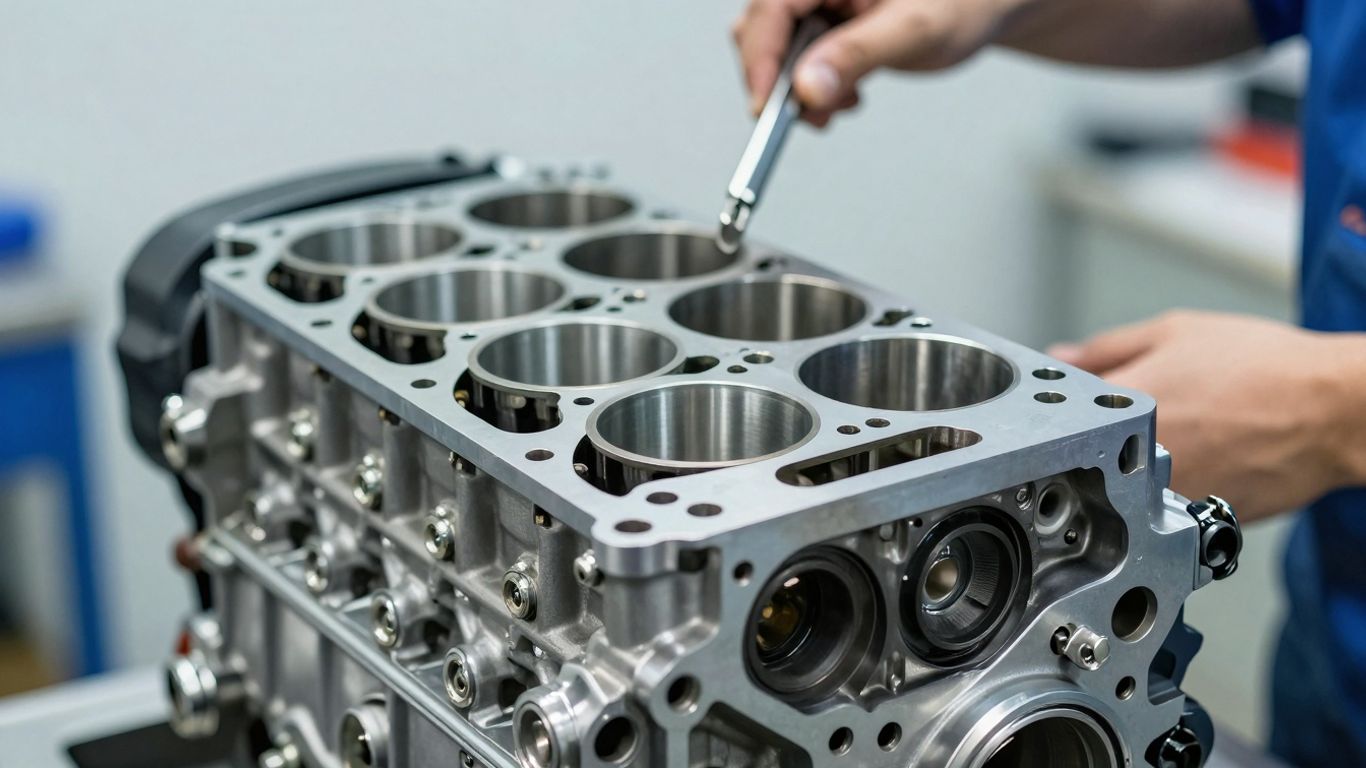
Selecting an Experienced Subaru Mechanic
When it comes to something as specific as Subaru head gasket issues, you really want someone who knows these cars inside and out. It’s not just about finding a mechanic; it’s about finding a Subaru specialist. They understand the unique design of the Boxer engine and are familiar with the common problems, like head gasket leaks, that can pop up. A general mechanic might miss subtle signs or use the wrong parts, leading to more trouble down the road. An experienced Subaru technician can spot potential problems early, often before they become major headaches. They know the right diagnostic tools to use and the proper procedures for repair, which can save you a lot of money and stress in the long run.
Understanding Subaru’s Response to Gasket Issues
Subaru has had its share of head gasket issues over the years, especially on certain models and model years. While they might not always issue a recall for every single case, they sometimes have extended warranty programs or service bulletins that can help owners out. It’s worth checking if your specific vehicle falls under any of these programs. Sometimes, Subaru will cover a portion of the repair costs, even if your car is out of the standard warranty period. A good Subaru mechanic will be up-to-date on this information and can help you navigate whether any assistance is available from the manufacturer. It’s a good idea to ask them about it directly when you bring your car in.
When you’re facing a potential head gasket repair, it’s easy to get overwhelmed by the cost. But think about it this way: a well-done repair by someone who knows Subarus can give your car many more years of reliable service. Ignoring the problem, or getting a cheap fix from someone who doesn’t specialize in Subarus, often leads to bigger, more expensive problems later on. It’s about making a smart investment in your car’s future.
Driving Habits and Their Effect on Gaskets
Avoiding Overly Aggressive Driving
Look, we all love our Subarus. They’re fun to drive, and sometimes it’s tempting to really push them, especially on those winding roads. But here’s the thing: all that hard acceleration and braking puts extra stress on your engine. Think about it – every time you floor it, the engine’s working overtime, generating more heat and pressure. This constant strain, especially over many miles, can really wear down components like the head gaskets. It’s not about never having fun, but about being mindful of how often and how intensely you’re asking your engine to perform at its absolute limit.
The temperature swings in many parts of the country, from freezing winters to scorching summers, mean your engine is constantly expanding and contracting. When you add aggressive driving to that, you’re just amplifying the stress on those gaskets. It’s like repeatedly bending a piece of metal; eventually, it’s going to weaken.
Considering Preventative Head Gasket Replacement
If you’ve got an older Subaru, or even if you just want some extra peace of mind, thinking about replacing the head gaskets before they actually fail is a smart move. It might sound like a big job, and it is, but it can save you a lot of headaches down the road. If you’re approaching higher mileage or if you’ve heard about gasket issues with your specific model, getting them replaced with a good quality, modern gasket can be a solid investment. It’s a way to proactively address a known potential weak spot and keep your Boxer engine running strong for years to come. You’ll want to make sure whoever does the job uses the right parts and follows the correct procedures, especially when it comes to torque specs for the head bolts.
Wrapping It Up
So, there you have it. Subaru head gasket issues have been a thing for a while, mostly because of how the boxer engine is built and the parts used way back when. But don’t let that scare you off. By keeping up with your car’s maintenance, keeping an eye on that temperature gauge, and using good quality fluids, you can really cut down the chances of running into big problems. If you do notice something’s off, like weird smoke or milky oil, get it checked out by a mechanic who knows Subarus. Catching things early is way cheaper than fixing a major breakdown. Stick to these tips, and you’ll be cruising in your Subaru for a long time to come.




