
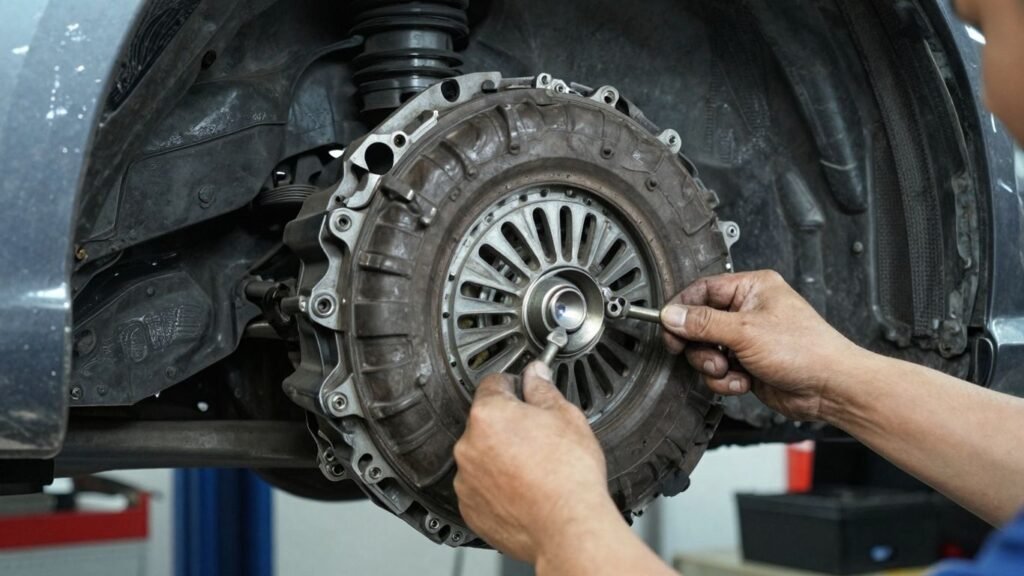
Your Subaru’s clutch is a pretty important part, no doubt about it. It helps you change gears smoothly and get power to the wheels. But like anything, it can wear out. Sometimes it’s obvious, like when your car just doesn’t go when you step on the gas. Other times, it’s more subtle. Knowing the signs of trouble and what to do can save you a lot of headaches and money. We’re going to talk about Subaru clutch repair advice, what to look out for, and when it’s time to get it checked out.
Key Takeaways
- Watch out for a slipping clutch, where your engine revs but the car doesn’t speed up much, especially on hills.
- If shifting gears becomes difficult, feels grindy, or the stick is stiff, your clutch might be having issues.
- Changes in how your clutch pedal feels—spongy, stiff, or vibrating—are signs you shouldn’t ignore.
- Getting Subaru clutch repair advice and fixing clutch problems early can prevent more serious damage and save you money.
- You don’t always need to go to the dealership for Subaru clutch repair; experienced independent shops can do the job well, often using genuine parts.
Understanding Your Subaru’s Clutch System
The Crucial Role Of The Clutch
Your Subaru’s clutch is a pretty important piece of the puzzle, really. It’s the part that connects and disconnects the engine’s power to the transmission. Think of it like a switch. When you press the clutch pedal, you’re disengaging the engine from the wheels, allowing you to change gears smoothly. When you let the pedal up, it re-engages, sending that engine power down to the road. Without a properly functioning clutch, you simply can’t shift gears or even get your car moving from a standstill. It’s a mechanical link that needs to be precise.
How Driving Habits Impact Clutch Longevity
So, how you drive really does make a difference in how long your clutch lasts. If you’re constantly riding the clutch – meaning you rest your foot on the pedal even when you’re not shifting – you’re putting unnecessary wear on it. Similarly, jerky starts, rapid acceleration from a stop, or lugging the engine in too high a gear can all put extra strain on the clutch components. Stop-and-go city driving, with all its shifting and stopping, is also tougher on a clutch than cruising on the highway. It’s not just about if you drive, but how you drive.
Common Misconceptions About Clutch Wear
There are a few things people get wrong about clutch wear. One big one is that only aggressive driving wears out a clutch. While that’s a factor, it’s not the only one. Your Subaru’s specific model, how many miles are on it, and even the kind of roads you drive on play a part. Another myth is that a slipping clutch means the whole thing is about to explode. Often, it’s just an early sign that something is starting to wear out and might need an adjustment or a part replaced before it becomes a bigger problem.
It’s easy to think that clutch issues are always a huge, expensive ordeal. But sometimes, the fix is much simpler than you might imagine. Paying attention to the early signs can prevent a small problem from turning into a major repair bill down the road.
Recognizing The Warning Signs Of Clutch Failure
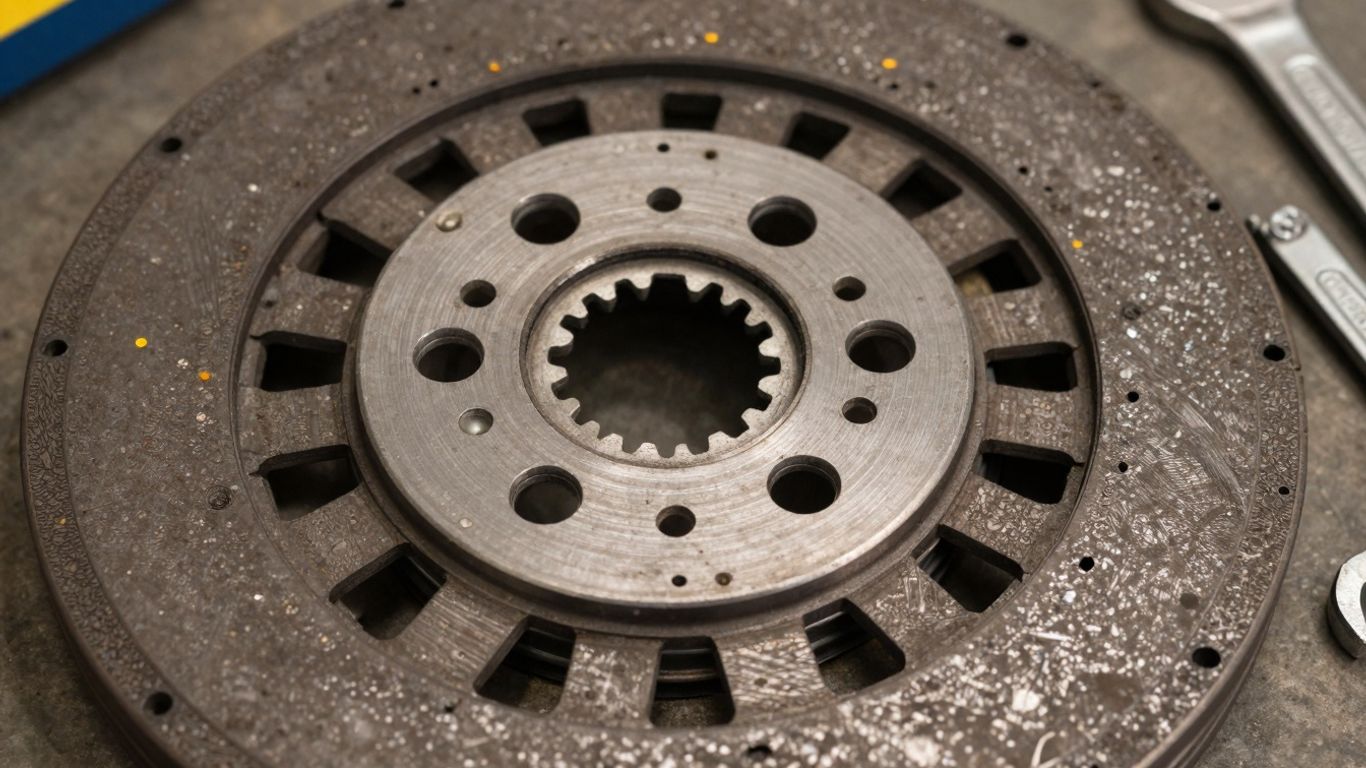
Your Subaru’s clutch is a pretty important part of how the car drives, connecting the engine to the transmission. Like anything that gets used a lot, it can wear out. Noticing when it’s starting to go bad can save you a lot of headaches and money down the road. So, what should you be looking out for?
The Symptom Of A Slipping Clutch
This is probably the most common sign that your clutch is on its way out. You’ll notice it when you give it gas, and the engine revs up, but the car doesn’t pick up speed like it should. It feels like the engine is working hard, but the power isn’t getting to the wheels properly. This usually happens because the clutch disc, the part that grabs the engine’s flywheel, is worn down and can’t get a good grip anymore. It’s especially noticeable when you’re trying to accelerate in higher gears or going up a hill.
A slipping clutch means the engine’s RPMs increase without a corresponding increase in vehicle speed.
Difficulty Shifting Gears
If you’re finding it harder to get your Subaru into gear, or if the gear shifter feels stiff and resistant, that’s another big clue. This often means the clutch isn’t fully disengaging when you press the pedal. When the clutch doesn’t separate the engine from the transmission completely, it makes it tough for the gears to mesh smoothly. You might hear grinding noises when you try to shift, or you might find it particularly difficult to get into first gear or reverse. Sometimes, the shifter can even get stuck.
Changes In Clutch Pedal Feel
Pay attention to how your clutch pedal feels under your foot. A pedal that feels soft, mushy, or spongy, and doesn’t really engage until it’s almost on the floor, can point to issues like air in the hydraulic system or a leak. On the flip side, if the pedal suddenly feels much stiffer and harder to press than usual, it might mean the pressure plate is starting to wear out. You might even feel strange vibrations or pulsing through the pedal when you press it, which could be a sign of a warped flywheel or a damaged clutch disc.
A clutch pedal that feels different – whether it’s too soft, too hard, or vibrating – is your car telling you something isn’t right with the clutch system. It’s best not to ignore these changes.
Burning Smell
If you start to notice a distinct burning smell, especially after driving in traffic or when you’ve been using the clutch a lot, it’s a serious warning sign. This smell, often described as burning rubber or hot metal, usually means the clutch is overheating. Overheating typically happens when the clutch is slipping excessively, causing the friction material to burn. If you smell this, it’s a good idea to get it checked out right away because continued driving can quickly damage the clutch beyond repair.
Unusual Noises
Any new sounds coming from your clutch or transmission area when you operate the clutch pedal should be investigated. Grinding, squealing, or clicking noises can indicate that specific parts within the clutch assembly, like the release bearing or pressure plate, are worn out or damaged. These noises are your car’s way of signaling that something needs attention before it leads to a bigger problem.
Addressing Clutch Issues Promptly
Why Early Detection Saves Money
Look, nobody likes spending money on car repairs, right? But when it comes to your Subaru’s clutch, ignoring the warning signs is like playing with fire. That little bit of slipping or a weird noise might seem minor now, but it can quickly turn into a much bigger, much more expensive problem. Think of it like a small leak in your roof – ignore it, and you could end up with water damage throughout your house. The same idea applies here. Catching clutch issues early means you’re likely dealing with just the clutch itself. Wait too long, and you might be looking at damage to the flywheel, the transmission, or other parts that weren’t originally the problem. Getting it checked out sooner rather than later is almost always the cheaper route.
Preventing Further Damage To Your Subaru
When your clutch starts acting up, it’s not just an inconvenience; it’s actively causing more wear and tear on other parts of your drivetrain. A slipping clutch, for instance, generates a lot of heat. This excess heat can warp your flywheel and damage the clutch disc’s friction material. If the clutch isn’t disengaging properly, it puts extra strain on your transmission’s synchronizers, making shifts harder and potentially damaging them over time. Even a change in pedal feel, like it becoming spongy or stiff, can point to hydraulic issues or a failing pressure plate that could lead to a complete breakdown if left unchecked. It’s a domino effect, and you want to stop that first domino from falling.
The clutch system is a delicate balance of components. When one part starts to fail, it puts stress on the others. Ignoring these early signals means you’re risking a cascade of failures, turning a manageable repair into a major overhaul. It’s always better to address the initial symptom before it compromises the entire system.
When To Seek Professional Subaru Clutch Repair Advice
So, when is it time to stop tinkering in your driveway or just hoping the problem goes away and call in the pros? If you notice any of the classic signs – like the engine revving high but the car not picking up speed (slipping), a burning smell after driving, difficulty getting into gear, or a clutch pedal that feels weird (spongy, stiff, or vibrating) – it’s time to get professional eyes on it. Don’t wait until you’re stuck on the side of the road. A good Subaru specialist can diagnose the exact issue, whether it’s a worn-out clutch disc, a faulty hydraulic system, or something else entirely. They have the tools and the know-how to fix it right the first time, saving you headaches and potentially more money down the road.
Navigating Subaru Clutch Repair Costs
Factors Influencing Repair Expenses
So, you’re wondering about the damage to your wallet when it comes to clutch repairs. It’s not a one-size-fits-all answer, unfortunately. Several things can make the price go up or down. For starters, the specific Subaru model you drive matters. Newer models or those with more complex systems might cost more to fix. Then there’s the mileage on your car; higher mileage often means more wear and tear, potentially leading to more parts needing replacement. The actual problem is also a big factor. Is it just a worn-out clutch disc, or is the entire assembly, including the flywheel and pressure plate, shot? Sometimes, it’s just a hydraulic issue that’s relatively cheap to sort out. The cost of parts can also vary quite a bit, depending on whether you go with genuine Subaru parts or a more budget-friendly aftermarket option. And, of course, labor rates differ from shop to shop and region to region.
Understanding Repair Estimates
When you get a quote for clutch work, it’s usually broken down into parts and labor. The parts cost will cover the clutch kit itself – that’s typically the clutch disc, pressure plate, and release bearing. You might also need a new flywheel, or at least have yours resurfaced, which adds to the bill. Then there’s the labor. For Subarus, like many cars, getting to the clutch involves removing the transmission. This is the most time-consuming part and makes up a significant chunk of the cost. A typical estimate might look something like this:
| Item | Estimated Cost Range |
|---|---|
| Clutch Kit | $300 – $600 |
| Flywheel (Resurface/Replace) | $100 – $400 |
| Pilot Bearing/Bushing | $20 – $50 |
| Rear Main Seal | $30 – $70 |
| Transmission Seals | $40 – $100 |
| Clutch Fluid | $10 – $20 |
| Labor (10-15 hours) | $1000 – $2000 |
| Total Estimated Cost | $1500 – $3240+ |
Remember, these are just ballpark figures. Your actual estimate could be higher or lower. It’s always a good idea to get a few quotes from different reputable shops.
When A Clutch Repair Is Not A Major Expense
Not every clutch symptom means you’re facing a bill in the thousands. Sometimes, the issue is much simpler and less costly to fix. For instance, if your clutch pedal feels a bit soft or spongy, it might just be low on hydraulic fluid. Topping that off is usually a quick and inexpensive job. In some older Subarus, a worn clutch cable could be the culprit, and replacing a cable is far cheaper than a full clutch job. Even a slightly sticky clutch fork or a worn pivot ball can sometimes cause shifting problems that might be addressed without replacing the entire clutch assembly. It’s worth getting a professional diagnosis to rule out these less expensive possibilities before assuming the worst. A good mechanic will be able to tell you if a minor adjustment or a single part replacement will solve your problem, saving you a significant amount of money.
Expert Subaru Clutch Repair Advice
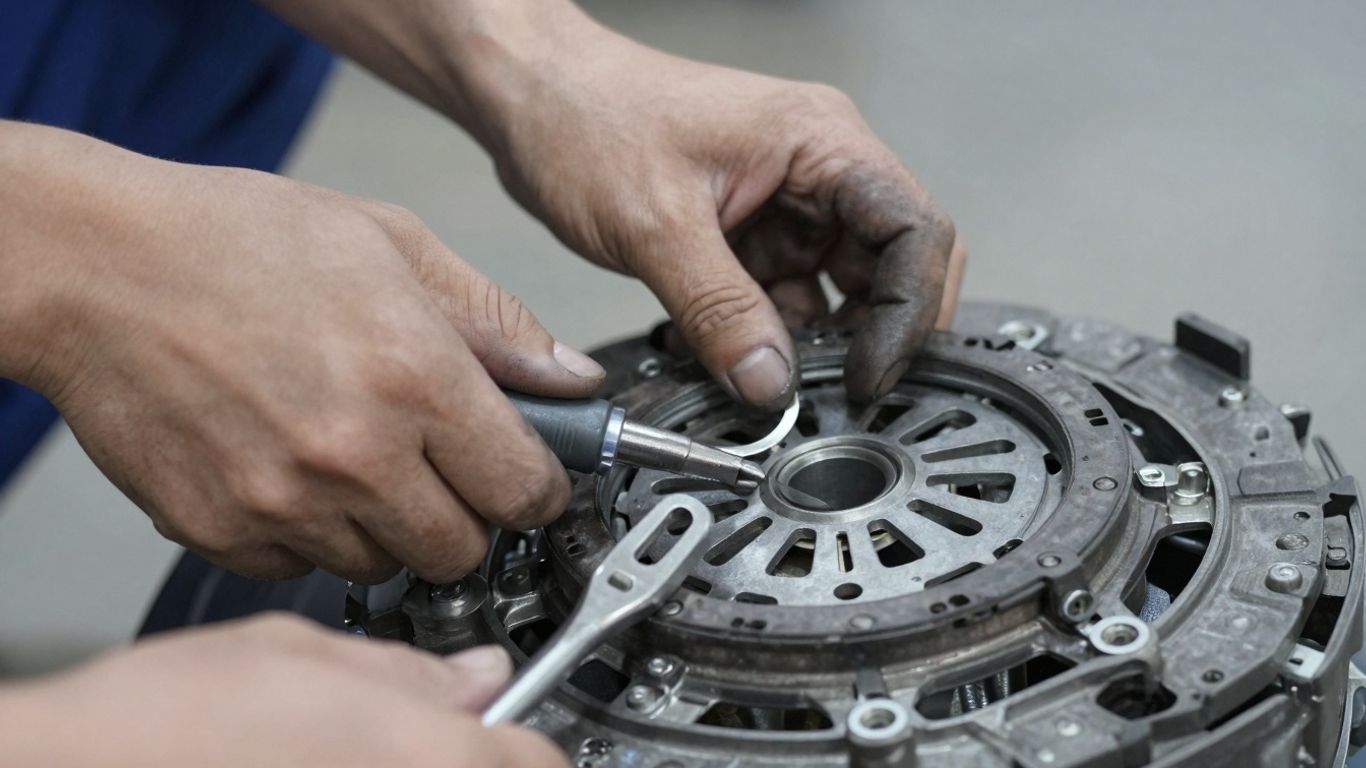
When it comes to getting your Subaru’s clutch fixed, you’ve got options. It’s a common worry that only the dealership can handle this kind of work, but that’s really not the case. Plenty of independent shops, especially those that specialize in Subarus, have the know-how and the right tools. Don’t feel like you’re locked into one place just because it’s a Subaru. The Magnuson-Moss Warranty Act actually protects your right to get service done at a qualified independent shop without voiding your warranty, as long as they meet the manufacturer’s standards.
When you’re looking for a shop, do a little digging. See if they focus on Subarus specifically. These places often have technicians who know the ins and outs of your particular model better than a general mechanic might. Ask about their experience with clutch jobs on your type of Subaru. It’s also smart to inquire about the parts they use. Some shops will offer both genuine Subaru parts and quality aftermarket alternatives. Genuine parts are made by Subaru and are designed to fit perfectly, while aftermarket parts can be a good option too, often offering a different price point or performance characteristics. Make sure the shop can explain the difference and why they recommend one over the other for your situation.
Getting a warranty on clutch work is a big deal. It means the shop stands behind their repair. Ask what kind of guarantee they offer on both parts and labor. A solid warranty gives you peace of mind, knowing that if something goes wrong shortly after the repair, you’re covered.
Cost can be a big question mark, and it really varies. For a Subaru WRX, for example, you might see quotes ranging from $1,500 to $2,500 or more, depending on the shop and what exactly needs to be done. This often includes replacing the clutch disc, pressure plate, and throw-out bearing. Sometimes, the flywheel might need resurfacing or replacement, which adds to the cost. Labor is usually the biggest chunk because it involves dropping the transmission. It’s often recommended to replace other wear items like rear main seals or transmission input seals while the transmission is out, as the extra labor cost for these small parts is minimal.
| Component Replaced | Estimated Cost Range (Parts & Labor) |
|---|---|
| Clutch Kit (Disc, Plate, Bearing) | $800 – $1,500 |
| Flywheel Resurfacing | $100 – $200 |
| Flywheel Replacement | $200 – $500 |
| Additional Seals/Parts | $100 – $300 |
| Total Estimated Repair | $1,200 – $2,500+ |
Remember, not every clutch issue is a full-blown replacement. Sometimes, it might just need an adjustment or a fluid top-off. A good mechanic will diagnose the problem accurately and give you clear options before starting any work. Always ask for a detailed estimate that breaks down parts and labor costs.
Common Myths Surrounding Clutch Repairs
Let’s be honest, car repairs can feel like a black box sometimes, and clutch issues often get wrapped up in a lot of confusing talk. People hear things, read things online, and before you know it, you’re convinced you need a whole new transmission when it might just be something simpler. We’re going to clear up some of the most common misunderstandings about Subaru clutch repairs so you know what’s really going on.
Myth: Only Dealerships Can Handle Subaru Clutch Work
This is a big one. Many folks think that because it’s a Subaru, only the dealership has the special tools or knowledge to touch the clutch. That’s just not the case. Independent shops, especially those that focus on Subarus, often have mechanics with years of experience working specifically on your car’s model. They use the same quality parts and diagnostic equipment as the dealership. Plus, laws like the Magnuson-Moss Warranty Act mean you don’t have to go to the dealer for service to keep your warranty valid, as long as the work is done correctly.
Myth: A Slipping Clutch Means Immediate Total Failure
When you notice your engine revving up but the car isn’t picking up speed like it should, that’s a slipping clutch. It sounds scary, and it definitely means something needs attention, but it doesn’t always mean your clutch is about to completely give out. Sometimes, it’s an early indicator that parts are just starting to wear down, or maybe something needs a simple adjustment. Catching it early can prevent more serious damage down the road.
Ignoring the signs of a slipping clutch can lead to a domino effect of problems. What starts as a worn clutch disc can eventually put extra strain on other components, potentially leading to more expensive repairs if left unaddressed. Acting promptly is key.
Myth: All Clutch Repairs Are Exorbitantly Expensive
While a full clutch replacement can be a significant expense, not every clutch problem requires that level of repair. Sometimes, the issue might be with the hydraulic fluid, a cable, or a minor adjustment. These fixes are much less costly than a complete overhaul. It really depends on what exactly is failing within the clutch system. Getting a proper diagnosis is the first step to understanding the real cost involved.
| Potential Issue | Likely Cost Range (Estimate) |
|---|---|
| Clutch Fluid Top-Off | $50 – $150 |
| Clutch Cable Adjustment | $75 – $200 |
| Minor Component Repair | $300 – $700 |
| Full Clutch Replacement | $1,200 – $2,500+ |
Note: These are general estimates and can vary widely based on location, shop rates, and specific Subaru model.
Wrapping It Up
So, there you have it. Clutch problems can seem like a big deal, and sometimes they are. But knowing the signs, understanding that not every issue is a budget-breaker, and knowing when to get it checked can save you a lot of headaches. Don’t let weird noises or a funny pedal feel get you down. Getting it looked at by someone who knows Subarus, like the folks at Suburb Service, is usually the best move. They can tell you what’s really going on and help you get back on the road without any surprises. Keep an ear out for those sounds and a feel for that pedal, and your Subaru should keep running smoothly for a good long while.




