
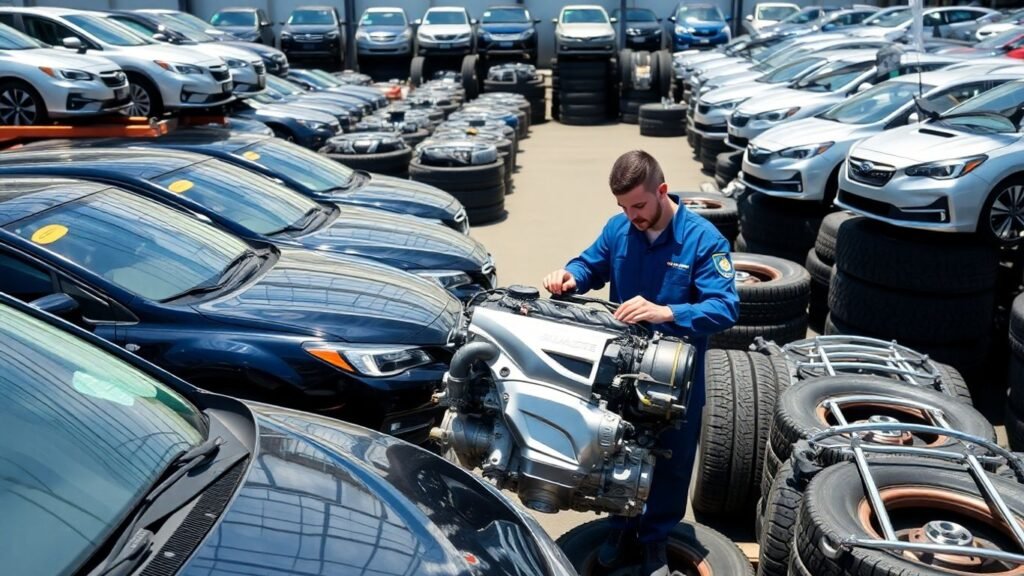
Looking for parts for your Subaru? Maybe your trusty ride needs a new engine, or perhaps a specific piece like a hood scoop. Instead of paying a fortune for brand new parts, have you thought about checking out Subaru auto recycling solutions? It’s a smart way to find what you need, often at a much lower cost. Plus, it’s better for the planet. We’re going to explore some of the best options out there for getting quality used parts for your Subaru.
Key Takeaways
- Finding quality used parts for your Subaru can save you a lot of money compared to buying new.
- Many Subaru auto recycling centers offer a wide selection of parts, including specialized ones for models like the Legacy GT and Forester XT.
- Self-serve yards allow you to find and pull parts yourself, which can further reduce costs.
- Choosing recycled parts is an environmentally friendly option, reducing waste and the need for new manufacturing.
- Nationwide inventories mean you can often find the part you need, even if it’s not locally available.
1. Quality Used Subaru Parts
When you’re looking to fix up your Subaru, finding the right parts can be a challenge. New parts can cost a lot, and sometimes, you just need a specific component that’s no longer made. That’s where quality used Subaru parts come in. These parts can save you a good chunk of money and are often just as good as new ones.
Think about it – a used transmission, a fender, or even an engine can be a lifesaver for your budget. Many places that specialize in Subaru recycling have a huge inventory. They take in vehicles, carefully remove usable parts, and then test them to make sure they’re in good working order. It’s a smart way to keep your Subaru running without breaking the bank.
| Part Type | New Price (Est.) | Used Price (Est.) |
|---|---|---|
| Engine | $3,000 – $7,000+ | $1,000 – $3,500+ |
| Transmission | $2,500 – $5,000+ | $800 – $2,000+ |
| Fender | $300 – $600+ | $100 – $250+ |
| Headlight Assembly | $200 – $400+ | $75 – $150+ |
Getting a used part doesn’t mean you’re settling for less. Reputable recyclers inspect their parts thoroughly. They want you to be happy with your purchase so you’ll come back. It’s a win-win: you get a working part for less, and they keep good components out of the landfill.
2. Affordable Replacement Parts
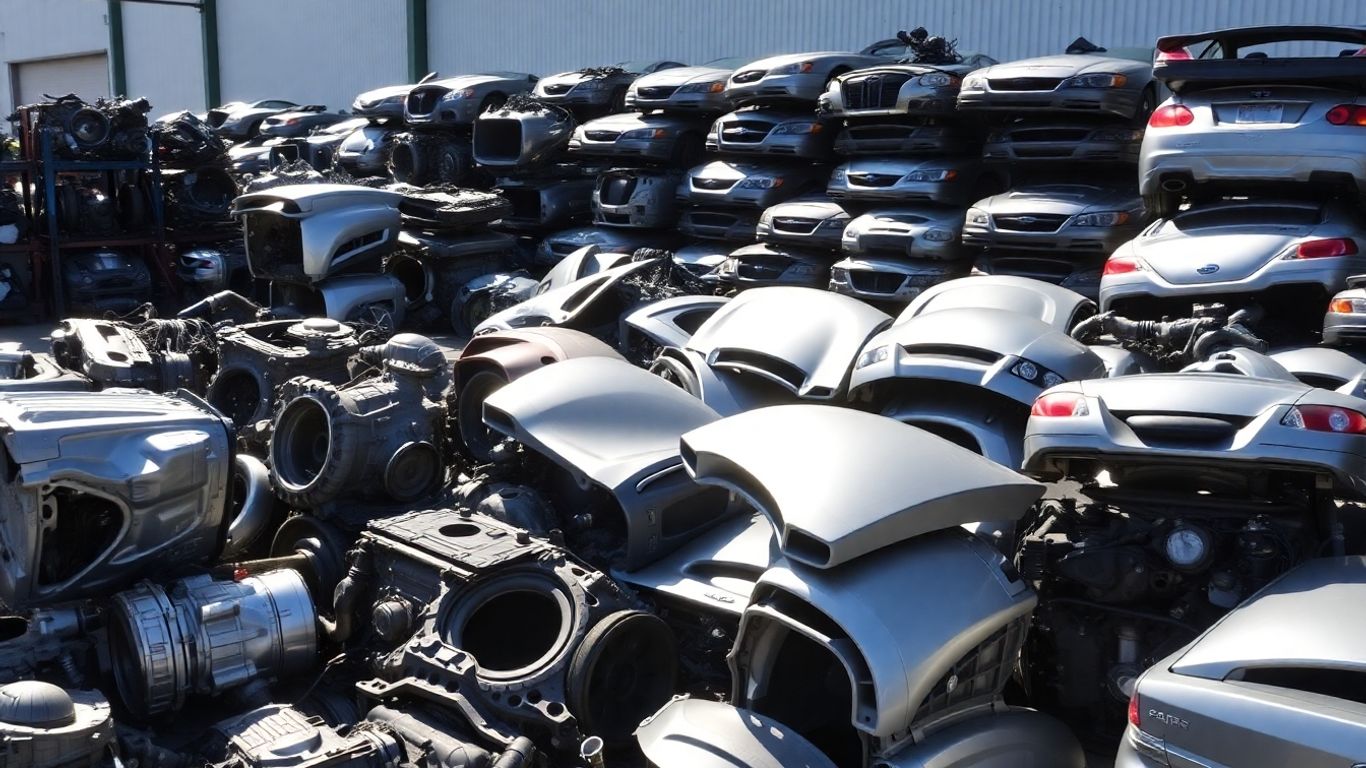
When your Subaru needs a new part, the sticker shock from a dealership can be a real downer. That’s where auto recycling yards really shine. You can often find the exact same part you need for a fraction of the cost of buying new. Think about it – a used transmission or a set of headlights might cost you a quarter of what a brand-new one would. This makes keeping your Subaru on the road much more manageable, especially if you’re working with a tighter budget.
Getting the right part at a good price can make all the difference for your car repair.
It’s not just about saving money, though. Auto recyclers often have a huge inventory, meaning they might have that obscure part for your older Outback or Impreza that’s impossible to find anywhere else. Plus, the process is usually pretty quick. You can often get in and out with the part you need in minutes, saving you time as well as cash.
The cost savings from using recycled parts can be substantial. For example, a common replacement like a radiator might be 50-70% cheaper when sourced from a reputable auto recycler compared to buying new from a dealer or aftermarket supplier. This allows for significant budget flexibility in vehicle maintenance and repair.
Here’s a quick look at potential savings:
| Part Type | New Price (Est.) | Used Price (Est.) | Savings (Est.) |
|---|---|---|---|
| Engine | $3,000 – $6,000 | $1,000 – $2,500 | 50% – 75% |
| Transmission | $2,500 – $5,000 | $800 – $2,000 | 50% – 70% |
| Headlights (Pair) | $400 – $800 | $100 – $300 | 60% – 75% |
| Radiator | $200 – $400 | $50 – $150 | 60% – 75% |
3. Subaru Engine Swaps
Thinking about a Subaru engine swap? It’s a pretty common upgrade, especially if you’re looking to boost performance or replace a tired old engine. People often go for a more powerful engine from a different Subaru model, or sometimes even a completely different manufacturer’s engine if they’re feeling adventurous.
Finding the right used engine is key to a successful swap. You want something that’s been well-maintained and has plenty of life left in it. Auto recycling centers specializing in Subarus are a great place to start. They often have a good selection of engines from various models, and they can usually give you a decent idea of the engine’s history and condition.
Here’s a general idea of what you might find:
| Engine Type | Common Models | Potential Power Increase | Notes |
|---|---|---|---|
| EJ25 (Turbocharged) | WRX, STI, Forester XT | Significant | Popular for performance upgrades |
| EJ20 (Turbocharged) | WRX (older models), STI | Moderate | Good balance of power and reliability |
| EJ25 (Naturally Aspirated) | Impreza, Legacy, Forester | Minor | Reliable, good for basic replacement |
When considering an engine swap, don’t forget about the supporting modifications. You might need different transmission mounts, exhaust systems, or even wiring harnesses to make everything work smoothly. It’s not just about dropping in a new engine; it’s about making sure all the other parts can handle the change.
4. Hood Scoop Replacements
Sometimes, the little things make a big difference in how your Subaru looks and performs. A hood scoop, for instance, isn’t just about aesthetics; it can also play a role in engine cooling, especially on performance models. If yours is damaged, missing, or you’re just looking to upgrade, finding a quality used replacement is a smart move.
Getting the right hood scoop can really change the look of your Subaru. Whether you drive a sporty WRX or a rugged Forester, a well-fitting hood scoop adds character. Auto recycling yards often have a variety of these parts from different models and years. You might even find one from a different Subaru model that fits yours, sometimes with a little modification, opening up more style options.
When looking for a replacement, it’s good to know what you’re getting. Some places might let you inspect the part before you buy, which is always a plus. Checking for cracks, fading, or any structural damage is key.
Finding the right hood scoop might seem like a small detail, but it contributes to the overall appearance and sometimes even the function of your vehicle. Used parts from reputable recyclers offer a cost-effective way to get that perfect fit and look without breaking the bank.
It’s not uncommon for parts from models like the Legacy GT or Forester XT to be compatible with other Subarus, so don’t limit your search to just your exact model year if you’re open to different styles. Always confirm fitment, though, or ask the experts at the recycling yard for their advice. They’ve seen it all and can often point you in the right direction.
5. Legacy GT Parts
If you’re driving a Subaru Legacy GT, you know it’s a car that’s built for performance and fun. Finding the right parts to keep it running smoothly or to upgrade it can sometimes be a challenge, especially if you’re looking for quality used components. Many auto recyclers specialize in Subaru models, and the Legacy GT is often a popular vehicle in their inventory. This means you’ve got a good shot at finding everything from engine components and transmissions to body panels and interior pieces.
Finding specific parts for a Legacy GT often means looking for components that might also fit other Subaru models, which can broaden your search. For instance, certain body parts or even engine components might be interchangeable with other Subarus of a similar generation. This is where a knowledgeable auto recycler can really help. They know which parts cross-reference and can save you a lot of time and hassle.
Here’s a quick look at some common Legacy GT parts you might find:
| Part Category | Common Items |
|---|---|
| Engine | Short blocks, long blocks, turbochargers, alternators, starters |
| Drivetrain | Transmissions (manual/automatic), differentials, axles, driveshafts |
| Body | Hoods, fenders, bumpers, doors, trunk lids, headlights, taillights |
| Suspension | Shocks, struts, control arms, sway bars |
| Interior | Seats, dashboards, door panels, steering wheels |
Sometimes, you might need a part that’s a bit obscure or specific to a certain year of the Legacy GT. It’s not uncommon for these cars to have unique styling elements or performance parts that aren’t readily available new. That’s where the treasure hunt at a Subaru auto recycler pays off.
When you’re looking for Legacy GT parts, don’t hesitate to ask the recycling yard staff for help. They often have a deep understanding of Subaru parts compatibility and can point you in the right direction, even if the part you need isn’t immediately obvious. They’ve seen it all and know how to make different pieces fit.
6. Forester XT Parts
If you’re rocking a Subaru Forester XT, you know it’s a bit of a special ride. These models often get enthusiasts looking for specific parts to keep them running strong or to upgrade them. Finding the right components for a Forester XT can sometimes feel like a treasure hunt, especially if you’re looking for something beyond the usual.
Many owners find that parts from other Subaru models, like the Legacy GT, can be a perfect fit for their Forester XT, especially for body panels or certain engine components. This cross-compatibility is a big plus when you’re trying to source something unique or when a specific Forester XT part is hard to come by. Auto recycling yards that specialize in Subarus are often the best places to check because they have a wide variety of vehicles and knowledgeable staff who can help you figure out what might work.
When you’re hunting for Forester XT parts, think about the whole Subaru ecosystem. Sometimes a part designed for a different model might be exactly what you need, and recycling centers are great for finding these hidden gems at a good price.
Whether you need a replacement hood scoop, engine parts, or even just some of the smaller bits and pieces, checking with a dedicated Subaru auto recycler is a smart move. They often have a good inventory of Forester XT specific parts, and if not, they might have compatible parts from other Subarus that will do the trick. Plus, you’re usually getting a much better deal than buying new, and it’s a more eco-friendly option too.
7. OEM Quality Parts
When you’re looking for replacement parts for your Subaru, you want to know you’re getting something that’s going to work right and last. That’s where OEM quality parts come in. OEM stands for Original Equipment Manufacturer, which basically means the parts are made by the same company that made your car. So, when you get used OEM parts from a reputable auto recycler, you’re getting pieces that were designed specifically for your Subaru model.
This means a better fit, better performance, and a longer lifespan for your vehicle. It’s like getting a piece of the original puzzle back into place. You avoid the guesswork that can come with aftermarket parts that might not be quite right. Many recyclers have strict inspection processes to make sure these used OEM parts are still in good shape before they even make it to the shelf.
It can be tough to tell the difference sometimes, but sticking with OEM quality, even used, is usually a safe bet. It’s a smart way to keep your Subaru running like it should without breaking the bank.
Choosing used OEM parts isn’t just about saving money; it’s about getting parts that are known to work well with your specific Subaru. They’ve already proven themselves by being on the road in another car, and if they’re in good condition, they’ve got plenty of life left.
Here’s a quick look at what you might expect when sourcing used OEM parts:
| Part Type | Typical Condition | Expected Lifespan | Cost Savings vs. New |
|---|---|---|---|
| Engine Components | Inspected, tested | High (if well-maintained) | 40-70% |
| Body Panels | Minor cosmetic flaws possible | High | 50-80% |
| Transmission Parts | Checked for wear | High (if properly inspected) | 40-60% |
| Electrical Components | Tested for function | Varies | 30-60% |
8. Self-Serve Auto Recycling
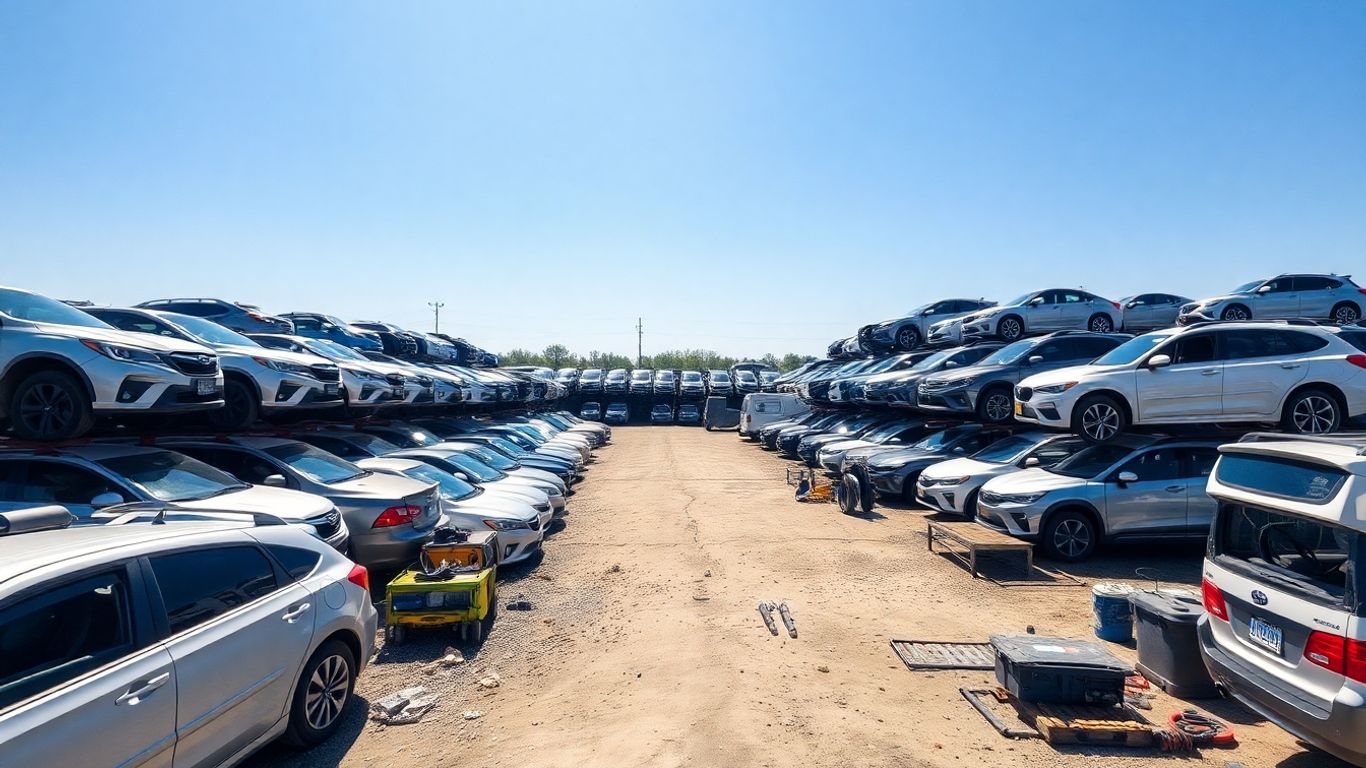
If you’re looking to save some serious cash on Subaru parts, checking out a self-serve auto recycling yard might be your best bet. Think of it like a treasure hunt for your car. You head over to the yard, find a vehicle similar to yours, and then you get to pull the parts you need yourself. This hands-on approach means you can often snag original equipment manufacturer (OEM) quality parts for a fraction of what a new part would cost, sometimes saving up to 70% or more. It’s a great way to keep your Subaru running without breaking the bank.
The real advantage here is the direct control you have over finding and selecting the exact part you need. You can inspect it right there, make sure it’s in good condition, and avoid any guesswork about compatibility. Plus, you’re actively participating in the recycling process, which is a win for the environment.
Here’s a general idea of what you might expect:
| Feature | Typical Offering |
|---|---|
| Price Savings | Up to 70% off new parts |
| Part Quality | Recycled OEM |
| Customer Involvement | Self-pull |
| Environmental Impact | Reduced waste |
When you visit a self-serve yard, remember that safety is key. These places often have heavy equipment and uneven ground. Always follow the yard’s rules, wear appropriate footwear, and be aware of your surroundings. It’s your responsibility to look out for yourself and your belongings while you’re there.
9. Environmentally Responsible Recycling
When you’re looking for used Subaru parts, choosing a recycler that prioritizes the environment makes a big difference. It’s not just about getting a good deal; it’s about doing your part for the planet. Reputable auto recyclers go through a careful process to handle end-of-life vehicles. This usually involves draining all fluids safely, removing hazardous materials like batteries and refrigerants, and then breaking down the car for recycling. They aim to recover as much material as possible, sending metals to be re-milled and other components to be processed. This whole system keeps a lot of waste out of landfills and reduces the need to create new parts from raw materials, which uses a lot of energy and resources.
Think about it: every part salvaged and reused means one less part that needs to be manufactured from scratch. That’s a win for your wallet and a win for the environment. It’s a smart way to keep your Subaru running without a huge environmental footprint.
The process of auto recycling is designed to minimize waste and maximize resource recovery. By carefully dismantling vehicles and processing their components, recyclers play a key role in conserving natural resources and reducing pollution associated with manufacturing new parts.
Many recycling centers are committed to recycling nearly 99 percent of each vehicle. This includes everything from the steel frame to smaller metal components. They often work with accredited programs to make sure the recycling is done correctly and efficiently. So, when you buy a used part, you’re not just getting a functional piece for your car; you’re supporting a cycle that’s much kinder to the earth.
10. Nationwide Parts Inventory
Finding the right Subaru part, especially for older or less common models, can sometimes feel like searching for a needle in a haystack. But what if that haystack was spread across the entire country? That’s where a robust nationwide parts inventory comes into play. It means you’re not limited to what’s available in your local area.
Think about it: a mechanic in Florida might need a specific transmission for a Subaru Outback, while a DIYer in Oregon is hunting for a rare turbocharger for a WRX. A well-connected auto recycling network allows these parts to be located and shipped efficiently, no matter where you are. This broad reach significantly increases the chances of finding exactly what you need, often much faster than you’d expect.
Accessing a wide network means more options, better prices, and a higher likelihood of getting your Subaru back on the road without a long wait. It’s about connecting demand with supply across a vast geographical area, making the process smoother for everyone involved.
Many recycling facilities work together, sharing inventory information and coordinating shipments. This collaboration is key to building a comprehensive database of available parts. When you contact one reputable recycler, they might be able to tap into a network of hundreds of others to source your component. This cooperative approach is what makes finding even obscure Subaru parts a realistic possibility.
Wrapping It Up
So, if you’re looking to fix up your Subaru without spending a fortune, hitting up a good auto recycling place is definitely the way to go. People seem really happy with the prices and the quality they find, especially for older models. It’s a smart move for your wallet and for the planet, too. You can often find exactly what you need, and the folks running these places are usually pretty helpful. Give it a shot before you decide to buy brand new parts – you might be surprised at what you find.




